Winless Buccaneers Host a 2-0 Vikings Team Built on Sacks and Takeaways
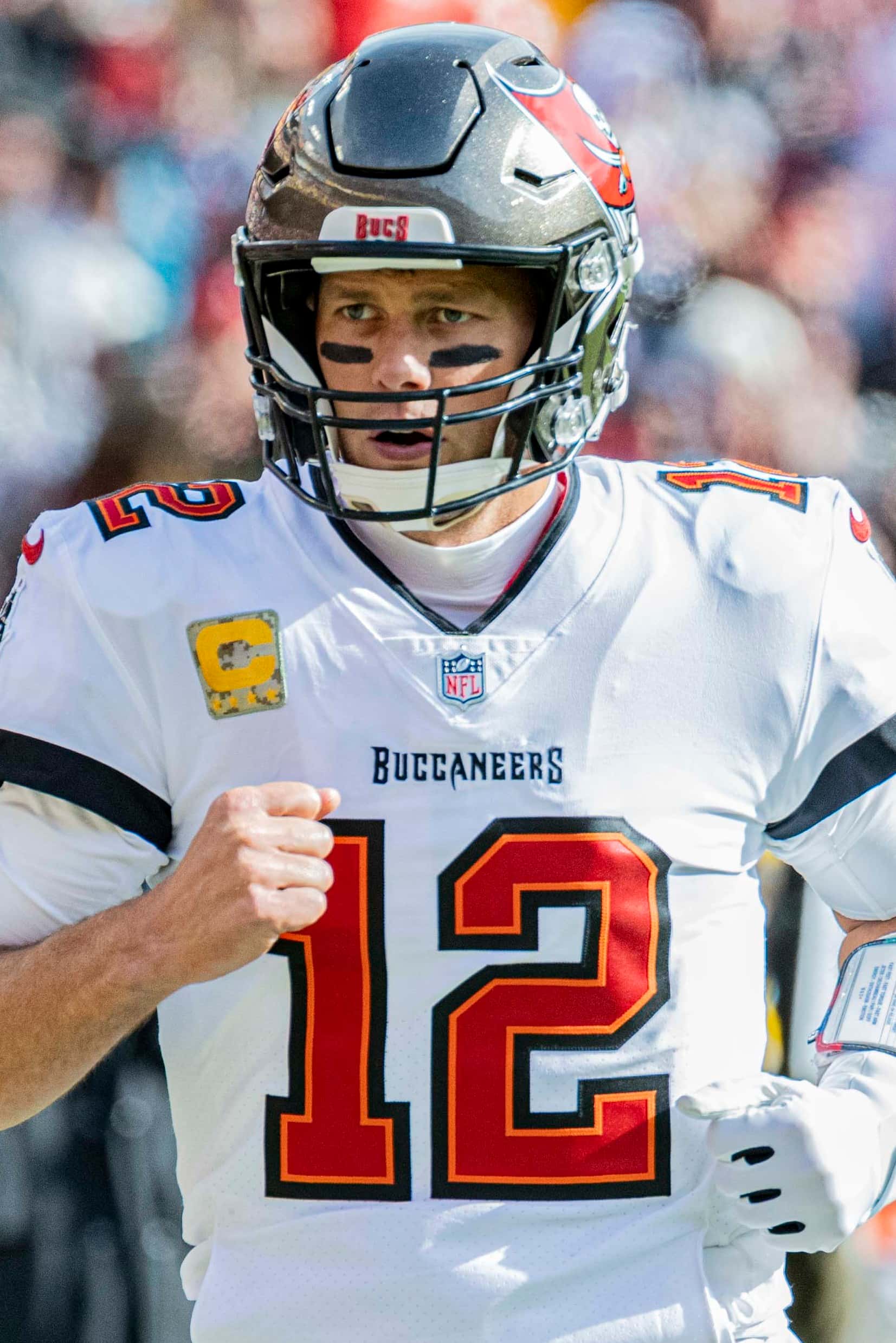
The Tampa Bay Buccaneers will try to salvage the opening stretch of their 2026 season on Sunday afternoon when they host the 2-0 Minnesota Vikings at Raymond James Stadium, a 4:05 p.m. kickoff on FOX. Tampa Bay enters at 0-2 after a 23-19 loss to the Cleveland Browns in week two, with a start marked by turnovers, red zone inefficiency, seven sacks allowed and tackling problems. Minnesota arrives with a defense that has produced eight sacks and helped generate four takeaways through two games.
How Tampa Bay got to 0-2
The Buccaneers' problems have been distributed across all three phases rather than concentrated in one. Turnovers have ended drives that were moving, red zone inefficiency has converted potential touchdowns into field goals, and protection breakdowns have produced seven sacks allowed in two games.
The 23-19 loss to Cleveland is the more instructive of the two defeats because of how close it was. A four-point margin means the outcome turned on a small number of plays, and a team that loses a game of that shape can usually identify two or three specific sequences that decided it.
Red zone inefficiency is the most correctable of the listed problems and also the most costly. The difference between a touchdown and a field goal inside the twenty is four points, and a team converting field goals where it should be scoring touchdowns will lose close games regardless of how it performs between the twenties.
Tackling has been the fourth listed issue, and it is the one least amenable to scheme adjustment. Missed tackles extend opponent drives and turn manageable gains into explosive plays, and they generally reflect fundamentals and pursuit angles rather than play design.
What Minnesota brings to Tampa
The Vikings are 2-0 behind a defense that has tallied eight sacks and contributed to four takeaways. That is precisely the profile that punishes a team allowing seven sacks and committing turnovers, and the matchup reads as a direct collision between Minnesota's defensive strength and Tampa Bay's demonstrated weakness.
Eight sacks in two games is a pressure rate that forces an offense to adjust its protection scheme, typically by keeping a back or tight end in to block. That reduces the number of receivers running routes, which in turn makes it harder to move the ball, so the cost of a strong pass rush extends beyond the sacks themselves.
On the other side, quarterback Kyler Murray has cleared concussion protocol and will start for Minnesota, with the ball expected to go frequently to Justin Jefferson. A healthy starting quarterback throwing to one of the league's most productive receivers is a substantial test for a Tampa Bay defense that has had tackling problems.
The takeaway numbers cut both ways in this matchup. Minnesota has generated four, and Tampa Bay has given the ball away. Turnover margin is among the strongest single predictors of NFL game outcomes, and the trend lines point in Minnesota's favor entering Sunday.
The protection problem
Seven sacks allowed across two games is the statistic that most directly threatens Tampa Bay's ability to compete on Sunday. Protection breakdowns compound: a quarterback under pressure holds the ball differently, makes faster decisions than the play design intends, and becomes more likely to commit the turnovers that have already hurt the club.
Offensive line performance is difficult to fix mid-season for the same reason defensive scheme is. Continuity and communication drive protection, and personnel changes that might address individual matchups generally disrupt the communication that makes the unit function.
The available in-game adjustments are the ones that trade offense for safety: quicker passing concepts, more max protection, additional chip help from backs and tight ends. Each reduces exposure to the pass rush and each reduces the offense's ceiling.
Against a defense with eight sacks, the coaching staff will have to decide how much of that trade to make. Committing fully to quick throws limits Minnesota's rush but also limits the explosive plays a winless team may need to change the game's shape.
What it means for the Tampa Bay region
Tampa Bay's sports calendar this week is unusually full. The Rays clinched the American League East on Wednesday and will enter October as the league's top seed, giving the region a contender in baseball while its NFL team searches for a first win.
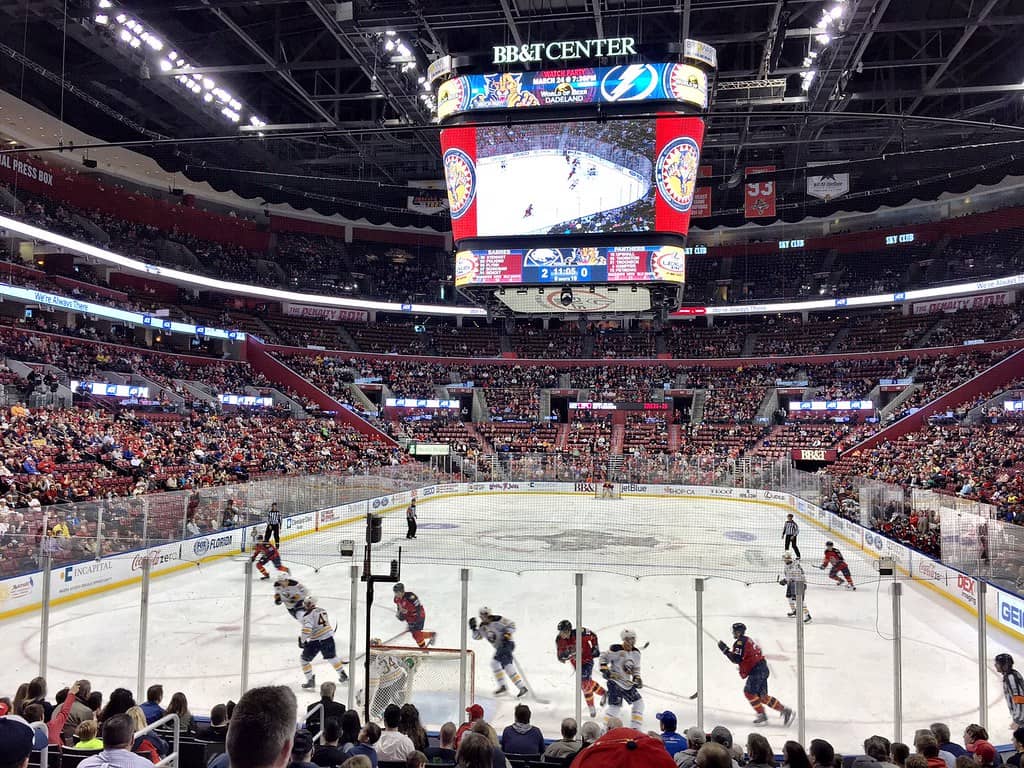
The Lightning opened training camp in September and will face the Florida Panthers in a preseason game, meaning hockey is also underway. For a region that supports three professional franchises plus significant college programs, the Buccaneers' start is one storyline among several rather than the only one.
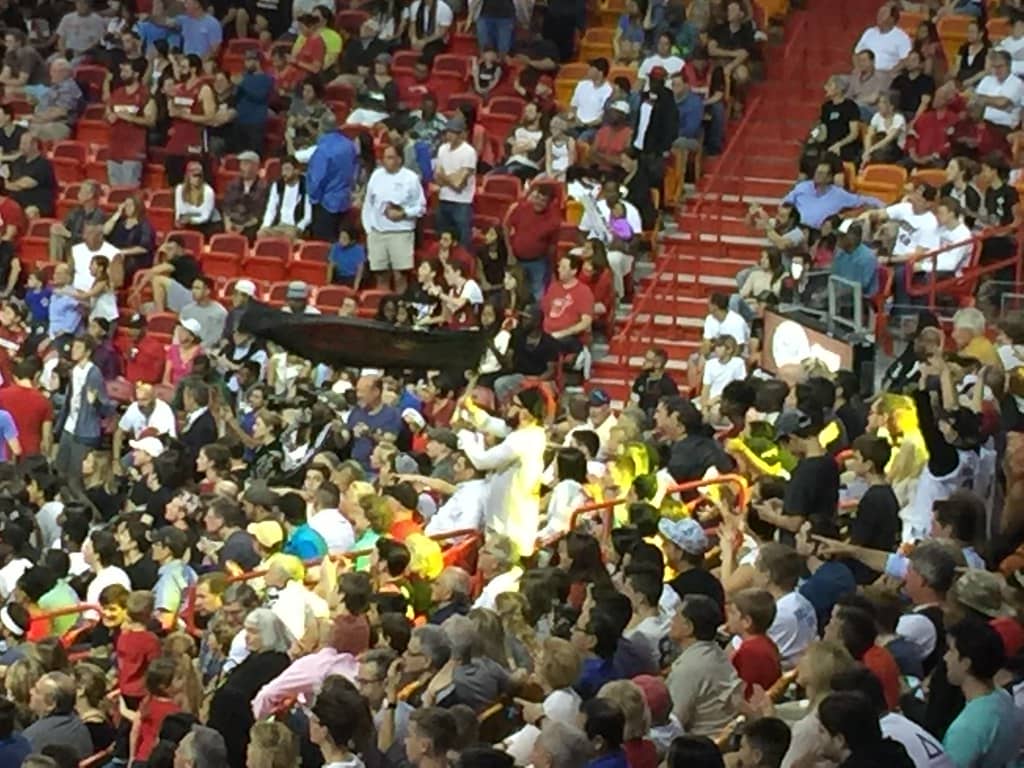
A home crowd at Raymond James Stadium for a 4:05 p.m. September kickoff will bring heat as a factor, historically an advantage for the home side against a team traveling from Minnesota. Whether that translates into anything meaningful depends on whether the game stays close into the fourth quarter.
The broader Florida football picture has not favored the professional teams this fall. Both the Buccaneers and the Dolphins are 0-2, while the state's college programs have opened more successfully, a reversal of the usual autumn dynamic in Florida sports.
The path to a first win
The route for Tampa Bay is narrow but identifiable. Protect the quarterback well enough to avoid the sack totals of the first two weeks, convert red zone trips into touchdowns rather than field goals, and win or draw even the turnover battle against a defense that has been taking the ball away.
None of those requires a change in personnel or scheme. All three are execution items that a team at 0-2 can plausibly improve within a week, which is the argument for optimism in a matchup where the opponent profile is otherwise unfavorable.
Field position will matter more than usual. A team struggling in the red zone benefits from starting drives closer to the opponent's end zone, which puts weight on the return game and on the defense's ability to force punts rather than absorb long drives.
Time of possession is the other lever. Keeping Murray and Jefferson off the field limits the damage Minnesota's offense can do, and a run game that sustains drives serves both that purpose and the protection problem simultaneously.
The standings math
A loss would drop Tampa Bay to 0-3, a record from which playoff qualification becomes statistically difficult. The NFL's expanded playoff field has improved those odds somewhat compared with earlier eras, but 0-3 teams remain long shots to reach January.
A win would put the Buccaneers at 1-2 with the season still open, a materially different position entering the fourth week. The difference between 1-2 and 0-3 is one game in the standings and a substantially larger gap in practical playoff probability.
Division position is the other consideration. Early-season records within a division matter more than the overall record because divisional outcomes determine tiebreakers, and a team that falls behind early in its division has fewer paths to a postseason berth.
Three games is also the point at which coaching staffs and front offices begin making structural decisions about a season, from personnel usage to how aggressively to pursue in-season roster changes.
The NFC South picture
Division standings matter more than overall record in the early season because divisional outcomes determine tiebreakers and because the division winner receives an automatic playoff berth regardless of conference record.
The NFC South has been among the more volatile divisions in recent seasons, with the winner frequently emerging from a crowded field rather than separating early. That volatility is the argument for a team at 0-2 not writing off its season.
Tampa Bay's divisional games remain ahead, and a team that struggles outside its division can still reach the postseason by winning within it. The reverse is also true, which is why early divisional losses are more damaging than early non-conference ones.
Three weeks into a season, the standings reflect a small sample, and clubs that start slowly have recovered often enough that the coaching staff's message to a locker room at 0-2 is not merely rhetorical.
What a season looks like from here
NFL seasons are long enough that a two-game sample tells less than the standings suggest, but they are short enough that the margin for correction narrows quickly. Three weeks in, coaching staffs are still installing and adjusting rather than managing a settled identity.
Tampa Bay's specific problems, turnovers, red zone conversion, protection and tackling, are all execution categories rather than talent categories, which is the more optimistic reading of the start. Execution improves with reps in a way that personnel limitations do not.
The counterargument is that execution problems persisting across two games against different opponents suggest something more structural, whether in scheme fit or in preparation, and that distinction is what Sunday will begin to clarify.
For a franchise with a recent championship in its history, the standard the organization holds itself to is higher than a return to mediocrity, which shapes how quickly patience runs out internally.
What's next
Kickoff is 4:05 p.m. Sunday at Raymond James Stadium, broadcast locally on FOX. Final injury designations for both clubs will be published at the end of the practice week and will clarify which players are available on both lines.
The protection numbers will be the clearest early indicator of whether Tampa Bay has addressed its most visible problem. A first half in which the quarterback is not under consistent pressure would suggest the staff found workable answers.
Red zone performance will be the second. Touchdowns rather than field goals on the first two trips inside the twenty would change the arithmetic of a game against an opponent that has been scoring efficiently.
Beyond Sunday, the season continues regardless of the outcome, but the framing changes sharply depending on which side of 1-2 and 0-3 the Buccaneers land.
Spotted an issue with this article?
Have something to say about this story?
Write a letter to the editor