Dolphins Open the Hafley Era at 0-1 With a Roster Two-Thirds Rebuilt
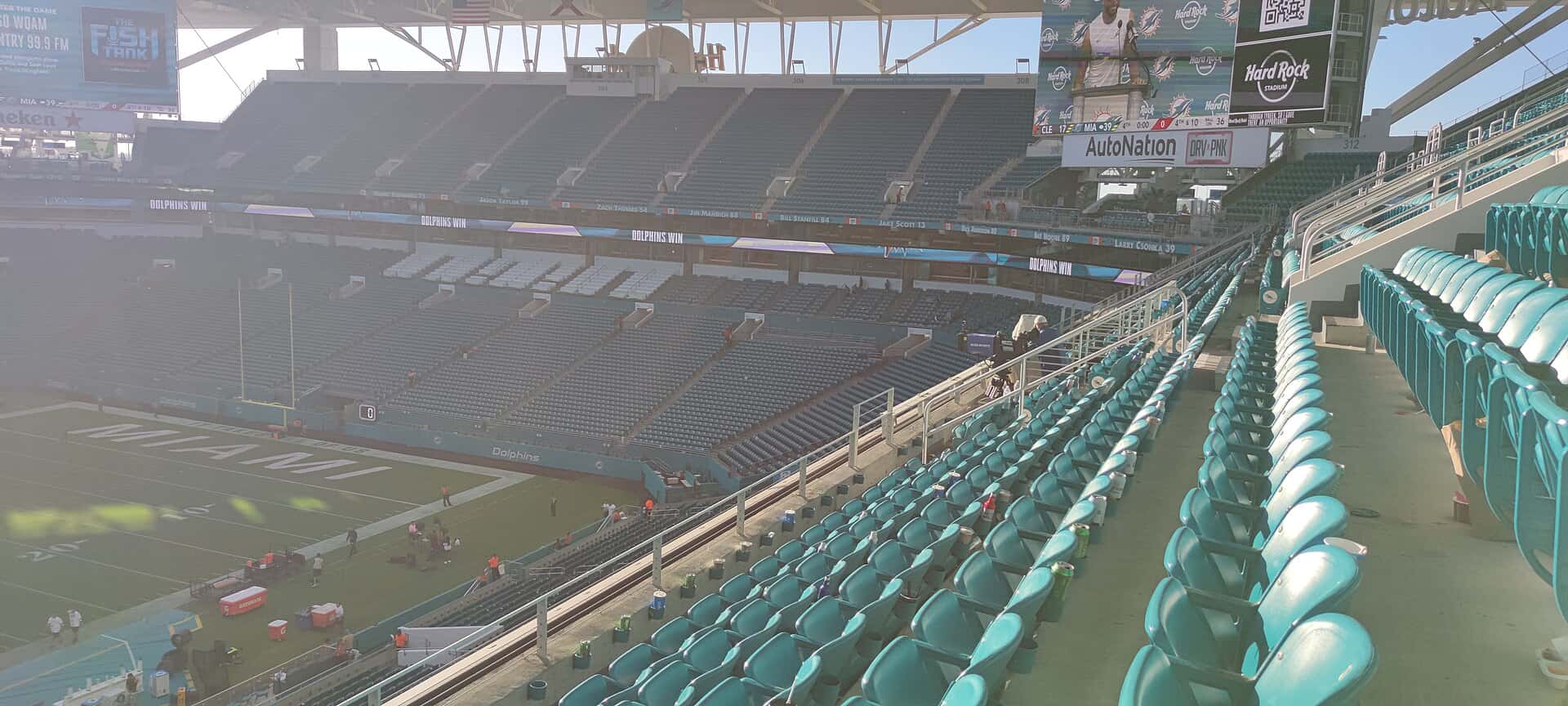
The Miami Dolphins opened the 2026 season with a 27-13 loss to the Las Vegas Raiders, the first game of the Jeff Hafley era and the first regular season result of a roster overhaul that left 35 players on the Week 1 roster who were not active for Miami in Week 1 of 2025. That is roughly two-thirds turnover in a single offseason, a figure that puts the loss in a different category than an ordinary opening week defeat.
Hafley, the former Green Bay Packers defensive coordinator, was hired on January 19, 2026, taking over a franchise that had spent several seasons producing regular season offense without postseason results. The mandate was clearly a reset rather than a tune-up, and the roster reflects it.
For South Florida fans, the immediate question after an opening loss is whether the process is working or whether this is the familiar pattern of a Dolphins season unraveling in September. The honest answer after one game is that neither conclusion is available, but the roster construction tells you what kind of season to expect.
What happened in Las Vegas
Miami fell 27-13, a result that was not close in the way the score suggests. The Dolphins' defensive line struggled, an issue that carried over as a concern into the following week rather than being dismissed as an opening-day anomaly.
Defensive line play is the load-bearing element of the scheme Hafley has run throughout his career. A defense that cannot generate pressure with four rushers has to blitz, and blitzing exposes a secondary that in Miami's case is young and now injured. The chain of consequences from a front that does not win is the most predictable failure mode for this roster.
Hafley addressed the broader situation directly, noting that with the number of rookies Miami is playing there will be good moments and difficult ones, and that the priority is developing those players without damaging their confidence. That is the language of a first-year coach setting expectations for a long season rather than one promising a quick correction.
The turnover number
Thirty-five new players on a 53-man Week 1 roster is an extraordinary figure. NFL rosters churn constantly at the bottom, but turnover of that magnitude means the change reached the middle and in places the top of the depth chart.
Rebuilds of this scale are usually the product of salary cap constraints, a philosophical break with the prior regime, or both. Miami had been operating with significant money committed to a small number of players, a structure that limits depth and makes injuries disproportionately damaging.
The cost of turnover is continuity. Football is a game of coordinated execution across eleven players, and unit chemistry in the secondary and along both lines takes time that a September schedule does not provide. Teams that turn over two-thirds of a roster generally play their worst football in the first month.
The injury situation
The opener produced injuries that compound the depth problem. Rookie safety Kyle Louis sustained an MCL sprain against the Raiders and is expected to miss a few weeks, making him a candidate for injured reserve. Long snapper Tucker Addington sustained a shoulder injury in the same game, which raised the possibility of Miami using a different long snapper against San Francisco.
A long snapper injury sounds minor and is not. The position is one of the few in football where a single poor rep produces an immediate, uncorrectable disaster, and teams that have to replace a snapper midseason frequently sign one off the street with no practice reps with the holder and kicker.
Losing a rookie safety matters for a different reason. Miami is playing young players by design, and each one lost to injury costs both immediate quality and the developmental reps that justify the strategy.
San Francisco next
Miami's Week 2 opponent is the San Francisco 49ers, a matchup that does not favor a team working through defensive line problems and secondary injuries. San Francisco has built its identity around offensive line play and a run scheme that punishes defenses unable to set an edge or win at the point of attack.
The Dolphins have built rosters around speed for most of the past decade, a philosophy that produced explosive offensive results and repeated problems against physical teams in cold or contested conditions. Whether Hafley's rebuild changes that profile is one of the season's central questions, and a game against San Francisco is an early data point.
The realistic framing for a rebuilding team facing a stronger opponent is not the result but the process indicators: does the defensive line generate pressure, do the rookies hold up, and does the team play a clean game in the phases it controls.
What the season is actually for
A roster with 35 new players and a first-year head coach is not constructed to win a division in year one. It is constructed to establish a baseline, evaluate young players under game conditions, and identify which pieces belong in the next competitive roster.
Measured that way, the meaningful outcomes for Miami this season are the development of the rookie class, the establishment of a defensive identity under Hafley, and the accumulation of draft capital position. Wins are useful but secondary.
That framing is easier to state than to accept in a market that has waited a long time for postseason success. Miami has not won a playoff game since the 2000 season, the longest such drought in the NFL, and fan patience for another rebuilding year is understandably limited.
The AFC East picture
Miami sits fourth in the AFC East at 0-1 after the opening weekend. The division has been among the league's more competitive in recent years, and a slow start in a division where the other three teams are established makes a postseason path difficult.
Division games are what decide the AFC East, and Miami's six of them will be the measure of whether the rebuild produces a competitive team by December. Losing to non-division opponents in September is survivable; losing division games is not.
The broader conference picture offers little comfort. The AFC has been deep at quarterback and top-heavy at the top of the standings, which means the wild card bar has been high.
The drought that defines the franchise
Miami has not won a playoff game since the 2000 season. That is the longest active postseason victory drought in the NFL, and it spans a period in which the franchise has cycled through head coaches, quarterbacks, general managers and ownership philosophies without producing a January win.
The drought matters because it shapes how every Dolphins season is evaluated. A team that goes 9-8 and loses in the wild card round has, by the only measure that has eluded the franchise for a quarter century, failed. That pressure has repeatedly pushed the organization toward short-term roster construction at the expense of long-term building.
Hafley's hiring and the accompanying roster turnover represent a decision to stop doing that. Whether ownership and the fan base tolerate the resulting record is the question every rebuild in a demanding market faces.
The franchise's history makes the drought harder to accept. Miami won consecutive Super Bowls in the early 1970s, produced the only perfect season in NFL history, and spent two decades as one of the league's model organizations. That legacy is now three generations of fans removed from anyone's living memory.
What a rebuild looks like in practice
Thirty-five new players means a roster weighted toward rookies and young free agents on short contracts. Those players are cheaper, which creates salary cap flexibility in future seasons, and they are unproven, which creates losses in the current one.
The evaluation question is not whether the team wins in September but whether individual players demonstrate they belong. Coaching staffs in year one of a rebuild are looking for a small number of answers: which offensive linemen can start, which corners can cover, which young pass rushers win one-on-one matchups.
Draft position is the other output. A team that finishes with a poor record selects earlier, and in a quarterback-driven league the difference between picking fourth and picking twelfth can determine the next decade. That reality sits uncomfortably alongside the competitive instinct of everyone involved, which is why coaches never discuss it.
South Florida's market adds a complication. Hard Rock Stadium competes with a saturated entertainment calendar, and a losing team in a transplant-heavy market frequently sees visiting fans fill significant portions of the building. Sustained rebuilding has a revenue cost in Miami that it does not have in smaller, more captive markets.
Hafley's background
Jeff Hafley arrived from Green Bay, where he served as defensive coordinator, and before that spent three seasons as head coach at Boston College. He has also held NFL secondary coaching roles and was co-defensive coordinator at Ohio State.
That resume is defense-first and development-oriented, which aligns with the roster he inherited. Coaches who come from coordinator positions typically retain hands-on involvement with their side of the ball, and Miami's defensive performance is the fairest measure of his first season.
College head coaching experience is relevant here in a way it often is not. A head coach who has managed a roster with constant turnover, heavy reliance on young players, and the need to develop rather than acquire talent has done something structurally similar to what Miami is attempting.
What's next
The immediate tests are San Francisco and the balance of the September schedule, which will establish whether Miami's opener reflected the roster's true level or first-game disorganization that resolves with reps.
Watch the defensive line above everything else. Hafley's scheme depends on it, the opener exposed it, and Miami's ability to fix it through the season will determine whether the defense becomes functional or remains the unit that cost the team the opener.
Watch also the injury report through the week. A team this thin cannot absorb attrition in the secondary, and how Miami handles the long snapper situation against a quality opponent is a small but revealing indicator of organizational preparation.
Spotted an issue with this article?
Have something to say about this story?
Write us a letterComments
No comments yet. Be the first to weigh in.
Related Coverage
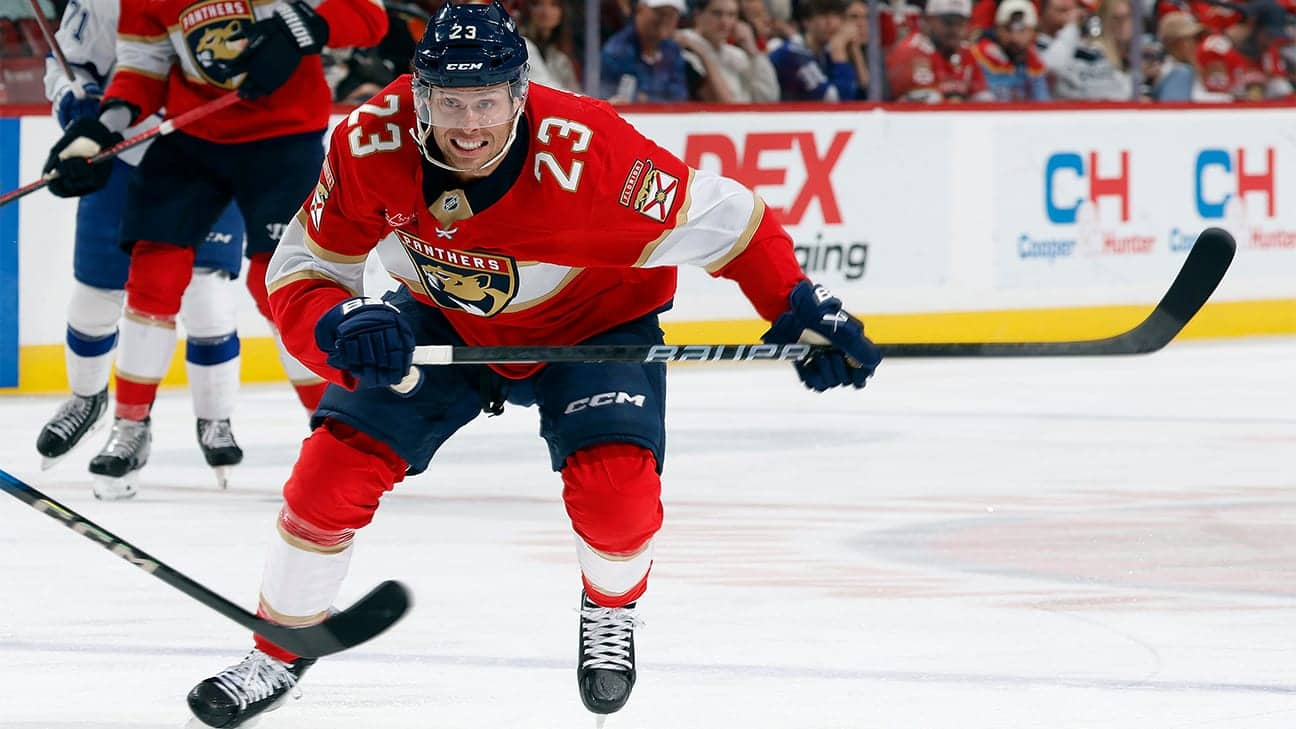
Carter Verhaeghe, Sam Bennett Hat Tricks Power Panthers Past Kraken 8-3 in Record Night
1h ago

Paolo Banchero Scores 24 as Magic Beat Heat 136-115 in Preseason Finale at Kia Center
20h ago
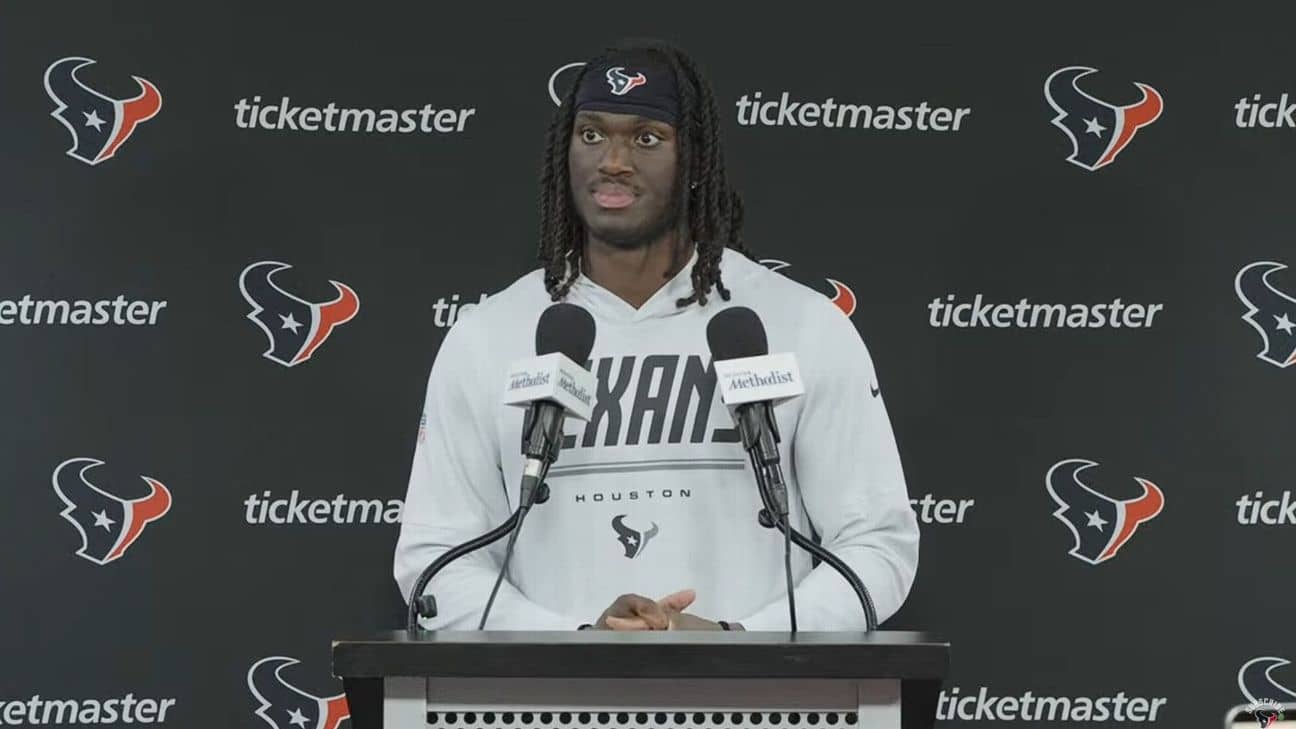
Jaguars Face Texans at Wembley Stadium With Walker Little Replacing Injured Anton Harrison
22h ago

ESPN Handshake Deal Moves College Football Closer to 24-Team Playoff as Miami, Florida Programs Watch
1d ago