After Amendment 3, Florida Cities and Counties Start Budget Triage, From Jacksonville Nonprofits to the Charlotte County Sheriff
Two days after Florida voters approved Amendment 3, cities, counties and sheriffs across the state began working out what the property tax overhaul will cost them. Jacksonville expects to lose $200 million in the 2027-28 budget year, council members there are already talking about cuts to nonprofit funding, and Charlotte County's sheriff says reaching his reduced budget may mean cutting personnel.
The amendment, which passed Tuesday with 62 percent of the vote, raises the homestead exemption on primary homes from $50,000 to $150,000 for 2027 and to $250,000 for 2028. School district taxes are excluded from the larger exemption, so the revenue losses fall on cities, counties and other local taxing authorities. Property appraisers in South Florida, meanwhile, are telling homeowners who already have a homestead exemption that they do not need to do anything to get the bigger break.
The early estimates
Local governments have published or announced their own projections of lost property tax revenue. These figures are estimates at current tax rates and could change depending on how the Legislature implements the amendment:
| Government | First-year loss | Later loss | Source |
|---|---|---|---|
| Miami-Dade County | $385.8 million (Oct. 2027 budget) | $696.7 million a year (Oct. 2028 on) | County estimate |
| City of Jacksonville | $200 million (2027-28) | $300 million (2028-29) | City projection, News4JAX |
| Orange County | $165 million (2027) | $275 million (2028) | County estimate |
| Charlotte County Sheriff's Office | $26 million (2028) | $47 million (2029) | Sheriff Bill Prummell, WINK |
Statewide, Florida TaxWatch has projected that local governments will lose about $4.9 billion in the first budget year, growing to roughly $11.8 billion a year by 2031-32, CBS12 reported.
Jacksonville: nonprofits in the crosshairs
In Jacksonville, the City Council's Finance Committee this week discussed where cuts could come from, and money the city sends to nonprofits quickly became a target. Councilman Rory Diamond said the city could cut all of it "and there's still going to be plenty of money for police and fire," News4JAX reported.
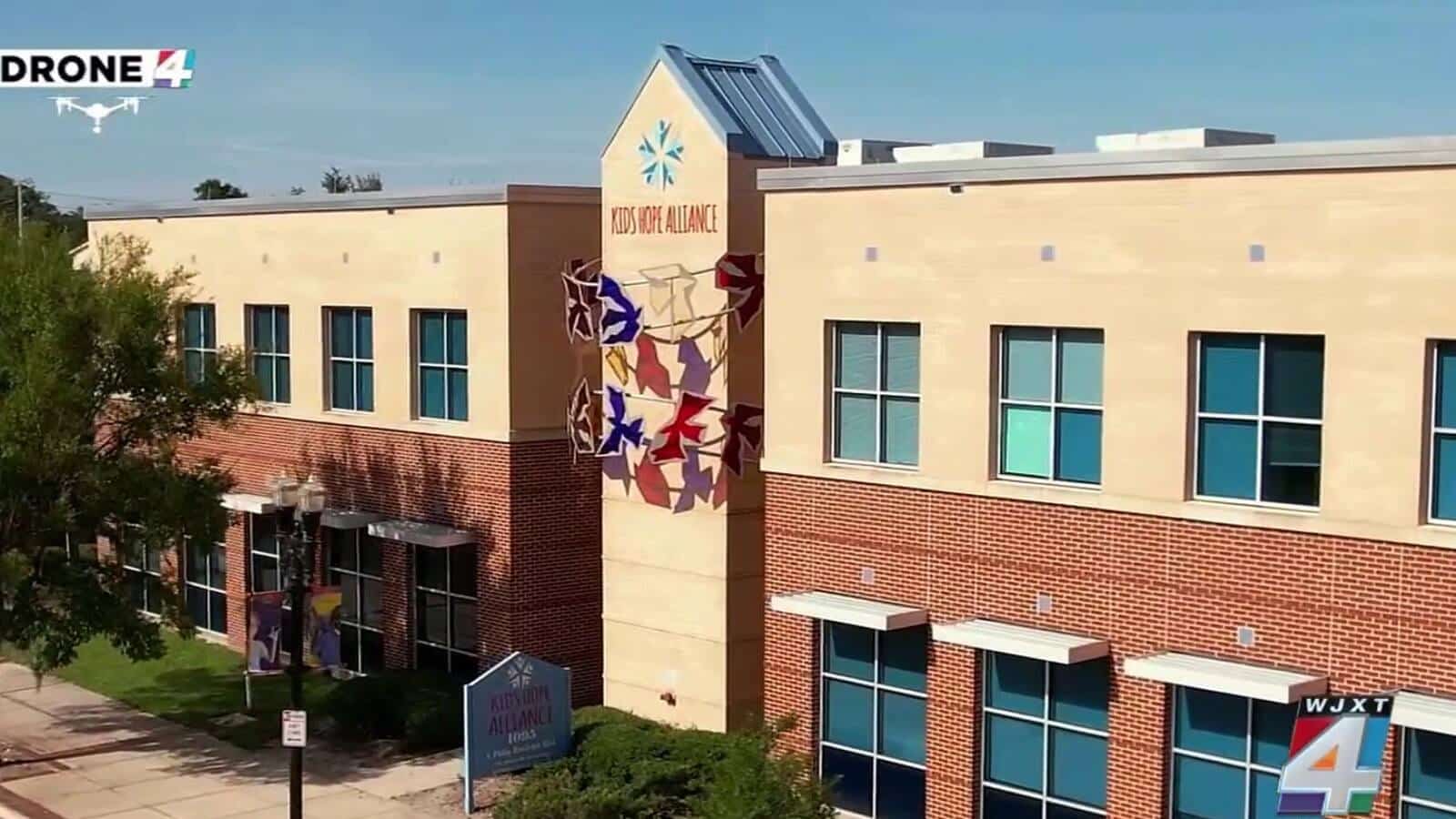
A possible 10 percent cut to the Kids Hope Alliance, the city agency that funds children and family programs and gets most of its money from the city, drew pushback from Councilman Rahman Johnson. The mayor's office said the Kids Hope Alliance is fully funded in the current budget year and will remain so.
Callan Brown, CEO of the Nonprofit Center of Northeast Florida, warned that cuts would have immediate effects and that groups would generally "have to stop serving the same numbers" of people they used to.
Mayor Donna Deegan said cuts are coming but will not be rushed, telling News4JAX it is "not something that we're going to solve in the next 24 or 48 hours." Her office plans to propose a lean, balanced budget in July 2027 that reflects the lower 2027-28 revenue. The full City Council is scheduled to discuss the amendment's budget implications on Tuesday, Nov. 10.
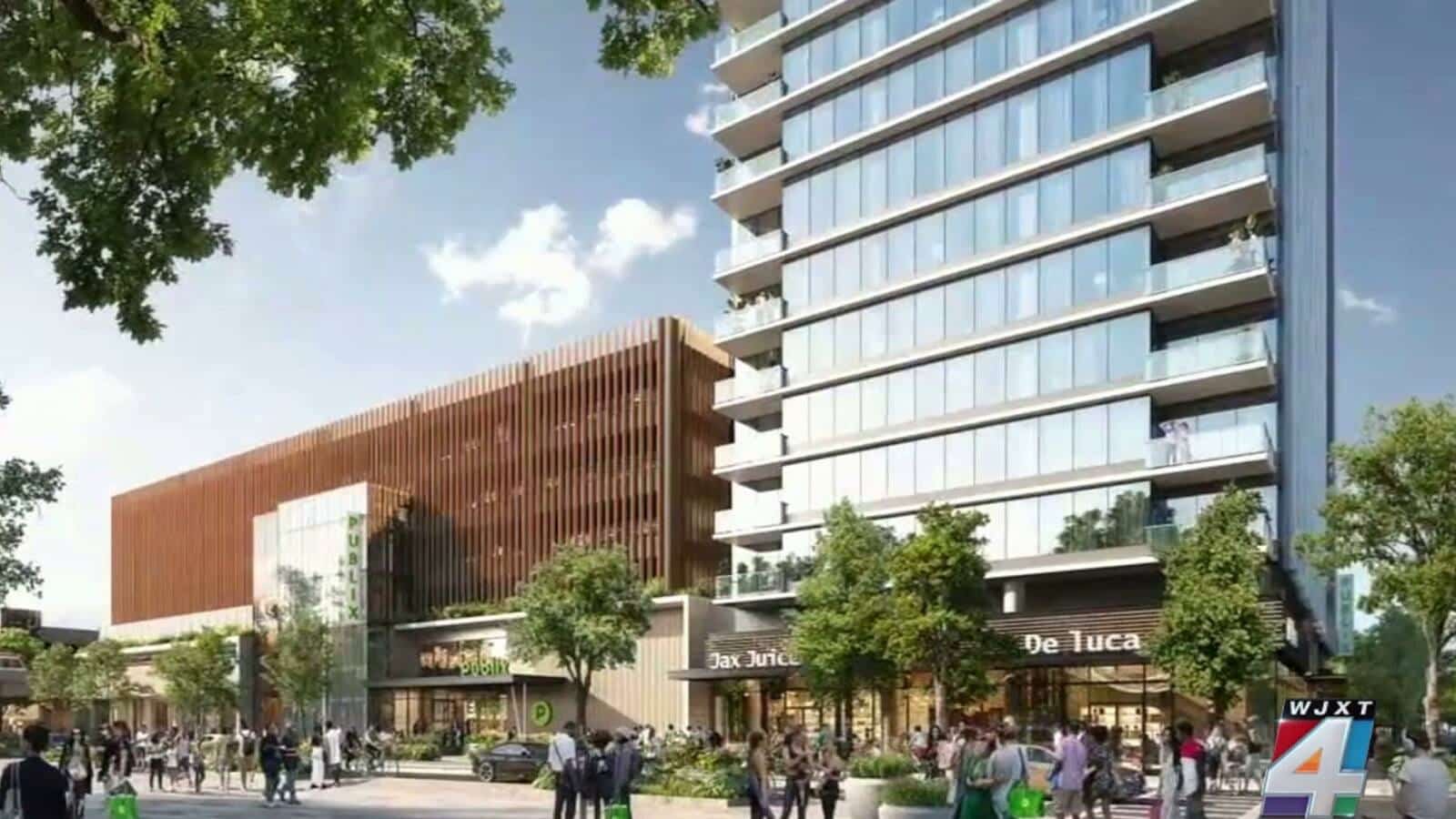
The revenue hit is already shaping other decisions. This week, a council committee deadlocked 3-3 on a $49.65 million incentive for a downtown Publix, with Amendment 3's impact on city revenue part of the debate.
Charlotte County: the sheriff plans for 2028
In Southwest Florida, Charlotte County Sheriff Bill Prummell told WINK News his agency's current budget of more than $141 million will not change, but he is now planning the 2028 budget, which must be completed by May 1, against a projected $26 million loss that grows to $47 million in 2029.
Prummell said staffing is his largest expense and that cutting that much "can only" be done by cutting personnel. Special units such as the traffic unit, patrol response and dispatch staffing could all be affected, and the agency is already holding 60 positions vacant. He said he does not want the department to become a reactive agency.
Prummell, who said he was not surprised by the vote given the rising cost of living, also cautioned residents that a lower property tax may not mean a lower total bill, warning that they may see a new assessment or line item on the same tax bill.
Miami-Dade and Orange: what property taxes pay for
Miami-Dade County's estimate of $385.8 million in the first year, rising to $696.7 million annually once the $250,000 exemption applies, is the largest local figure published so far. The county notes that property taxes fund $743.7 million in Fire Rescue operations, covering 73 stations and 2,533 firefighters, along with $407.1 million for transit and public works, $130.8 million for parks, $128.5 million for libraries and $66.4 million for community services, including 700,000 meals for homebound seniors.
Orange County projects losses of $165 million in 2027 and $275 million in 2028. Of the 2028 figure, $157 million would come from the countywide levy, $72 million from the fire tax and $46 million from the sheriff's tax. Public safety, including Fire Rescue, corrections and the sheriff, accounts for 51 percent of the county's current property tax allocation, or $1.196 billion. The county has noted that the state legislation does not include recurring state money to offset its long-term losses.
Elsewhere, Bay County in the Panhandle expects a loss of about $22 million by 2028 and plans to protect core services like the jail and elections while parks and libraries could face cuts, WJHG reported.
Homeowners: no action needed for most
For homeowners, the message from property appraisers is simpler. Broward County Property Appraiser Marty Kiar told CBS News Miami that existing homesteaders need to take no action, and that their exemption "is going to go from $50,000 to $150,000" automatically. Broward residents should receive a letter in January explaining the change.
Those who do not yet have a homestead exemption face deadlines, according to Kiar and Miami-Dade Property Appraiser Thomas Regalado:
| Date | What it means |
|---|---|
| Dec. 31, 2026 | New residents must establish Florida residency to get the larger exemption without a five-year wait |
| Jan. 1, 2027 | Home must be the owner's primary residence to qualify for 2027 |
| March 2027 | File for the exemption in Miami-Dade so it shows on the fall tax bill |
| September 2027 | Late filing extension available, according to both appraisers |
Newcomers who miss the Dec. 31 residency deadline start with the existing $50,000 exemption and receive the larger one in their fifth year, according to Miami-Dade County.
Florida's other new property tax law
Amendment 3 is not the only change local governments are adjusting to. SB 4-F, a bill passed in this year's property tax special session and signed by Gov. Ron DeSantis, changes how local governments calculate the highest tax rate they can adopt by simple majority vote, WKMG reported. It removes the adjustment that let the so-called rolled-back rate rise with Florida's per-capita income growth.
Under SB 4-F, a rate up to 110 percent of the rolled-back rate requires a two-thirds vote of the governing board. A rate above that requires a unanimous vote, a three-fourths vote on larger boards, or approval by voters in a referendum. The law took effect when signed and does not change the state constitution. State officials say it should lower the base tax rate in many areas and make it harder to raise property taxes without broad support.
A separate law, HB 1329, takes effect Jan. 1, 2027. It requires local governments to post tentative and final budgets online with downloadable details for the proposed year, the current year and the previous four years, and requires budget officers to conduct a budget-cutting exercise at least 14 days before final adoption.
What's next
Much depends on the special session DeSantis says he will call before his term ends in early January. He has said lawmakers will set a schedule for future exemption increases and limit local governments from what he called "an end run around the amendment" through new fees or taxes. He has also called for a pool of state money to help local governments, particularly small rural counties, though no amount has been proposed.
In the meantime, local budget calendars are already moving: Jacksonville's council takes up the issue Nov. 10, the Charlotte County sheriff's 2028 budget is due May 1, and most cities and counties will build their first post-Amendment 3 budgets next summer for the fiscal year that begins Oct. 1, 2027.
Spotted an issue with this article?
Have something to say about this story?
Write us a letterComments
No comments yet. Be the first to weigh in.
Related Coverage

Kraft Heinz Sells Its Coffee Business, Including Jacksonville's Maxwell House Plant, to One Rock Capital in $650 Million Deal
18h ago
Jacksonville's $49.65 Million Downtown Publix Incentive Stalls on a 3-3 Committee Tie as Amendment 3 Cuts Into City Revenue
20h ago
Tampa Eyes 9% Water and Sewer Rate Hike for City Residents as New State Law Threatens $28 Million
2d ago

JTA Eliminates Four Bus Routes, Adds Route 34 and Cuts Weekday Service as Jacksonville Changes Take Effect
3d ago