Four Turnovers Sink Buccaneers in 33-27 Loss at Cincinnati
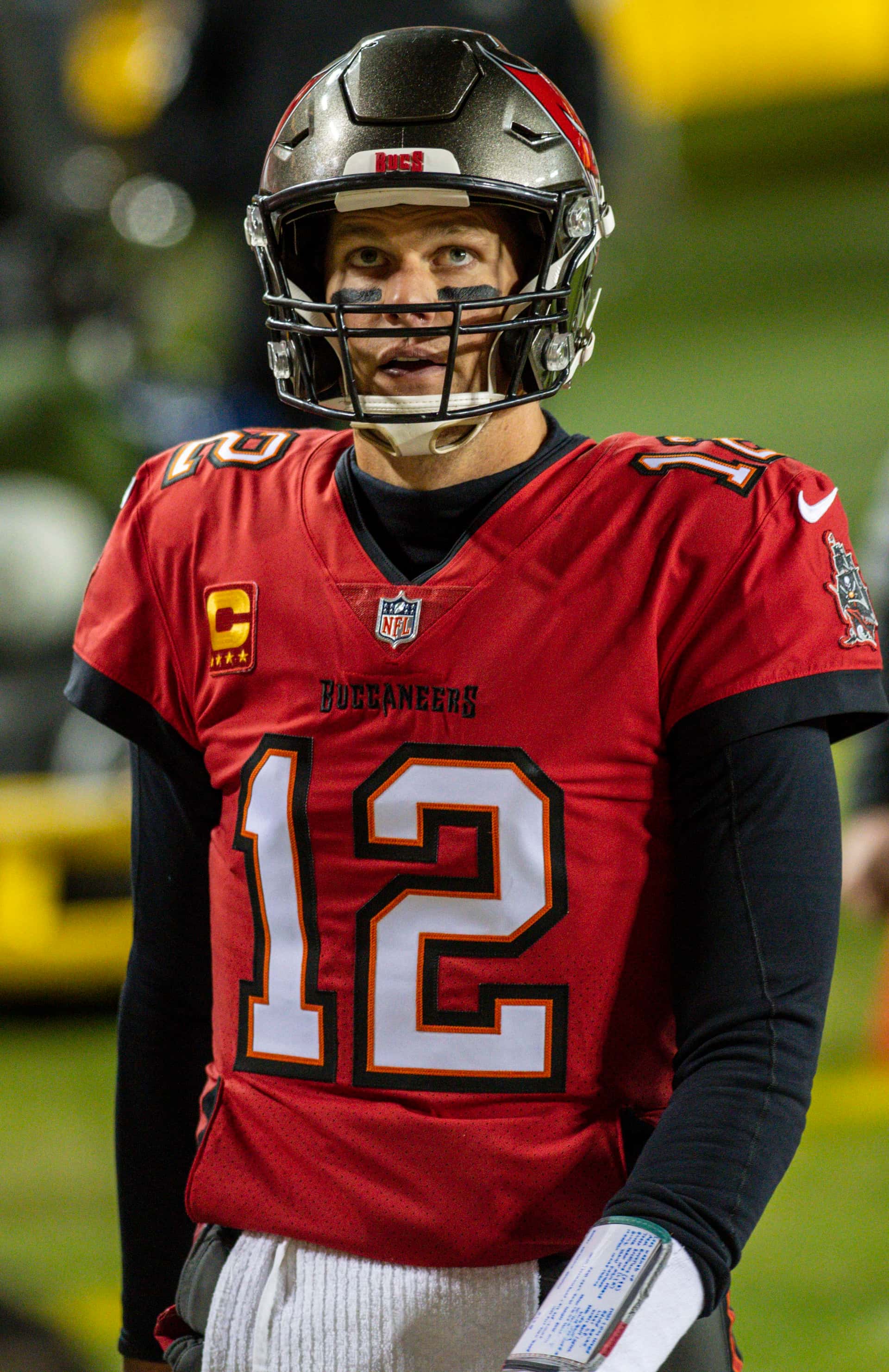
The Tampa Bay Buccaneers opened the 2026 season with a 33-27 loss at Cincinnati on Sunday, a game decided almost entirely by a four-turnover stretch that handed the Bengals the points they needed before the first half was complete. Tampa Bay scored on its opening possession with a field goal, then turned the ball over on each of its next three drives, and Cincinnati converted all three into touchdowns.
The Bengals defense forced four turnovers on the afternoon, including a fumble returned for a touchdown, which the team noted was its first defensive fumble return score since 2022. That sequence produced a deficit the Buccaneers spent the remainder of the game working against.
Tampa Bay's 27 points indicate an offense that eventually found its footing. The problem was that the points arrived after the damage was done, and the Buccaneers ran out of possessions before they ran out of ability to move the ball.
How the game turned
The opening drive suggested a different afternoon. Tampa Bay moved the ball into scoring position and came away with three points, establishing early that it could sustain a drive against the Cincinnati defense.
What followed undid it. Three consecutive possessions ended in giveaways, and Cincinnati's offense started each subsequent drive in favorable field position or, in the case of the fumble return, did not need to take the field at all. Converting three turnovers into three touchdowns represents close to the maximum damage a defense can inflict in that span.
Turnover-driven losses occupy a particular category in football analysis because they are both decisive and unstable. Turnover margin correlates strongly with winning individual games but regresses substantially over a season, which means a four-turnover afternoon in Week 1 is not usually a reliable indicator of how a team will perform in November.
The comeback that fell short
Tampa Bay's 27 points against a Bengals defense that had just forced four turnovers reflects genuine offensive capability. The Buccaneers moved the ball effectively once the giveaways stopped, and the six-point final margin flattered a game that had been more lopsided at its midpoint.
That pattern creates an awkward evaluation. A team that loses by six after spotting an opponent three defensive touchdowns has demonstrated something about its offense, but it has also demonstrated something about ball security that no amount of late production offsets.
Coaching staffs typically treat turnovers as correctable in a way that other deficiencies are not. Ball security is coachable, and teams that clean it up generally see immediate improvement in results.
The NFC South picture
Tampa Bay has been the most consistent team in its division in recent seasons, and the NFC South has generally been among the league's more winnable divisions. That context cuts both ways for the Buccaneers.
A Week 1 loss to an AFC opponent does not affect division standing or NFC tiebreakers. Cincinnati is a cross-conference opponent, which means the loss costs Tampa Bay a game in the standings without the compounding effect a division defeat carries.
The Buccaneers will need to establish position within their division over the coming weeks, and the schedule structure gives them opportunities. Teams that win their division reach the postseason regardless of overall record, and in a division that has produced modest win totals at the top, Tampa Bay's path remains open.
What Tampa Bay needs to address
Ball security leads the list by a wide margin. Four turnovers in a single game is an outlier, and the coaching staff will work through the film to determine whether the giveaways shared a common cause, such as protection breakdowns or pressure-induced decisions, or whether they were independent errors.
The distinction matters. Independent errors tend to correct themselves. Turnovers stemming from a structural problem, such as an offensive line unable to hold up against interior pressure, require a different response.
Defensively, allowing 33 points is concerning on its face, but a substantial share came from short fields and one score came from the defense's own unit being off the field entirely. Evaluating the Tampa Bay defense from this game requires separating what it allowed on normal possessions from what the turnovers produced.
What it means for Tampa Bay fans
Raymond James Stadium hosts a fan base that has experienced both the franchise's championship periods and its long stretches in between. Expectations entering 2026 were reasonable rather than extravagant, built on the assumption that the team would compete in its division.
Nothing about Sunday changes that assessment materially. A turnover-driven road loss in Week 1 is among the least informative results in football, and Buccaneers supporters have reason to treat it as such.
The Tampa Bay sports calendar is unusually full at the moment. The Rays clinched a playoff berth on September 11, becoming the first Major League Baseball team to secure a postseason spot this year, and the Lightning are approaching the start of their season. Football is one of several things occupying the region's attention.
Why turnover margin regresses
Football analysts treat turnover margin as one of the least stable statistics in the sport, and the reason matters for evaluating Tampa Bay's opener.
Fumble recovery in particular is close to random. Which team falls on a loose ball is determined largely by bounce and positioning rather than by skill, and teams that recover a high percentage in one stretch typically regress toward an even split over larger samples.
Interceptions are somewhat more stable, since quarterback decision-making and accuracy contribute, but even there year-to-year correlation is weaker than for most passing statistics. Dropped interceptions and tipped balls introduce substantial noise.
The practical implication is that a four-turnover game says less about a team's quality than the score suggests. What it does say is that Tampa Bay put itself in position for variance to punish it, through pressure allowed and decisions made under it.
What Cincinnati did
The Bengals defense entered the season having been reworked, and forcing four turnovers in an opener represents the kind of result a retooled unit hopes to produce to establish identity.
The fumble return touchdown carried particular significance for Cincinnati, noted as the unit's first since 2022. Defensive scores are rare enough that they frequently decide games on their own.
For Tampa Bay's evaluation, the question is whether Cincinnati's pressure was schematically unusual or whether it exploited a vulnerability other opponents will also find. That distinction determines whether the correction is a matter of cleaning up execution or of adjusting protection.
The Florida NFL picture
Week 1 produced a split among the state's three teams, with Jacksonville winning decisively and Miami and Tampa Bay both losing.
Florida's three franchises occupy different competitive positions and different divisions, which means they rarely rise and fall together. The state has gone stretches with all three struggling and stretches with two contending simultaneously.
For Tampa Bay specifically, the franchise has been the most consistently competitive of the three in recent seasons, and expectations reflect that. A Week 1 loss does not alter the assessment that the Buccaneers should contend in their division.
Raymond James and the home stretch
Tampa Bay's home venue has been among the more distinctive in the league since it opened, and the franchise has generally performed better there than on the road, a pattern common across the NFL but pronounced in warm-weather markets during the early season.
Heat and humidity in Tampa through September and October affect visiting teams that train in cooler conditions, and conditioning differentials become visible in the second half. The Buccaneers structure their preparation around that reality.
The stadium has also hosted major events beyond Buccaneers football, including Super Bowls and college football championship games, and the surrounding district has developed considerably.
For a team that opened on the road, establishing early home results is the practical priority in the coming weeks.
What the coaching staff evaluates
Film review after a turnover-driven loss focuses on a narrow set of questions, and the answers determine how much changes.
The first question is whether the giveaways shared a cause. Four turnovers produced by four different failures, a strip sack, a tipped pass, a mishandled exchange and a contested catch, point toward variance. Four produced by the same breakdown point toward a structural issue.
The second question concerns down and distance. Turnovers occurring in obvious passing situations suggest the offense was behind schedule, which traces back to first and second down production rather than to the plays where the giveaways happened.
The third question is personnel. Whether the same players were involved in multiple turnovers affects both the diagnosis and the response.
Coaching staffs generally resist wholesale changes after one game, particularly when the underlying yardage production was adequate. Tampa Bay scored 27 points against a defense playing with a lead, which is evidence the offense functions.
Where the season goes from here
Seventeen games provide substantial room for recovery, and the historical record shows teams opening 0-1 reaching the postseason every year without exception in the modern format.
Tampa Bay's specific advantage is a division that has not produced a dominant team in recent seasons. Winning the NFC South has at times required win totals that would miss the playoffs in stronger divisions, which keeps the path open even after an imperfect start.
The immediate benchmark is the next several weeks. A team that cleans up ball security and wins its divisional games will be positioned regardless of the opener.
What's next
The Buccaneers return to preparation with a clear and specific priority. Turnover correction is among the more tractable problems a coaching staff can address in a single week, and improvement in that area alone would have changed Sunday's outcome.
Injury reports through the week will indicate whether Tampa Bay came out of the opener at full strength. Week 1 often produces attrition that shapes availability for the following game.
Elsewhere in Florida, the Jacksonville Jaguars opened with a 34-10 win over Cleveland, and the Miami Dolphins lost 27-13 to Las Vegas. Jacksonville stands alone among the state's three NFL teams with a Week 1 victory.
Spotted an issue with this article?
Have something to say about this story?
Write us a letterComments
No comments yet. Be the first to weigh in.
Related Coverage

Lars Eller's First Goal as a Panther Lifts Florida Past Blackhawks 3-2, Snapping Two-Game Skid
12h ago
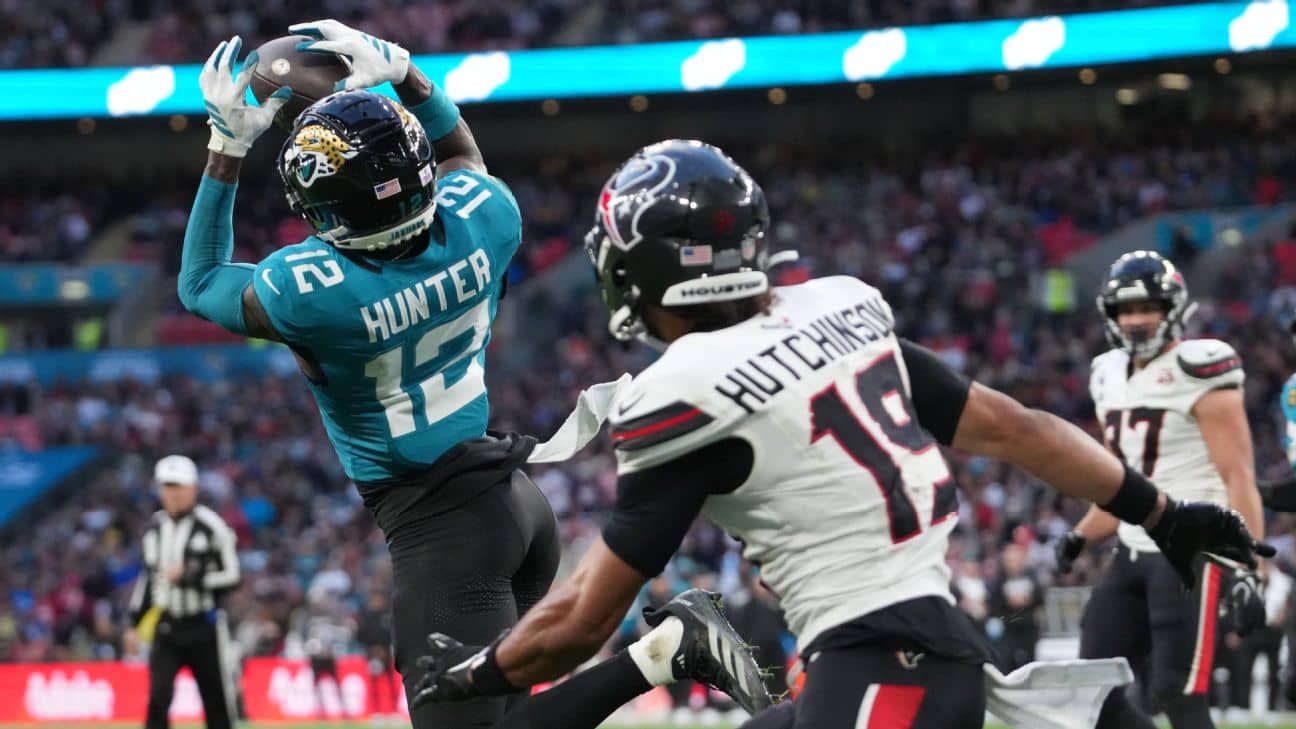
Gators Rise to No. 17 in AP Poll During Bye Week, Face No. 3 Georgia in Atlanta as Double-Digit Underdogs
12h ago
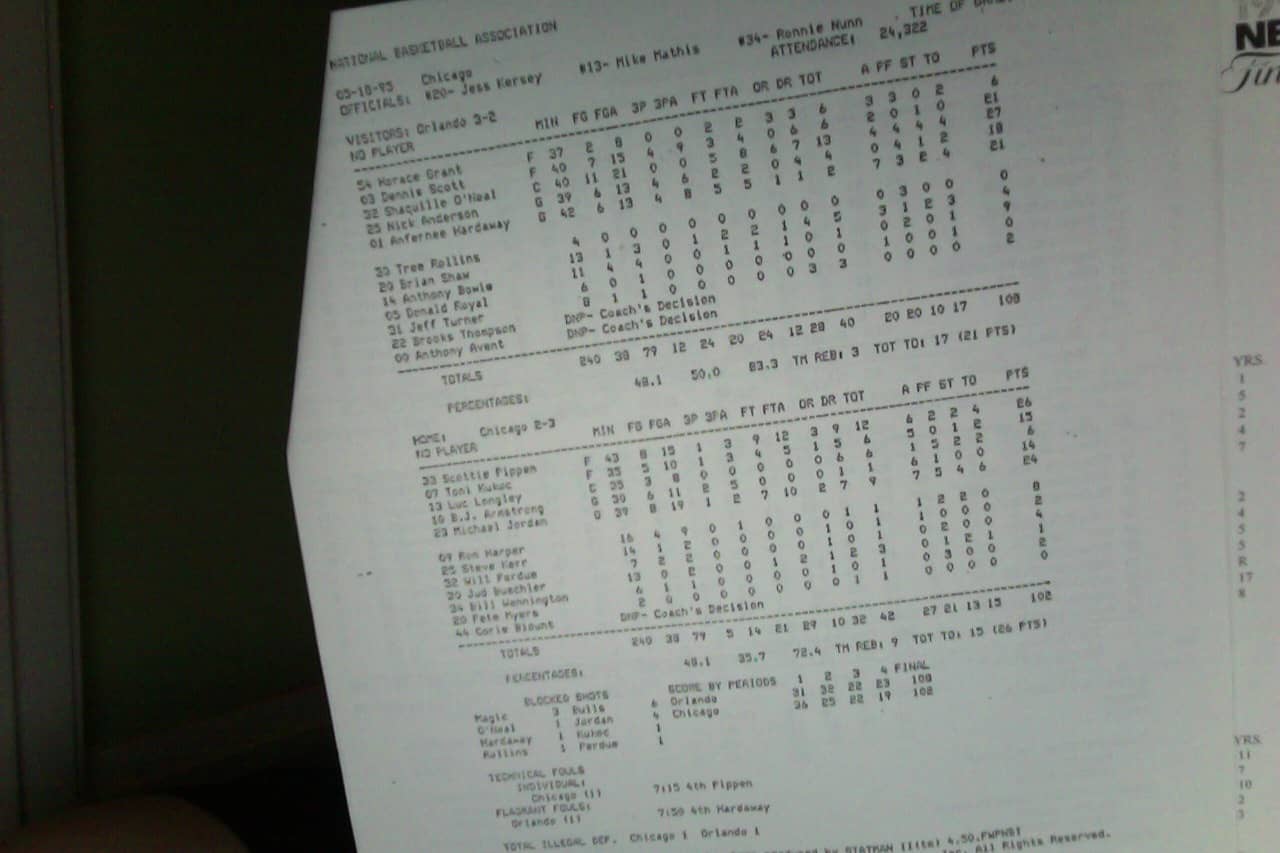
Franz Wagner Scores 21 in the Fourth as Magic Rally Past Defending Champion Knicks 111-102 for First Win
13h ago
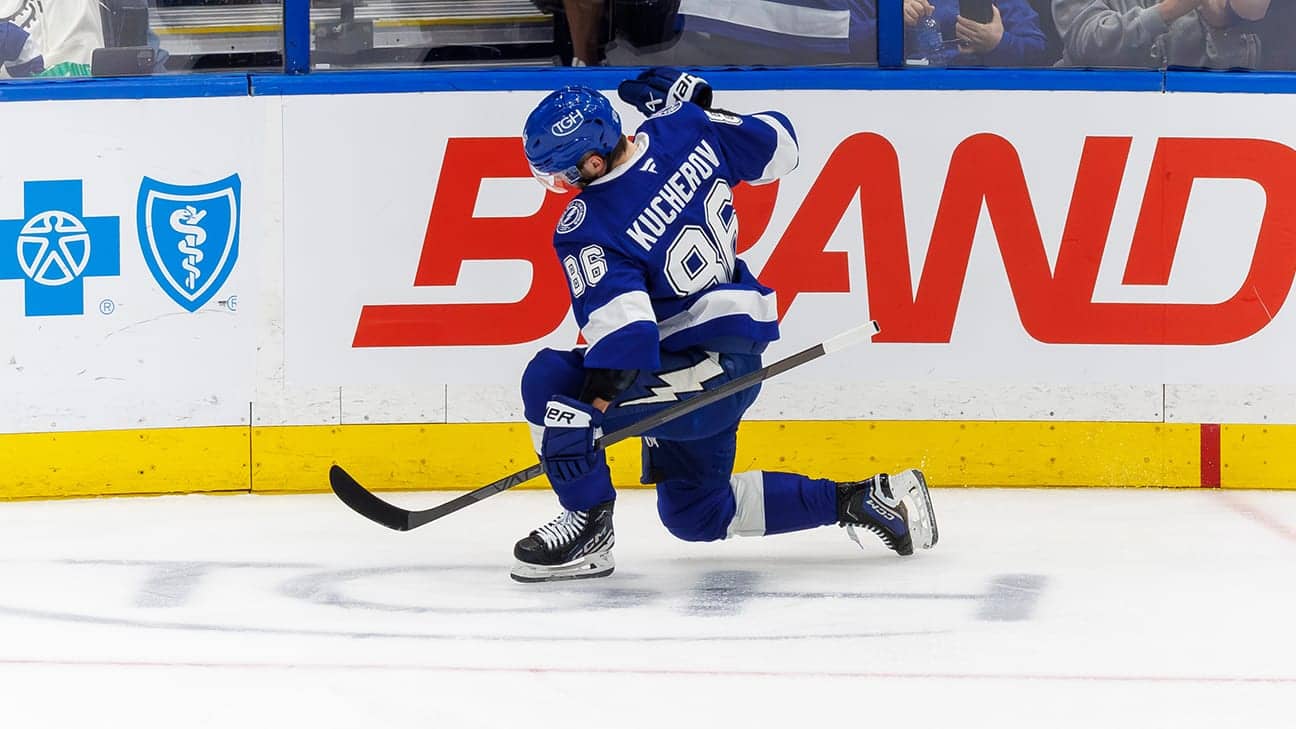
Nikita Kucherov Passes Steven Stamkos as Lightning's All-Time Points Leader in OT Loss to Mammoth
1d ago