Dengue Warnings Spread to Central Florida as Orange, Polk Confirm Local Cases
Dengue fever is no longer only a Tampa Bay problem. Health officials in Orange and Polk counties have issued mosquito-borne illness warnings after confirming locally acquired dengue cases, a sign that Florida's 2026 outbreak is reaching into Central Florida as the state's case count climbs toward 200.
The Florida Department of Health in Orange County elevated its mosquito-borne illness advisory to an alert on Friday, Sept. 18, after confirming two more patients with locally acquired dengue. It is the first time the department has issued a mosquito-borne illness alert in Orange County since 2011, when West Nile virus prompted the last one. Six days later, on Sept. 24, the Florida Department of Health in Polk County issued its own advisory after confirming a human case of locally acquired dengue.
What health officials have confirmed in Orange County
According to reporting on the Orange County alert, the two most recent patients were identified in Apopka, in the northwest part of the county. Earlier in September, the health department was notified of a locally acquired case in Pine Hills, west of downtown Orlando. That first case prompted the department to update its existing advisory on Sept. 2.
Orange County government said in a September release that a second locally acquired case had been detected, and the state's weekly surveillance data later listed three locally acquired cases in the county. A case is considered locally acquired when the patient did not travel to an area where dengue is common, which means the person was most likely infected by a mosquito in Florida.
The county was already on watch for mosquito-borne disease before dengue appeared. In August, Orange County Mosquito Control detected West Nile virus in the area, which led to an earlier advisory. The upgrade to an alert reflects a higher level of concern, and it is meant to prompt residents to take precautions more seriously and to support stepped-up mosquito control in affected neighborhoods.
Polk County and the Space Coast
The Polk County advisory, announced Sept. 24, told residents that the health department had confirmed a human case of locally acquired dengue in the county. The department asked residents to take steps to reduce mosquito breeding around their homes and to protect themselves from bites while local mosquito control crews work to limit further transmission.
On the Space Coast, the Florida Department of Health in Brevard County issued a mosquito-borne illness advisory in early September after several sentinel chickens tested positive for West Nile virus. Sentinel chickens are kept in flocks around the state and tested regularly for antibodies, which gives officials an early signal that a virus is circulating among mosquitoes and birds before human cases appear.
Taken together, the warnings mean that much of Central Florida is now under some level of mosquito-borne illness notice heading into October, when warm temperatures and lingering rain can keep mosquito populations active.
How Central Florida fits into the statewide outbreak
Florida's 2026 dengue season is the most intense the state has seen in years. The Florida Department of Health's weekly arbovirus surveillance report for Sept. 13 to 19 counted 190 cases of locally acquired dengue so far in 2026, including 38 new cases added that week. Hillsborough County accounted for 170 of those cases, or nearly nine in 10.
The same report listed seven locally acquired cases in Miami-Dade, seven in Pinellas, three in Orange and two in Pasco, along with a case in Palm Beach County. By onset date, 21 cases began in July, 139 in August and 30 in September. Polk's case, announced after that reporting period closed, is expected to appear in a later weekly update.
The outbreak has already been deadly. Earlier in September, a Hillsborough County woman died of dengue fever, the first known death from the disease in Florida this year. Hillsborough and Pinellas counties declared local states of emergency on Sept. 24, one day after neighboring Pasco County did the same, to speed up mosquito control efforts. Crews in Tampa have used low-flying helicopters to spray neighborhoods including South Tampa, East Tampa, Seminole Heights, Bloomingdale and Riverview.
Public health experts note that Central Florida has many of the same conditions that allowed dengue to spread in Tampa Bay: dense suburban neighborhoods, abundant standing water after summer rains and a large number of travelers arriving from places where dengue is common. That combination is why a handful of local cases in Orange and Polk is drawing close attention.
Local dengue transmission is not new to Florida, but it has grown more frequent. An outbreak in Key West in 2009 and 2010 marked the return of locally acquired dengue to the state after decades without it, and since then the state has recorded local cases in most years, concentrated largely in Miami-Dade County. In 2024, Florida's count of locally acquired cases reached into the dozens. This year's total of 190 by mid-September, and the concentration of those cases on the west coast, is a significant departure from that pattern.
What dengue is and how it spreads
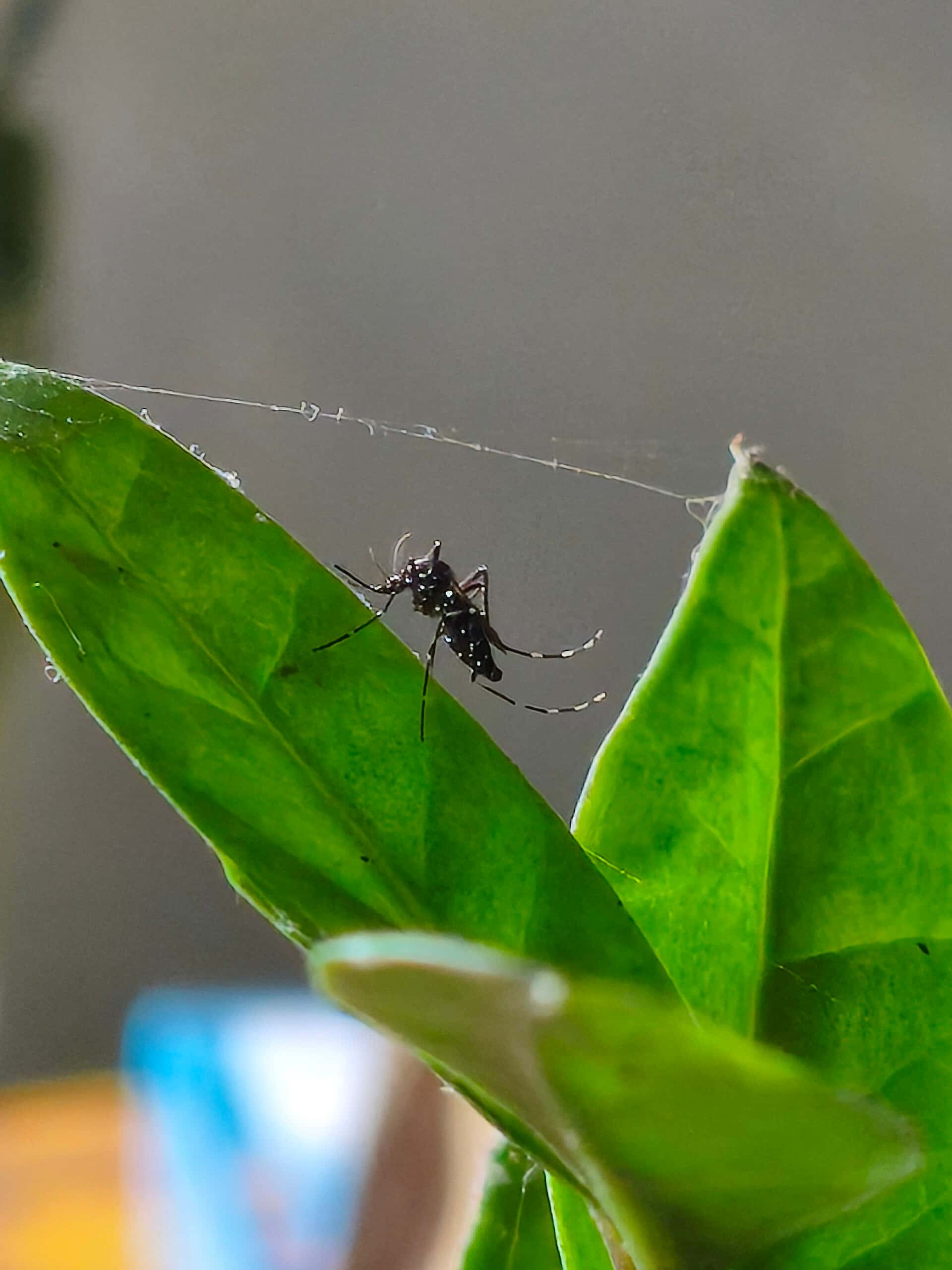
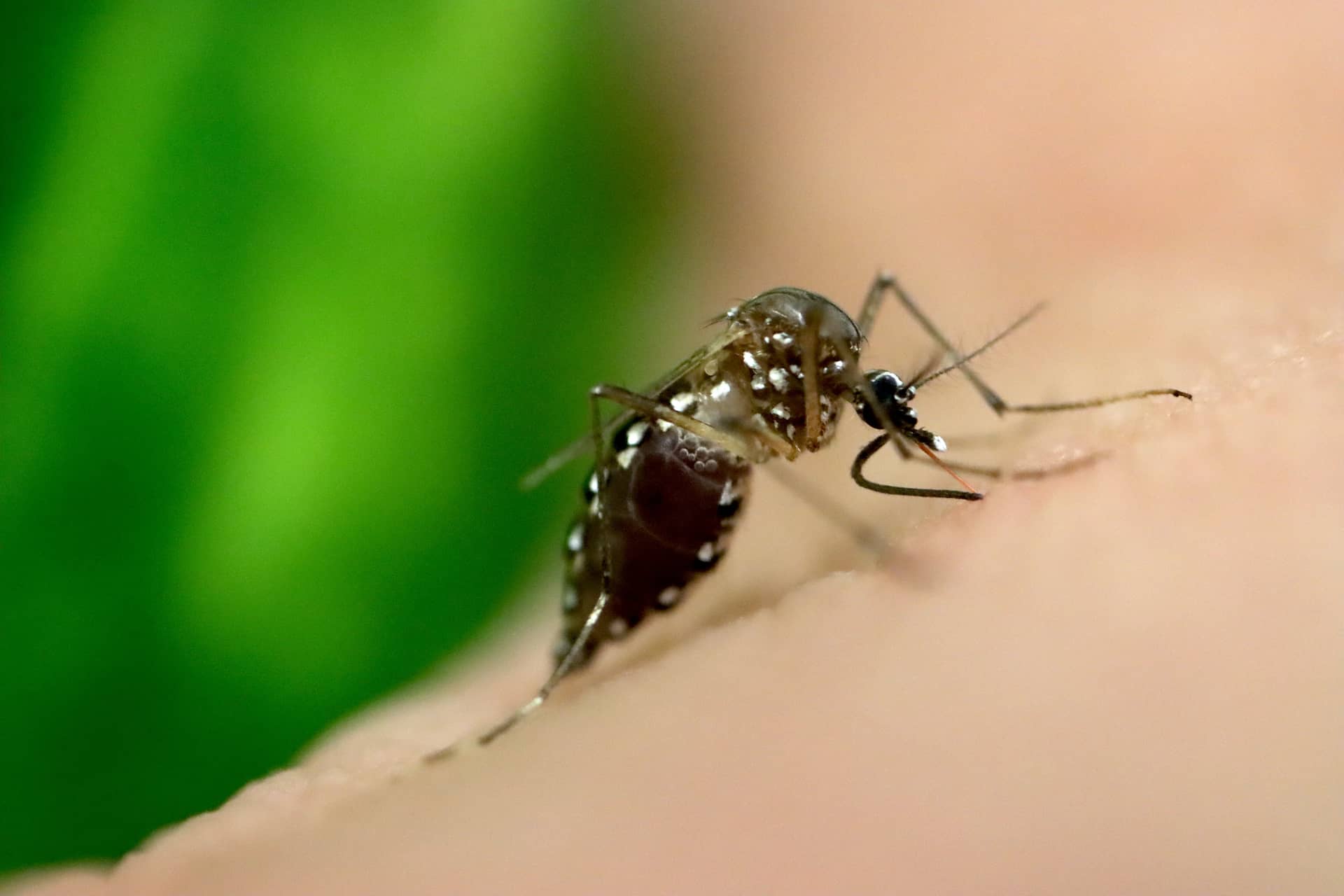
Dengue is a viral illness spread mainly by the Aedes aegypti mosquito, and to a lesser degree by the Asian tiger mosquito, Aedes albopictus. Both species are common in Florida. Unlike many mosquitoes that bite mostly at dusk, Aedes aegypti often bites during the day, and it lives close to people, laying eggs in small containers of water such as flowerpot saucers, buckets, birdbaths, clogged gutters and discarded tires.
The virus does not spread directly from person to person in everyday contact. Instead, a mosquito bites an infected person, picks up the virus and can then pass it to the next person it bites. That is why a single imported case from a traveler can seed local transmission when mosquito populations are high.
Many people infected with dengue have mild symptoms or none at all. Others develop high fever, severe headache, pain behind the eyes, muscle and joint pain, nausea, vomiting and rash, typically within about two weeks of being bitten. A small share of patients develop severe dengue, which can cause bleeding, plasma leakage and shock. People who have had dengue before face a higher risk of severe illness if they are infected again with a different type of the virus.
Warning signs of severe dengue include intense abdominal pain, persistent vomiting, bleeding from the gums or nose, blood in vomit or stool, and extreme fatigue or restlessness. Health officials urge anyone with those symptoms to seek emergency care right away. There is no specific antiviral treatment for dengue, so care focuses on managing symptoms, staying hydrated and monitoring for complications. Patients are generally advised to avoid aspirin and ibuprofen, which can raise bleeding risk, unless a doctor directs otherwise.
Drain and cover: what residents are asked to do
The Florida Department of Health's standard guidance during mosquito-borne illness advisories and alerts centers on two steps, draining standing water and covering skin. County health departments in Orange, Polk and Brevard have echoed that advice.
- Drain water from garbage cans, buckets, pool covers, coolers, toys, flowerpots and any other containers where rain or sprinkler water collects, and do it at least once a week.
- Empty and clean birdbaths and pet water bowls at least once or twice a week.
- Protect boats and vehicles from rain with tarps that do not hold water, and keep pools properly chlorinated.
- Wear shoes, socks, long pants and long sleeves when outdoors in areas where mosquitoes are active.
- Apply an EPA-registered repellent containing ingredients such as DEET, picaridin, oil of lemon eucalyptus or IR3535, following label directions, especially for children.
- Repair broken screens on windows, doors, porches and patios.
Because Aedes mosquitoes breed in such small amounts of water, officials say the work done by individual households can matter as much as spraying. A bottle cap of water can be enough for mosquito larvae to develop, so a thorough walk around the yard after each rain is one of the most effective steps a resident can take.
County mosquito control programs typically respond to a confirmed case by inspecting the neighborhood around the patient's home, treating standing water with larvicides that kill immature mosquitoes and spraying for adult mosquitoes where needed. Those crews often go door to door, and officials ask residents to allow inspectors onto their property when requested, since backyard containers are among the most common breeding sites for Aedes mosquitoes.
What doctors and travelers should know
Health officials encourage people who develop a fever after spending time outdoors in affected areas to tell their health care provider, even if they have not traveled. Doctors are asked to consider dengue in patients with compatible symptoms and to report suspected cases promptly so local mosquito control can respond around the patient's home.
People who are sick with dengue are also asked to avoid mosquito bites for the first week of illness. During that period the virus can be present in the blood, and a mosquito that bites an infected person can carry the virus to others in the neighborhood.
Travelers remain an important part of the picture. Dengue is common across much of Latin America and the Caribbean, and Central Florida's airports and attractions draw large numbers of visitors from those regions. Residents returning from trips to places with ongoing dengue transmission are advised to use repellent for several weeks after returning home to avoid passing an infection to local mosquitoes.
What's next
The Florida Department of Health publishes its arbovirus surveillance report weekly, and the next updates will show whether cases in Orange and Polk remain isolated or begin to cluster. Officials will also be watching whether the Hillsborough, Pinellas and Pasco emergency declarations, which last seven days unless extended, are renewed as the Tampa Bay outbreak continues.
Mosquito activity in Florida usually tapers off as temperatures cool later in the fall, but that decline can be slow in Central and South Florida. Until it comes, county health departments are expected to keep their advisories and alerts in place and to continue asking residents to drain standing water and cover up outdoors.
Residents can check their county health department's website for current advisory status and can report standing water problems or heavy mosquito activity to their local mosquito control district.
Spotted an issue with this article?
Have something to say about this story?
Write a letter to the editorComments
No comments yet. Be the first to weigh in.
Related Coverage
Florida Heads Into Open Enrollment as the Nation's Biggest Test of Expired ACA Subsidies
1d ago
Florida Health Officials Issue Dengue Advisories in Polk and Orange Counties After Locally Acquired Cases
2d ago
Florida Moves to Drop Four Vaccine Requirements in a Year of Record Measles Activity
2d ago
Orange County Raises Dengue Alert After Confirming More Locally Acquired Cases
4d ago