Hillsborough Unanimously Bans Concentrated Kratom and 7-OH Products, Makes Sales a Misdemeanor
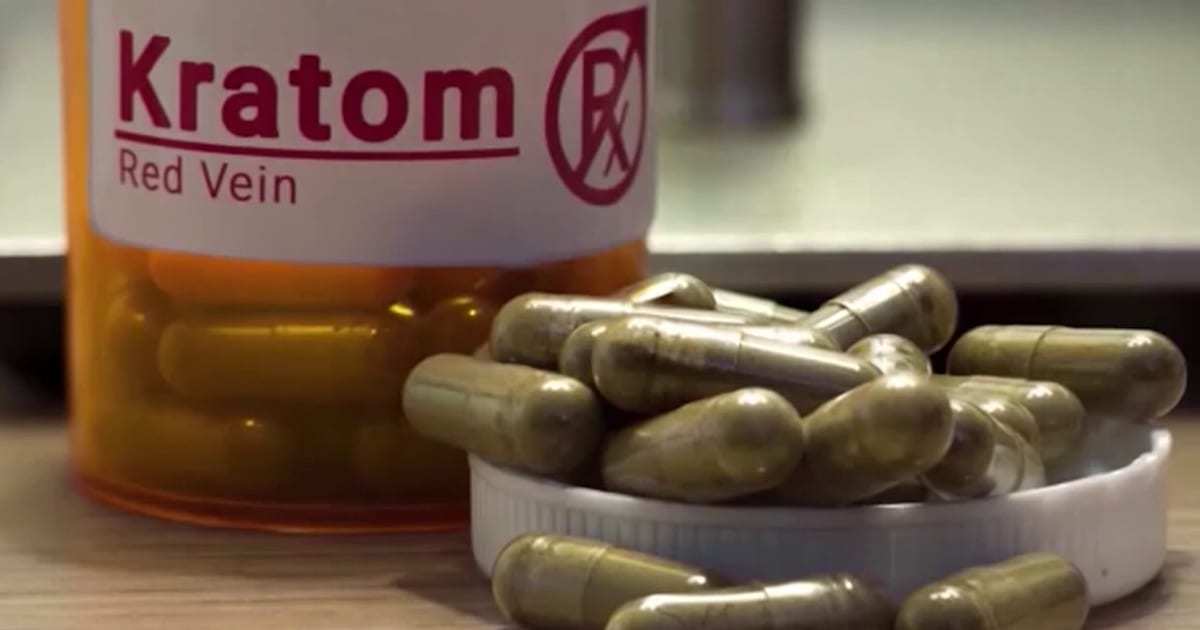
Hillsborough County commissioners on Tuesday, Nov. 10, unanimously voted to ban concentrated and chemically altered kratom products, including those containing the potent opioid-like compound 7-hydroxymitragynine, known as 7-OH, and to make it a misdemeanor to produce, sell or advertise them in the county. The ordinance leaves traditional botanical kratom legal but requires retailers that sell any kratom product to post health warnings.
The county's move gives Hillsborough its own local ban on 7-OH products, which are currently prohibited statewide only under a temporary emergency rule that could expire next year, according to FOX 13.
What the ordinance bans
Commissioners voted to amend the county's existing synthetic drug ordinance rather than write a stand-alone law. According to the Tampa Bay Times, the changes:
- Ban products containing 7-OH or other concentrated chemicals derived from kratom.
- Create a misdemeanor criminal penalty for producing, distributing, selling, marketing or advertising those concentrated products.
- Require businesses with a retail food permit that sell kratom in any form to post signs stating the product could lead to adverse health effects.
- Leave untouched traditional botanical kratom, the plant material that has long been brewed in teas and added to food.
When the proposal advanced in October, Axios reported that county code enforcement could fine businesses up to $500 per violation for failing to post the required warning sign. Reports on Tuesday's vote did not specify when the ordinance takes effect.
Kratom comes from the leaves of a tropical tree native to Southeast Asia. Its natural leaves contain only trace amounts of 7-OH, but manufacturers can concentrate the compound and add it to energy drinks, gummies, candy and pills sold in convenience stores and smoke shops. Some anti-drug advocates call the concentrated products "gas station heroin," FOX 13 reported.
Families pack the hearing
More than 50 people spoke at Tuesday's public hearing, many holding photos of loved ones who became addicted to kratom products or died of overdoses, the Times reported.
Stephanie Pratt told commissioners her 19-year-old daughter, Kylee, bought a synthetic kratom pill with friends at a smoke shop on her way home one night in September. About 20 minutes after Kylee took half of the pill, Pratt said, she had trouble breathing. She was hospitalized and died two days later, on Sept. 6. "In just 20 minutes, a young, healthy girl who was just laughing, smiling, enjoying life with her friends was out fighting for her life," Pratt said, according to the Times.
Colt Macdonald told the board he became addicted after first trying natural kratom in a tea and later buying it in multiple forms. He said he woke up in January to find his twin brother dead of a kratom overdose. Like many speakers, Macdonald urged the county to ban all kratom, including the natural kind. "I got addicted because of a strawberry-flavored tea," he said.
Supporters of natural kratom push back
About a dozen speakers said products from the kratom plant help them in daily life, citing its stimulant effect, and some said natural kratom helps them manage chronic pain. Tyler Daughtry told commissioners kratom helped him stop using harder drugs. "Many adults use kratom as an alternative to more dangerous substances, including illicit opioids," he said. Security later escorted Daughtry and another person out of the meeting after the two exchanged profanities, and Chairperson Ken Hagan had a third person removed, according to the Times.
The industry's main trade group backed the narrower ban. Matthew Lowe, executive director of the Global Kratom Coalition, told commissioners that synthetic and concentrated products are dangerous and should be banned, but that natural kratom should be regulated rather than prohibited.
Why the board stopped short of a full ban
Commissioner Joshua Wostal proposed the change in June, pointing to research suggesting chemically altered kratom is highly addictive and citing a 2023 Tampa Bay Times investigation that found more than 580 people in Florida had died from kratom-related overdoses over the previous decade. "I would rather just ban the low-hanging fruit, which is without debate, all of these synthetic drugs," Wostal said Tuesday.
Commissioner Donna Cameron Cepeda voted for the ordinance but said she would like to see a total ban on kratom sales. County Attorney Julia Mandell told the board that Hillsborough cannot enforce such a ban without going through a separate public notice process, because natural kratom does not fall under the county's synthetic drug ordinance.
Local data was part of the case for action. According to Hillsborough County, the medical examiner has linked mitragynine, kratom's primary active compound, to more than 30 deaths in the county, FOX 13 reported.
The state and federal picture
Kratom itself remains legal in Florida for adults 21 and older. Florida Attorney General James Uthmeier used his emergency authority to classify concentrated 7-OH products as Schedule I controlled substances, the category reserved for drugs with a high potential for abuse, after federal health officials recommended restricting the compound, the Times reported. Because that rule is temporary, county officials wanted a local prohibition in place in case it lapses before the Legislature acts.
The state rule has also raised concern that manufacturers will shift to other kratom-derived or lab-made compounds not named in it. Hillsborough's ordinance is written to reach other concentrated chemicals as well as 7-OH, according to the Times.
Hillsborough is not the first Tampa Bay area county to act. Sarasota County commissioners have already passed a broader ban covering kratom and its products, according to FOX 13.
What it means for retailers and consumers
For the dozens of coffee shop-style kratom bars and convenience stores in Hillsborough, the practical effect splits along product lines. Teas and other products made from the natural leaf can still be sold to adults 21 and older, with the new warning signs posted. Concentrated 7-OH tablets, shots, gummies and similar products fall under the county ban, and selling or advertising them will carry a local criminal penalty on top of the state emergency rule.
What's next
A full ban on natural kratom, which several speakers and Cameron Cepeda requested, would require the county to start a new ordinance process with its own public notice and hearings. That decision would fall to the new commission, which takes office Nov. 17 without Wostal and Cameron Cepeda, both of whom lost their seats in the Nov. 3 election. At the state level, the Legislature could decide whether to write the 7-OH restrictions into permanent law before the emergency rule expires.
Spotted an issue with this article?
Have something to say about this story?
Write us a letterComments
No comments yet. Be the first to weigh in.
Related Coverage
Florida Regulators Hit 13 Pharmacy Benefit Managers With $12.66 Million in Penalties Under 2023 Drug Pricing Law
2h ago
Tampa Bay Dengue Outbreak Slows as Hillsborough Logs Its Smallest Weekly Rise Since August and Extends Emergency to Nov. 12
1d ago

Federal Appeals Court Upholds Ruling That Florida's Medicaid Termination Notices Were Unconstitutional, Keeping Income Cutoffs on Hold
2d ago

Amazon driver found in idling van in Fruitland Park died of carbon monoxide poisoning, medical examiner rules
3d ago