DeSantis Accuses Delray Beach of 'Malicious Compliance' After City Drops St. Patrick's Day Parade and Pride Over DEI Law
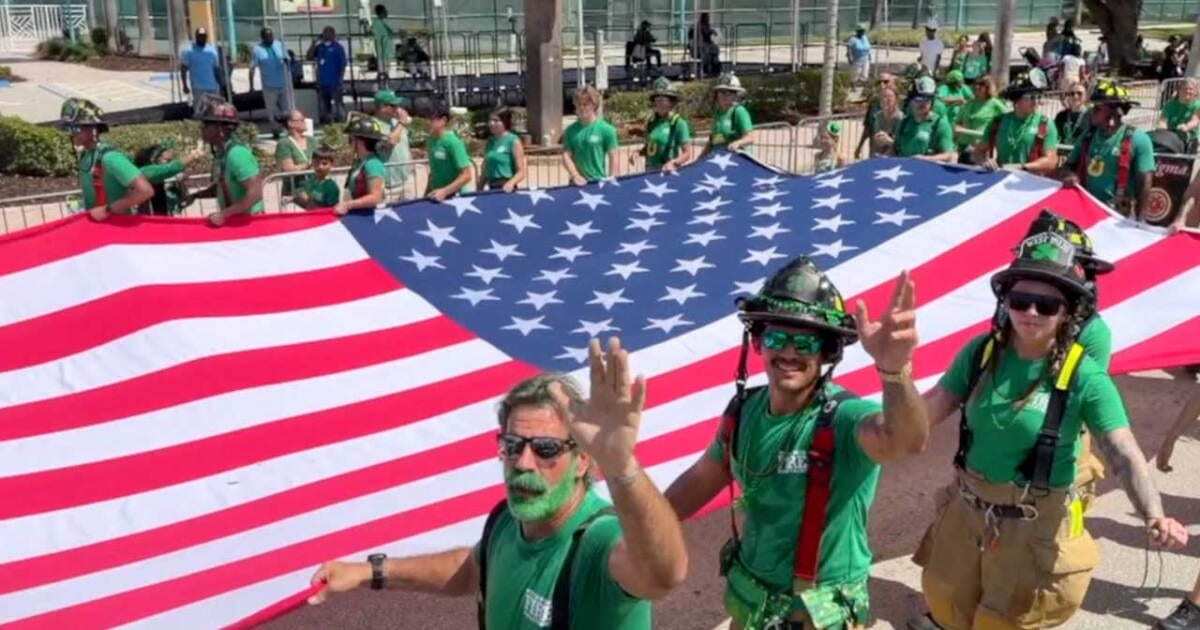
Gov. Ron DeSantis has accused Delray Beach of "malicious compliance" after the Palm Beach County city said it will no longer host or fund its long-running St. Patrick's Day Parade or its annual Pride Festival in 2027. City officials say a new state law banning local government diversity, equity and inclusion programs leaves them no choice. DeSantis says the law requires nothing of the kind.
In a post on X on Friday afternoon, Nov. 13, 2026, the governor said what Delray Beach is doing "is not mandated by Florida law." He called the decision an attempt to make a political point and wrote, "Rinse and repeat." The post landed three days after the city's announcement had already set off a wave of complaints from residents and an effort by the mayor to save the parade with private money.
What Delray Beach decided
The city announced the change in a Facebook post on Tuesday, Nov. 10. After a legal review, it concluded it is barred from organizing, funding, sponsoring, promoting or marketing either event in 2027. In a statement obtained by Reuters, the city said the law's restrictions cover activities "designed or implemented with reference to ethnicity," along with certain other programming.
The two events are among downtown Delray Beach's best known. The St. Patrick's Day Parade is held in March and the Pride Festival in June, and both have historically drawn thousands of visitors downtown, WLRN reported. State Rep. Rob Long, a Democrat whose district includes the city, said the parade draws up to 100,000 people and brings "millions of dollars into our city," according to reporting republished by Yahoo News. In its announcement, the city said it remains committed to serving all residents and will offer community engagement consistent with state and federal law.
The law behind it
The city points to Senate Bill 1134, which the Legislature passed in March over strong Democratic opposition and DeSantis signed in April. Starting Jan. 1, 2027, the law bars counties and cities from paying for, carrying out or promoting DEI initiatives. Local officials who violate it can face removal from office, and residents can sue a local government they believe is breaking it. Grant recipients must also certify that public money will not be used to advance such initiatives.
The law exempts state and federal holidays such as Martin Luther King Jr. Day and Juneteenth. St. Patrick's Day is not a state or federal holiday, and that gap is at the center of the dispute. Delray Beach Commissioner Judy Mollica said the city acted on its attorney's advice. She noted that the law lets any citizen sue a municipality and called the criticism a distraction. "Everybody is losing their mind over this," she said.
Rep. Dean Black, the Jacksonville Republican who sponsored the House version, framed the bill during debate as a way to end DEI programs he said waste taxpayer money. "DEI has to D-I-E," he said during the March debate. When he signed the bill, DeSantis said Floridians should not pay for "identity politics with their hard-earned tax dollars."
DeSantis and lawmakers push back
The governor's post argued the city stretched the law to produce a headline. Republican lawmakers echoed him. State Sen. Clay Yarborough said senators were asked during floor debate whether St. Patrick's Day observances would be prohibited, and the answer was no, News 6 reported.
DeSantis' post, as reported, did not threaten any specific action against the city or its officials. Under the law, though, local officials who violate it once it takes effect could face removal from office. That backdrop has made cities across Florida cautious about how they read it.
The city's response: "it was never canceled"
City leaders have spent the week insisting the parade is not dead. Mayor Tom Carney, a Republican whose family helped underwrite the parade in its early years, said the city is "working feverishly with multiple entities" to keep the 2027 parade on schedule. He told WPTV he received "a good 50 emails" from residents and wants to "make it a private event again." He said people have already submitted applications to run the parade. On Pride, he said, "If the private sector wants to support that, I would as well."
Commissioner Juli Casale said the city has identified a private funding source for the parade. In her view, it was never canceled; the cost is simply moving from the city to a private vendor. "We're just lateralizing who's paying for it," she said, adding that the shift is better for taxpayers anyway. Casale also cast the episode as part of a larger fight over local control, noting that the state constitution provides for municipal home rule.
City Manager Terrence Moore told the South Florida Sun Sentinel that an outside private group could sponsor the parade. The law restricts what local governments do rather than banning privately run celebrations. The city said the same in its own explanation: it can no longer fund or promote the events, but private organizations and individuals may still sponsor and organize them.
Long, the Democratic lawmaker, put the blame on the Legislature rather than the city. He called SB 1134 "malicious legislation in the first place."
Residents react
The announcement drew a flood of negative reaction, WSVN reported. One resident asked whether the city would cancel its Christmas parade next. A Delray Beach Police volunteer called the cancellations "ridiculous." Others praised the parade as a family tradition that brings the community together.
LGBTQ Nation and other critics noted that the mayor's private sponsorship push has focused mostly on the parade. No private backer for the June Pride Festival had been announced as of Friday.
Not the first clash with Tallahassee
Delray Beach has tangled with the state before. In September 2025, Florida Department of Transportation crews painted over the city's rainbow Pride intersection at Northeast 1st Street and Northeast 2nd Avenue before dawn. The work came less than 12 hours after the city received a removal order. Rain washed away much of the first coat of black paint, and crews returned to finish the job. The city commission voted to pursue a lawsuit arguing FDOT skipped required rulemaking. That fight followed a state law requiring FDOT to remove road art it considered noncompliant.
What's next
SB 1134 takes effect Jan. 1, 2027, a little more than two months before the parade's usual March date. Carney has not said who would run a privately sponsored parade or how city services such as police, road closures and cleanup would be handled under the new rules. Those details will decide whether the 2027 parade goes on as scheduled. Other Florida cities that run heritage festivals that are not state or federal holidays face the same question. The governor's comments suggest Tallahassee will push back on any city that cites the law to drop a popular event.
Spotted an issue with this article?
Have something to say about this story?
Write us a letterComments
No comments yet. Be the first to weigh in.
Related Coverage
Florida Releases Full List of 20 Charged in Statewide Voter Fraud Sweep as Some Cases Draw Questions
1m ago

Byron Donalds Fills Transition Staff With Scott-Era Veterans and Longtime Aides, Says He Is Scouting 'Talent' for State Agencies
1h ago
Attorney General James Uthmeier Declares Florida's 2018 Bump Stock Ban Unconstitutional, Won't Defend Convictions
2h ago
Judge Orders Tampa to Turn Over 38 Records in SoHo Business Alliance Lawsuit Over South Howard Flood Project
1d ago