DeSantis Signs 17 Local Bills, Sending Hillsborough Governance Questions to November Voters
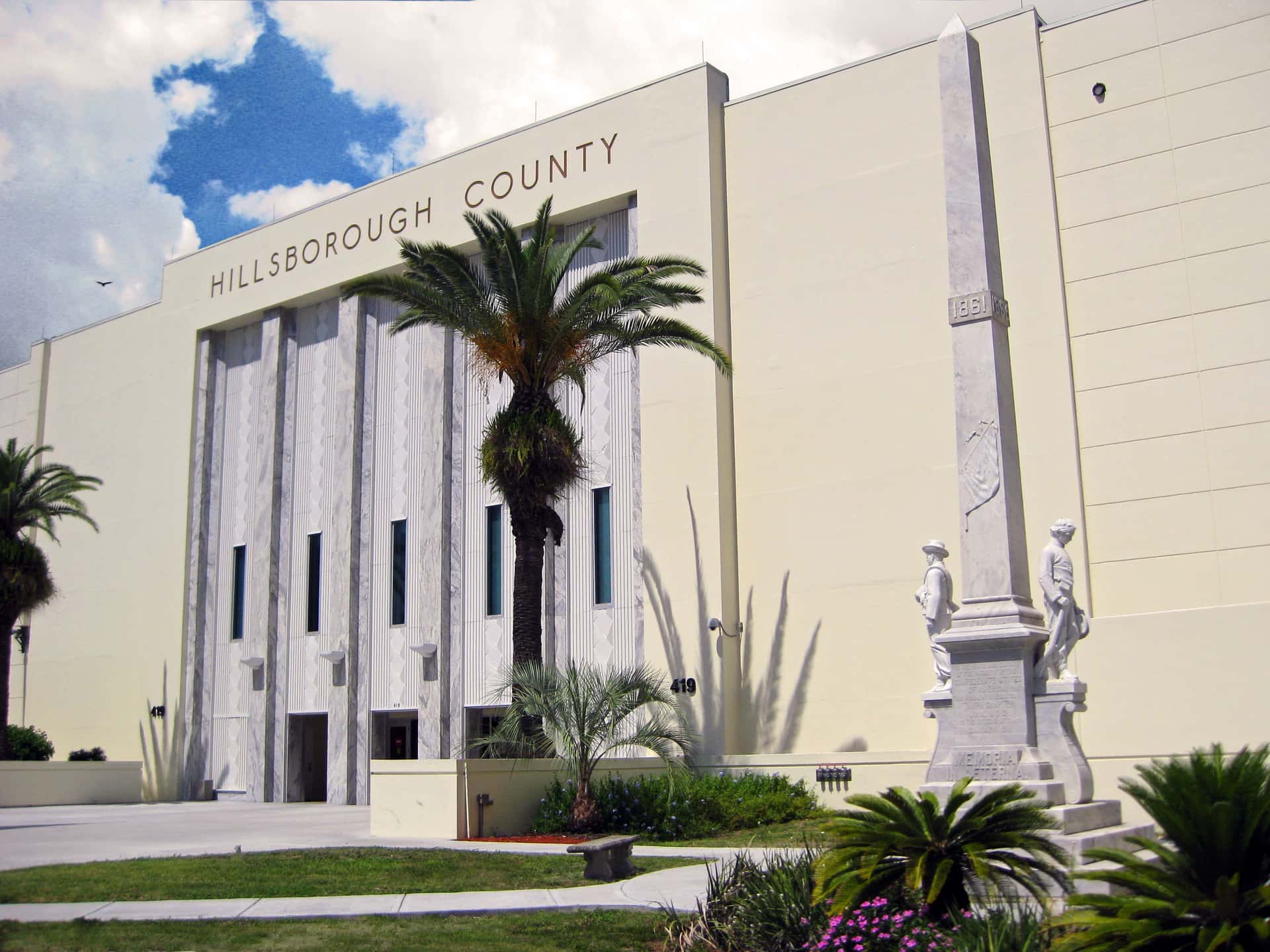
Governor Ron DeSantis signed 17 bills into law and formally received 20 additional measures, the state announced this week, with several of the newly enacted laws routing local governance questions directly to voters in November. Most of the signed bills are local in scope, affecting a single city or county rather than setting statewide policy, but a cluster of Hillsborough County measures could reshape how the Tampa Bay region's largest county runs its government and schools.
What was signed
The batch DeSantis approved consists largely of what Florida calls local bills, narrowly tailored legislation that applies only to specific jurisdictions. Unlike sweeping statewide statutes, local bills typically move through the Legislature with the support of the affected area's delegation and draw little statewide attention, even when their effect on residents is significant.
Among the most consequential is a measure placing a referendum before Hillsborough County voters that would expand the county commission from seven members to nine, with a further increase to 11 members if the county's population reaches 2.5 million. A companion measure asks Hillsborough voters whether the county should switch from an appointed school district superintendent to an elected one, a structural change with long-term implications for how the district is run.
Other signed bills addressed targeted local concerns. One caps compensation for healthcare providers serving inmates at a Jefferson County detention center at 110 percent of the Medicare allowable rate when no contract exists, and it took effect immediately. Another appropriates roughly $2.3 million to compensate a man left severely injured after a 2023 encounter with a police officer, the type of claims bill the Legislature periodically passes to resolve individual cases.
The Hillsborough questions in focus
The commission-expansion referendum speaks to a long-running debate in fast-growing counties about whether existing district maps give residents adequate representation. Hillsborough has added population steadily, and supporters of a larger commission argue that more seats would shrink the number of constituents each member represents and bring decision-making closer to neighborhoods. Critics of expansion often counter that adding seats increases cost and can complicate governance.
The superintendent question is equally weighty. Florida districts are split between those that elect their superintendent and those that appoint the position through the school board. Proponents of elected superintendents emphasize direct accountability to voters, while supporters of appointment argue it allows boards to recruit experienced administrators from a national pool rather than limiting the field to local candidates willing to run a campaign.
Because both questions will appear on the ballot, the ultimate decisions rest with Hillsborough residents rather than with Tallahassee. The bills DeSantis signed do not themselves change the county's structure; they authorize the votes that could. That distinction matters, because it places the outcome squarely in the hands of local turnout this November.
How local bills move
Local bills occupy a distinct lane in the Florida legislative process. They generally require support from the legislative delegation representing the affected area and often must satisfy notice or referendum requirements before taking effect. That structure is designed to keep the Legislature from imposing purely local changes over the objections of a community's own representatives.
Because they are narrowly drawn, local bills rarely generate the partisan fights that accompany major statewide legislation. Many pass with broad or unanimous support once a delegation signs off. The volume is substantial: the measures signed this week add to well over 100 laws DeSantis has approved during the 2026 cycle, a large share of them local in nature.
The 20 bills the governor received but had not yet acted on include measures with statewide reach. Among them are a proposal to increase the penalty for the manslaughter death of a law enforcement officer to life without parole, and a measure adding illegal gambling houses to the categories of property that can be declared a public nuisance. Those await the governor's signature or veto.
What it means for Floridians
For most residents outside the named jurisdictions, the immediate impact of this batch is limited, which is the nature of local legislation. But for Hillsborough County's roughly 1.5 million residents, the referendums could change the basic architecture of county and school governance, decisions that shape budgets, service delivery, and accountability for years.
The Jefferson County inmate healthcare cap illustrates how local bills can quietly set policy that affects costs and care in a specific facility. The compensation measure for the injured man reflects the Legislature's role as the venue of last resort for certain claims against government, since sovereign immunity limits how much individuals can recover in court without legislative action.
Taken together, the bills underscore that a great deal of Florida governance happens at the hyperlocal level, below the radar of statewide coverage. Residents who want a say in the Hillsborough questions in particular will need to engage with ballot language that can be easy to overlook amid higher-profile contests.
Reaction and debate
Local officials and civic groups in Hillsborough are likely to mobilize around the governance referendums, given their long-term stakes. Debates over commission size and the elected-versus-appointed superintendent question tend to cut across traditional party lines, drawing in neighborhood associations, education advocates, and good-government organizations rather than splitting neatly along partisan divides.
Statewide, the steady cadence of bill signings reflects the back half of a legislative cycle in which the governor works through a large queue of measures sent to his desk. The mix of local bills and pending statewide measures is typical for this point in the calendar, as bills passed earlier in the session reach the governor in batches.
For the measures still awaiting action, advocacy groups on both sides are expected to weigh in before the governor decides. The law enforcement manslaughter penalty and the gambling-nuisance proposal both touch on issues with organized constituencies, suggesting they will draw more attention than the local bills that have already become law.
Why local bills matter more than they seem
Local bills rarely make statewide headlines, but their cumulative effect on Florida governance is substantial. Because they address the specific needs of individual jurisdictions, they shape everything from how a county draws its commission districts to how a special district funds emergency services. For residents of the affected areas, a single local bill can carry more practical consequence than a high-profile statewide measure that touches their daily lives only indirectly.
The volume of local legislation also reflects the diversity of Florida's communities. A rural Panhandle county and a dense South Florida metro face very different challenges, and local bills allow the Legislature to tailor solutions rather than impose uniform rules across a state of more than 20 million residents. That flexibility is a feature of Florida's system, though it also means residents must pay attention to legislation that may never appear in statewide coverage.
The claims bill compensating an injured man illustrates another distinctive function of local and special legislation: serving as a remedy where the courts cannot fully act. Florida's sovereign immunity laws cap what individuals can recover from government entities without legislative approval, so the Legislature periodically passes bills to compensate people harmed by government action. These measures, narrow and individual, reflect a deliberate channel for addressing specific grievances.
The Tampa Bay governance debate in context
The Hillsborough referendums arrive as fast-growing Florida counties grapple with how to structure governance for expanding populations. Adding commission seats is a recurring question in counties that have outgrown the district maps drawn for smaller populations, and the outcome in Hillsborough could influence how other counties approach the issue. Representation, responsiveness, and cost all factor into a debate that resists easy answers.
The elected-versus-appointed superintendent question carries its own weight, touching on how school districts balance political accountability against professional management. Florida districts are split on the model, and the choice shapes who runs a district that serves hundreds of thousands of students. Hillsborough voters will weigh whether direct election or board appointment better serves the district's needs, a decision with long-term implications for local education governance.
Both questions reflect a broader tension in Florida between the desire for local control and the practical demands of managing large, complex jurisdictions. As the Tampa Bay region continues to grow, the structures that govern it face increasing scrutiny, and the November votes will offer one measure of how residents want their county and schools to be run. The outcomes will resonate beyond Hillsborough as other counties watch.
What's next
Attention now shifts to two fronts: the governor's decisions on the 20 bills he has received, and the November ballot in Hillsborough, where voters will settle the commission and superintendent questions. The governor has a set window to sign, veto, or allow each received bill to become law without his signature.
In Hillsborough, expect the referendum campaigns to ramp up over the summer and fall as residents weigh whether to expand the commission and change how the school district's top administrator is chosen. Both questions would have durable effects, and both will be decided locally.
For the rest of Florida, the signings are a reminder to watch the local section of the ballot. The headline statewide measures draw the coverage, but the local bills and referendums often determine the shape of the government residents interact with most directly.
Spotted an issue with this article?
Have something to say about this story?
Write us a letterComments
No comments yet. Be the first to weigh in.
Related Coverage

Pinellas commissioners set Oct. 27 vote on Vince Nowicki's Flock camera ban after Bob Gualtieri's fierce defense
3h ago

Volusia County Launches Florida's First Online Database of Convicted Domestic Abusers
22h ago

Miami-Dade sheriff ends Sergeant-at-Arms security detail; Levine Cava warns of risk at Government Center
1d ago

Florida AG Uthmeier proposes Safe Screens Act with overnight shutoff, app store age checks for teens
1d ago