Marlins Arrive at the Deadline as Buyers, for Once
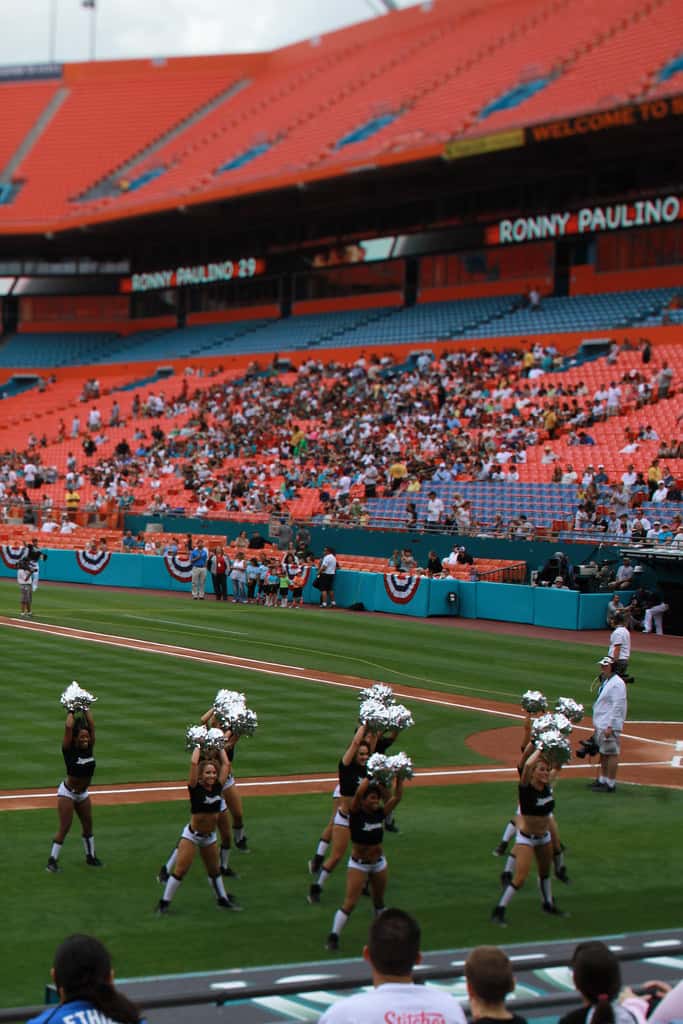
The Miami Marlins have spent most of the last decade using the trade deadline to send established players elsewhere for prospects. This summer, with the club playing well enough to appear in the upper half of national power rankings and positioned in the National League playoff conversation, the organization faces the rarer question of what to add.
The shift is significant for a franchise whose deadline history has been defined by subtraction. Miami has repeatedly traded productive veterans in July, a pattern rooted in payroll constraints and organizational rebuilding cycles that have restarted several times since the club's last extended run of contention.
The August 3 deadline gives the front office roughly a week to decide how firmly to commit. Buying at a deadline means spending prospect capital that the organization has accumulated deliberately, and for a club in Miami's position the decision is as much about the next three years as about this October.
How Miami got here
The Marlins entered June under .500 and have played substantially better since, a run that moved them into the top ten of national power rankings alongside the Tampa Bay Rays. National coverage in early July grouped the two Florida clubs together as the surprise story of the season's midpoint.
Pitching development has been the organizational strength Miami has built around, and the club's ability to produce major league starters from its own system is what has made a contending season possible without a corresponding payroll increase. That development pipeline is also the asset any deadline trade would draw down.
The offense has been the more variable side. Miami has ranked in the lower half of the league in run production for most of the past several seasons, and sustained contention typically requires an offense that does not depend on the rotation being close to perfect every night.
The Fortes trade and what it signals
Reports indicate the Marlins traded catcher Nick Fortes to the Tampa Bay Rays for outfield prospect Matthew Etzel, a deal between two Florida clubs that both entered the summer in better shape than expected. On its face, moving a major league catcher for a prospect is a seller's transaction.
Read more carefully, it may reflect roster construction rather than direction. Clubs regularly move from surplus at one position to need at another, and a team with catching depth can convert that depth into an outfield asset without signaling a broader retreat. The direction of Miami's remaining deadline activity is what will clarify the intent.
Intrastate trades carry a secondary interest for Florida fans, since players move between the state's two organizations and can face their former club later in the season if interleague scheduling aligns. The Marlins and Rays play in different leagues, which limits but does not eliminate those matchups.
What the Marlins need
A club in Miami's position typically looks for a bat that improves the lineup immediately and bullpen depth to protect leads through the season's final two months. Both categories are expensive in a market where more clubs consider themselves contenders than the standings can support.
The prospect cost question is where Miami's calculus differs from most buyers. The organization's competitive window depends on the young pitching it has developed, and trading from that group to rent a veteran bat for two months would be a substantial departure from how the front office has operated.
An alternative approach, targeting players with additional years of contractual control rather than rentals, costs more in prospects but fits an organization trying to extend a window rather than maximize a single season. That path is generally the one small-market clubs pursue when they find themselves unexpectedly in contention.
The National League picture
The National League wild card race typically involves five or six clubs separated by a handful of games in late July, and a two-week stretch in August routinely reorders the field. A club in Miami's position can move from clear buyer to clear seller inside of ten days, which is precisely why front offices delay decisions until the deadline's final hours.
Schedule strength matters heavily in that calculation. Clubs with a favorable remaining schedule can justify aggression; those facing a difficult stretch often hold back. Miami's front office will weigh that alongside injury status and the performance of the rotation, which has carried the season to this point.
The postseason format, with three wild card berths per league, keeps more teams in contention deeper into the season than the previous structure did. That has raised deadline prices across baseball by increasing the number of buyers relative to sellers.
What it means for South Florida fans
Meaningful late-season baseball in Miami has been rare. The Marlins have reached the postseason infrequently since their 2003 World Series title, and sustained attendance has suffered as a result. A genuine playoff race in August and September is the circumstance most likely to change that.
For fans, the deadline is the clearest signal available about how the organization views itself. Adding says the front office believes this roster can win a postseason series. Standing pat, or selling, says the organization is protecting a longer horizon.
Either answer is defensible. What matters for the fan base is clarity, and a decade of deadline subtraction has made the buying scenario the one that would represent a genuine change in posture.
The franchise's deadline history
Miami's trade deadline pattern over the past decade has been consistent: identify players with value, trade them for prospects, restart. The organization has executed that cycle multiple times, and it has produced a farm system that has consistently graded well while the major league club has rarely contended.
Franchise history explains part of the pattern. Miami won World Series titles in 1997 and 2003 and dismantled the roster after each, a sequence that damaged the relationship between the club and its fan base in ways that have persisted. Attendance has ranked among the lowest in baseball for most of the intervening years.
An organization in that position faces a credibility question separate from the baseball question. Buying at a deadline signals to fans that the current roster is being treated as something to build on rather than something to liquidate, and that signal has value beyond whatever player is acquired.
Pitching development as the organizational strength
Miami's ability to develop starting pitching has been the through line of its recent history. The organization has repeatedly produced major league starters from its own system, and that pipeline is what makes a contending season possible without a payroll increase.
Young pitching is also the most volatile asset in baseball. Arm injuries affect pitchers at every level, and a rotation built on pre-arbitration starters can lose a season to a single elbow. That volatility is an argument both for and against trading from the group: the pitchers may not stay healthy, but neither will the ones acquired in exchange.
The organization's evaluation of its own pitchers will drive whatever it does before August 3. A front office confident in its depth can trade from it; one that views the current group as fragile will hold.
What contention would change
A playoff appearance would be Miami's first in several years and would arrive with a roster the organization built rather than purchased. That distinction matters for a franchise trying to establish that its model produces sustainable results rather than periodic teardowns.
Revenue effects follow attendance, and attendance follows sustained relevance rather than a single good season. Clubs that contend consistently build season ticket bases; clubs that contend once do not. Whatever happens this October, the organizational question is whether this roster is the start of a period or an isolated year.
The competitive environment in the National League East compounds the challenge. The division has included well-funded clubs willing to spend at the deadline, which means Miami is competing against organizations with different constraints for the same available players.
What the standings will not tell you
A club's record in late July reflects what has already happened, and front offices making deadline decisions care more about what is likely to happen over the final two months. Run differential, underlying performance metrics and health status frequently diverge from record.
Clubs that have outperformed their run differential are candidates to regress, and front offices generally discount their standing accordingly. Those that have underperformed theirs are candidates to improve. That analysis is why teams sometimes sell while in playoff position and buy while several games back.
Schedule is the third input. Remaining strength of schedule varies considerably across clubs in late July because of unbalanced scheduling, and a favorable remaining slate is worth real games in the standings.
Whatever Miami decides, the reasoning will rest on those inputs rather than on the won-loss record that fans and media use as the reference point. That gap is why deadline decisions frequently surprise the people watching from outside.
What's next
The trade deadline is August 3. Miami will play a stretch of games before then that will influence the decision, and rival front offices will be assessing the same information about their own clubs.
Players acquired must be on an organization's roster by September 1 to be postseason eligible, the second date that shapes deadline strategy. The regular season ends in late September, with the postseason beginning in October.
The Florida Press will report on Marlins deadline activity and the National League wild card race through the end of the season.
For fans planning to attend games during the stretch run, September home schedules become considerably more meaningful when a club is in contention, and ticket demand typically follows standings with a lag of a few weeks. Miami's home attendance has historically responded slowly to on-field performance.
The club's broadcast arrangements and streaming availability determine how most of South Florida follows the team, and playoff races generally produce audience increases that exceed attendance increases, since watching requires no travel.
Spotted an issue with this article?
Have something to say about this story?
Write us a letterComments
No comments yet. Be the first to weigh in.
Related Coverage
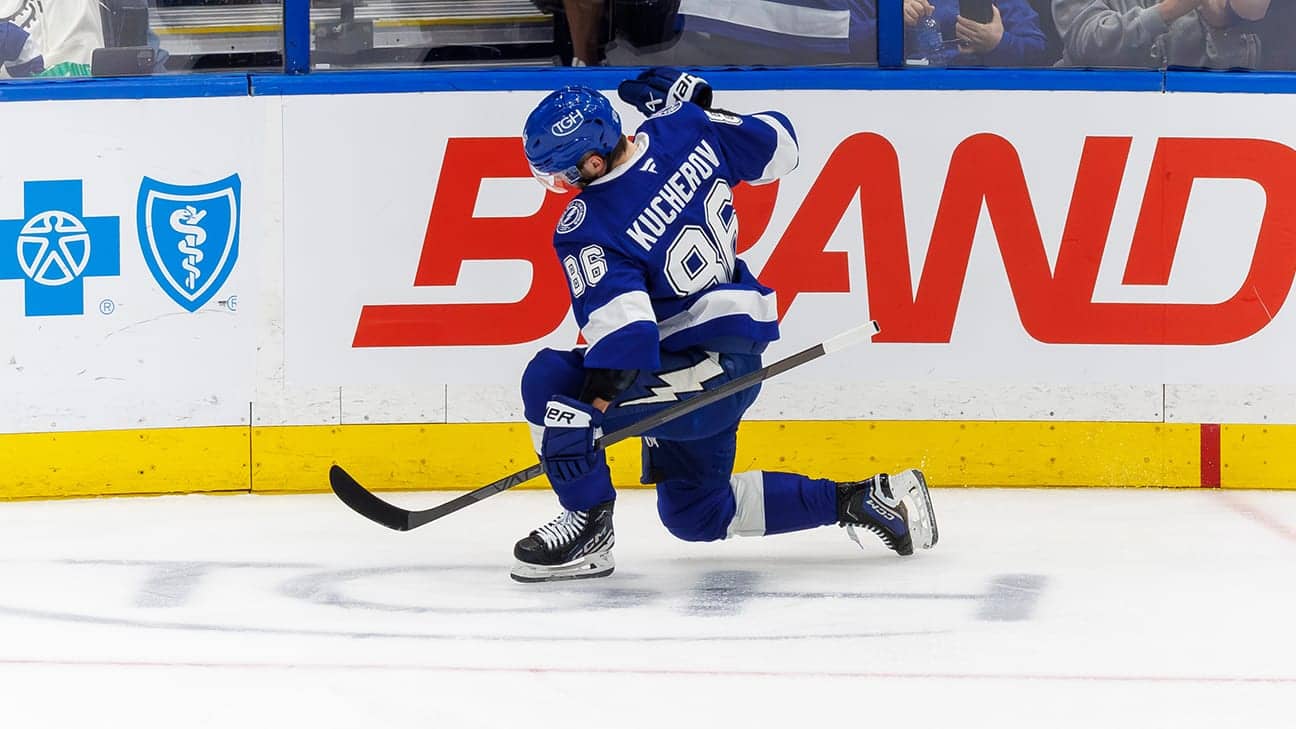
Avalanche Beat Lightning 6-3 as Nikita Kucherov Stays Tied With Steven Stamkos for Franchise Points Record
3h ago

Penguins Blank Panthers 4-0, Spoiling Cooper Black's Record-Setting NHL Debut
21h ago
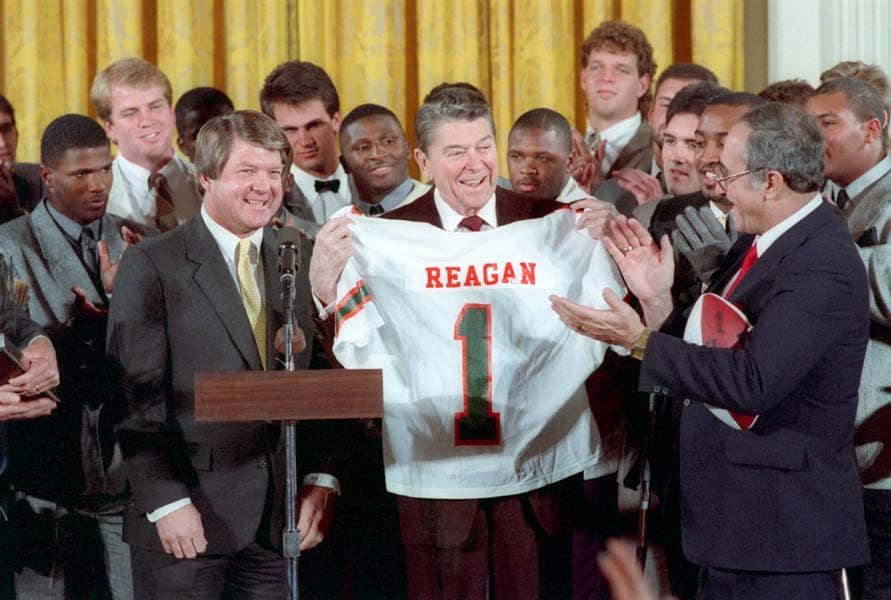
No. 1 Miami Hosts Pitt in First Game Atop the AP Poll Since 2002
21h ago

Baker Mayfield Set to Return as 1-5 Buccaneers Visit NFC South-Leading Panthers
1d ago