Florida Ports Now Carry the World's Two Busiest Cruise Operations
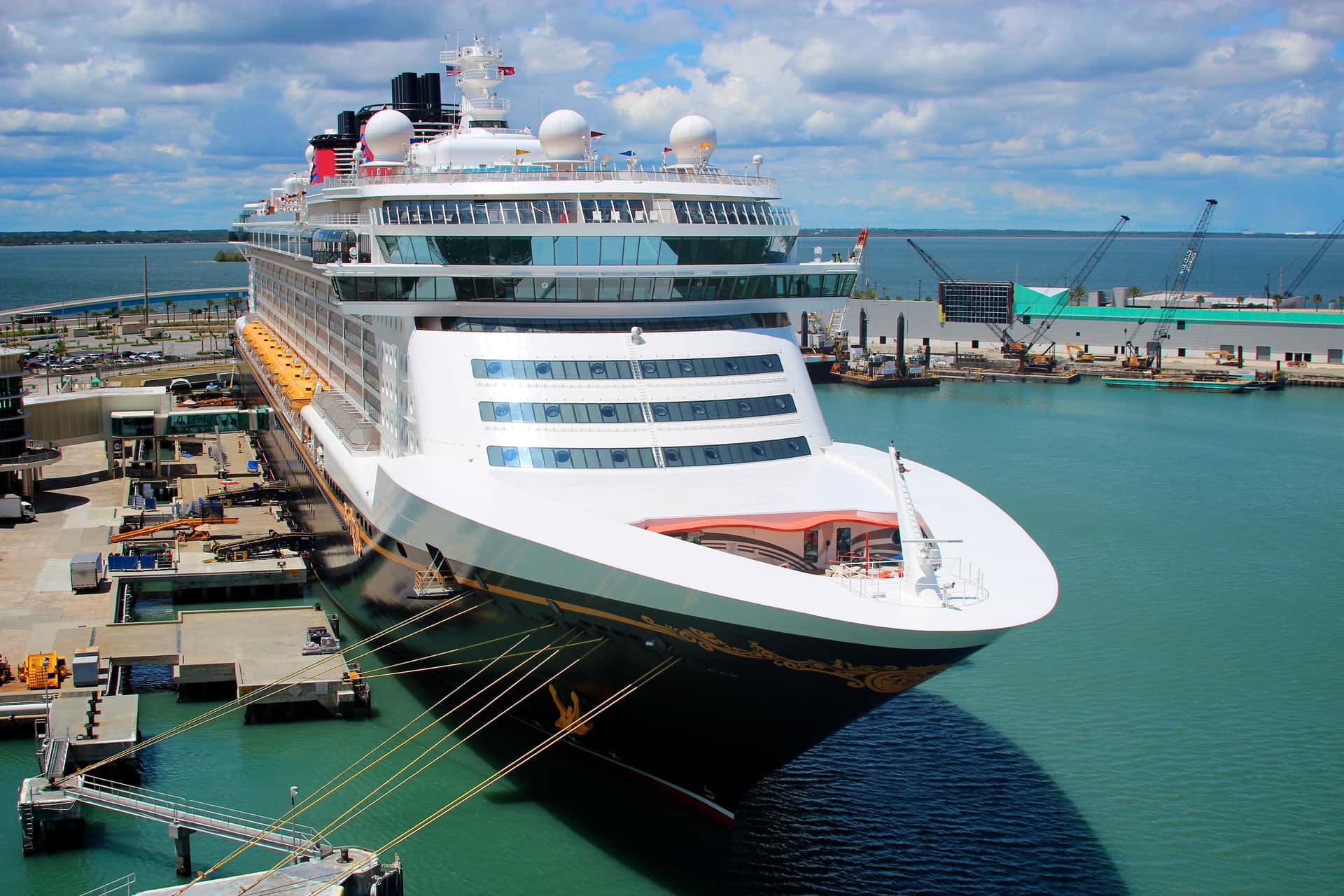
Port Canaveral has taken the title of the world's busiest cruise port from PortMiami, handling more than 8.6 million multi-day passenger movements in fiscal year 2025. PortMiami set its own record in the same period, welcoming 8,564,225 cruise passengers, a 4.02 percent increase over the prior year. The two Florida ports now rank first and second globally.
The result places the center of the world cruise industry firmly in Florida, and the margin between the two ports is narrow enough that the ranking could reverse. Port Canaveral's passenger count rose 13 percent year over year, a growth rate that reflects both new ship deployments and terminal capacity added at the Brevard County port.
The last time Port Canaveral finished ahead of PortMiami was 2022, when the industry was still recovering unevenly from pandemic shutdowns. This time the shift comes during a period of record volume at both ports rather than during a disrupted year.
What is driving the growth
Cruise lines have deployed their largest ships to Florida homeports, a decision driven by market access and infrastructure. Royal Caribbean's Star of the Seas, described as the world's largest cruise ship, sailed her maiden voyage from Port Canaveral. Disney, Carnival and Royal Caribbean all operate multiple vessels from the port.
Terminal capacity is the constraint that determines how much traffic a port can handle. Port Canaveral has added terminal capacity as part of an ongoing expansion, and PortMiami has invested heavily in its own terminals, including facilities built for specific cruise lines under long-term agreements.
Geography favors both ports differently. Port Canaveral draws from Central Florida's enormous tourism inflow, allowing visitors to combine theme parks with a cruise in a single trip. PortMiami draws from South Florida's international airport connectivity and its position as the closest major American port to much of the Caribbean.
The economic footprint
Cruise operations generate employment well beyond the ships themselves: terminal workers, longshoremen, provisioning and food service suppliers, ground transportation, hotels absorbing pre-cruise and post-cruise stays, and the parking and retail operations at the ports.
Port Canaveral's role in Brevard County's economy runs alongside the aerospace sector, giving the county two large industries that draw on different labor pools. That diversification is unusual for a Florida coastal county and reduces the region's exposure to a downturn in either sector.
For Miami-Dade County, PortMiami operates alongside the port's substantial cargo business, and the county has invested in infrastructure serving both. Cruise passengers arriving through Miami International Airport generate spending across hotels, restaurants and attractions before and after sailings.
Why this is a national story
The American cruise industry is disproportionately Florida-based. Beyond Port Canaveral and PortMiami, Port Everglades in Fort Lauderdale and Port Tampa Bay operate substantial cruise businesses, meaning federal policy affecting cruising lands primarily on Florida.
Cruise lines are subject to federal regulation across multiple agencies: the Coast Guard for vessel safety, Customs and Border Protection for passenger processing, the Centers for Disease Control and Prevention for public health protocols, and the Federal Maritime Commission for consumer protection matters. Changes at any of those agencies reach Florida ports first.
Tax treatment is a recurring federal question. Major cruise lines including Carnival Corporation and Royal Caribbean Group are headquartered in Miami but incorporate their vessels under foreign flags, an arrangement that has periodically drawn congressional attention. Any change would affect companies whose corporate offices and largest operations are in Florida.
The pressures on growth
Port capacity is finite. Berths, terminals, parking and roadway access all constrain how many ships a port can turn on a given day, and PortMiami's record of ten ships in port on April 4, 2026 illustrates how close operations run to capacity on peak days.
Labor is the second constraint. Terminal operations require longshore labor, provisioning requires warehouse and transportation workers, and the hospitality sector supporting pre-cruise stays requires staff. Florida's tight labor market has made those positions harder to fill.
Hurricane season is the operational reality both ports manage annually. Ports close ahead of approaching storms, ships are rerouted, and itineraries change with limited notice. Both ports have well-developed procedures, but the disruption is real and recurring from June through November.
What it means for Floridians
For residents of Brevard and Miami-Dade counties, port growth means jobs and tax revenue alongside traffic and infrastructure demands. Cruise passenger volumes at this scale generate substantial vehicle traffic on embarkation days, concentrated on weekends.
For Florida travelers, the concentration of capacity means more sailing options departing within driving distance than residents of any other state have. Drive-market access eliminates airfare from the cost of a cruise vacation, which is part of why Florida residents cruise at higher rates than the national average.
For the state economy, cruise tourism is a component of a visitor economy that also includes theme parks, beaches and business travel. Its growth has outpaced several other segments, which increases its share of the total and the state's exposure to the industry's cycles.
How the ports are governed
Port Canaveral is operated by the Canaveral Port Authority, an independent special district with an elected board of commissioners, giving Brevard County voters direct say over port leadership. PortMiami operates as a department of Miami-Dade County government, with policy set by the county commission and the mayor.
Those different structures produce different decision-making dynamics. An independent authority can move on capital projects without competing against other county priorities for funding, while a county department operates within the broader county budget and political process.
Both models rely on revenue bonds for terminal construction, repaid from port operating revenue rather than general tax receipts. Cruise line agreements, in which a line commits to minimum passenger volumes in exchange for preferential berthing or a dedicated terminal, underwrite those bonds.
The ships driving the numbers
The cruise industry has moved decisively toward larger vessels, with the newest ships carrying passenger complements that would have been unthinkable a generation ago. Larger ships concentrate more passengers into each turnaround day, which raises throughput at a port without requiring proportionally more berths.
That concentration creates operational demands. A single large ship turnaround involves disembarking and embarking thousands of passengers, processing them through customs and security, provisioning the vessel and handling luggage, all within a few hours. Terminals built for smaller ships cannot absorb that volume.
Both Florida ports have invested in terminals designed for the largest classes of vessel, which is a precondition for hosting them. That investment is why the newest ships homeport in Florida rather than elsewhere on the American coast.
What passengers should know
Cruise travel from Florida ports involves federal requirements that catch travelers out. Passengers need appropriate documentation, and requirements differ between closed-loop itineraries beginning and ending at the same American port and one-way or open-jaw sailings.
Travel insurance considerations are specific to cruising. Standard health insurance frequently does not cover care aboard a ship or in foreign ports, and medical evacuation from a vessel at sea is extraordinarily expensive. Trip interruption coverage also matters during hurricane season, when itineraries change with little notice.
For hurricane season sailings, cruise lines reroute ships away from storms rather than canceling in most cases, which means passengers may sail an entirely different itinerary than booked. Contracts generally permit that, and passengers seeking refunds for itinerary changes typically find limited recourse absent specific insurance coverage.
The other Florida cruise ports
Port Everglades in Broward County ranks among the busiest cruise ports in the world in its own right, serving as a homeport for multiple major lines and benefiting from proximity to Fort Lauderdale-Hollywood International Airport. Its terminals handle both cruise and substantial cargo operations.
Port Tampa Bay operates a smaller cruise business constrained by the Sunshine Skyway Bridge, whose clearance limits the size of vessels that can reach the port. That physical constraint has kept Tampa out of the competition for the largest new ships regardless of terminal investment.
Jacksonville has operated cruise service at a modest scale, and Port of Palm Beach serves shorter itineraries. Together with Canaveral, Miami and Everglades, these operations make Florida the origin point for the majority of American cruise passengers.
That concentration means Florida absorbs the industry's benefits and its disruptions together. When cruising halted during the pandemic, the economic effect on Florida's coastal counties was more severe than anywhere else in the country, a vulnerability that record volumes should not obscure.
What's next
Both ports continue expansion programs, with Port Canaveral adding terminal capacity and PortMiami pursuing its own improvements. New ship deliveries scheduled across the major lines will be assigned to homeports over the coming years, and those decisions determine whether Port Canaveral holds its position.
Fiscal year passenger counts for the current year will settle the ranking question when reported. Both ports publish traffic data through their port authority governance structures.
The Florida Press will continue reporting on Florida's cruise ports, terminal expansion and the industry's effects on the state's coastal economies.
Both ports publish schedules showing which ships are in port on a given day, information that residents use to anticipate traffic and that visitors use to plan viewing. Port Canaveral's location adjacent to Jetty Park makes ship watching accessible in a way that PortMiami's urban setting does not.
Employment inquiries for port-related work run through the individual employers rather than the ports themselves in most cases, since terminal operations, provisioning, ground transportation and security are performed by contractors and cruise line staff rather than by port authority employees.
The competition between the two ports is unlikely to be settled permanently. Terminal capacity, ship assignments and fleet deployment decisions made by the cruise lines shift year to year, and a single new vessel homeported at one port rather than the other can move several hundred thousand passenger movements across the ledger. Both port authorities have expansion programs underway that assume continued growth in the segment.
Spotted an issue with this article?
Have something to say about this story?
Write us a letterComments
No comments yet. Be the first to weigh in.
Related Coverage

Federal organ donation crackdown nears as Florida groups await rankings and Tampa nonprofit appeals court loss
3h ago

Air defense systems deployed at Mar-a-Lago as intelligence memo to Rubio warns of advanced Iranian plots
3h ago

South Florida Federal Judge Enters $668,390 Penalty Against Honduran Woman Who Ignored Deportation Order
20h ago
RFK Jr. and Dr. Oz Unveil Rewritten Federal Alzheimer's Plan at Broward Health as Florida Cases Near 580,000
20h ago