DeSantis Taps Henry Mack, a Federal Labor Official, as Florida's Next Education Commissioner
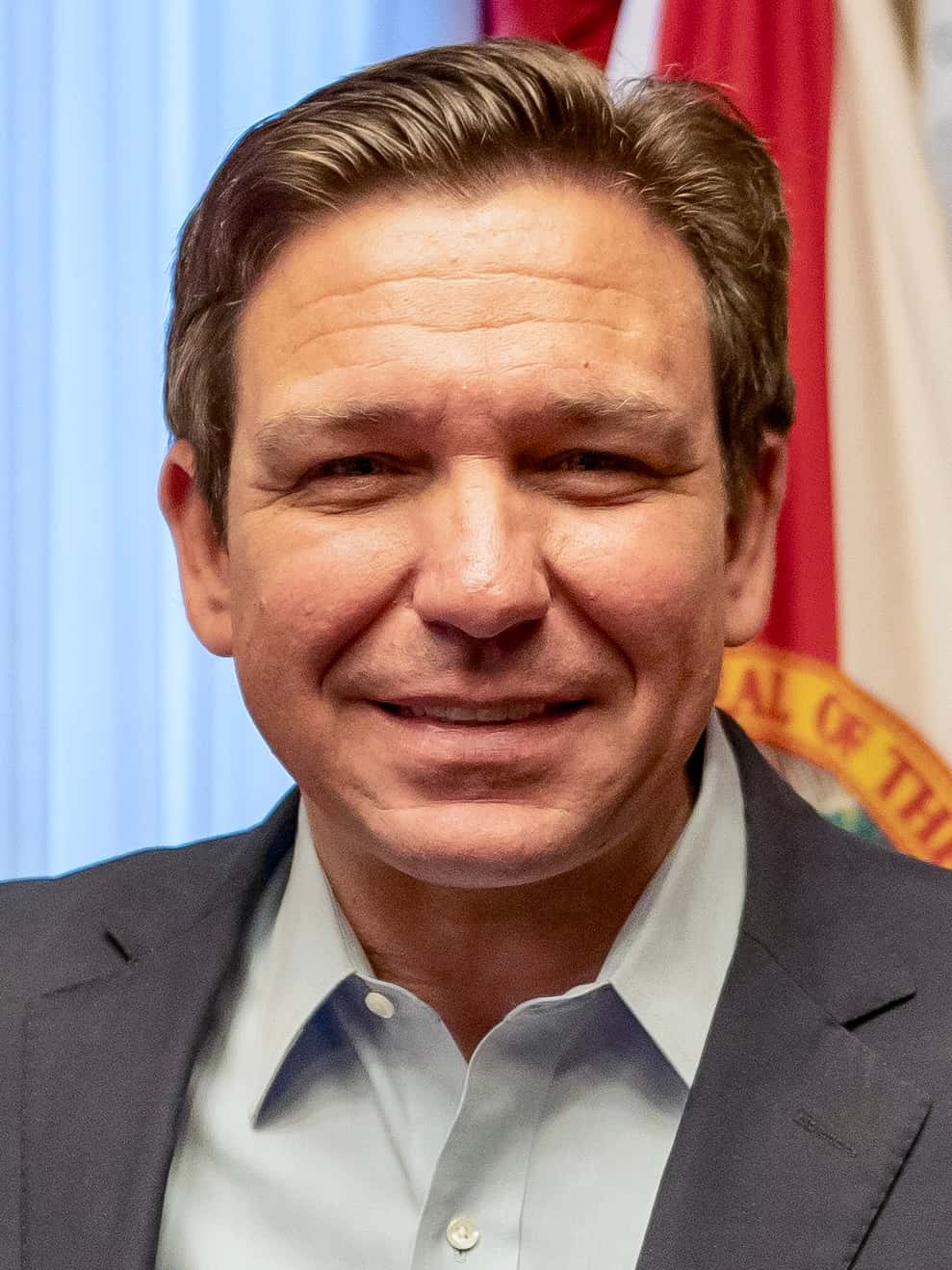
Governor Ron DeSantis has recommended Dr. Henry Mack, currently a U.S. assistant secretary of labor and a former senior official in Florida's education department, to serve as the state's next commissioner of education. The recommendation, announced by the governor's office, sets in motion a leadership change atop an agency that oversees public schools, state colleges and a sprawling set of workforce and student-services programs.
Mack would step into a role central to some of the most closely watched policy fights in Florida, from parental rights and curriculum standards to the continued expansion of school choice. The governor framed the pick around shared priorities, saying Mack aligns with the administration's emphasis on parental rights, school choice, workforce preparation and removing ideological content from classrooms.
The recommendation follows a transition at the top of the department after former Commissioner Anastasios Kamoutsas moved on to a college presidency. Dr. Paul Burns is slated to serve as interim commissioner until Mack is formally confirmed, providing continuity while the appointment works through the required process.
Who Henry Mack is
Mack is not a newcomer to Florida's education bureaucracy. According to the governor's office, he worked within the state's education department from 2019 to 2023, a tenure during which he oversaw a broad portfolio that included the Division of Florida Colleges, career and adult education, vocational rehabilitation, blind services, the Commission for Independent Education and the office responsible for aligning workforce education with economic needs.
That background places workforce development and postsecondary alignment near the center of his experience, an emphasis that fits with the administration's repeated messaging about connecting education to the state's labor market. His current federal post as an assistant secretary of labor reinforces that focus, giving him recent experience at the intersection of education and workforce policy at the national level.
Mack's academic credentials lean heavily toward the humanities and education. He earned bachelor's and master's degrees in philosophy and theology from the Catholic University of America and later completed a doctorate in education administration and the philosophy of education at the University of Miami, a combination that reflects both scholarly training and administrative practice.
The role he would fill
The Florida commissioner of education leads the Department of Education and carries out the policy direction set by the governor, the Legislature and the State Board of Education. The position touches nearly every corner of the state's education system, from early learning and K-12 through the Florida College System, and it functions as the public face of the state's education agenda.
In recent years the office has been at the forefront of implementing a series of high-profile laws and policies, including the dramatic growth of publicly funded scholarship programs that let families direct education dollars toward private schools and other options. Whoever holds the job is responsible for turning those statutory changes into operational reality across dozens of districts and hundreds of thousands of students.
The commissioner also plays a significant role in accountability, overseeing the standards and assessments that determine school grades and shape how districts allocate resources. That gives the office real influence over classrooms even though day-to-day operations remain in the hands of locally elected school boards and district superintendents.
Policy priorities on the horizon
DeSantis tied the recommendation directly to his administration's core education themes. Parental rights, a phrase that has anchored several major Florida laws, remains a central organizing principle, as does the continued build-out of school choice programs that have made Florida one of the most expansive voucher and scholarship states in the country.
Workforce preparation is likely to be a defining theme of a Mack tenure given his professional history. The administration has repeatedly emphasized apprenticeships, career and technical education and pathways that lead students toward in-demand jobs without necessarily requiring a four-year degree, and Mack's background suggests he would prioritize that agenda.
The governor also reiterated his push to remove what he describes as ideological content from classrooms, language that has accompanied changes to curriculum, instructional materials and higher education governance. How Mack navigates those debates, which frequently draw legal challenges and organized pushback, will help define his early months in the role.
What it means for Florida families
For parents, teachers and students, a change at the top of the education department rarely produces immediate, visible shifts in the classroom, but it can influence the tone and pace of implementation for policies already on the books. A commissioner sets priorities for the agency's staff, signals to districts how aggressively new laws will be enforced and shapes the guidance that filters down to schools.
Districts across the state will be watching for early signals on assessment timelines, scholarship program administration and any adjustments to how the department supports lower-performing schools. Continuity under interim leadership should limit disruption in the near term, but the direction Mack sets could affect budgeting and planning as the next school year approaches.
Educators and their organizations, meanwhile, will be attentive to how the new commissioner approaches teacher recruitment and retention, an ongoing concern in a state that has enacted incentive programs aimed at staffing hard-to-fill positions. Workforce alignment cuts both ways here, applying not only to students entering the labor market but to the pipeline of teachers the system depends on.
Local impact across the state
Florida's education system is enormous and diverse, ranging from large urban districts in Miami-Dade, Broward, Hillsborough and Orange counties to small rural systems in the Panhandle and the interior. A statewide commissioner has to balance uniform policy with the very different realities those districts face, and Mack's regional-services background may inform how he weighs those differences.
The Florida College System, which Mack previously helped oversee, is a particular point of leverage. Community and state colleges serve as workforce engines and affordable on-ramps to higher education for hundreds of thousands of Floridians, and a commissioner who understands that sector can shape how it connects to both high schools and employers.
Because so much of Florida's education agenda is set in Tallahassee and executed locally, the relationship between the department and district leaders matters. Superintendents and school boards will be looking for clarity and predictability from the new administration of the agency, especially as they plan for enrollment shifts driven by the state's growing choice programs.
The confirmation path
A recommendation from the governor is the beginning of a process rather than the end of one, and the appointment must be finalized before Mack formally assumes the office. In the interim, the department continues to operate under the leadership of an acting commissioner, ensuring that the agency's day-to-day functions and its obligations to districts and students proceed without interruption.
The transition period also gives the incoming commissioner time to prepare, meeting with agency staff, reviewing pending initiatives and familiarizing himself with the priorities set by the State Board of Education. A smooth handoff matters for an agency whose decisions affect budgeting, assessment schedules and program administration across a system that serves millions of students.
Observers will watch the process for any signals about how Mack intends to approach the role and which issues he plans to emphasize first. The early priorities a commissioner sets often shape the tone of an entire tenure, from relationships with district leaders to the department's posture on contested policy questions.
A department in the spotlight
Florida's education agency has spent recent years at the center of national attention, as the state pursued an aggressive agenda that drew both praise and criticism. Whoever leads the department inherits that prominence, along with the scrutiny that accompanies high-profile policy fights over curriculum, choice programs and the governance of higher education.
The commissioner also serves as a key liaison between state policymakers and the educators who implement their decisions. Teachers, principals and superintendents look to the department for guidance and support, and the relationship between the agency and those on the front lines can influence how effectively new policies translate into results in the classroom.
For a state experiencing steady population growth, the pressures on the education system are ongoing, from accommodating new students to staffing schools and maintaining facilities. The commissioner's ability to manage those practical demands, alongside the politically charged debates that make headlines, will shape the department's effectiveness under new leadership.
Workforce alignment as a theme
Given his professional trajectory, from state education administration to a federal labor post, Mack's tenure is likely to place workforce alignment near the center of the department's agenda. That emphasis connects education to Florida's labor market, prioritizing the skills and credentials employers seek and the pathways that lead students toward in-demand jobs.
Florida has invested heavily in career and technical education, apprenticeships and postsecondary options that do not require a four-year degree, and a commissioner with Mack's experience could accelerate those efforts. The approach reflects a broader philosophy that education should prepare students not only for further schooling but for productive participation in the economy.
The Florida College System, which Mack previously helped oversee, is a key vehicle for that vision, serving as an affordable and accessible link between high schools and the workforce. How the new commissioner strengthens the connections among schools, colleges and employers could shape opportunities for students across the state.
What is next
The recommendation is a step, not a final appointment. Burns will continue to serve as interim commissioner until Mack is officially confirmed, and the process will play out through the appropriate channels before he formally takes the reins. That interim period gives the department stability while the transition is completed.
Once installed, Mack would be expected to articulate his own priorities within the framework the governor has laid out, and to begin the work of managing an agency whose decisions reach into every public school in the state. The early months typically bring a mix of personnel decisions, policy guidance and public appearances that together establish a commissioner's approach.
For now, the appointment signals continuity with the administration's education agenda rather than a change in direction. With a former insider who also brings recent federal workforce experience, DeSantis has selected a candidate whose profile matches the priorities he has emphasized throughout his time in office, and Floridians will learn in the coming months how those priorities translate into action across the state's classrooms and campuses.
Spotted an issue with this article?
Have something to say about this story?
Write us a letterComments
No comments yet. Be the first to weigh in.
Related Coverage

University of Tampa President Teresa Abi-Nader Dahlberg to Step Down at End of Fall Term
1h ago

Broward Schools to Pilot Free Pads and Tampons in Student Restrooms at Seven Campuses
6h ago
Pasco proposes closing Fox Hollow Elementary and remaking two west Pasco schools under 'Elevate 34668'
3d ago

Florida's proposed K-12 science standards face scrutiny ahead of December state board vote
4d ago