Dolphins Face Roster Deadlines in First Year Under Jeff Hafley and Malik Willis
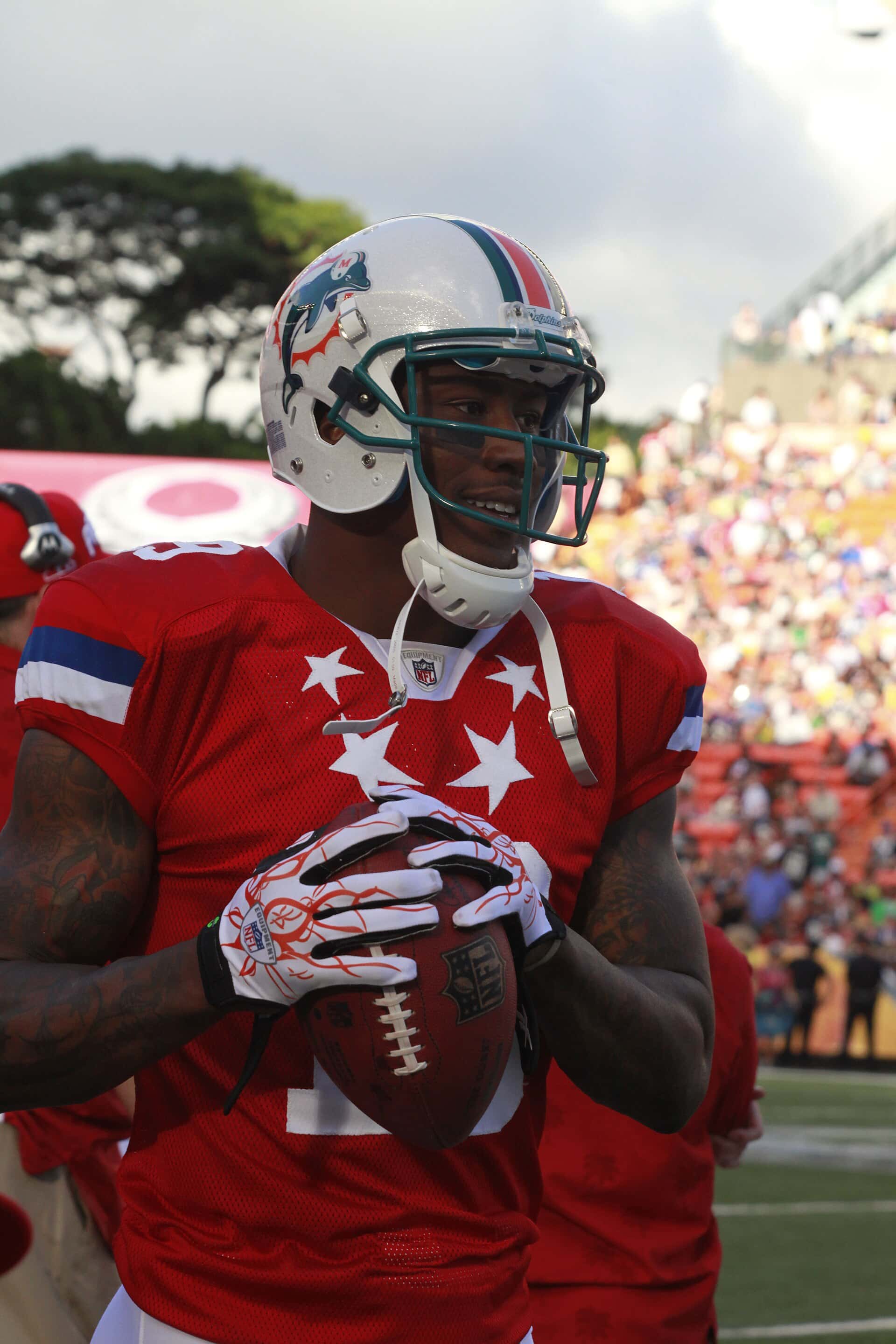
The Miami Dolphins reach the NFL's roster deadlines this week in the middle of the most substantial organizational reset the franchise has undertaken in years. Teams must reduce to 75 players by Tuesday, Aug. 26, and to a final 53-man active roster by Aug. 30, and Miami is making those decisions under a new head coach, a new general manager and a completely rebuilt quarterback room.
The new front of the building
Jeff Hafley took over as head coach for the 2026 season, paired with general manager Jon-Eric Sullivan. Both came to Miami from Green Bay, and their approach has been described as a mobile, high-upside reset rather than an attempt to retool around the existing core.
The clearest expression of that philosophy is at quarterback. Tua Tagovailoa, who started for Miami across multiple seasons, departed and signed with the Atlanta Falcons on a one-year deal. Malik Willis, who followed Hafley and Sullivan from Green Bay, entered camp on a three-year contract reported at $67.5 million and is the projected starter.
Coaching and front office transitions of this scope typically produce heavy roster turnover in year one, because incoming staffs evaluate inherited players against their own schematic preferences rather than against the prior regime's plans.
What the depth chart shows
Miami's first unofficial depth chart of the preseason listed Willis at quarterback alongside running back De'Von Achane and wide receiver Caleb Douglas among the names drawing attention in camp coverage.
Achane remains one of the more explosive skill players on the roster and a central piece regardless of scheme. Wide receiver and offensive line have been the position groups where roster projections have varied most across preseason analysis.
Roster projections published through the preseason have flagged several veterans as candidates to be released, particularly along the defensive line and at running back. Those projections are speculative by nature, but they reflect a consistent read that Miami will carry a younger roster than in recent seasons.
The mechanics of cutdown week
The 75-player deadline on Aug. 26 typically absorbs injured players moved to reserve lists and players whose evaluation is already complete. The larger reduction comes Aug. 30, when rosters drop to 53.
Players released at the 53-man deadline pass through waivers. Teams with higher waiver priority can claim them, and players who clear waivers become free agents eligible to sign to any club's 16-player practice squad. For Miami, the practice squad is a meaningful roster-building tool in a reset year, because it preserves developmental players without occupying active roster spots.
Injured reserve designations add another layer. Players placed on reserve lists before the final cutdown are generally ineligible to return that season, while players placed on injured reserve after the initial 53 is set can be designated to return under league rules.
What a reset year looks like
The Dolphins play in the AFC East, historically one of the league's more competitive divisions, and Miami's recent seasons ended without postseason advancement. The organization's decision to change coaching and personnel leadership simultaneously signals a multi-year horizon rather than an expectation of immediate contention.
For fans, that means the relevant markers this season are developmental rather than positional in the standings: whether Willis establishes himself as a long-term answer, whether the offensive line stabilizes, and whether the young players retained through cutdown develop into starters.
Hard Rock Stadium in Miami Gardens remains one of the more heavily used venues in American sports, hosting Dolphins home games, the Miami Open tennis tournament, University of Miami football and international soccer, which spreads the facility's economic contribution across the calendar.
The Florida NFL landscape
Miami is one of three Florida NFL franchises. The Tampa Bay Buccaneers moved to 2-0 in the preseason with a 16-15 win over Kansas City on Saturday, and the Jacksonville Jaguars opened with a 24-20 win over New Orleans before hosting Carolina.
All three teams face the same league-wide deadlines this week, and all three will publish final depth charts in the days after Aug. 30. The Jaguars are scheduled to host Tampa Bay to close the preseason, one of the intrastate exhibition matchups the league schedules periodically.
Florida's three-team NFL footprint is unusual. Only California and Texas have comparable concentrations, and it means the state's football audience is split across three fan bases with distinct regional identities in South Florida, Tampa Bay and Northeast Florida.
What it means for South Florida
NFL home game weekends generate substantial economic activity in Miami Gardens and the surrounding communities, including hotel occupancy, restaurant traffic and parking and transportation revenue. Eight regular season home dates plus any preseason and postseason games represent the core of that calendar.
Season ticket renewals and secondary market pricing both respond to competitive expectations, and a reset season typically softens both. That effect is generally temporary and reverses quickly when a team returns to contention.
The franchise also supports a substantial youth football and community programming footprint across Miami-Dade and Broward counties, which continues independently of on-field results.
What changing quarterbacks actually costs
Replacing a multi-year starting quarterback resets more than one position. Offensive systems are built around a quarterback's specific strengths: arm strength on intermediate throws, mobility outside the pocket, speed of processing at the line of scrimmage. Changing the player changes the offense.
Malik Willis's profile is different from Tagovailoa's, and the description of the reset as mobile and high-upside suggests an offense that will use designed quarterback movement and play-action rollouts more than the timing-based passing game Miami previously ran.
Receivers and offensive linemen adjust as well. Route timing changes with a quarterback's release and footwork, and protection schemes differ between a pocket passer and a mobile quarterback. Those adjustments generally take a full training camp and part of a season.
The Green Bay connection
Hafley, Sullivan and Willis all arrived from Green Bay, which is a meaningful pattern rather than a coincidence. New leadership groups routinely import players they evaluated in a prior organization, because the evaluation risk is lower on a player whose work habits and system fit are already known.
The contract Miami gave Willis, reported at three years and $67.5 million, reflects the conviction level involved. That is not a bridge-quarterback contract; it is a commitment that signals the organization intends to build around him rather than to hold the position while looking elsewhere.
The corresponding risk is that a player who performed well in one system and one supporting cast may not replicate that performance in another. Quarterback evaluation across organizational contexts has a poor historical track record league-wide.
De'Von Achane and the pieces that remain
Not everything about Miami's roster is new. De'Von Achane remains one of the more explosive skill players in the league and is the kind of player who fits any offensive system, because speed in space translates regardless of scheme.
Running back usage in an offense built around a mobile quarterback typically differs from usage in a timing passing game, with more zone-read concepts and more designed misdirection. Achane's ability to threaten defenses horizontally makes him a natural fit for that structure.
Wide receiver and offensive line have been the position groups where roster projections varied most through the preseason, which is generally a sign that coaching staffs have not settled on their depth ordering and that the final exhibition game carries real evaluative weight.
What a rebuild means for the schedule
The AFC East has historically been a demanding division, and Miami plays six games within it. Beyond that, the NFL's scheduling formula pairs divisions across the league on a rotating basis and adds games determined by prior-year finish.
Teams in the first year of a rebuild typically show improvement over the course of a season rather than from the opening week, as a new system's execution catches up to its design. The relevant comparison for evaluating Miami's season is likely to be its performance in December against its performance in September, rather than its final record alone.
For fans, the markers to watch are turnover margin, third-down conversion rate and sack rate allowed. Those three statistics correlate more closely with sustainable improvement than points scored in any individual game.
The salary cap dimension
Roster construction in the NFL is constrained by a hard salary cap, and releasing a player does not always remove his full cost from the books. Signing bonuses are prorated across the contract term, and releasing a player accelerates the remaining proration into the current or following year as dead money.
That mechanic explains why teams sometimes retain players who appear to be worse than available alternatives: the cap consequence of releasing them exceeds the on-field benefit of the replacement. It also explains why post-June designations and other timing devices are used to spread the impact.
For a team in the first year of a rebuild, dead money from the prior regime's contracts is a common feature. It constrains what the new leadership can do in free agency and typically clears over one to two seasons.
What South Florida fans should measure
Rebuilds are evaluated poorly by won-lost record in year one. More informative markers include whether young players are on the field, whether the team's performance in the second half of games improves relative to the first, and whether penalty and turnover rates decline as the season progresses.
Quarterback development follows its own arc. Completion percentage and yards per attempt are useful but incomplete; the more telling indicators are decision-making under pressure, ball security and whether the offense functions in situations requiring pre-snap adjustment.
Miami's schedule includes six divisional games, and those matchups against familiar opponents typically provide the clearest read on where a rebuilding team actually stands relative to its immediate competition.
What's next
Miami must reach 75 players by Aug. 26 and 53 by Aug. 30. The team will announce transactions through official channels as they are processed, and the practice squad forms in the days following the final cutdown.
The regular season opens in September. Miami's schedule, injury designations and final depth chart will all be published following roster reduction.
The Florida Press will continue to cover the Dolphins through cutdown and into the regular season.
Spotted an issue with this article?
Have something to say about this story?
Write us a letterComments
No comments yet. Be the first to weigh in.
Related Coverage
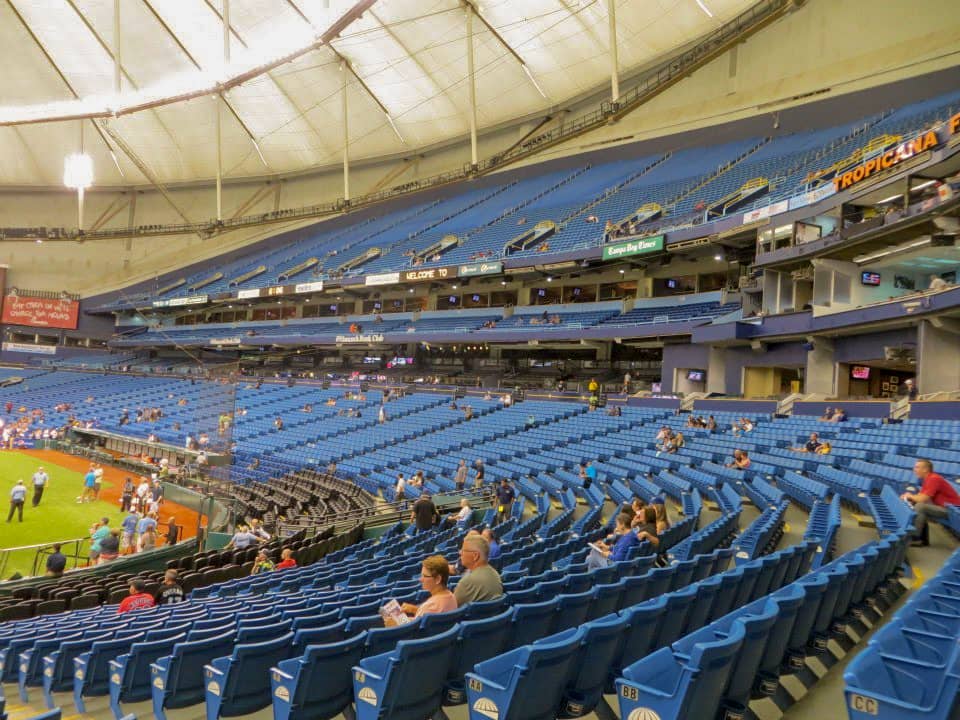
Rays await Guardians or White Sox in ALCS after sweeping Yankees; Game 1 Monday at Tropicana Field
1h ago
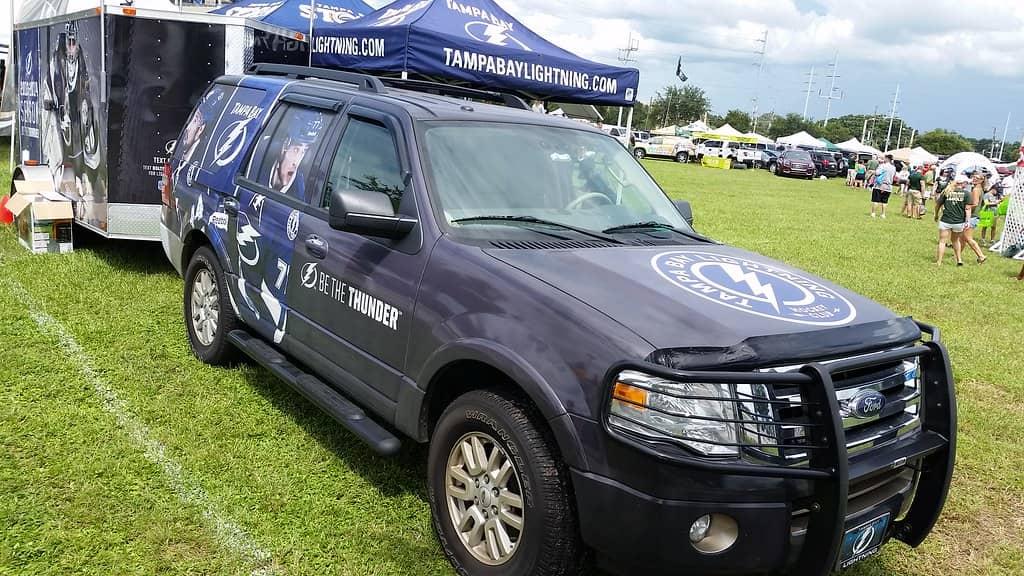
John Carlson scores twice, Dennis Hildeby makes 34 saves as Lightning hold off Wild 3-2
2h ago
Winless Dolphins host Bengals at Hard Rock Stadium seeking first win under Jeff Hafley
22h ago
Hurricane Isaias Scrambles Florida Sports: FSU Cancels Pensacola Games, FAMU Moves to Friday
1d ago