Dolphins Open a New Era Under Jeff Hafley With Nearly Every Familiar Face Gone
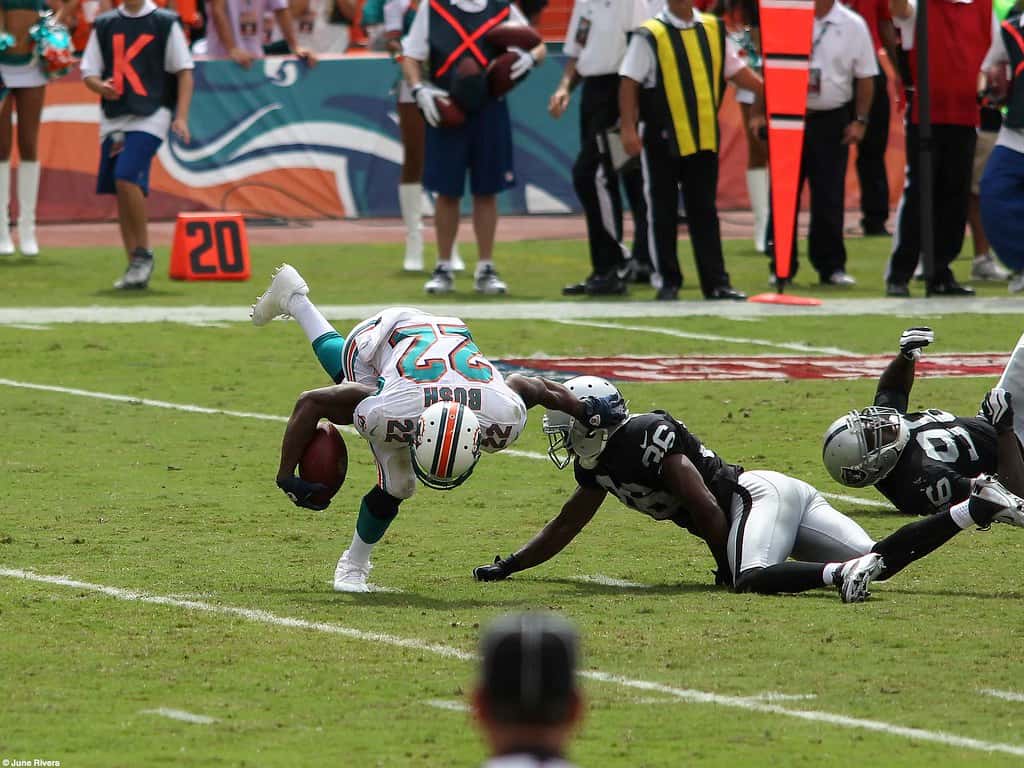
The Miami Dolphins will open the 2026 season on Sunday, September 13 at Las Vegas with a roster that bears almost no resemblance to the one that took the field a year ago. Quarterback Tua Tagovailoa signed with Atlanta, receiver Jaylen Waddle was traded to Denver, receiver Tyreek Hill was released, and head coach Mike McDaniel was dismissed in January after four seasons.
In their place is a rebuild led by head coach Jeff Hafley, hired in January, working alongside a reshaped front office. The organization has spent the offseason and preseason accumulating young players and roster flexibility, including a league-high seven waiver claims in the days following final cuts.
The result is a team that oddsmakers have positioned at the bottom of the AFC. Sportsbooks entered the season listing Miami with the conference's longest odds to reach the playoffs, a market assessment that reflects the scale of the turnover rather than any single evaluation of the personnel involved.
How Miami got here
The McDaniel era produced consecutive playoff appearances and one of the more distinctive offensive systems in the league, built around speed at the skill positions and a passing game designed to create horizontal stress on defenses. It also produced a persistent inability to win games in cold weather and in January, a pattern that became the defining criticism of the tenure.
The quarterback situation compounded the difficulty. Tagovailoa's availability was a recurring question across multiple seasons, and the organization faced a decision about whether to build around a player whose ceiling was evident but whose durability was not. The resolution came through his departure to Atlanta.
Hill's release and Waddle's trade completed the teardown of the offensive core. Both moves carried salary cap implications that the front office presumably weighed against the competitive cost, and both signaled that the organization had chosen a full reset rather than a retooling around existing pieces.
Who Jeff Hafley is
Hafley arrives with a background principally on the defensive side, a departure from his predecessor's offensive orientation. Head coaching hires of that type typically signal an organizational intent to build from the defense outward and to establish a physical identity, though the specific implementation varies considerably by coach.
The early public messaging from the coaching staff has emphasized youth and competition rather than immediate results. Hafley has spoken about embracing a youth movement, framing the season as one in which playing time is earned and evaluated rather than assigned based on prior investment.
That approach is common among first-year coaches inheriting rebuilding rosters, and it serves a practical purpose. A staff arriving without responsibility for previous personnel decisions can evaluate the roster without institutional attachment, which is precisely the value an organization seeks when it changes direction.
The waiver wire strategy
Miami's seven waiver claims following roster cuts led the NFL and reflected the club's position in the waiver priority order, which is set by the previous season's finish. Teams that finished poorly claim first, giving rebuilding clubs first access to players released by others.
The claims spanned multiple positions and included quarterback, defensive back, offensive tackle, tight end and running back additions from teams around the league. Players available on waivers are, by definition, players another organization decided not to keep, but the calculus differs across rosters. A player who cannot crack a contending team's depth chart may have a genuine opportunity on a rebuilding one.
The approach carries a cost in roster stability. Claiming seven players means releasing or reassigning seven others, and the churn makes it harder to establish continuity in schemes that depend on repetition. Organizations in Miami's position generally accept that tradeoff in exchange for volume of evaluation.
Week 1 in Las Vegas
The opener sends Miami to Las Vegas, where the Raiders are managing their own transition. Public reporting has indicated uncertainty about the Raiders' quarterback situation, with veteran Kirk Cousins positioned behind rookie first-round selection Fernando Mendoza, leaving the Week 1 starter an open question heading into the game.
Two teams in transition meeting in Week 1 produces a game that is difficult to project. Neither roster has established an identity, and preseason performance is a notoriously poor predictor of regular season results given the limited participation of front-line players.
For Miami, the practical value of the opener lies in the information it generates. A first meaningful game reveals which young players can handle NFL speed, how the new schemes hold up against live opposition and where the depth chart requires immediate attention.
What a rebuild actually requires
NFL rebuilds follow a reasonably consistent pattern. Organizations accumulate draft capital, create salary cap space by moving veteran contracts, absorb one or more difficult seasons and then attempt to convert accumulated resources into a competitive roster within a defined window.
The variable that determines success is almost always quarterback. Teams that identify and develop a franchise quarterback during the rebuild emerge quickly. Teams that do not tend to cycle through coaching staffs and front offices while the rebuild extends indefinitely, a pattern visible across the league's less successful franchises over the past two decades.
Miami's position on that question is unresolved. The organization moved on from its starter without an obvious long-term replacement in place, which suggests the plan involves acquiring one through the draft in a subsequent cycle. That timeline places meaningful competitive expectations well beyond the current season.
What it means for South Florida fans
The Dolphins occupy the largest share of sports attention in South Florida, and the franchise's fortunes shape the regional sports conversation in a way that no other team quite matches. A rebuilding season changes the nature of that conversation without reducing its volume.
Ticket demand and secondary market pricing typically soften during rebuilds, which creates access for fans who found attendance prohibitive during more successful periods. Hard Rock Stadium has undergone substantial renovation over the past decade and hosts a range of events beyond football, giving the venue a revenue base less dependent on the team's record than was historically the case.
For long-tenured fans, the current situation carries familiar contours. The franchise has not won a playoff game since the 2000 season, a drought that spans multiple coaching staffs, front offices and quarterback situations. Each reset has been presented as the one that would end it.
The AFC East context
Miami's division includes opponents that have themselves undergone substantial change in recent years. Divisional games account for six of seventeen contests, and performance within the division has an outsized effect on playoff positioning through tiebreaker procedures.
For a rebuilding team, divisional games serve a dual purpose. They provide the clearest competitive benchmark against opponents faced twice annually, and they offer the opportunity to affect the playoff prospects of teams higher in the standings, which shapes draft order in ways that matter to the rebuild itself.
The market's assessment of Miami relative to the rest of the conference will be tested across the season's first month. Early results in the NFL tend to move public perception faster than they should, given how much roster and scheme development occurs between September and December.
The salary cap arithmetic behind the teardown
Roster decisions of the scale Miami executed this offseason carry consequences that extend well past the players involved, because NFL contracts distribute signing bonus money across the life of a deal for accounting purposes. When a team releases or trades a player before that money has been fully accounted for, the remaining balance accelerates onto the current or following year's salary cap as dead money, a charge for which the team receives no corresponding player.
Organizations undertaking a full reset generally accept a season or two of elevated dead money as the price of clearing long-term obligations. The strategic logic is that absorbing the charge during a season in which the team was unlikely to contend preserves flexibility for the years in which it intends to. Teams that instead defer those decisions through contract restructures tend to compound the problem, pushing charges into future years and constraining the very windows they were trying to protect.
The practical effect on a fan watching games is indirect but real. A roster carrying substantial dead money is effectively operating with less spending capacity than its competitors, which shows up as thinner depth at positions where injuries accumulate. It is one reason rebuilding teams often perform worse late in a season than their early results suggested they would.
What a successful season would look like
Measuring a rebuilding team by wins alone misses most of what the organization is actually trying to accomplish, and front offices in this position tend to track a different set of indicators. Chief among them is how many young players establish themselves as genuine long-term contributors rather than roster filler, because the difference between a rebuild that takes two years and one that takes five is largely a function of how many draft picks and waiver claims convert into starters.
Development of the offensive and defensive lines is a second marker that experienced evaluators watch closely. Line play is the least glamorous element of roster construction and the most reliably predictive of sustained competitiveness, and teams that emerge quickly from rebuilds almost always did so having solved those positions first. Skill position talent can be acquired comparatively quickly through free agency and the draft; line continuity cannot.
The third measure is simply whether the coaching staff establishes a functional culture and a coherent scheme identity. Rebuilds fail most often not because the talent acquisition was poor but because the organization changed direction again before the plan had time to work, and each reset restarts the clock. Continuity, in that sense, is itself a competitive asset.
What's next
Miami travels to Las Vegas for the September 13 opener, the first competitive measurement of a roster assembled largely within the past eight months. The early weeks of the schedule will determine how quickly the coaching staff can narrow its evaluation of the young players it has accumulated.
Roster movement is likely to continue throughout the season. Teams in rebuilding phases typically remain active on the waiver wire and in trade discussions through the deadline, converting veterans on expiring contracts into future draft capital where the market allows.
The Florida Press will follow the Dolphins through the season, including the development of the young roster, the organization's approach to the trade deadline and the quarterback question that will ultimately determine the rebuild's timeline.
Spotted an issue with this article?
Have something to say about this story?
Write us a letterComments
No comments yet. Be the first to weigh in.
Related Coverage
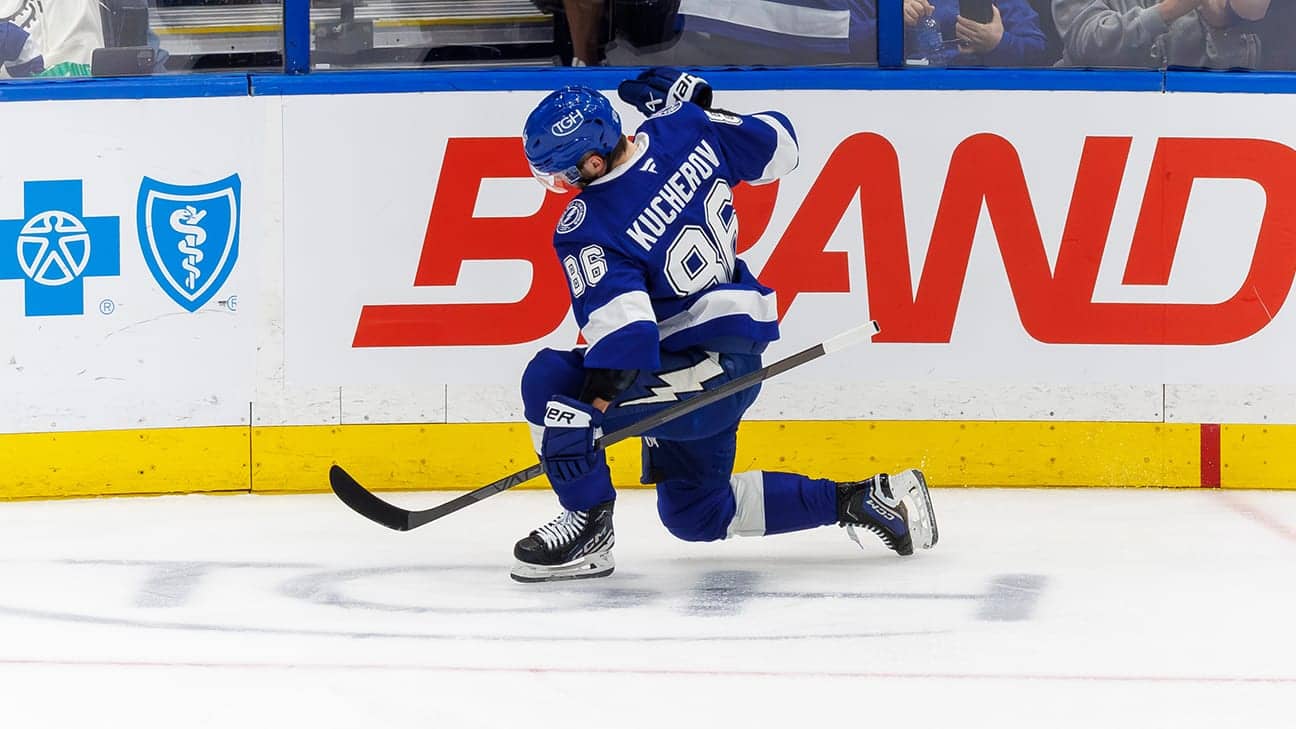
Nikita Kucherov Scores Twice as Lightning Rally From Two Goals Down to Beat Canucks 4-2
1d ago
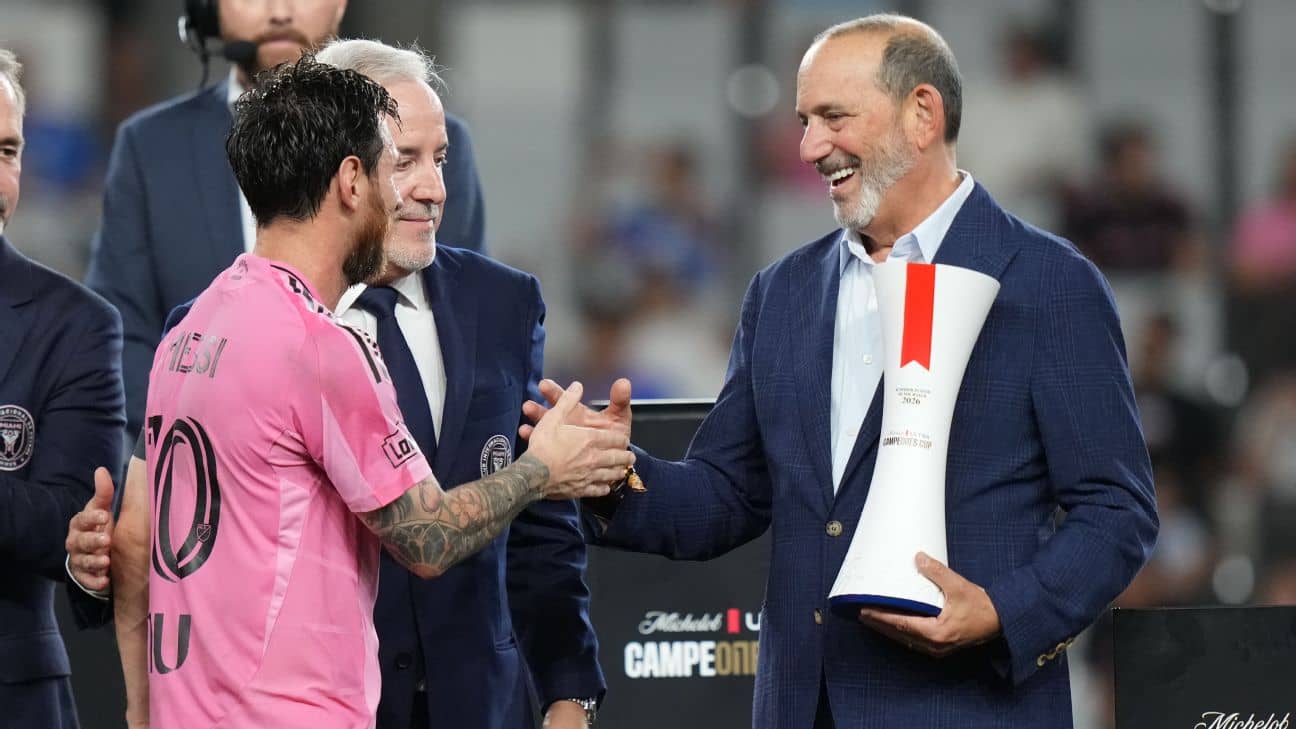
Lionel Messi Scores Twice, Inter Miami Beats Atlanta United 3-1 to Hold Second in the East
1d ago
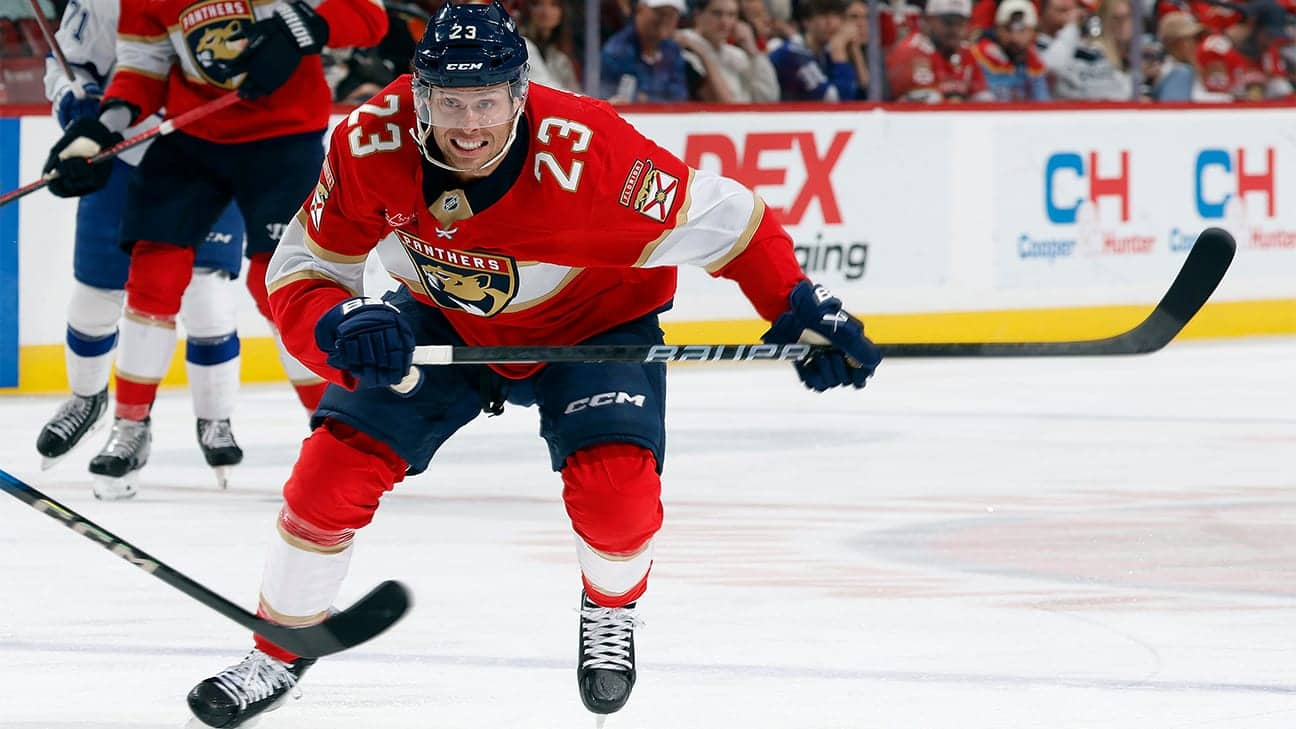
Carter Verhaeghe, Sam Bennett Hat Tricks Power Panthers Past Kraken 8-3 in Record Night
2d ago

Paolo Banchero Scores 24 as Magic Beat Heat 136-115 in Preseason Finale at Kia Center
2d ago