Dolphins Open Camp Under Jeff Hafley With a Roster Built From Scratch
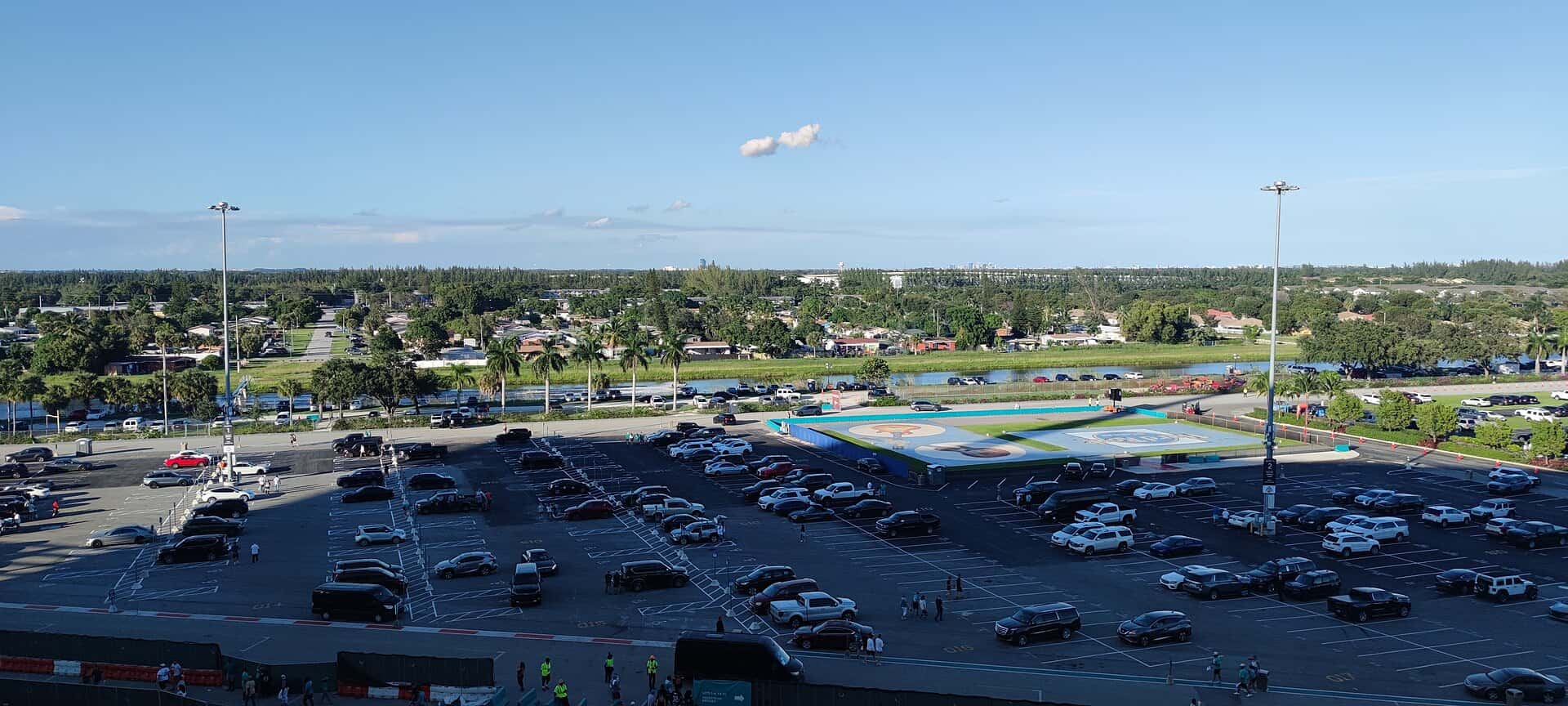
Miami Dolphins veterans reported Tuesday to the Baptist Health Training Complex in Miami Gardens, opening a training camp that runs through late August and marks the start of the Jeff Hafley era. Hafley takes over as head coach following the departure of Mike McDaniel, inheriting a roster that has been substantially rebuilt rather than retooled.
The turnover is the defining feature of this camp. Much of the star power that defined Miami's roster over the past several seasons is gone, replaced by veteran additions and a 13-player draft class that is unusually large by NFL standards. The Dolphins are scheduled to open nine practices to the public, with the first set for 9:30 a.m. on Sunday, Aug. 2.
For a franchise that has spent the better part of two decades searching for sustained relevance, a coaching change paired with a roster reset resets expectations. The questions in Miami this August are foundational ones about identity and structure rather than incremental ones about scheme tweaks.
The coaching transition
Hafley arrives with a defensive background, a contrast with McDaniel, who came up through the offensive side of the game and built his reputation on scheme design and motion-heavy passing concepts. A head coach's background typically shapes where a staff invests its practice time and how a roster is constructed.
Coaching transitions in the NFL compress an enormous amount of installation into a short window. Training camp is where a new staff teaches its terminology, install schedule, and situational rules to a roster that in Miami's case includes a large number of players who have never been in the building before.
The Dolphins have cycled through head coaches at a rate that has drawn attention over the past 20 years, a period during which the franchise has struggled to establish continuity. Ownership has generally moved decisively when results have not met expectations.
Training camp practices are where the staff's approach becomes visible. Practice tempo, the amount of live tackling permitted under the collective bargaining agreement, and the structure of the install schedule all signal how a new coaching staff intends to operate.
The rebuilt roster
Miami's 13-player draft class gives the team an unusually large group of rookies competing for roster spots. Draft classes that size typically indicate a team that accumulated selections through trades and is prioritizing volume and cost-controlled talent over expensive veteran acquisitions.
The veteran additions have been described as journeyman signings rather than marquee acquisitions. That approach reflects salary cap reality more than preference. Teams carrying dead money from prior contracts or working through a reset frequently sign shorter, lower-cost veteran deals to fill out a roster while young players develop.
Roster competition in camp will be broad as a result. When a team turns over a large share of its depth chart, position battles extend well past the marquee spots, and the practice squad becomes a meaningful development tool rather than an afterthought.
The 53-man roster deadline follows the preseason, and teams league-wide make substantial cuts in the final week of August. For a roster with this much turnover, those decisions will shape the season more than they would for a settled team.
What to watch in Miami's camp
Quarterback play remains the position that determines the season for any NFL team. Miami's situation at the position, like the rest of the roster, has been in flux, and the reps distributed through camp and the preseason will indicate the staff's direction.
The offensive line is the other structural question. Line continuity correlates strongly with offensive performance, and units that turn over multiple starters typically need time to develop the communication required for protection calls and combination blocks.
On defense, a coaching staff with a defensive-minded head coach will draw attention for scheme identity. Whether Miami plays more zone or man coverage, how it deploys its front, and how it handles nickel and dime packages will be evident by the joint practice and preseason phase.
Special teams frequently decide games at the margins and are a common path to a roster spot for rookies and fringe veterans. Miami's coverage and return units will be a live competition through the preseason.
The AFC East picture
The AFC East has been a competitive division, and Miami's path to contention runs through it. Division games account for six of 17 regular season games, and division record has an outsized effect on playoff seeding through the tiebreaker structure.
Miami's home venue advantage is real in September. Early-season home games in South Florida heat have historically favored the Dolphins against visiting teams from northern climates, and the team has periodically leaned into scheduling and conditioning around that.
The flip side is late-season road games in cold weather, where Miami has historically struggled. That pattern is well documented and is one of the persistent structural challenges of building a consistent contender in South Florida.
The Dolphins open the regular season in September following the preseason slate. Their schedule, like every team's, was released in the spring, and the early stretch will provide an early read on whether the rebuild is ahead of or behind schedule.
What it means for South Florida fans
Public practices are the most accessible way for fans to see the team during camp. Nine open sessions is a substantial number, and the first is scheduled for Aug. 2. Attendance at open practices typically requires advance registration, and the team publishes details through official channels.
Season expectations should be calibrated to the amount of turnover. Teams that change head coaches and rebuild large portions of a roster in the same offseason rarely produce immediate results, and the more meaningful evaluation in year one concerns development and structure.
Hard Rock Stadium in Miami Gardens hosts the home schedule and has been through substantial renovation over the past decade. The venue also hosts major events beyond the NFL, including college football, the Miami Open tennis tournament, and matches during the 2026 FIFA World Cup.
South Florida's sports calendar is crowded in the fall, with the Dolphins, Hurricanes football, the Panthers and Heat opening their seasons in October, and the Marlins finishing theirs. Attention and ticket dollars compete across all of them.
How NFL training camp works
The collective bargaining agreement governs camp structure closely. It limits the number of padded practices, mandates acclimation periods before full contact, and restricts consecutive days of padded work. Those rules were negotiated to reduce injury risk and have reshaped how staffs allocate practice time.
Teams typically run an installation schedule that introduces offensive and defensive concepts in blocks, revisiting each as camp progresses. New coaching staffs face a heavier installation load because nothing carries over from the prior season's terminology.
Joint practices with other teams have become the preferred evaluation setting for many staffs. They provide competitive reps against unfamiliar opponents in a controlled environment, and many coaches consider them more valuable than preseason games for assessing players.
Preseason games themselves have declined in evaluative importance for established starters, who often play sparingly or not at all. For roster bubble players, however, preseason snaps remain the primary opportunity to make a case.
The economics of a rebuild
Salary cap structure drives much of what teams can do in a given year. Dead money, the cap charges remaining from released or traded players' prorated signing bonuses, constrains spending in the years following a roster teardown.
Teams working through that constraint typically prioritize cost-controlled rookie contracts and short-term veteran deals. A 13-player draft class fits that model, providing four years of controlled cost at each position filled.
Draft capital accumulation is the other half of the strategy. Teams trading veterans for future picks convert current-season assets into future flexibility, which is the standard mechanism for a reset.
The timeline for such a rebuild is typically two to three seasons before a roster reaches competitive maturity. Evaluating year one on win total rather than on development progress generally produces misleading conclusions.
South Florida's football landscape
The Dolphins are the only NFL franchise in South Florida and have been since joining the American Football League in 1966. The franchise's perfect 1972 season remains the only one in NFL history, and it anchors an institutional history that shapes fan expectations decades later.
Hard Rock Stadium in Miami Gardens serves the team along with the Miami Hurricanes and a range of major events. The venue underwent extensive privately funded renovation over the past decade, adding a canopy, reconfigured seating, and premium areas.
Competition for attention in the market is unusual by NFL standards. The Heat, Panthers, Marlins, Hurricanes, and Inter Miami all draw significant followings, and South Florida's transient population includes large numbers of fans of teams from elsewhere.
That environment makes winning particularly valuable in the market. Attendance and local media engagement in South Florida respond to on-field results more sharply than in markets with more entrenched single-team loyalty.
What's next
Camp practices continue through August, building toward joint practices with other teams and the preseason schedule. Joint practices have become the preferred evaluation environment for many coaching staffs, offering competitive reps against unfamiliar opponents without full preseason game risk.
Roster cuts to the 53-man limit come at the end of August, followed by practice squad formation. Those decisions will reveal how the staff evaluated the large rookie class relative to the veteran additions.
Injuries during camp are the largest variable. Soft tissue injuries in the first two weeks of camp are common league-wide, and depth at premium positions is tested early.
The season opens in September. For a franchise starting over on the sideline and across the depth chart, the first month will set the tone for how the Hafley era is received in South Florida.
Spotted an issue with this article?
Have something to say about this story?
Write us a letterComments
No comments yet. Be the first to weigh in.
Related Coverage
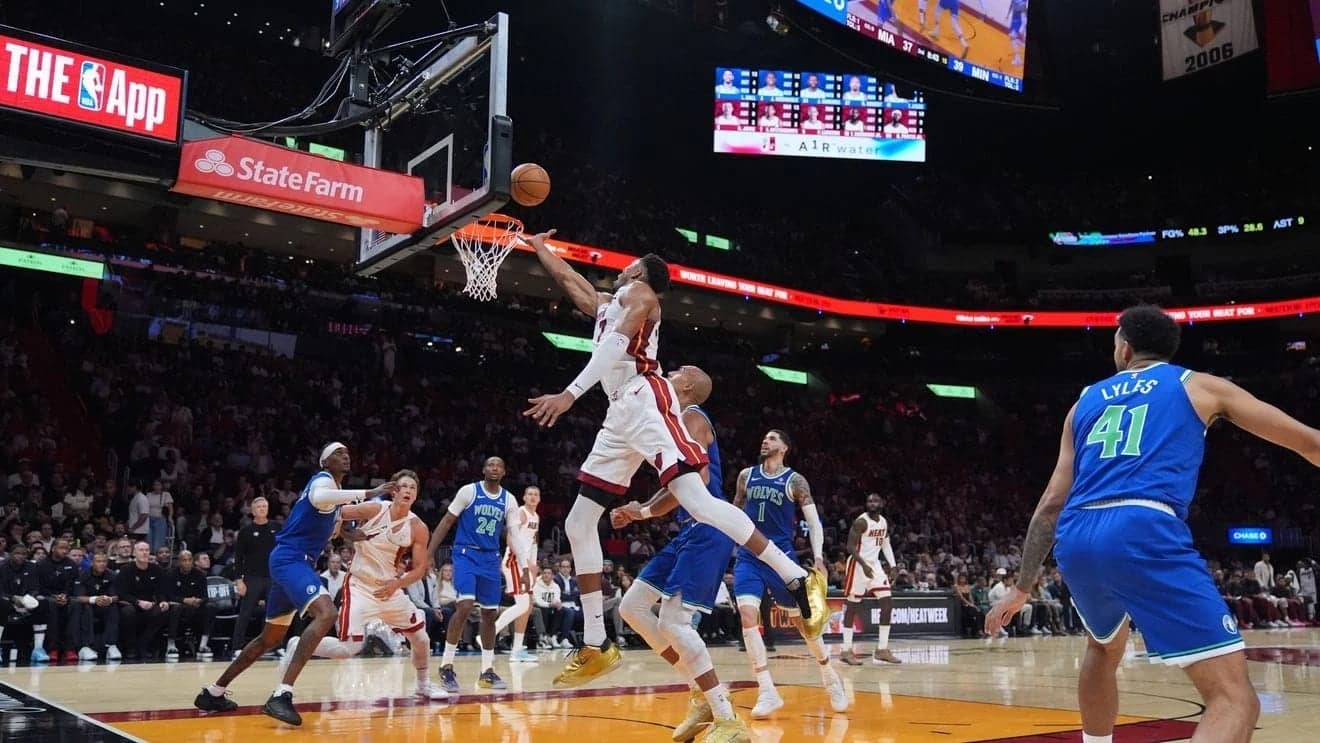
Cooper Flagg Outduels Giannis Antetokounmpo as Mavericks Beat Heat 113-109, Miami Falls to 0-4
4h ago
Lars Eller's First Goal as a Panther Lifts Florida Past Blackhawks 3-2, Snapping Two-Game Skid
1d ago
Gators Rise to No. 17 in AP Poll During Bye Week, Face No. 3 Georgia in Atlanta as Double-Digit Underdogs
1d ago
Franz Wagner Scores 21 in the Fourth as Magic Rally Past Defending Champion Knicks 111-102 for First Win
1d ago