Florida Joins FTC and 19 Other States in Lawsuit Accusing Dollar General of Overcharging Shoppers at Checkout
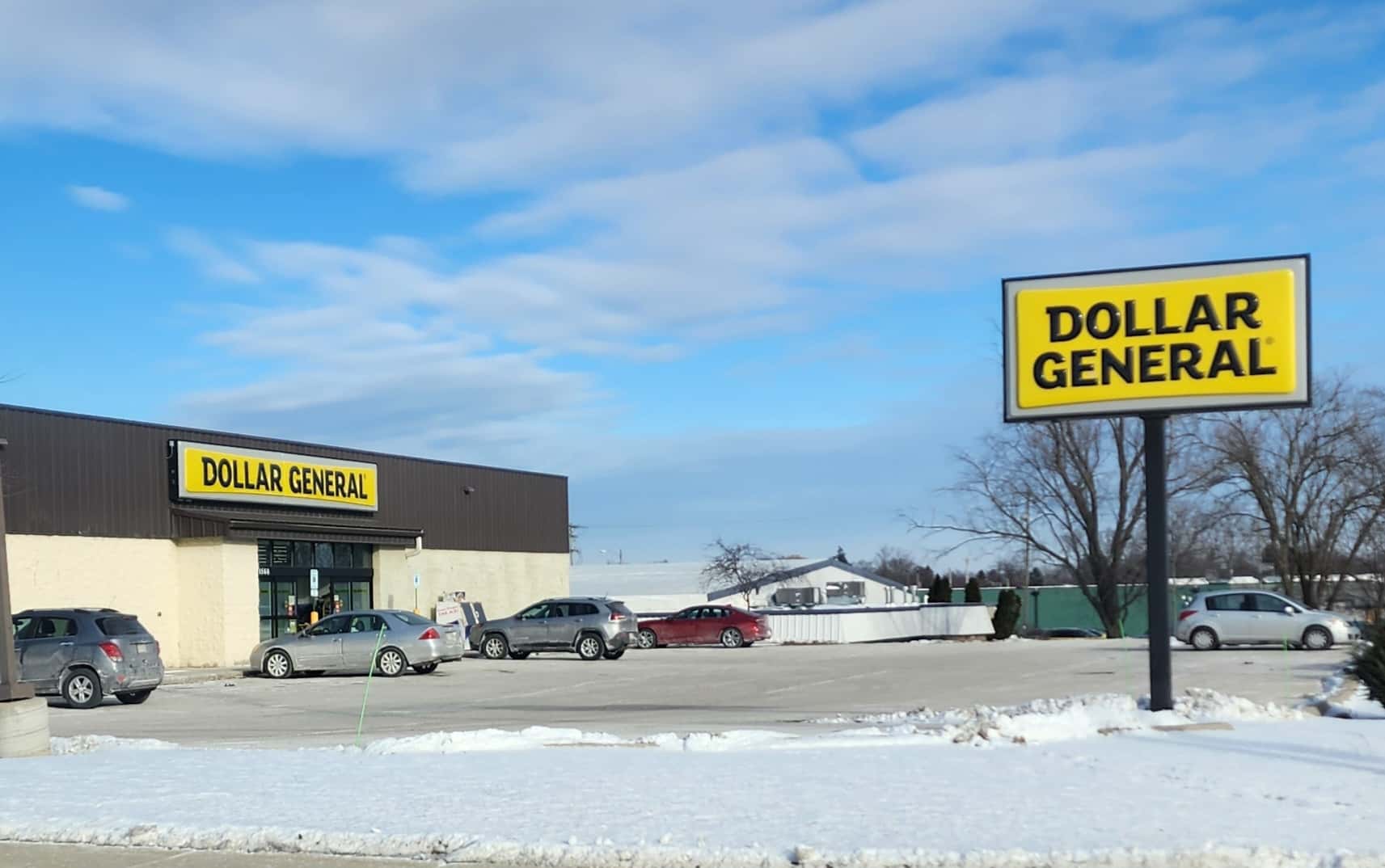
Florida has joined the Federal Trade Commission and 19 other states in a federal lawsuit accusing Dollar General of routinely charging customers more at the register than the prices shown on its shelves, price tags and advertisements. The complaint, announced Monday, Oct. 26, and filed in the U.S. District Court for the Middle District of Tennessee, alleges the overcharging was widespread, ran for years and continued even after the discount chain received tens of thousands of customer complaints.
The case matters for Florida because Dollar General is one of the most common storefronts in the state, especially in rural counties and lower-income neighborhoods where it may be the closest place to buy groceries and household basics. The company reported 1,061 stores in Florida in its annual report filed in early 2024, among the largest totals of any state.
What the lawsuit alleges
According to the complaint as described by the FTC and news outlets, Dollar General charged shoppers more at checkout than the prices it displayed, a practice regulators say affected millions of purchases in thousands of stores. The FTC said the chain mislabeled prices for years, "extracting millions of dollars in unlawful overcharges." The complaint does not put a single dollar figure on the total harm, according to FOX 13 Tampa Bay.
The filing covers alleged misconduct from Jan. 1, 2019, through March 31, 2026. Regulators say the company's own records show the problem was no secret inside Dollar General. Between Jan. 1, 2023, and March 31, 2026, the company logged at least 29,265 customer complaints under a "Did Not Honor Marked Price" category across all 48 states where it operates, according to coverage of the complaint published by Yahoo Finance. Internal audits and government inspections showed recurring pricing discrepancies across the chain's footprint, the filing says.
The complaint alleges Dollar General "failed to implement adequate safeguards to eliminate recurring register overcharges." It also contrasts the company's public promise to "own our actions and decisions and learn from our mistakes" with what regulators describe as years of inaction.
The FTC voted 2-0 to authorize the complaint. The agency and the states allege violations of the FTC Act, which bars unfair and deceptive business practices, the Gramm-Leach-Bliley Act and multiple state consumer protection laws. The allegations have not been proven in court.
Who is suing
The 20 states that joined the FTC as plaintiffs are:
- Alabama, Arizona, Arkansas, California and Connecticut
- Florida, Illinois, Iowa, Kansas and Louisiana
- Michigan, Mississippi, Nebraska, New Jersey and North Carolina
- Ohio, Oklahoma, Tennessee, Utah and Wisconsin
The coalition crosses party lines, pairing states with Republican attorneys general, such as Florida, Alabama and Tennessee, with states that have Democratic attorneys general, such as California, Illinois and New Jersey. Florida's participation runs through the office of Attorney General James Uthmeier. As of Tuesday, The Florida Press had not located a separate Florida-specific statement or estimate of how many Floridians were affected.
Christopher Mufarrige, director of the FTC's Bureau of Consumer Protection, said in announcing the case that Dollar General "has betrayed the trust of millions of American consumers."
Why regulators say low-income shoppers were hit hardest
Regulators emphasized that the alleged overcharges fell heaviest on low-income and fixed-income customers, the core of Dollar General's business. Households earning $35,000 a year or less account for about 60% of the company's revenue, and the chain stocks roughly 2,000 items priced at $1 or less, according to the Yahoo Finance report. The complaint quotes the company's own chief executive describing its core shoppers as people who "run out of money before the month runs out" and saying they "remained under financial pressure in 2025."
That profile fits much of Dollar General's Florida customer base, including shoppers in small towns where the nearest full-size supermarket may be miles away. A shopper who is overcharged a few cents or a dollar on a single item may not notice, but regulators argue that small discrepancies repeated across millions of transactions add up to a large transfer from customers who can least afford it.
Dollar General's response
Dollar General disputed the lawsuit in a statement released the same day. "Our goal is 100% accuracy between shelf and register prices in every store," the company said, according to CBS News. The retailer acknowledged that occasional discrepancies can happen, as they do at other retailers, and said, "In recent years, we have enhanced our price-accuracy processes." It said store teams are expected to correct discrepancies when they find them.
The company said it learned of the FTC investigation in early February and cooperated, producing more than 200,000 documents and over 350 gigabytes of data, according to its statement as summarized in news reports. Dollar General said the FTC sent a draft complaint and settlement order in September with a monetary demand that was "orders of magnitude larger than" a realistic estimate of what pricing discrepancies actually cost customers. The company said it tried to settle "without litigation" and proposed a different way to calculate a settlement range, and that it will "defend this litigation vigorously."
Dollar General shares fell about 4% after the FTC announced the suit, according to multiple reports.
A long record of pricing complaints
The federal case builds on years of state-level enforcement. Between 2019 and 2026, Dollar General entered seven settlements with six state attorneys general and consumer protection agencies over inaccurate pricing, paying more than $6 million in penalties, according to the complaint as reported by Yahoo Finance.
Ohio Attorney General Dave Yost sued the chain in 2022 after inspectors found error rates at some stores ranging from 16.7% to 88.2%. In 2023, Missouri's attorney general and state agriculture department audited 147 Dollar General stores and reported that 92 failed. Pennsylvania later reached a $1.55 million settlement with the company over alleged overcharges. A Guardian investigation found Dollar General stores had failed more than 4,300 government price-accuracy inspections in 23 states since January 2022.
Separately, a New Jersey state judge in March 2026 granted final approval to a nationwide class-action settlement over shelf and register price mismatches, valued at about $15 million, including an $8.5 million cash fund and about $6.5 million in discounts. Dollar General denied wrongdoing in that case. The claim deadline for that settlement passed in April 2026, so it does not offer a path for new claims.
What Florida shoppers can do
The lawsuit does not require consumers to take any action now, and it is too early to know whether it will produce refunds. The FTC and the states are seeking civil penalties, consumer restitution, disgorgement of profits, a permanent injunction and court-ordered pricing controls, according to reports on the complaint. If the case ends in a settlement or judgment that includes refunds, the FTC typically announces how affected customers can claim them.
In the meantime, shoppers can protect themselves by checking receipts before leaving the store and asking a cashier to correct any item that rings up higher than its shelf tag. Floridians who believe they were overcharged can file a complaint with the Florida Attorney General's Office through its fraud hotline, 1-866-9-NO-SCAM (1-866-966-7226), or its online complaint form. Complaints can also be filed with the FTC at ReportFraud.ftc.gov.
What's next
Dollar General will have the chance to formally answer the complaint in federal court in Tennessee, the company's home state. No hearing date had been reported as of Tuesday. Given the company's statement that it intends to fight the case, the litigation could take months or longer unless the two sides return to settlement talks.
For Florida, the outcome could shape how the state's more than 1,000 Dollar General stores price goods at the register, and whether Floridians who were overcharged see any money back. The Florida Press will update this story as the Attorney General's Office or the court releases more details.
Spotted an issue with this article?
Have something to say about this story?
Write us a letterComments
No comments yet. Be the first to weigh in.
Related Coverage

Daylight Saving Time Ends Sunday in Florida as Push to Lock the Clock Stalls in the U.S. Senate
1h ago

Poll watchers, DOJ monitors and Florida law: what voters can expect at the polls on Nov. 3
19h ago

María Corina Machado returns to Venezuela after nearly a year in exile, stirring hope and doubt in Doral
21h ago
Free national park entry on Theodore Roosevelt's birthday: what it means at the Everglades, Dry Tortugas and Florida's other park sites
23h ago