Dolphins Open Jeff Hafley's First Camp With an Emphasis on Contact and Strain
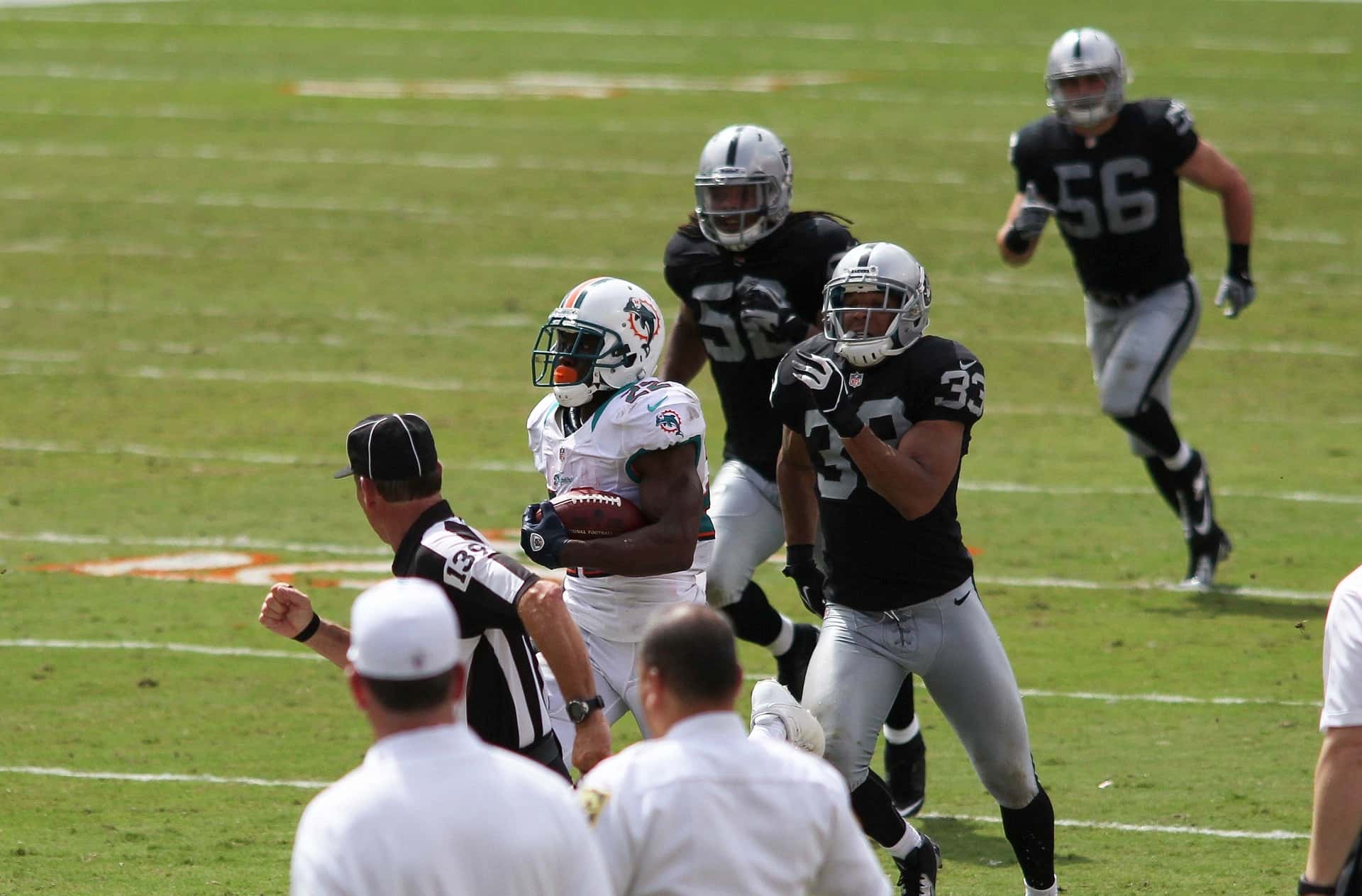
The Miami Dolphins held their second training camp practice of 2026 on Thursday at the Baptist Health Training Complex, and new head coach Jeff Hafley had told his team in advance what to expect. Hafley said the session was expected to be the hardest and longest of the week, and the takeaway from observers was the intensity of the work: every play contested, high strain throughout.
Hafley was named the 12th head coach in Dolphins history in January, arriving from Green Bay where he had served two seasons as the Packers' defensive coordinator. Before that he was the head coach at Boston College from 2020 through 2023, leading the Eagles to bowl eligibility in three of four seasons, including a win over then-No. 17 SMU in the Wasabi Fenway Bowl to close the 2023 campaign. The 2026 season is his 26th year coaching, his 10th in the NFL, and his first in Miami.
Coaching changes are usually described in terms of scheme. What is visible in the first week of a first camp is something more basic: how a new staff intends to practice, and what it is willing to spend physically to establish that.
What Hafley is building
Hafley has been explicit about one methodological preference that departs from common NFL practice. He does not like 7-on-7 drills, on the grounds that they foster bad habits. The reasoning is familiar to defensive coaches: in 7-on-7, there is no pass rush and no offensive line, which means quarterbacks hold the ball longer than they ever would in a game and defensive backs are asked to cover for durations that do not occur in real football.
The alternative is more individual position work and more 11-on-11 team periods. That structure trades some volume of passing game repetitions for realism, and it puts more of the practice script into situations where all 22 players are operating against each other.
For a first-year head coach, that choice is also a statement about identity. A camp built around individual technique and full-team competitive periods signals that fundamentals and situational execution are the priorities, rather than accumulating throw counts.
The tradeoff is workload. Full team periods are more physically taxing than 7-on-7, and managing that load across a camp is the balancing act every staff faces. Telling players in advance that practice two would be the hardest of the week is itself a load management approach: it sets expectations and lets players prepare.
The early standout
Through two days, the player generating the most attention has been rookie inside linebacker Jacob Rodriguez. On Thursday, Rodriguez punched the ball out of running back De'Von Achane's hands for a forced fumble. Across the first two practices of his first NFL training camp, he has recorded a forced fumble and two pass breakups.
Ball disruption from an inside linebacker is exactly the trait that gets a rookie onto the field early. Punching at the ball on contact is a coachable habit, and defensive staffs emphasize it heavily in camp precisely because it is the kind of play that swings games without requiring elite athleticism.
Achane, for his part, is among the most explosive players on the roster, and being stripped by a rookie in a padless early camp practice is the sort of thing that gets corrected quickly. Ball security drills are a staple of the offensive install for exactly that reason.
Two practices is a very small sample, and camp standouts in late July do not reliably become contributors in October. But the specific plays Rodriguez has made are the kind coaches remember when they set the depth chart.
The first camp practice report
The opening session produced a mix of fumbles and interceptions, which is the ordinary state of a first practice when defenses are ahead of offenses. That gap is nearly universal in early camp: defensive assignments are simpler to execute at full speed than offensive timing, and the offense is typically installing new concepts against a defense running base looks.
The pattern usually reverses by the second week, once the offense has more of its install and timing has been repeated enough to hold up against pressure. Reading too much into early-camp turnover counts is a common error.
What is more meaningful is which players are on the field with which units, how the offensive line combinations are arranged, and where the coaching staff is spending its correction time. Those signals carry into the regular season more reliably than any single practice result.
What it means for Dolphins fans
Miami enters this season under new leadership after a period in which the franchise's ceiling and its consistency have both been questioned. A defensive-minded head coach represents a direction, and camp is where that direction becomes observable rather than theoretical.
Fans get their first live look on Sunday, August 2, when training camp opens to the public at the Baptist Health Training Complex. The Dolphins were back on the field Friday following Thursday's session.
Public practices offer something television coverage does not: the ability to watch position drills, see which players are working with the first unit, and observe how coaches interact with the roster. For a first-year staff, that access is the clearest available window into how the team is being built.
The AFC East picture
Miami's division has been among the more competitive in the AFC, and the Dolphins' path back to contention runs through it. Every NFL team is opening camp under similar conditions this week, which makes early-camp reporting more about internal development than about comparative standing.
The preseason schedule will provide the first game-condition evidence, though starters play limited snaps and results carry little predictive weight. Roster cuts to the regular season limit follow in late August, and that process is where camp performance translates into concrete outcomes for players on the bubble.
For a new head coach, the more important milestone is the first regular season game, when the practice methodology, the scheme installation, and the personnel decisions all get their first real test.
What changes when a defensive coach takes over
Head coaches bring the habits of the side of the ball they came from, and the effects show up in practice structure, in situational emphasis, and in how a roster is built over time. Hafley spent two seasons running Green Bay's defense before taking the Miami job.
Defensive-minded staffs typically allocate more practice time to situational football: third down, red zone, two-minute, and short yardage. Those are the phases where defensive coaches have historically found the largest margins, and they translate directly into the close games that decide NFL seasons.
Personnel priorities shift as well. Teams led by defensive coaches tend to invest earlier in the front seven and secondary, and they tend to value special teams contribution more heavily in roster decisions at the back end because those units draw from defensive reserves.
None of that predicts success. Both defensive and offensive backgrounds have produced championship coaches and unsuccessful ones. What it does predict is the texture of a training camp, which is what is visible in Miami this week.
The rules that shape an NFL camp
Training camp practice is governed by the collective bargaining agreement, which limits what teams can do and when. Clubs must observe an acclimation period before padded practices begin, and the number of padded practices during camp and the regular season is capped.
Those limits were negotiated for player health reasons, and they meaningfully constrain how coaches evaluate. Line play, tackling, and short-yardage execution cannot be assessed properly without pads, which is why the first padded practice is the milestone that matters more than the first practice.
Contact rules also govern what happens within a practice. Full contact, thud, and no-contact periods carry different expectations, and players and coaches police the boundary. When a coach describes a practice as high strain, that generally refers to effort and competitiveness rather than to collisions.
Joint practices with other teams, where scheduled, provide the most valuable evaluation available before the regular season, because they present unfamiliar opponents in a controlled environment without the injury exposure of a preseason game.
What to watch as camp progresses
The offensive line is the position group that most reliably determines an NFL season and is least evaluable in the first week. Combinations, particularly at guard and right tackle, tend to be settled through padded practice and preseason snaps rather than declared in advance.
The defensive front rotation is the corresponding question on the other side, and it is where a new coordinator's scheme fit becomes visible. Players acquired for a previous system sometimes thrive in a new one and sometimes do not, and camp is where that becomes apparent.
Roster decisions follow. Every NFL club must reduce to the regular season limit in late August, and the practice squad provides a mechanism to retain developmental players. For the 30 or so players who will not survive that cut, the next month is the whole season.
What's next
The Dolphins continue camp at the Baptist Health Training Complex, with the first fan-accessible practice on Sunday, August 2. The team publishes its public practice schedule, and access details are available through the club.
Padded practices, joint practices with other teams, and preseason games follow over the coming weeks, each adding a layer of contact and game realism to the evaluation. The roster must be trimmed to the regular season limit before the season opens.
Miami's most consequential camp storylines, including the offensive line, the defensive front rotation, and how Hafley's scheme fits the personnel already on the roster, will clarify as pads go on. The Florida Press will continue reporting from Dolphins camp.
Spotted an issue with this article?
Have something to say about this story?
Write us a letterComments
No comments yet. Be the first to weigh in.
Related Coverage
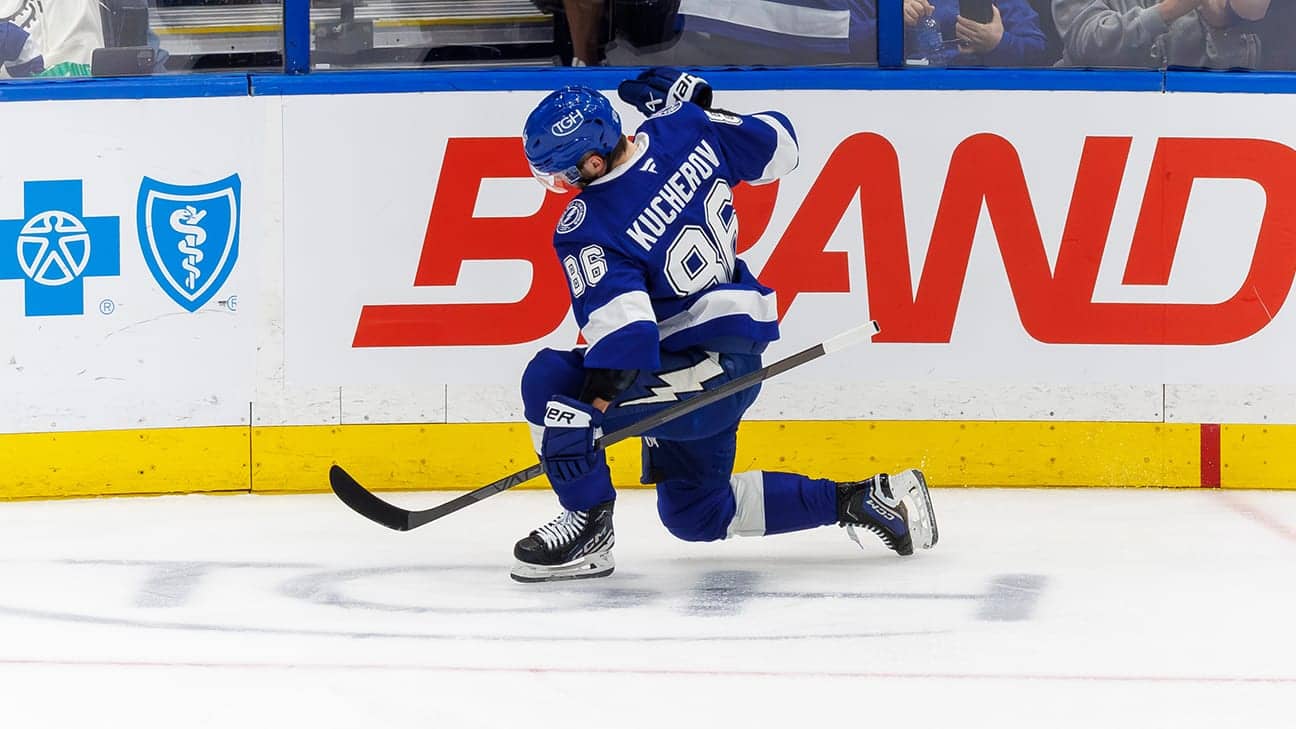
Nikita Kucherov Scores Twice as Lightning Rally From Two Goals Down to Beat Canucks 4-2
19h ago
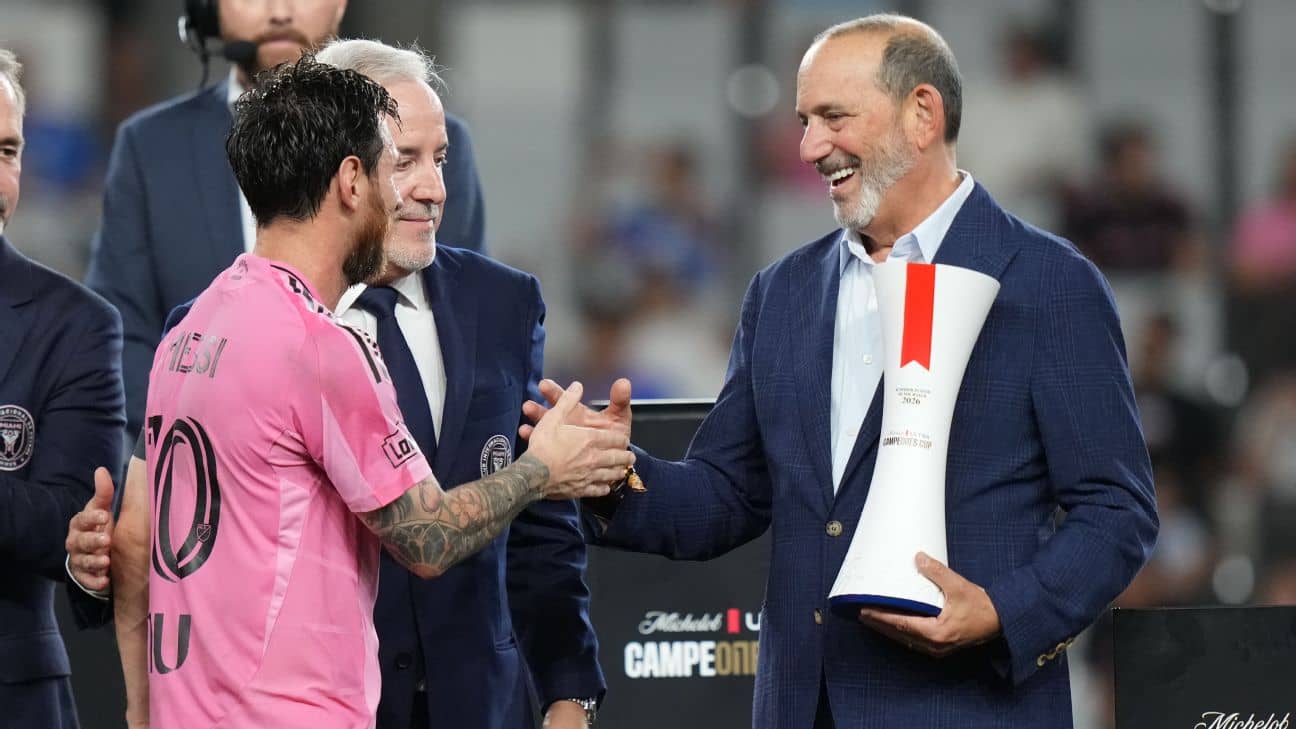
Lionel Messi Scores Twice, Inter Miami Beats Atlanta United 3-1 to Hold Second in the East
20h ago
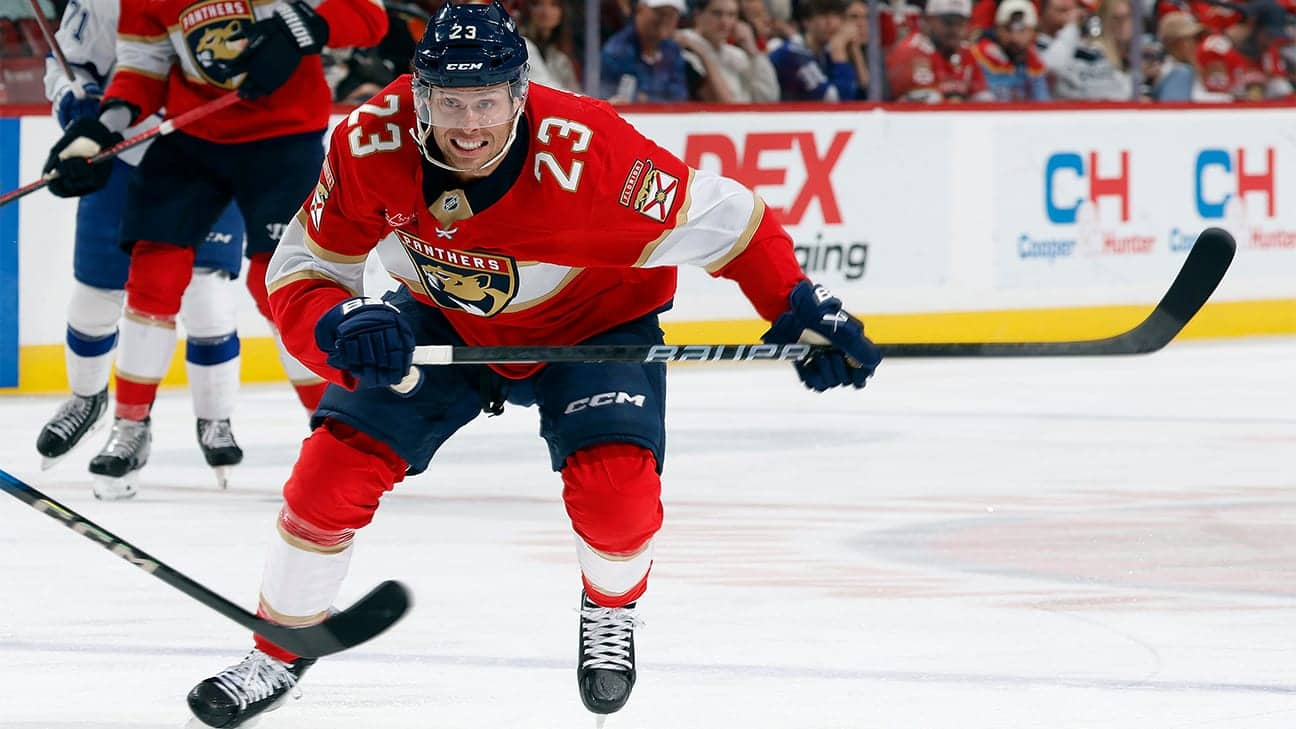
Carter Verhaeghe, Sam Bennett Hat Tricks Power Panthers Past Kraken 8-3 in Record Night
23h ago

Paolo Banchero Scores 24 as Magic Beat Heat 136-115 in Preseason Finale at Kia Center
1d ago