Raiders Hand Dolphins a 27-13 Loss in Week 1
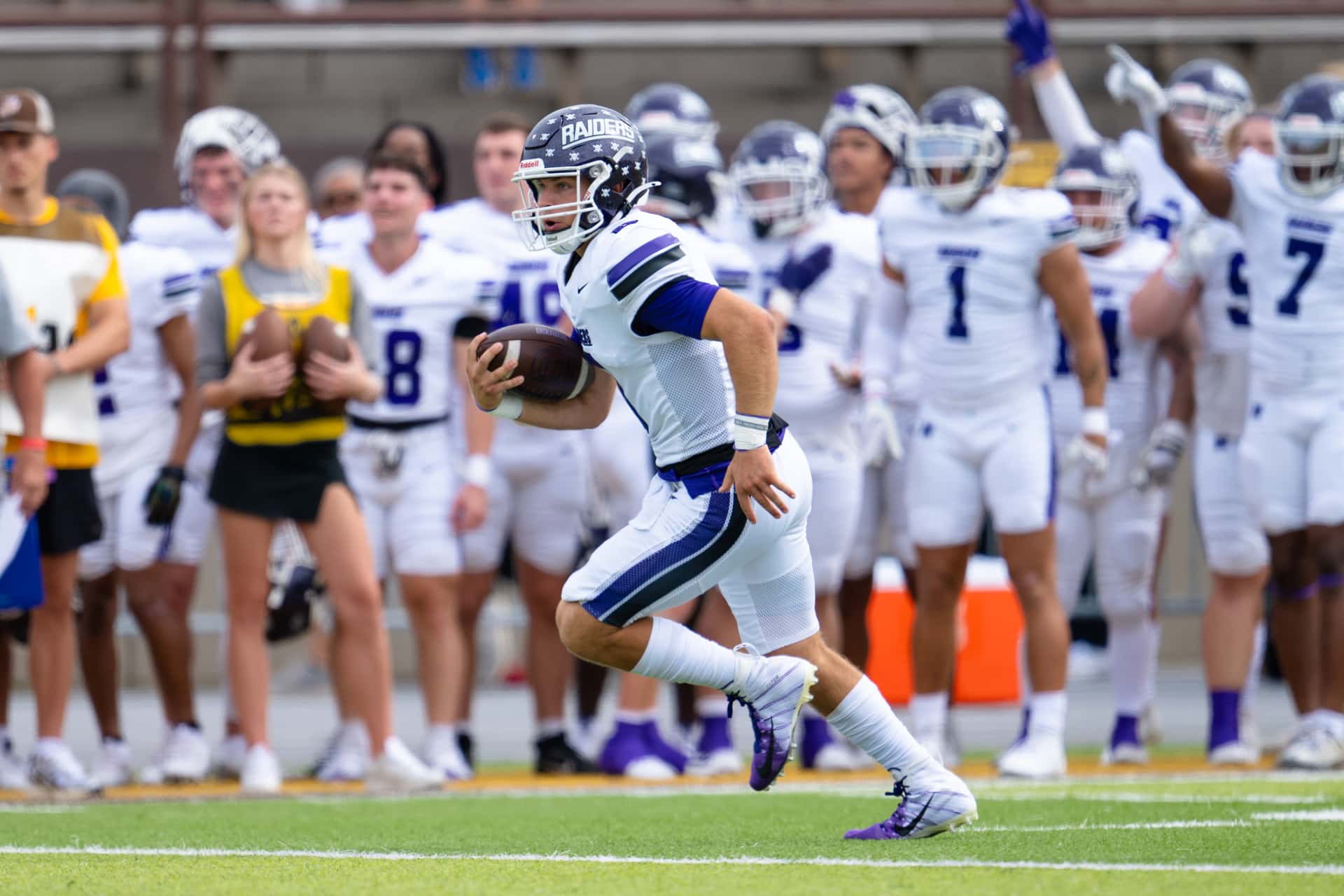
The Miami Dolphins opened the 2026 NFL season with a 27-13 loss to the Las Vegas Raiders on Sunday, a result that gave the franchise an immediate reminder of the issues that shadowed it through the offseason. Las Vegas controlled the game statistically, outgaining Miami 305 total yards to 259, and the Dolphins never sustained the kind of drive sequence that has historically defined their offense at its best.
Week 1 results carry limited predictive weight in a 17-game season, and coaching staffs across the league routinely caution against drawing conclusions from a single September afternoon. But openers set a tone, and for a Dolphins team that entered the year facing questions about whether its window remains open, the manner of the loss mattered as much as the outcome.
Miami now heads into the remainder of a schedule that will test the roster quickly, with a division that has shown no inclination to wait.
How the game unfolded
The Raiders established the terms early and did not surrender them. Las Vegas moved the ball with more consistency, converted in situations where Miami did not, and built a lead the Dolphins were never positioned to erase in a single sequence.
Miami's 13 points reflect an offense that reached scoring position without finishing drives. Settling for field goals against a team that is scoring touchdowns compounds quickly, and by the time the Dolphins needed to change the game's character, the arithmetic had moved against them.
The 259 total yards is the number that will occupy Miami's coaching staff this week. That figure is well below what the Dolphins offense has produced in its productive stretches, and it was generated against a Raiders defense that was not among the league's most feared units entering the season.
What it says about the Dolphins offense
Miami's offensive identity has been built on speed and on creating explosive plays, a system designed to stress defenses horizontally before attacking downfield. When it works, it produces some of the most efficient offensive football in the league. When it does not, the offense can look disconnected, unable to generate the steady yardage that keeps drives alive.
Sunday fell into the second category. Without explosive plays, the Dolphins were left to grind out yardage in a manner the scheme is not principally designed around, and the results reflected that.
Opening-week offensive performance league-wide tends to lag later in the season, as preseason snap counts for starters have declined across the NFL and timing takes time to establish. Whether Miami's issues reflect that normal September pattern or something more durable will become clearer over the next several weeks.
The AFC East context
Miami plays in a division where margin for error is thin. The AFC East has produced consistent contention at the top, and a division loss counts twice in the standings math because it simultaneously helps an opponent.
Sunday's loss came against a non-conference opponent, which limits the damage in tiebreaker terms. A loss to Las Vegas does not affect division standing or conference records in the way a loss to a division rival would.
Still, the wild card race in the AFC has historically been decided by one or two games, and openers count the same as any other week when the standings are tallied in January. Teams that start slowly have recovered, but the path is narrower.
What Miami needs to fix
The immediate priorities are red zone efficiency and third down conversion, the two areas where the gap between Miami's yardage and its scoring is most visible. Offenses that move the ball but do not score are usually failing in one or both.
Protection and the ability to establish a run game that defenses must respect represent a second front. Miami's passing attack functions best when defenses cannot commit fully to the pass, and that requires enough ground production to hold safeties honest.
Defensively, allowing 305 yards is not catastrophic, but the Raiders converted their opportunities into 27 points, which indicates issues in situational defense rather than in yardage prevention generally.
What it means for South Florida fans
Hard Rock Stadium remains one of the more difficult environments for visiting teams during the early portion of the season, when heat and humidity work in the home team's favor. Miami's home schedule represents an asset the team needs to convert into wins.
Season ticket holders and the broader South Florida fan base have been through several cycles of optimism and disappointment, and the reaction to the opener has reflected that history. Fan patience in Miami has been tested repeatedly, and a slow start tends to accelerate the conversation about the team's direction.
The practical point is that the season remains long. Teams that open 0-1 reach the postseason every year, and the schedule provides ample opportunity to establish a different trajectory.
Reading Week 1 results
Coaches and analysts treat opening week with more caution than fans typically do, and the reasons are structural rather than rhetorical.
Starters across the NFL now play minimal preseason snaps, a shift from earlier eras when regulars logged substantial exhibition time. That change reduced injury exposure but removed the live repetitions that once established timing before the games counted.
Teams also enter Week 1 with limited scouting on opponents who have changed coordinators, personnel or scheme. Game plans built on the previous season's film can miss what an opponent actually intends to run.
The historical record supports the caution. Every season, teams that open with lopsided losses finish strong, and teams that open with statement wins collapse. Week 1 results correlate with final records far more weakly than intuition suggests.
The schedule ahead
Miami's path through the remainder of the season runs through an AFC East that has consistently produced at least one strong team and frequently two, along with a cross-conference slate determined by the league's rotating formula.
Divisional games account for six of the seventeen, and those matter disproportionately because they affect both teams' records simultaneously and control the head-to-head tiebreaker. A team that splits its division games has a materially harder path than one that wins four or five.
Miami's early-season home schedule has historically been an advantage. Visiting teams arriving in South Florida in September face heat and humidity that the Dolphins train in year-round, and the conditioning differential is measurable in fourth-quarter performance.
The wild card race in the AFC has generally required a record around ten wins in recent seasons, which sets the practical benchmark for what Miami needs from the remaining schedule.
What South Florida is watching
The region's professional sports calendar is unusually crowded this fall. The Florida Panthers begin their season shortly, Inter Miami is closing its MLS regular season with playoff seeding at stake, and the Heat's training camp approaches.
That competition for attention is a relatively recent development in South Florida, where the market has historically been characterized as front-running, quick to embrace winners and quick to disengage from struggling teams.
For the Dolphins specifically, the franchise's relationship with its fan base has been shaped by a long stretch without sustained playoff success. The organization's ability to hold attention through a difficult start depends substantially on whether the next several weeks suggest the opener was an outlier.
Hard Rock Stadium and the home slate
Miami's home venue has undergone extensive renovation over the past decade, including the canopy that shades most seating and the reconfiguration that improved sightlines. Those changes altered the in-stadium experience considerably.
The venue now hosts events well beyond football, including the Miami Open tennis tournament, Formula One racing on a circuit built around the stadium grounds, college football's annual neutral-site games and international soccer including matches during the 2026 World Cup.
That diversified use has made the stadium one of the busiest large venues in the country and has strengthened its economic position independent of the Dolphins' performance. It has also made South Florida a destination for major events in a way it was not two decades ago.
For the football operation, the practical benefit is a facility that compares favorably with the newest stadiums in the league, which matters for both player recruitment and fan experience.
Evaluating an offense after one game
Offensive coordinators generally look at a small set of indicators when assessing whether a poor performance reflects a correctable problem.
Yards per play measures efficiency independent of how many snaps a team ran, which matters because trailing teams accumulate volume without producing points. Miami's 259 yards is low, and the per-play figure behind it will tell the staff whether the offense was inefficient or simply short on possessions.
Third down conversion rate isolates the situational failures that end drives. An offense converting at a normal rate while still failing to score has a red zone problem. One failing on third down has a different issue entirely.
Pressure rate allowed indicates whether protection held. Quarterbacks under frequent pressure produce worse outcomes regardless of scheme, and protection problems compound because they constrain the play calls available.
Those figures, rather than the final score, will drive Miami's adjustments through the week.
What's next
Miami's coaching staff faces a short week of evaluation before preparing for the next opponent. The focus will be on whether Sunday's offensive performance reflected execution issues that correct with repetition or structural problems requiring scheme adjustment.
Injury status will shape the week's practice reports, as it does for every team after an opener. Availability at key positions will determine how much the staff can adjust and how much it must simply hope for cleaner execution of what it already runs.
Around the state, Florida's other NFL teams split their openers. The Jacksonville Jaguars routed the Cleveland Browns 34-10, while the Tampa Bay Buccaneers fell 33-27 at Cincinnati after four turnovers. Miami's result placed it alongside Tampa Bay in a shared position at the bottom of the state's Week 1 ledger.
Spotted an issue with this article?
Have something to say about this story?
Write us a letterComments
No comments yet. Be the first to weigh in.
Related Coverage
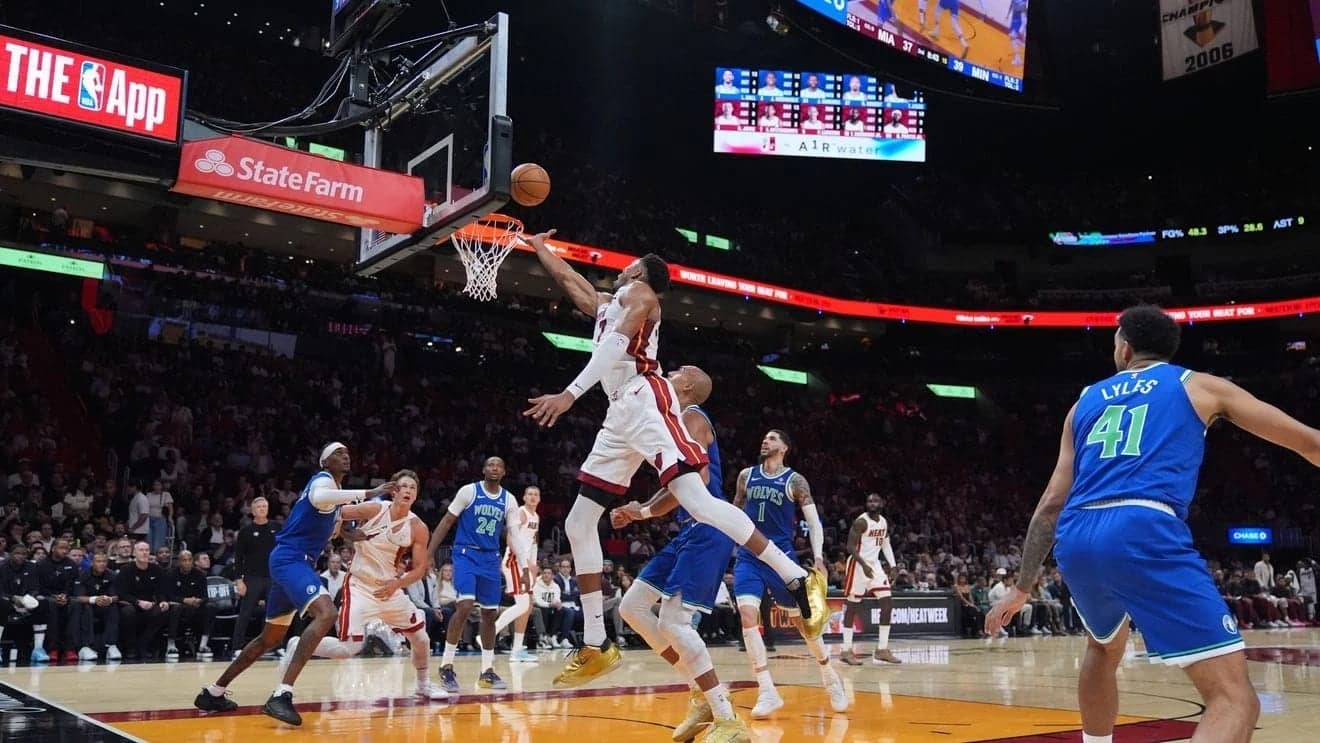
Cooper Flagg Outduels Giannis Antetokounmpo as Mavericks Beat Heat 113-109, Miami Falls to 0-4
1h ago
Lars Eller's First Goal as a Panther Lifts Florida Past Blackhawks 3-2, Snapping Two-Game Skid
22h ago
Gators Rise to No. 17 in AP Poll During Bye Week, Face No. 3 Georgia in Atlanta as Double-Digit Underdogs
22h ago
Franz Wagner Scores 21 in the Fourth as Magic Rally Past Defending Champion Knicks 111-102 for First Win
23h ago