Dolphins Open the Jeff Hafley Era as Rookies Report to 2026 Training Camp
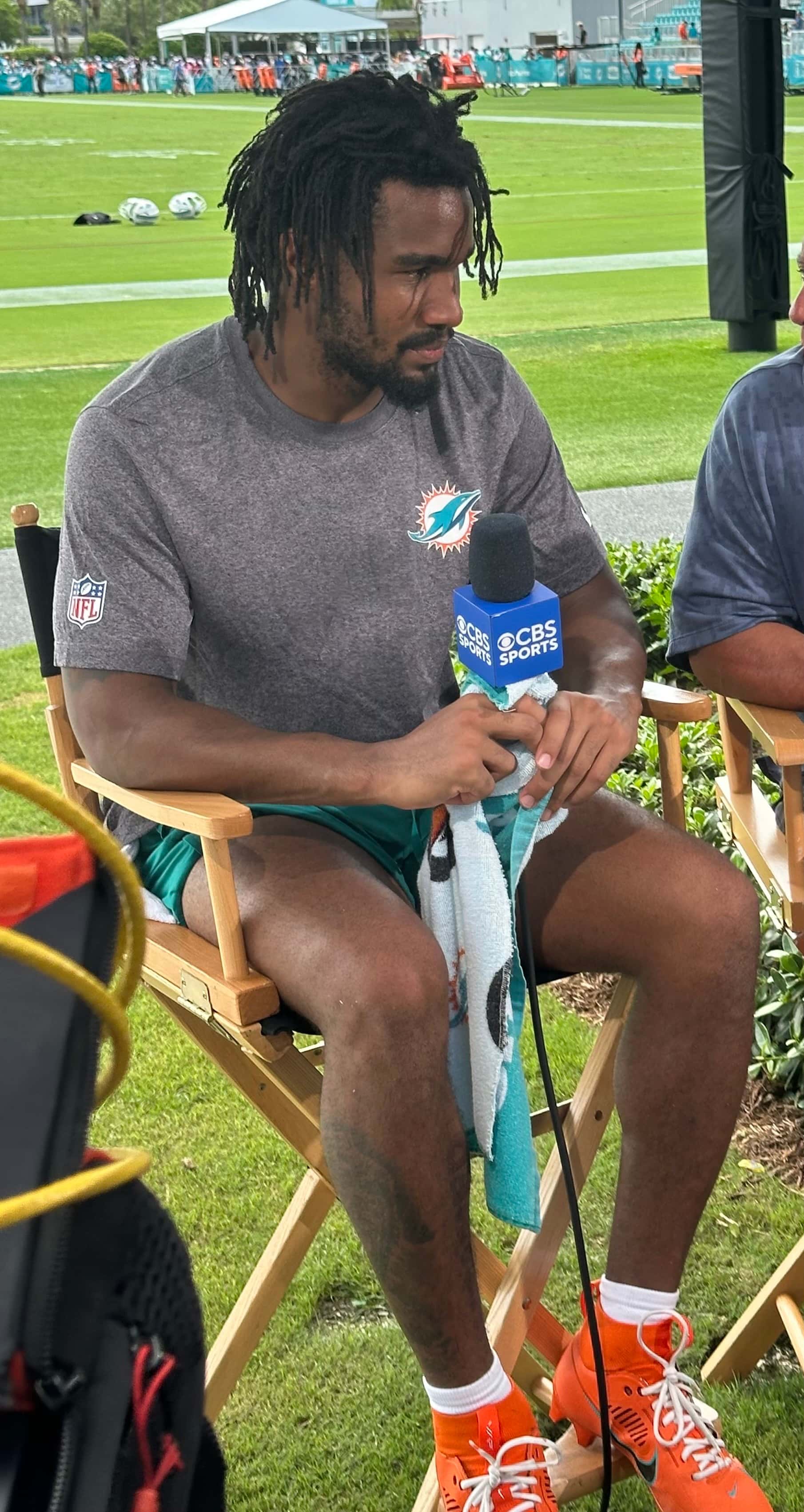
The Miami Dolphins turned the page to a new era on July 21, 2026, when the team's rookies reported to the Baptist Health Training Complex in Miami Gardens to begin the 2026 training camp. It marked the first practice cycle under first-year head coach Jeff Hafley, whose arrival signals a fresh direction for a franchise eager to see how its offseason plans translate onto the field.
The rest of the roster is not far behind. Veterans are scheduled to report on July 28, filling out a locker room that will spend the coming weeks competing for jobs, building chemistry, and absorbing a new staff's playbook. Across the NFL, training camps traditionally open in late July, and Miami's timeline fits that leaguewide rhythm as the preseason gives way to a regular season that begins in September.
For a fan base in South Florida that follows every roster decision closely, the opening of camp is more than a calendar note. It is the first real look at how Hafley intends to shape the team, which young players might earn early roles, and where the most compelling position battles will unfold before the games count.
A New Coaching Staff Sets the Tone
The most significant storyline entering camp is the simple fact that this is Hafley's inaugural summer leading the Dolphins. A first training camp under any new head coach carries outsized importance because it establishes the standards, terminology, and daily habits that a team will carry into the season. Players are learning not only new schemes but a new voice, and the early days of camp are often about installation and repetition rather than polish.
Hafley inherits a roster with established veterans and a wave of incoming talent, and the balance between the two will define the tenor of camp. A new staff typically uses the opening weeks to evaluate everyone with a relatively clean slate, giving younger players a genuine chance to climb the depth chart while veterans work to prove their fit in the new system.
The organization has framed this camp as the starting point of a long process rather than a finished product. How quickly the team absorbs the new approach, and how cleanly it executes once the pads come on, will be among the clearest early indicators of the direction Hafley is charting in Miami Gardens.
Continuity is not a luxury a first-year staff enjoys, and that reality places added weight on the earliest sessions of camp. The Dolphins will spend these opening days establishing a shared vocabulary and a common set of expectations, the connective tissue that allows a roster to operate quickly once the season arrives. Progress in that area is harder to measure than a completed pass, but it is no less important to the direction Hafley is setting for the franchise.
The Rookie Class: 13 Draft Picks and 11 Undrafted Additions
Miami's incoming class is sizable and central to the camp narrative. The Dolphins added 13 draft choices and 11 undrafted free agents, giving Hafley's staff a deep pool of young talent to evaluate over the coming weeks. That volume of newcomers means the practice fields will be crowded with players trying to make an early impression.
Undrafted free agents rarely arrive with guarantees, but training camp has long been the stage where some of them force their way onto rosters through special teams value, positional depth, or standout practice reps. With 11 such players in the building, the competition for the back end of the roster figures to be spirited throughout the summer.
The draft picks, meanwhile, represent the organization's bet on the future. A class of this size gives the coaching staff flexibility to develop players at multiple positions while identifying which rookies are ready to contribute right away and which will benefit from a longer runway. The next several weeks will begin to sort those questions out.
For the fan base, the sheer size of the class is part of the intrigue. The two dozen newcomers represent a broad injection of youth into the roster, and camp is the stage on which their professional careers effectively begin. Sorting which of them can help right away, which need development, and which may not stick is one of the central tasks facing the staff over the coming weeks in Miami Gardens.
Kadyn Proctor and the Battle Up Front
Among the headliners of the rookie class are Miami's two first-round selections, and offensive lineman Kadyn Proctor is one of the names to watch closely. Proctor is expected to compete at left guard, though the team has been careful to frame his role as a competition rather than a settled assignment. Penciled in is not the same as locked in, and camp will determine how quickly he adjusts to the professional level.
Offensive line play is often decided in the trenches during the physical middle stretch of training camp, once teams begin practicing in pads. For a rookie, the jump in strength, speed, and technical detail can be steep, and coaching staffs generally want to see consistency across many reps before committing to a starting role.
If Proctor establishes himself, it would give Miami a young building block on the interior of its offensive line. If the competition stays open, the position battle itself becomes one of the more instructive threads of camp, offering a window into how the new staff weighs experience against upside when filling out the front five.
Chris Johnson and the Secondary Competition
The Dolphins' other first-round pick, cornerback Chris Johnson, arrives with an opportunity to compete for a starting spot in the secondary. As with Proctor, the organization has framed Johnson's path in terms of competition and expectation rather than certainty, an approach that keeps the pressure on the rookie to earn his role in practice.
Cornerback is a position where rookies are frequently tested early, both by the demands of an NFL passing game and by the daily grind of matching up against professional receivers in camp. The reps Johnson takes over the coming weeks, particularly once joint practices bring outside competition, will offer a clearer sense of how ready he is for a significant role.
For Miami's defense, the development of a young cornerback carries obvious long-term value. Whether Johnson wins a starting job out of camp or works his way into the rotation over time, his progress will be one of the defensive storylines that fans track from the opening practices through the preseason slate.
Roster Competition Across the Board
Beyond the marquee rookies, training camp is fundamentally about competition at nearly every position. A new coaching staff evaluating a large group of newcomers alongside returning veterans creates an environment in which depth chart spots are genuinely contested. The daily practice reps, situational drills, and eventual padded work all feed into those decisions.
Roster battles tend to intensify as camp progresses and the games approach, because coaches gain more information with each practice and each preseason snap. Special teams contributions, versatility, and reliability often tip the balance for players fighting for the final roster spots, and those margins are where camp storylines frequently turn.
The team has emphasized that jobs are being earned rather than assigned, a message consistent with a first-year staff working to understand its personnel. That framing keeps the competition open and gives the coming weeks real stakes for players up and down the roster as the Dolphins shape the group that will carry them into the regular season.
What Fans Can Watch at Baptist Health Training Complex
South Florida fans will get their own chance to watch the new-look Dolphins in person. Public practices open to fans are scheduled to begin on Aug. 2 at 9:30 a.m. ET, giving supporters an early live look at Hafley's team as it works through the heart of camp. These sessions offer a rare window into the daily process before the preseason games arrive.
The schedule builds toward a notable stretch in late August. The Dolphins are set to host a joint practice with the New York Giants on Aug. 20, a format that lets teams test themselves against outside competition in a controlled setting. Joint practices are often more revealing than intrasquad work because players face unfamiliar opponents and schemes.
That matchup carries into game action when the Dolphins host the Giants at Hard Rock Stadium in a preseason game on Aug. 22. Hard Rock Stadium in Miami Gardens remains the home for Miami's games, and the preseason contest gives fans a first taste of the new era under the lights before the schedule turns to the games that count.
The combination of open practices, a joint session, and a home preseason game gives South Florida supporters a steady cadence of chances to follow the team through August. Each event offers a slightly different look, from the controlled reps of an open practice to the sharper test of joint work and finally the game conditions at Hard Rock Stadium, building toward the season in stages.
What's Next
The immediate horizon is packed. Veterans report on July 28 to join the rookies already on site, and the public practices beginning Aug. 2 will let fans in South Florida see the team take shape. The stretch from those open sessions through the joint practice with the Giants on Aug. 20 represents the core of Hafley's first evaluation period.
From there, attention shifts to the preseason game against the Giants at Hard Rock Stadium on Aug. 22, where roster competitions begin to resolve under game conditions. The Dolphins will use that window to sort their depth chart and prepare for the regular season that opens across the NFL in September.
For now, the story is one of beginnings: a new head coach, a large rookie class, and a slate of position battles that will play out over the coming weeks in Miami Gardens. The Dolphins have opened the Jeff Hafley era, and the summer ahead will offer the first real answers about what it holds.
Spotted an issue with this article?
Have something to say about this story?
Write us a letterComments
No comments yet. Be the first to weigh in.
Related Coverage
Winless Dolphins host Bengals at Hard Rock Stadium seeking first win under Jeff Hafley
18h ago
Hurricane Isaias Scrambles Florida Sports: FSU Cancels Pensacola Games, FAMU Moves to Friday
22h ago

Florida State faces Louisville on the road Friday night as Ashton Daniels and Seminoles try to end road skid
23h ago
Jalon Daniels, Bucky Irving lead Buccaneers past Cowboys 24-16 for first win of season
1d ago