Driver Charged With DUI Manslaughter After FDOT Road Ranger Is Killed on I-75 in Wesley Chapel
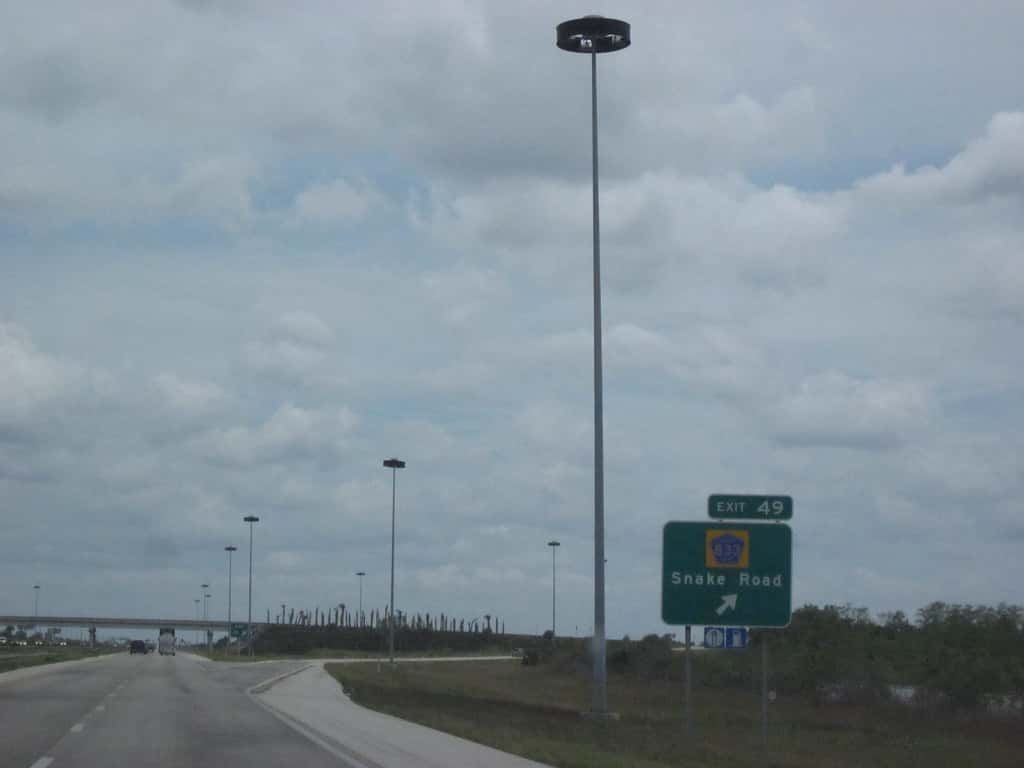
The Florida Highway Patrol has charged a Bradenton man with DUI manslaughter after a state Road Ranger was struck and killed while working a lane closure on Interstate 75 in Wesley Chapel, according to troopers. The crash, which authorities say occurred on the evening of July 12 near mile marker 274 in Pasco County, has drawn attention to the dangers faced by roadside workers and the persistent toll of impaired driving on Florida highways.
According to the Florida Highway Patrol, the victim was a 24-year-old Florida Department of Transportation Road Ranger from Brandon who was on foot helping set up a lane closure when he was hit. Road Rangers provide free highway assistance to stranded motorists and support traffic management, work that regularly places them alongside fast-moving traffic.
Troopers identified the driver as Darren Christopher Jenkins, 40, of Bradenton, and said he was arrested on a charge of DUI manslaughter. As with any criminal case, Jenkins is accused of the offense and is presumed innocent unless and until proven guilty in court, and the charge reflects the allegations of investigators rather than a determination of guilt.
What troopers say happened
According to the Florida Highway Patrol account, the crash unfolded shortly before 8:30 p.m. as the Road Ranger was setting up a lane closure on Interstate 75. Investigators say a vehicle drove between two Road Ranger vehicles and struck the worker, who was on foot at the time.
The scene, along a busy stretch of interstate in a rapidly growing part of Pasco County, is the kind of active work zone that highway crews and assistance workers navigate routinely. Lane closures require workers to position themselves near live traffic lanes, a task that carries inherent risk even under normal conditions.
Authorities responded to the crash and launched an investigation that led to the arrest. The Florida Highway Patrol handles fatal crash investigations on the state's highways, gathering evidence and reconstructing the events to support any resulting charges.
The allegations against the driver
Troopers said Jenkins was arrested on a charge of DUI manslaughter, a serious felony that applies when a person is accused of causing a death while driving under the influence. According to the Florida Highway Patrol, breath samples provided by the driver measured 0.334, a level troopers described as more than four times Florida's legal blood-alcohol limit of 0.08.
Those figures, as reported by investigators, form part of the basis for the charge. Under Florida law, the legal presumption of impairment applies at a blood-alcohol concentration of 0.08, and readings well above that threshold are central to DUI-related prosecutions, though the ultimate determination rests with the courts.
It is important to note that the reported breath-test results and the account of the crash reflect the allegations and findings of law enforcement at this stage. The case will proceed through the criminal justice system, where the evidence will be tested and the defendant retains the presumption of innocence.
The dangers Road Rangers face
The death underscores the hazards confronting Road Rangers and other roadside workers who operate in and around live traffic. These workers assist stranded drivers, clear debris and help manage traffic during closures and emergencies, often stepping out of their vehicles just feet from passing cars and trucks.
Florida law includes move-over requirements intended to protect workers and first responders on the roadside, obligating drivers to slow down and, when possible, move over a lane when approaching stopped emergency and service vehicles. Despite those protections, roadside workers remain vulnerable, particularly at night and in high-speed corridors.
Advocates for highway-worker safety have long emphasized the importance of driver attentiveness and sobriety near work zones. Incidents involving impaired or distracted drivers striking roadside workers are a recurring concern, and each one renews calls for greater caution behind the wheel.
Impaired driving on Florida roads
Impaired driving continues to exact a heavy toll on Florida's highways, and the Florida Highway Patrol regularly reports arrests and fatal crashes tied to alcohol and drugs. DUI manslaughter charges arise when authorities allege that impairment contributed to a fatal crash, among the most serious outcomes of impaired driving.
The consequences of a DUI manslaughter conviction in Florida are severe, reflecting the gravity of causing a death while allegedly impaired. Prosecutions of such cases proceed through the courts, where the state must prove its allegations and the accused is entitled to a defense.
Law enforcement agencies across Florida conduct enforcement efforts and public-awareness campaigns aimed at deterring impaired driving, particularly around holidays and high-risk periods. The persistence of impaired-driving crashes, however, illustrates the ongoing challenge of curbing the behavior.
Why it matters for the Tampa Bay region
The crash occurred in Pasco County, part of the greater Tampa Bay region, on a heavily traveled stretch of Interstate 75 that carries commuters, commercial trucks and travelers. Incidents on the interstate can affect traffic and safety across the corridor, and this one struck a worker serving the traveling public.
For the Road Ranger program and the transportation workers who staff it, the death is a somber reminder of the risks inherent in the job. Those workers provide a service that many drivers rely on, and their safety depends heavily on the care exercised by the motorists around them.
The case also resonates with the broader community's concern about roadway safety in a fast-growing region where traffic volumes continue to climb. Balancing mobility with safety remains a persistent challenge as more vehicles share the region's highways.
Work zones and the move-over law
Florida's move-over law is designed specifically to protect the workers and responders who operate along the state's roadways, requiring motorists to slow down and, when it is safe, move over a lane when approaching stopped emergency, service and utility vehicles. Road Rangers are among those the law is intended to shield, given how often their duties place them beside live traffic.
Despite those legal protections, work zones and roadside assistance operations remain hazardous environments, particularly at night when visibility is reduced and impaired driving is more common. Safety advocates emphasize that the law is only effective when drivers heed it, and that inattention or impairment can defeat even well-designed protections.
Transportation officials and law enforcement periodically remind the public of their obligations near work zones and stopped vehicles, often intensifying those messages after incidents involving roadside workers. The goal is to reinforce the behaviors, slowing down, moving over and staying alert, that keep both workers and motorists safe.
The toll on roadside workers
The workers who provide roadside assistance and manage traffic perform a service that many drivers rely on, yet they do so in conditions that expose them to serious risk. Stranded motorists, debris removal and lane closures all require these workers to leave the safety of their vehicles, sometimes just feet from vehicles traveling at highway speeds.
Incidents in which roadside workers are struck, whether by impaired, distracted or simply inattentive drivers, are a recurring concern across the state and the nation. Each one prompts renewed attention to the dangers of the job and to the responsibility that motorists bear when passing through areas where workers are present.
For the agencies that employ these workers, safety is a continual priority, encompassing training, equipment and public-awareness efforts. The death of a young Road Ranger serving the traveling public underscores the stakes of that work and the human cost when the protections intended to safeguard it fail.
The broader push against impaired driving
Impaired driving remains a persistent challenge on Florida roadways, and law enforcement agencies across the state devote significant resources to deterring and detecting it. Sobriety checkpoints, saturation patrols and public-awareness campaigns are among the tools used to combat a behavior that continues to cause deaths and serious injuries.
Those efforts often intensify around holidays and high-risk periods, when impaired driving tends to rise. Agencies publicize enforcement operations in part to discourage the behavior, hoping that awareness of stepped-up patrols will prompt drivers to arrange alternatives rather than get behind the wheel while impaired.
Despite those efforts, impaired-driving crashes continue to occur, underscoring the difficulty of eliminating the behavior. Each fatal case renews attention on the consequences and on the shared responsibility of drivers to avoid operating a vehicle while impaired, a message that safety advocates repeat with every tragedy.
A growing region and its roads
Pasco County and the broader Tampa Bay region have experienced rapid growth, bringing more residents and more vehicles onto highways like Interstate 75. Rising traffic volumes place added strain on the road network and increase the exposure of the workers who maintain and manage it, from construction crews to roadside assistance personnel.
The corridor where the crash occurred carries a heavy mix of commuters, commercial trucks and travelers, a combination that keeps traffic dense and fast-moving. Managing safety in that environment is an ongoing challenge for transportation officials and law enforcement as the region continues to expand.
The incident adds to broader concerns about roadway safety amid that growth, a theme that recurs across fast-developing parts of Florida. Balancing mobility with the protection of workers and motorists remains a persistent priority as more vehicles share the region's highways each year.
What is next
The case will move through the criminal justice process, where the charge against Jenkins will be adjudicated. Prosecutors will present the state's case, the defense will have the opportunity to respond, and the courts will ultimately determine the outcome based on the evidence and the law.
Investigations of fatal crashes often continue as authorities finalize their findings and prepare the case for prosecution. Additional details may emerge as the matter proceeds, and the legal process is likely to unfold over an extended period.
For now, the Florida Highway Patrol's account describes a fatal work-zone crash and a serious charge, while the presumption of innocence remains with the accused. The death of a young roadside worker has renewed attention on the safety of those who serve motorists on Florida's highways and on the enduring dangers of impaired driving.
Spotted an issue with this article?
Have something to say about this story?
Write us a letterComments
No comments yet. Be the first to weigh in.
Related Coverage

Woman, 21, Charged in Fatal Dania Beach Hit-and-Run on Sheridan Street, BSO Says
8h ago

Punta Gorda Publix Box-Cutter Attack Suspect Was Released From Mental Health Court Probation in July
9h ago
St. Johns County deputies say plate readers led them to armed bank robbery suspect within minutes
1d ago

Haines City police officer out of a job after DUI arrest in Orlando while driving patrol vehicle
1d ago