Eckerd College will plant 156 trees to rebuild a campus canopy battered by Hurricanes Helene and Milton
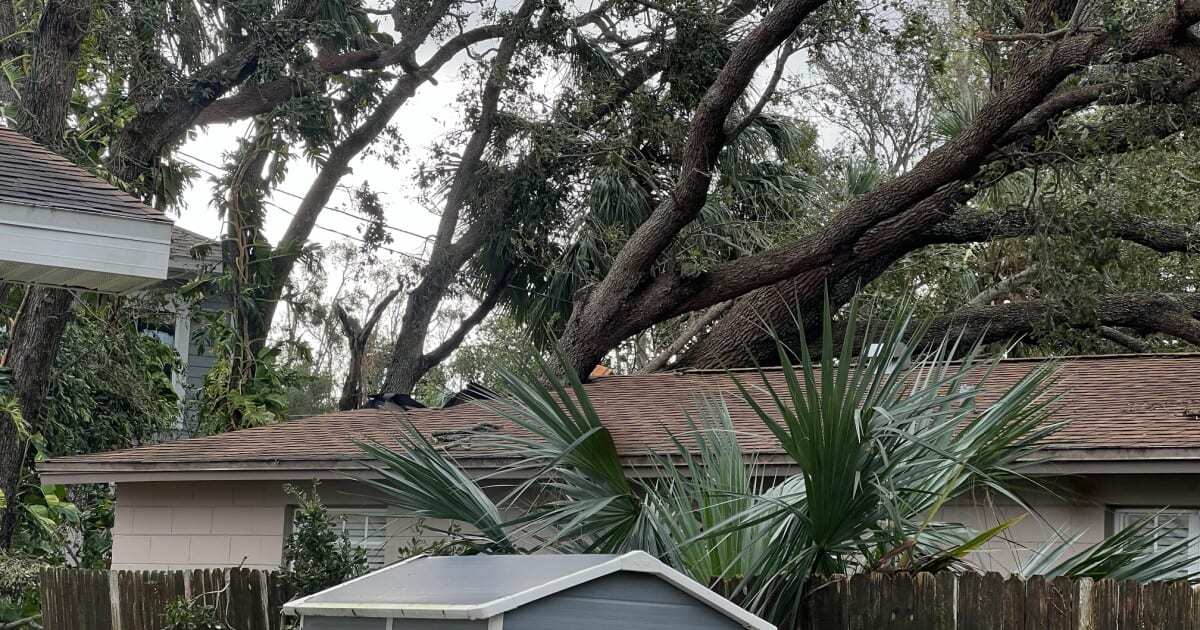
Eckerd College will plant 156 trees across its St. Petersburg campus to replace and expand a canopy damaged by Hurricanes Helene and Milton in 2024. The waterfront college lost 88 trees in the storms, and saltwater intrusion from the hurricanes caused further damage. A $75,000 grant is paying for the new trees, which will include about a dozen species, with no single species allowed to make up more than 25 percent of the plantings.
The plan was reported by Aaron Styza of the St. Pete Catalyst in a story published by WUSF, which described the project as part of a broader rethinking of how the campus is landscaped.
What the storms did to campus
Helene's storm surge swept across much of the Tampa Bay area in late September 2024, and the college's waterside campus in south St. Petersburg was hit hard. Students were ordered to evacuate on Sept. 25, 2024, expecting a closure of a few days. Instead, Hurricane Milton followed about two weeks later, and students did not return until late October after about a month of online classes, WUSF reported at the time. Crews cleaned up debris and flooded buildings in early October, and Milton's winds shredded the fabric canopy over the campus pub.
The tree losses lingered longer than the building repairs. Beyond the 88 trees lost outright, saltwater intrusion from the storms caused further damage on campus and made recovery harder, according to the Catalyst report.
The planting plan
According to the St. Pete Catalyst report, the college plans six or seven planting events through the rest of the academic year and into fall 2027. Students will help plant and maintain the trees and will monitor their health over time.
The 25 percent cap on any one species is the heart of the plan. A more varied mix of trees could limit future losses from storms, disease and other environmental threats, since a single pest or a single weakness to wind will not take out a large share of the canopy at once.
Tyler Cribbs, an assistant professor of environmental studies, called the project "an exceptional opportunity to replace what we lost and add to the canopy," according to the report.
Moving away from the golf course look
The replanting is part of a shift at Eckerd away from manicured lawns and ornamental landscaping. Cribbs said the traditional golf course look often requires fertilizer and regular maintenance and leaves less room for native plants.
The college has already tested a different model. Its first microforest, funded by a separate $20,000 grant, uses densely planted native vegetation to provide habitat for wildlife and pollinators. Students helped install and maintain it, gaining experience in planting, habitat restoration and native plant care. Cribbs said the microforest has changed how students use campus spaces, replacing a resort-style appearance with native plants in everyday areas. "We are practicing what we preach here at Eckerd," he said, according to the Catalyst.
Eckerd students have also pushed for more trees beyond campus. The Eckerd College Tree Team, a campus group, has advocated for a residential tree planting program in St. Petersburg and offers residents free trees and tree-care training.
A city canopy still recovering
The college's losses mirror what happened across St. Petersburg. A report to the St. Petersburg City Council found that 6 percent of the city's trees were knocked down in the 2024 hurricanes and that tree canopy fell from 29 percent of the city in 2024 to 27 percent in 2025, below the city's goal of 30 percent, WUSF reported in April. Across the bay, a University of South Florida team found Tampa's canopy dropped from 31.4 percent to 29.9 percent over the same period, a loss of about 1,200 acres. The same USF survey work found broad public support for replanting despite the damage: 88.4 percent of Tampa respondents said the benefits of trees outweigh the risks, 89.7 percent wanted more trees planted across the city, and residents who dealt with storm damage spent more than $3,000 on average on cleanup or tree removal.
In the months after Milton, the city of St. Petersburg committed to planting 1,000 trees in 2025 and gave away 500 trees to residents at two events in April 2025, FOX 13 reported. City crews had responded to more than 2,000 reports of downed trees, and the local environmental group Take Mar estimated the city lost up to 20 percent of its canopy, a figure that measures something different from the city's later count. Maeven Rogers, the city's sustainability and resilience director, said at the time that the city was urging residents to plant trees to cool their neighborhoods.
What researchers say about storm-resilient canopies
Eckerd's diversity rule lines up with what local researchers have found. In an October 2026 USF report on Tampa's storm damage, research associate professor Shawn Landry linked tree losses to species selection, placement, infrastructure and poor long-term care. Laurel oaks prone to trunk decay snapped, some live oaks were uprooted and newly planted trees without established roots toppled. Landry warned against relying too heavily on any single species, citing the overuse of crepe myrtles, and noted that many young trees die because owners do not water them through their first year. The scale of the cleanup was enormous: Tampa alone removed nearly 1 million cubic yards of vegetative debris after the storms, according to the USF report, and the research team tracked canopy change at more than 13,000 randomly distributed points across the city.
That last point matters for Eckerd's plan, which builds in student monitoring and maintenance rather than planting and walking away.
What's next
The first of Eckerd's six or seven planting events is expected during the current academic year, with the final plantings running into fall 2027. Students will track how the new trees fare, giving the college an early read on which species hold up best on a salt-exposed waterfront campus. For St. Petersburg, where the canopy is still below its 30 percent goal, the campus effort adds 156 trees to a citywide recovery that will take years to complete.
Sources
Spotted an issue with this article?
Have something to say about this story?
Write us a letterComments
No comments yet. Be the first to weigh in.
Related Coverage
Florida Black Bear Hunt Opens Dec. 5 With 215 Permits as Opponents Claim They Bought More Than Half
1d ago

Science council touted for new Miami Seaquarium has barely been consulted, member says
2d ago
FWC adds 22 days, keeping Gulf red snapper season open every day in December
3d ago
Pinellas Asks the Legislature for Recurring Money to Keep Running Weedon Island and Shell Key Preserves
5d ago