Florida Black Bear Hunt Opens Dec. 5 With 215 Permits as Opponents Claim They Bought More Than Half
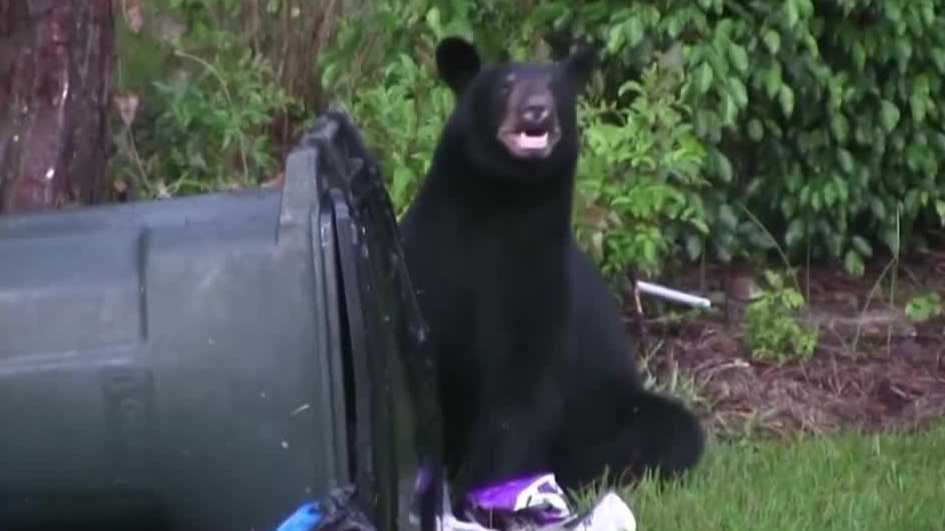
Florida's second black bear hunt in two years opens Saturday, Dec. 5, and runs through Dec. 27. The Florida Fish and Wildlife Conservation Commission (FWC) has issued 215 permits, up from 172 last year, and each one allows the holder to take one bear. Some of those permits are in the hands of people who have no plans to use them. Hunt opponents say they again flooded the permit lottery this year to keep bears alive, and one activist claims they hold more than half of the tags.
The 2026 hunt by the numbers
According to the FWC's bear hunting page, 193 permits went to the statewide public hunt. Another 22 went to large private landowners through a new program, WESH and WLRN reported. Demand far exceeded supply: the agency received 156,283 applications from 9,091 individual applicants.
Hunters had to choose one of four bear harvest zones. This table shows how the public permits and applications break down by zone, using FWC figures.
| Zone | Permits | Applications | Key public land |
|---|---|---|---|
| East Panhandle | 78 | 35,528 | Apalachicola WMA |
| North | 31 | 34,453 | Osceola WMA |
| Central | 21 | 49,777 | Ocala WMA |
| South | 63 | 36,525 | CREW, Picayune Strand |
The Central zone drew the most applications but has the fewest permits. It is bounded roughly by State Road 16, Interstate 95, the St. Johns River, I-4, Florida's Turnpike, I-75 and U.S. 301, and includes parts of 12 counties. WESH listed Marion, Sumter, Lake, Orange, Seminole, Volusia, Flagler and Putnam among them. The South zone covers parts of Lee, Hendry and Collier counties. It does not reach Miami-Dade, Broward, Palm Beach or Monroe, and Big Cypress is excluded.
Applications cost $5 each, and people could enter as many times as they wanted, WLRN reported. Winners paid $100 for a permit if they were Florida residents or $300 if they were not, and nonresidents were capped at 10% of permits.
The rules
Each permit allows one bear weighing at least 100 pounds. Hunters can take males or females, but not a bear accompanied by cubs. Firearms and legal archery equipment are allowed. The FWC's bear page says dogs may not be used to harvest bears in 2026, though they can be trained at the same times and places as deer dogs. WESH reported that starting in 2027, hounds will be allowed to tree bears so hunters can size them up before deciding whether to shoot.
The hunt runs on more than 50 wildlife management areas across the four zones. In Central Florida that includes Ocala, Lake George, Lake Monroe, Seminole Forest, Rock Springs Run and Tiger Bay. Some areas are open only on certain dates, and the FWC tells hunters to check each WMA's brochure. WESH noted that the recent torrential rain has flooded parts of the state's wildlife management areas, and it urged hunters to use caution.
Private land permits draw fire
The private lands program is the biggest change from 2025. It runs on a separate, longer season, from Oct. 1 through Dec. 31. To qualify, a property must have at least 5,000 contiguous acres inside a bear harvest zone, with at least half of it suitable bear habitat. Owners also need an FWC-approved bear habitat management plan, at least four conservation activities a year and an annual bear survey verified by a certified wildlife biologist.
Owners can get up to three permits depending on size: one for 5,000 to 14,999 acres with at least five documented bears, two for 15,000 to 24,999 acres with at least 10 bears, and three for 25,000 acres or more with at least 15 bears. Permits from this program bypass the public lottery. As of Nov. 2, three bears had been taken on private land, all in the East Panhandle, according to the FWC.
Supporters say the program pays off for bears. Mark Barton, a Palm Beach County hunter with a doctorate in ecology, told WLRN, "It's just an incentive for landowners to make sure that there's more bear habitat out there." Critics see it differently. Chuck O'Neal of Speak Up Wekiva told WESH: "That's an entitlement. Now, for rich people who have lots of land, they can shoot a bear with this new permit."
Opponents buy tags to keep them unused
The strategy of buying permits and not hunting started last year. WLRN reported that activists bought about a third of the 2025 permits. Sarah Younger of the Sierra Club's Florida chapter estimated they bought about 52, which she said kept that many bears from being killed. This year the Sierra Club encouraged supporters to enter the lottery as many times as possible and offered to help pay for entries.
O'Neal told WESH that opponents have secured "more than half" of this year's permits. WESH did not give an exact count, and the FWC has not said how many permit holders intend to hunt. "I'm just going to say that we're going to shock the world when the numbers come in," O'Neal said. He called the hunt "outrageous" for what he described as an imperiled species.
Other groups paid hunters directly last year. Bear Warriors United told FOX 35 that it paid 14 hunters a total of $31,000 not to use their tags, and one organization offered $2,000 per permit.
Hunters say the opposition misreads the science. Will Crebs, a Florida hunter and podcast host, told WESH that the state has more than 4,000 bears and that the species is neither endangered nor threatened. He noted that the $100 permit fee helps pay for bear conservation. "It's good, and I think a lot of people had doubts coming into this year whether we were going to have the bear hunt back," Crebs said.
What happened in 2025
Last year's hunt, held Dec. 6 to 28, was Florida's first since 2015. Hunters took 52 bears with 172 permits, according to the FWC. The agency said every bear was checked in person by staff or contractors. One hunter got a warning for a minor wildlife management area violation, and no citations were issued.
FWC Executive Director Roger Young called the hunt "rooted in sound scientific data" and "a success." The agency has said permit numbers are tied to the largest number of female bears that can be removed without shrinking the population, FOX 35 reported. WLRN reported that the 2025 hunt brought in more than $830,000 in permit and application fees.
Opponents point to the age of the population data. FWC figures show a 53% statewide increase in bears since 2002, but activists say the underlying surveys from 2014 and 2015 are out of date, WLRN reported. Bear Warriors United, whose lawsuits against the hunt failed, attributed last year's low harvest to low hunter interest, poaching, habitat loss and more than 300 bears killed by vehicles.
What's next
Public-land hunting opens across all four zones on Dec. 5 and closes Dec. 27, while private-land permits remain valid through Dec. 31. The agency released last year's results on Dec. 30, and this year's count will show whether 215 permits produce more bears than 52, or whether the opponents' lottery strategy holds the number down. With hounds set to be allowed in 2027, according to WESH, the next round of debate over the hunt's rules is likely to start soon after this season ends.
Spotted an issue with this article?
Have something to say about this story?
Write us a letterComments
No comments yet. Be the first to weigh in.
Related Coverage

Science council touted for new Miami Seaquarium has barely been consulted, member says
1d ago
FWC adds 22 days, keeping Gulf red snapper season open every day in December
1d ago
Pinellas Asks the Legislature for Recurring Money to Keep Running Weedon Island and Shell Key Preserves
4d ago
U.S. Sugar discharged 440 million gallons of farm stormwater in Clewiston, blames November flooding
Nov 19