FAA draft review finds no significant impact from Blue Origin's plan for 50 New Glenn launches a year at Cape Canaveral
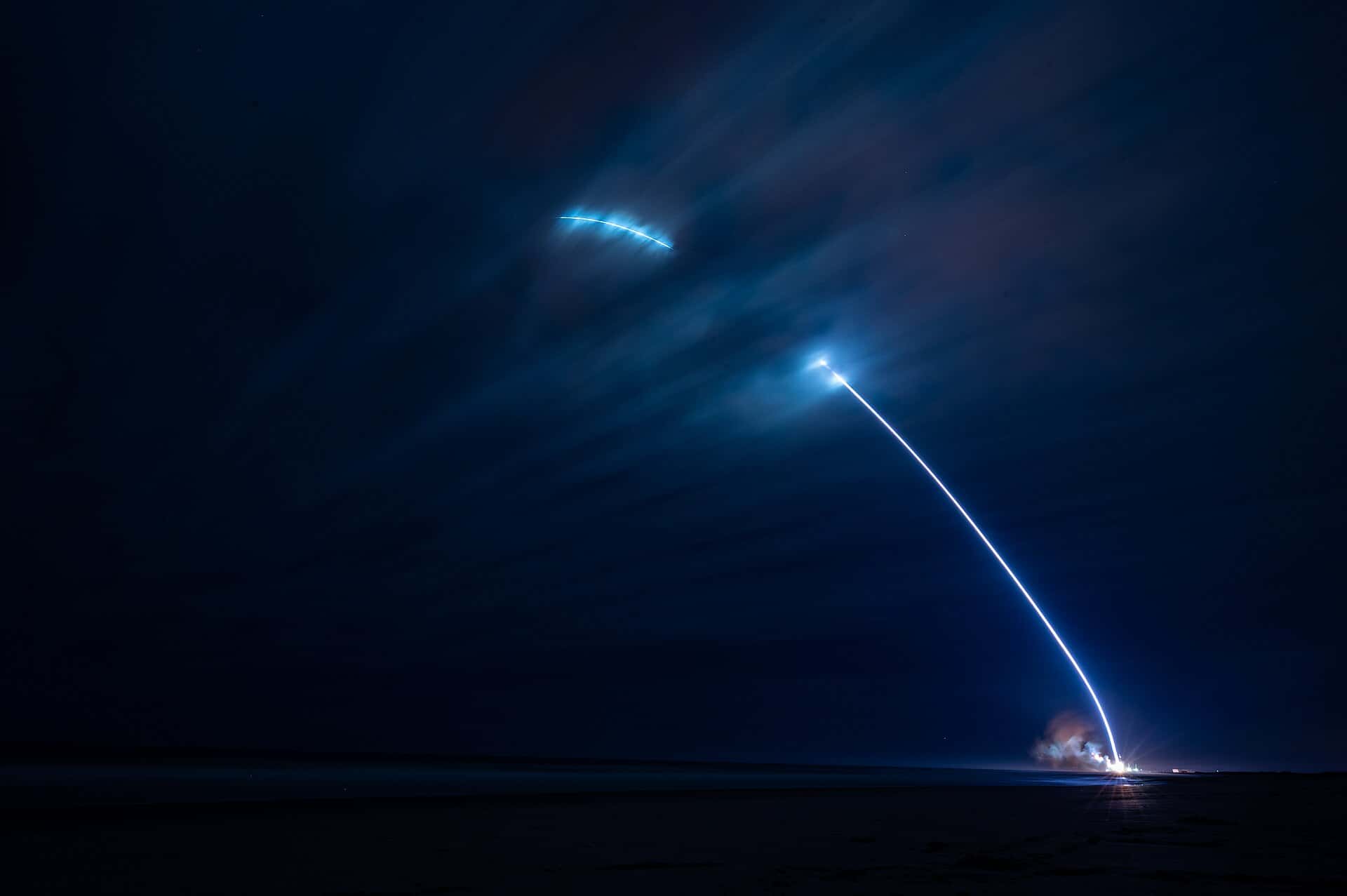
The Federal Aviation Administration has preliminarily concluded that Blue Origin can more than quadruple the number of New Glenn rockets it launches from Cape Canaveral without significantly harming the environment. A draft environmental assessment released Sept. 29 evaluates raising the maximum annual New Glenn launch rate at Space Launch Complex 36 from 12 to 50 launches a year, a change that would make the heavy-lift rocket a far more frequent presence over Brevard County.
The finding is not final. The FAA is taking public comment through Oct. 30 and will hold a virtual public meeting on Oct. 22. It also comes as Blue Origin works to rebuild its only active New Glenn launch pad after a rocket exploded there during a test in May.
What the FAA is reviewing
According to a notice published in the Federal Register on Sept. 29, Blue Origin has asked the FAA to modify its existing vehicle operator license, VOL 24-133, to raise the cap on New Glenn launches at Launch Complex 36 from 12 to 50 a year. The proposal covers more than launches. It also includes the associated static fire engine tests, downrange landings of the rocket's first stage on an ocean platform, recovery of payload fairings from the sea, and FAA approval of the airspace closures that come with each mission.
The FAA first issued a Finding of No Significant Impact for Blue Origin's orbital launch site at the Cape in 2017, years before New Glenn's first flight. The proposed action does not include any new construction, according to the notice. The draft assessment says the increase would not significantly affect the quality of the human environment, which puts the agency on track to issue a Finding of No Significant Impact rather than require a more detailed environmental impact statement.
Local coverage of the draft noted that the review addresses issues that matter to people living near the Cape, including launch noise and potential sleep disruption in communities such as Titusville, Merritt Island and Cocoa Beach.
How to weigh in
The FAA has scheduled several steps before it makes a final decision.
| Date | Step |
|---|---|
| Sept. 29, 2026 | Draft environmental assessment released; Federal Register notice published |
| Oct. 22, 2026 | Virtual public meeting, 6 to 8 p.m. Eastern |
| Oct. 30, 2026 | Public comment period closes |
The draft is posted on the FAA's Blue Origin New Glenn stakeholder engagement page. Comments can be submitted electronically at Regulations.gov under Docket No. FAA-2026-9841.
A rocket with a short, eventful record
New Glenn is a reusable heavy-lift rocket powered by seven BE-4 engines on its first stage. Blue Origin has flown it three times, all from Launch Complex 36.
| Date | Mission | Outcome |
|---|---|---|
| Jan. 16, 2025 | NG-1, Blue Ring Pathfinder | Reached orbit; booster lost on landing attempt |
| Nov. 13, 2025 | NG-2, NASA ESCAPADE Mars mission | Success; first booster landing on ship Jacklyn |
| April 19, 2026 | NG-3, AST SpaceMobile BlueBird 7 | First booster reuse; upper stage left satellite in too low an orbit |
| May 28, 2026 | Static fire test before Amazon Leo mission | Booster and upper stage destroyed; pad heavily damaged |
On the NG-2 mission, the booster touched down on Jacklyn, Blue Origin's landing ship in the Atlantic, about 9 minutes and 15 seconds after liftoff. Under the proposed license change, those ocean landings would become routine.
The May 28 explosion happened during a static fire test ahead of a planned launch of Amazon Leo internet satellites. No injuries were reported. In August, Blue Origin said the failure began at the main oxygen valve on one of the first stage's BE-4 engines.
Rebuilding the pad
Blue Origin CEO Dave Limp said in early June that the damage to Launch Complex 36 was less extensive than first feared. He said the propellant storage tanks and water tower avoided major damage and that the launch tower could be repaired rather than replaced, though the transporter-erector that moves the rocket to the pad was heavily damaged. Limp has said the company intends to fly New Glenn again before the end of 2026.
Not everyone thinks that schedule is realistic. Some veteran SpaceX engineers who worked through the recovery from that company's 2016 AMOS-6 pad explosion have called the timeline unrealistic, according to published reports, and some estimates have put a full rebuild at more than a year.
Launch Complex 36 has two pads. Blue Origin rebuilt the site after leasing it from Space Florida in 2015, and a second pad, 36B, is under construction for a larger future version of New Glenn. The FAA review covers launches from the existing pad, 36A.
What it means for the Space Coast
A jump to as many as 50 New Glenn launches a year would add a second high-volume heavy-lift operator to a Cape that is already the busiest spaceport in the country, much of it driven by SpaceX. The FAA has previously reviewed a proposal to allow up to 120 Falcon launches a year from SpaceX's Space Launch Complex 40, illustrating how quickly launch demand on the Space Coast has grown.
Blue Origin is already one of Brevard County's largest employers. In May, Gov. Ron DeSantis announced a $600 million expansion, known as Project Horizon, that would build an approximately 830,000-square-foot factory for New Glenn upper stages at the company's Rocket Park campus in Merritt Island, near the Kennedy Space Center Visitor Complex. The state said the project would bring 500 jobs with an average salary of $98,000. The company's Florida operations already employ about 4,000 people.
Blue Origin's manifest gives the higher cadence a purpose. Future New Glenn missions include batches of Amazon Leo broadband satellites, AST SpaceMobile satellites, Blue Moon lunar landers, and a planned delivery of NASA's VIPER rover to the moon.
What's next
The FAA will hold its virtual public meeting on Oct. 22 from 6 to 8 p.m. Eastern and accept written comments until Oct. 30. After reviewing the comments, the agency will decide whether to finalize the environmental assessment and issue a Finding of No Significant Impact, a step that would clear the way for the license modification.
Any increase in cadence will depend on Blue Origin first returning New Glenn to flight. Limp's year-end target remains the company's main public timeline, and both the pad repairs and a fix to the BE-4 oxygen valve must be completed before the rocket can fly again.
Spotted an issue with this article?
Have something to say about this story?
Write a letter to the editorComments
No comments yet. Be the first to weigh in.
Related Coverage

Coast Guard reveals interdiction of Cuba-bound fuel ship Grace and orders six more C-130J patrol planes
2h ago

Air Force investigators probe death of Eglin airman found in burned vehicle on base range
2h ago

Rick Scott and Ashley Moody file bill to shield Eglin Gulf test range from offshore drilling
18h ago

Miami Federal Judge Rules Federal Ban on Noncitizen Voting Unconstitutional in Broward Case
21h ago