Fed Holds Rates but Signals a Hawkish Turn, Keeping Pressure on Florida Homebuyers
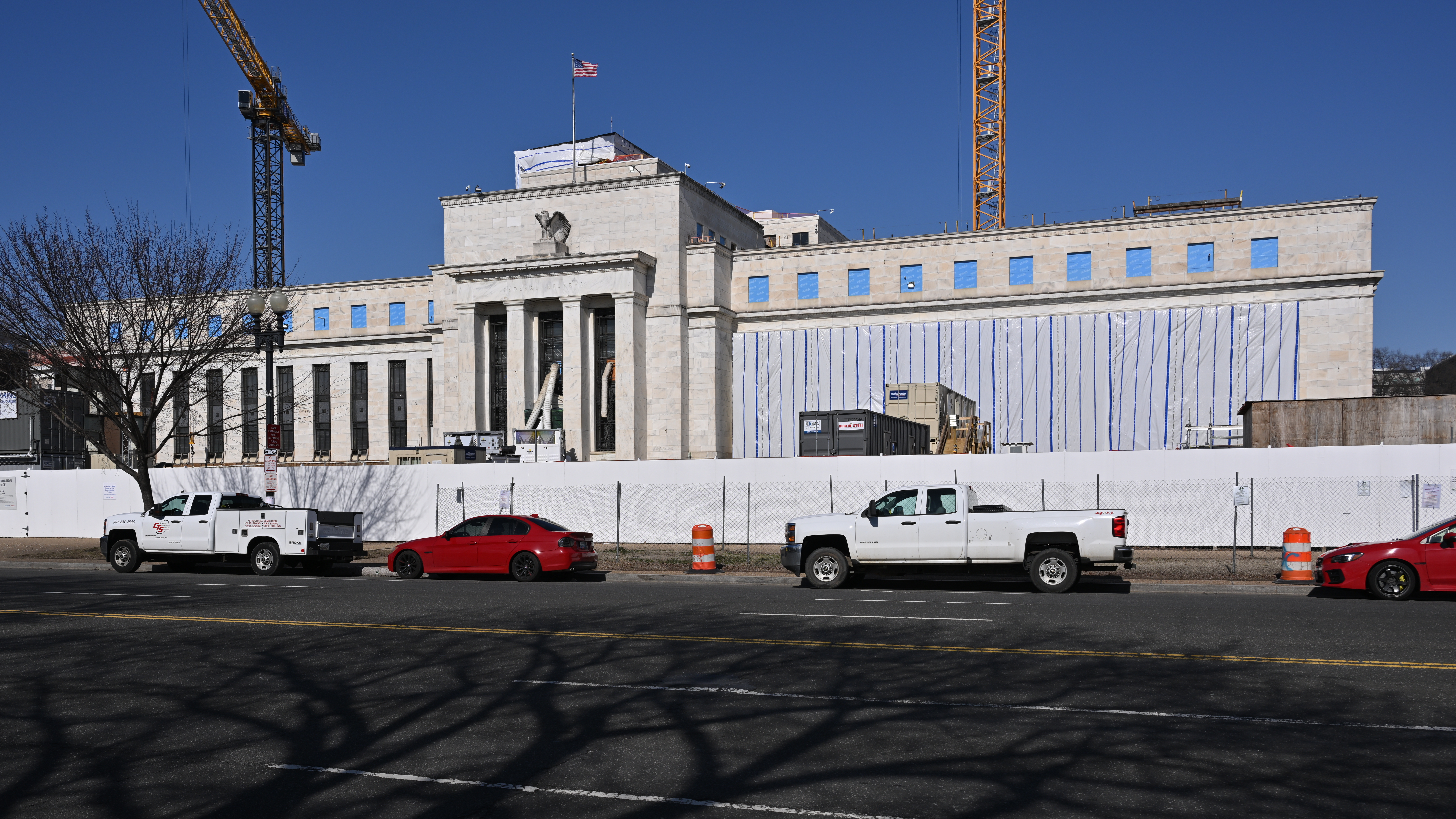
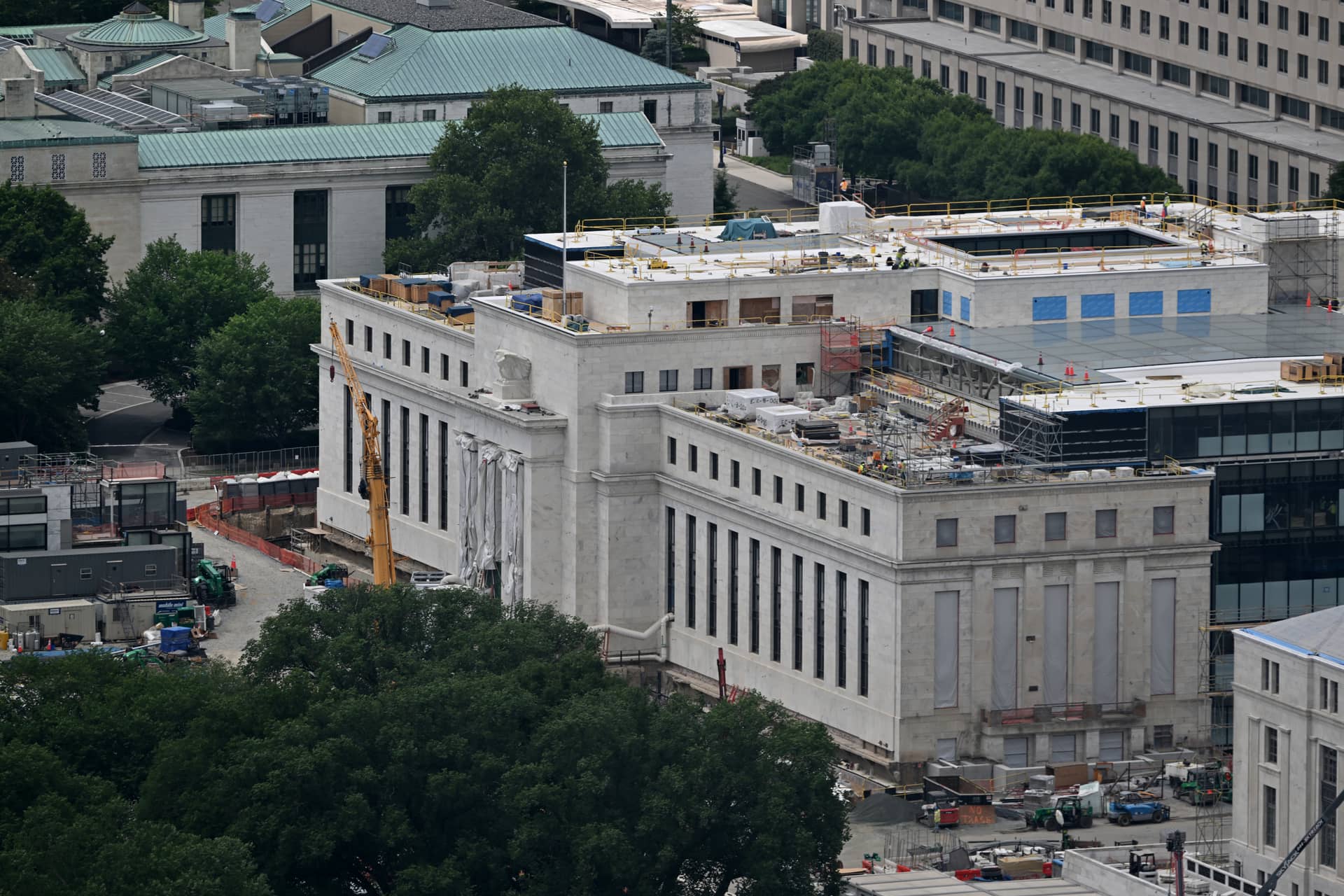
The Federal Reserve held its benchmark interest rate steady at its June meeting and signaled that further hikes could come later in the year, a hawkish turn that dashed hopes for near-term relief and keeps borrowing costs elevated for Florida homebuyers already contending with high prices and steep insurance bills. For a state whose housing market depends heavily on the cost of credit, the central bank's posture carries direct consequences for affordability and the broader economy.
The decision lands at a moment when Florida's housing market sits at the intersection of several powerful forces, each of which shapes whether a household can afford to buy or stay in a home. The price of credit is one of the few of those forces that a single institution in Washington can move, and the Fed's reluctance to move it downward leaves Floridians waiting on a variable that touches nearly every part of their financial lives.
What the Fed decided
At its June meeting, the Federal Open Market Committee voted to keep the federal funds rate unchanged, holding it within its existing target range as it has throughout the year. The decision itself was widely expected, but the accompanying economic projections struck a more hawkish tone than many anticipated, pointing to the possibility of a rate increase before year's end rather than the cuts some had hoped for.
The committee's updated projections raised the expected path of rates, erasing an earlier signal of a reduction this year and pushing anticipated cuts further into the future. The shift reflected continued concern about inflation and a determination to ensure price pressures are firmly under control before easing policy. Under its current leadership, the central bank has prioritized that goal even at the cost of keeping borrowing expensive.
The hawkish projections sent a clear message: relief from high interest rates is not imminent. For households and businesses that had been counting on lower rates to ease financial pressures, the Fed's stance means continuing to operate in a high-cost borrowing environment for the foreseeable future.
The committee's calculus rests on a familiar tension. Lowering rates too soon risks allowing inflation to reassert itself, undoing the progress made in restraining it, while holding rates high for too long risks slowing the economy more than necessary. In choosing to hold and to flag the possibility of a hike, the Fed has signaled that it views the danger of premature easing as the greater of the two, a judgment that places the burden of patience on borrowers.
How it reaches Florida mortgages
The Federal Reserve does not set mortgage rates directly, but its decisions and signals heavily influence them through their effect on financial markets and investor expectations. Mortgage rates are shaped largely by the bond market, where investors price in their views on inflation, growth, and future Fed policy. A hawkish central bank tends to keep those rates elevated.
As a result, mortgage rates have hovered in the mid-6 percent range, well above the levels that prevailed earlier in the decade. For Florida buyers, that translates into substantially higher monthly payments than they would have faced a few years ago, a difference that can amount to hundreds of dollars per month on a typical loan and that pushes many prospective buyers to the sidelines.
The mechanism is indirect but powerful. When investors believe the Fed will keep rates high or raise them, they demand higher yields on the bonds that underpin mortgage lending, and lenders pass those higher costs along to borrowers. A single sentence in the Fed's projections, suggesting tightening rather than easing, can ripple through markets and nudge the rate a Florida family is quoted on a home loan, even though the central bank never touched mortgages directly.
The persistence of high mortgage rates also affects current homeowners, many of whom locked in much lower rates previously and are reluctant to sell and trade into costlier financing. That reluctance has constrained the supply of existing homes for sale, a dynamic that has helped keep prices elevated even as higher rates dampen demand.
The Florida affordability squeeze
For Florida, the Fed's stance compounds an affordability challenge that already includes some of the highest home prices in the state's history and property insurance costs that rank among the steepest in the nation. The combination of expensive homes, costly insurance, and high borrowing costs has pushed the overall cost of homeownership to levels that strain many household budgets.
This convergence is particularly acute in a state that has drawn waves of new residents in recent years, many attracted by the climate and the absence of a state income tax. The resulting demand helped drive prices up, and now those buyers face the added burden of expensive financing on top of elevated prices and insurance premiums.
What makes the squeeze distinct in Florida is the weight of insurance within the monthly cost of owning a home. In many markets the mortgage payment dominates the calculation, but in Florida the premium for property insurance can rival or exceed other recurring costs, leaving less room to absorb the higher financing expense that the Fed's posture sustains. The three pressures reinforce one another, so that relief on any single front is partly offset by the others.
The affordability pressures have begun to reshape the market, contributing to a slowdown in price appreciation, longer times on market, and a gradual rebalancing as inventory builds. While that adjustment offers some relief, the fundamental cost of buying a home in Florida remains high, and the Fed's reluctance to cut rates removes one potential source of improvement.
Background: how Florida got here
Florida's current predicament is the product of a stretch in which the cost of credit fell to historic lows and then reversed sharply. When borrowing was inexpensive earlier in the decade, demand surged and prices climbed, drawing buyers and investors into a market that seemed to offer both lifestyle and appreciation. Many of the homeowners who bought or refinanced during that period secured low rates that they are now unwilling to give up.
The subsequent turn toward higher rates, driven by the Fed's campaign to contain inflation, changed the equation almost overnight. Prices that had been bid up during the period of cheap money did not fall in proportion, leaving buyers to face elevated prices and elevated financing at the same time. That sequence helps explain why affordability deteriorated so quickly and why the relief buyers hoped for has been slow to arrive.
Layered on top of that history is the state's insurance environment, which grew more expensive as insurers reassessed their exposure to storm risk. The result is a market in which several distinct trends, each with its own history, have converged to make homeownership costlier than it has been in living memory for many residents.
What it means for Floridians
For prospective buyers, the Fed's signal means the window for materially lower mortgage rates remains closed for now. Those hoping to purchase may need to budget around current borrowing costs rather than wait for relief that has been pushed further out. Some buyers are turning to strategies such as builder rate buydowns or adjustable-rate products to manage payments.
For homeowners, the high-rate environment continues to discourage moving, locking many in place and limiting the inventory available to others. It also affects those carrying variable-rate debt or considering refinancing, options that are less attractive when rates are high.
The decision also forces a recalibration of expectations. Households that had structured their plans around the assumption of falling rates, perhaps intending to buy now and refinance later, must reckon with the possibility that the relief they counted on may not materialize on the timeline they assumed. That uncertainty itself can weigh on decisions, prompting some to delay and others to accept terms they would have rejected a year earlier.
The broader economy feels the effects as well. High borrowing costs ripple through sectors tied to real estate, construction, and consumer spending, all of which matter to Florida's growth-dependent economy. A prolonged period of elevated rates can temper economic activity even as it works to contain inflation.
The construction and growth angle
Florida has been among the national leaders in new home construction, an industry sensitive to interest rates because both builders and buyers rely on financing. Elevated rates raise the cost of construction loans and dampen buyer demand, factors that can slow the pace of building even in a state with strong underlying population growth.
Homebuilders have adapted by offering incentives, including mortgage rate buydowns, to keep sales moving, a strategy that has helped sustain activity in segments where existing-home supply is tight. The health of the construction sector matters beyond housing, given its role in employment and economic activity across the state.
The reliance on incentives illustrates how the high-rate environment reshapes behavior even where building continues. Rather than waiting for rates to fall, builders have absorbed part of the cost themselves to keep buyers engaged, a tactic that supports sales in the near term but reflects the underlying strain that elevated financing places on the market.
The decisions of the central bank, then, reach well beyond individual mortgage payments, influencing the trajectory of an industry central to Florida's economy and the broader pace of growth in a state defined by its expansion.
Analysis: a market in waiting
Taken together, the Fed's hold and its hawkish projections leave Florida's housing market in a holding pattern, neither cooling sharply nor reviving, but adjusting gradually under the weight of sustained high costs. The market is, in effect, waiting on a decision that rests with the central bank rather than with any state policy or local condition, a reminder of how exposed Florida's housing fortunes are to national monetary policy.
That exposure cuts in both directions. The same sensitivity that keeps the market subdued when rates are high would allow it to respond quickly should the Fed eventually pivot toward easing. Pent-up demand from buyers who have stayed on the sidelines, and from homeowners reluctant to move at current rates, could be released relatively fast once financing becomes cheaper, a prospect that makes the direction of Fed policy the pivotal variable for the months ahead.
For now, though, the analysis points to continuity rather than change. The forces that have made Florida homeownership expensive, prices, insurance, and the cost of credit, remain in place, and the Fed's posture removes the one lever that might have eased the burden in the near term.
What's next
Attention now turns to the Fed's upcoming meetings and the economic data that will shape its decisions. Whether the central bank follows through on the possibility of a rate increase, holds steady, or eventually pivots toward cuts will depend on the path of inflation and the broader economy in the months ahead.
For Florida's housing market, the direction of rates will be a key determinant of activity in the second half of the year. Sustained high rates would prolong the affordability squeeze, while any eventual move toward easing could provide relief to buyers and stimulate demand.
For now, Floridians navigating the housing market must reckon with a high-cost borrowing environment that shows no immediate sign of easing, one more factor in an affordability equation already complicated by prices, insurance, and the enduring pressures of life in one of the nation's fastest-growing states.
Spotted an issue with this article?
Have something to say about this story?
Write a letter to the editor