Federal Judge in South Florida Lets Trump's $10 Billion BBC Defamation Suit Proceed, Rejects Jurisdiction Challenge and Tosses Florida Trade Claim
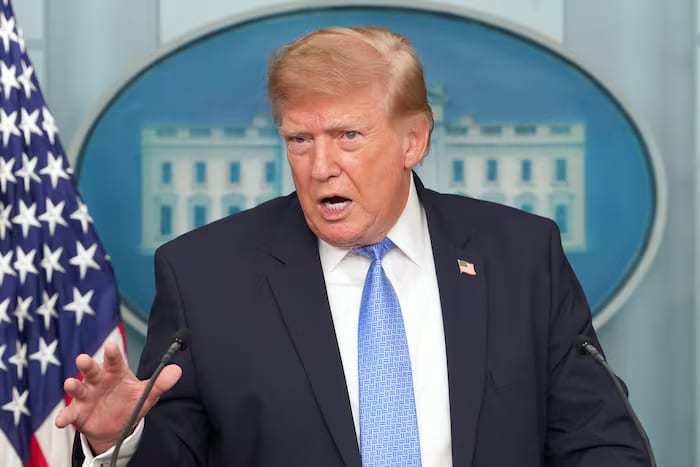
A federal judge in South Florida has ruled that President Donald Trump's $10 billion defamation lawsuit against the BBC can move forward, rejecting the British broadcaster's argument that a Florida court has no power to hear the case while throwing out a second claim Trump brought under Florida's consumer protection law.
U.S. District Judge Jeffrey T. Kuntz of the Southern District of Florida signed the 40-page order on Tuesday, Nov. 10, in Fort Lauderdale, and it became public as news outlets reported it on Wednesday. The ruling keeps alive Count I of Trump's amended complaint, a defamation per se claim over a BBC Panorama documentary that spliced together parts of his Jan. 6, 2021, speech, and dismisses Count II, a claim under the Florida Deceptive and Unfair Trade Practices Act. The BBC must file an answer to the defamation count by Dec. 1, 2026.
The decision matters for Florida beyond the president's own case. Much of the order turns on how far Florida's long-arm statute reaches when a foreign media company publishes material about a Florida resident, and on whether a documentary that was never broadcast in the United States can still count as published in Florida.
What the judge decided
Kuntz denied the BBC's motion to dismiss the defamation claim and stressed that his ruling is not a finding on the merits. "Whether President Trump can prove these claims and establish he sustained damages at summary judgment or trial is left for another day," he wrote.
At the pleading stage, the judge found that Trump had alleged enough to proceed, including actual damages, which Florida law requires defamation plaintiffs to plead against media defendants. He described the edit at the center of the case as more than routine trimming. "Editing is often required," Kuntz wrote. "This was not trimming around the edges but creating something different than what was stated in the speech." He added that the BBC had the entire speech available for nearly three years before the documentary aired.
On the question of actual malice, the standard a public figure must meet, the judge wrote that Trump had plausibly alleged a pattern in past BBC coverage. "BBC asks the Court to put on blinders and treat the Panorama team as if they were blocked off from the rest of the organization, ignorant of everything else going on at BBC," the order said.
Kuntz also set this case apart from two other Trump media lawsuits that failed in the same federal district: the suit against CNN dismissed by Judge Raag Singhal and the suit against Dow Jones and The Wall Street Journal that Judge Darrin Gayles dismissed on Oct. 31. "Those cases involved a news entity reporting on a story. Here, the news entity created the story," he wrote.
The jurisdiction fight
The BBC's central argument was that a Miami federal court had no authority over a London-based public broadcaster. In its motion, quoted in the order, the BBC said it did not broadcast the documentary in the United States, took active steps to block viewers outside the United Kingdom from streaming it, and called Trump's allegation that the program was streamed 34 times to Florida "incorrect, irrelevant, and insufficient to establish personal jurisdiction." It also argued that third-party producers could not create jurisdiction over the corporation.
Kuntz agreed with the BBC on one point. He found that the broadcaster is not "at home" in Florida and therefore is not subject to general jurisdiction here, even though it has a subsidiary office in the state. That Florida office, the order noted, played no role in making the documentary.
But the judge found specific jurisdiction under the "tortious act" provision of Florida's long-arm statute, which reaches a defendant who commits a tort outside the state that causes injury inside it. Because Trump was a Florida resident when the documentary aired and the BBC "seemingly concedes" the program was accessible here, the long-arm requirement was met, the order said, citing a Florida Supreme Court decision holding that defamatory material posted online about a Florida resident and accessed in Florida has been published in the state.
On the constitutional due process question, Kuntz pointed to allegations that the BBC emailed a link to the documentary to Rick Wilson, a Florida resident, that some filming was done in Florida, and that BBC planning documents identified Florida as an area of focus. "The Documentary was not streamed at random," he wrote. He called the BBC's position, that it never targeted the United States, "an unworkable standard," warning that under it "a foreign litigant would be able to publish false statements directed at a presidential candidate and never be haled into court in the United States, much less Florida."
The judge also wrote that the dispute over viewers using VPNs to get around the BBC's geographic restrictions remains "heavily disputed," but that Trump alleged the BBC itself helped some Americans reach the program. "It seems contradictory that BBC would argue they prevented access while actively assisting American citizens to circumvent the preventative measures," the order said. Weighing fairness, he found the burden on the broadcaster "minimal" because the "BBC is a global organization with an office in Florida."
Why the Florida trade practices claim failed
Trump's second count accused the BBC of violating the Florida Deceptive and Unfair Trade Practices Act, a statute aimed at deceptive conduct "in the conduct of any trade or commerce." Kuntz dismissed it, relying on an 11th Circuit precedent holding that the commercial purposes of a publication do not turn its individual editorial content into commercial speech. "Even if BBC has commercial purposes, that does not convert the Documentary into commercial speech," he wrote.
Trump's suit, filed in December 2025, sought damages under both counts. With the consumer protection count gone, the case now rests on defamation alone.
Reaction from Trump and the BBC
Trump celebrated on Truth Social. "A Huge Victory against Fake News BBC, a terrible abuser of the truth, just handed down by highly respected District Court Judge, Jeffrey T. Kuntz, of the Southern District of Florida," he wrote, according to The Associated Press.
The BBC said it was "surprised by this decision but respect the court's authority and note the case will now proceed to the next stage." The broadcaster added: "We remain confident in our position and will continue to respond through the proper legal process."
The BBC has acknowledged that the Panorama program, titled "Trump: A Second Chance?" and aired a week before the 2024 election, combined remarks that Trump's legal team says were delivered about 55 minutes apart, making it appear he directly urged violence. The broadcaster apologized in November 2025, and its director general and head of news resigned, but it has consistently denied that it defamed him.
A new judge and a fight over the deposition
Kuntz, a Trump nominee, inherited the case in August from U.S. District Judge Roy Altman, another Trump appointee, who had set a two-week trial for February 2027. Court filings did not specify a reason for the reassignment, the AP reported at the time.
Discovery has been handled by U.S. Magistrate Judge Enjoliqué Lett. After an Oct. 22 hearing, she issued written orders on Oct. 27 requiring Trump to sit for a deposition by Dec. 11 and allowing the BBC to subpoena Mar-a-Lago, the Palm Beach club, for membership application and fee information that the BBC says bears on Trump's claim of reputational harm. According to the BBC's court filings, her order noted that Trump cancelled a deposition scheduled for Oct. 16 without offering other dates before the Dec. 18 discovery deadline, and warned that failure to comply could bring sanctions, including dismissal.
That Dec. 11 deadline is now contested. On Nov. 10, the same day Kuntz ruled, Trump's lawyers filed objections to Lett's orders and an expedited motion asking the district judge to pause both the Mar-a-Lago subpoena and the deposition deadline. They said they will seek to extend the discovery deadline, pretrial deadlines and the trial date, and asked for a ruling by Nov. 20. The BBC filed its opposition on Nov. 11, calling the request "a transparent effort to again evade clear and direct orders of this Court."
What's next
For now, the schedule set by the magistrate judge remains in place: the BBC's answer is due Dec. 1, Trump's deposition is due by Dec. 11, and discovery is set to close Dec. 18. Kuntz has not yet ruled on Trump's request to pause the deposition deadline or on the planned motion to push back the trial.
A separate dispute over whether the BBC can obtain financial records from the Donald J. Trump Revocable Trust is still being briefed before Lett. The ruling on jurisdiction also leaves the BBC free to contest the facts behind it later in the case, since the judge decided the question on Trump's allegations rather than on evidence.
Spotted an issue with this article?
Have something to say about this story?
Write us a letterComments
No comments yet. Be the first to weigh in.
Related Coverage
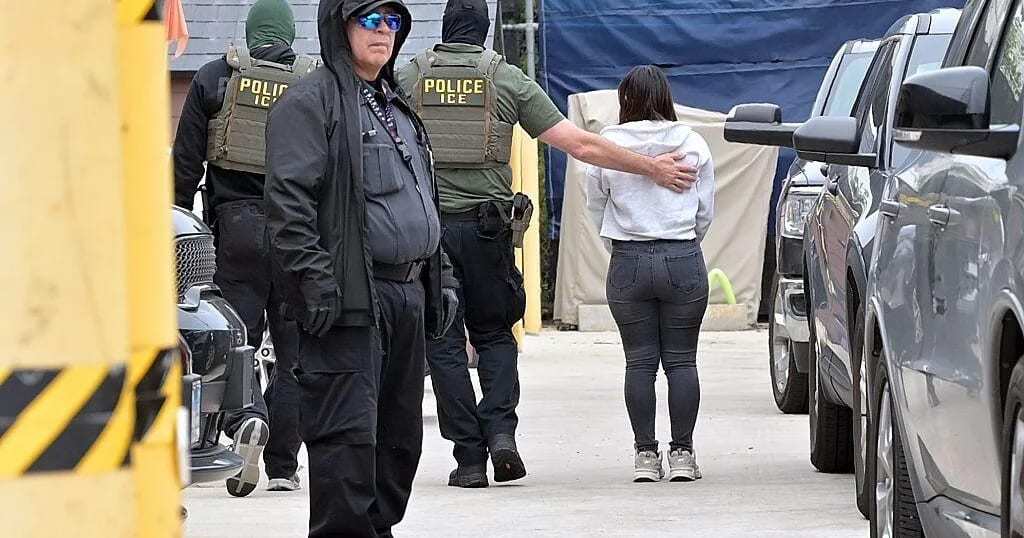
Mario Diaz-Balart Says Immigration 'Overreach' Hurt Republicans as ICE Deportations Hit a Record
1h ago
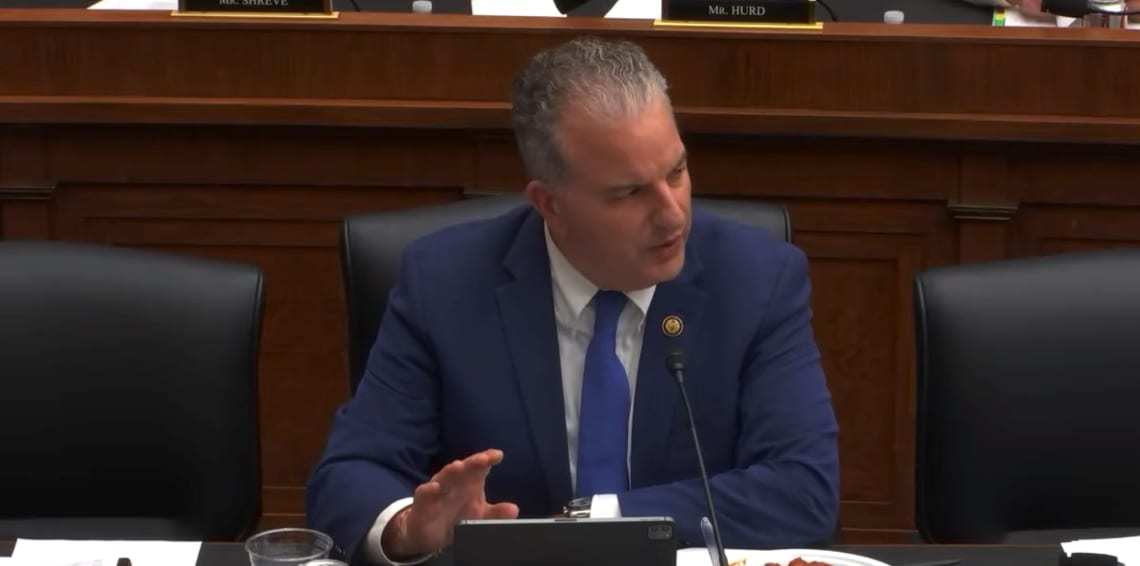
Congress Weighs a $130 Annual Federal Fee on Electric Vehicles, and Florida EV Owners Pay No State Fee Today
6h ago
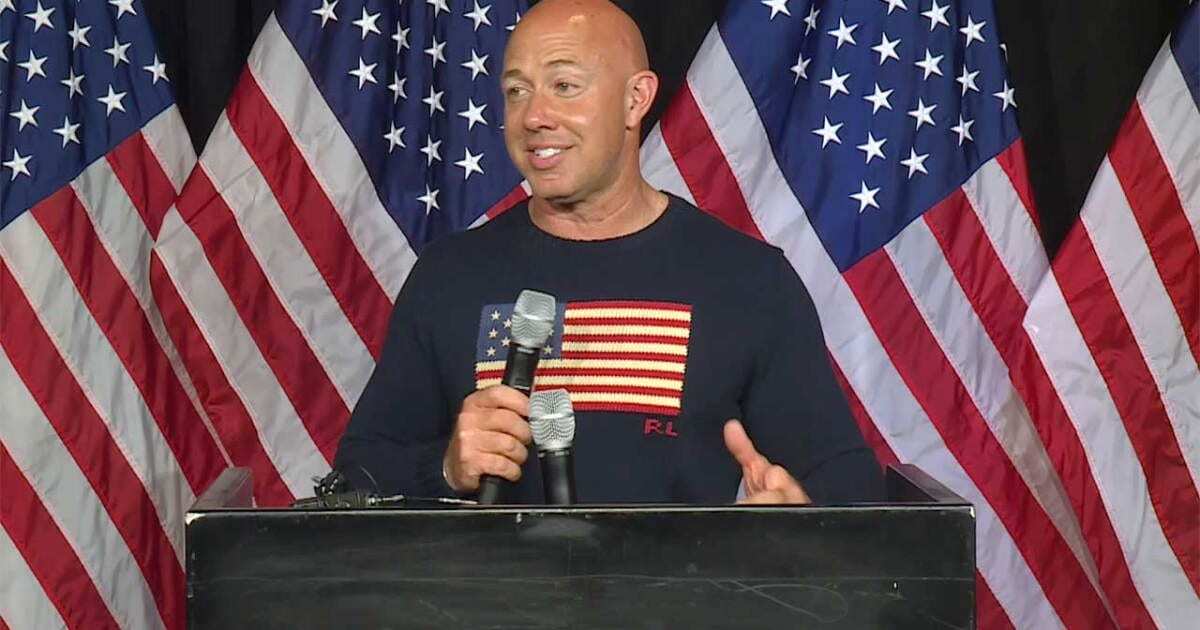
Brian Mast Predicts U.S. Focus on Latin America Will Last Through Trump's Term as He Prepares to Hand Foreign Affairs Gavel to Democrats
6h ago
USDA Proposes Ending Broad SNAP Eligibility Rule That Florida Uses, Projecting 6.3 Million Americans Would Lose Food Aid by 2029
22h ago