USDA Proposes Ending Broad SNAP Eligibility Rule That Florida Uses, Projecting 6.3 Million Americans Would Lose Food Aid by 2029
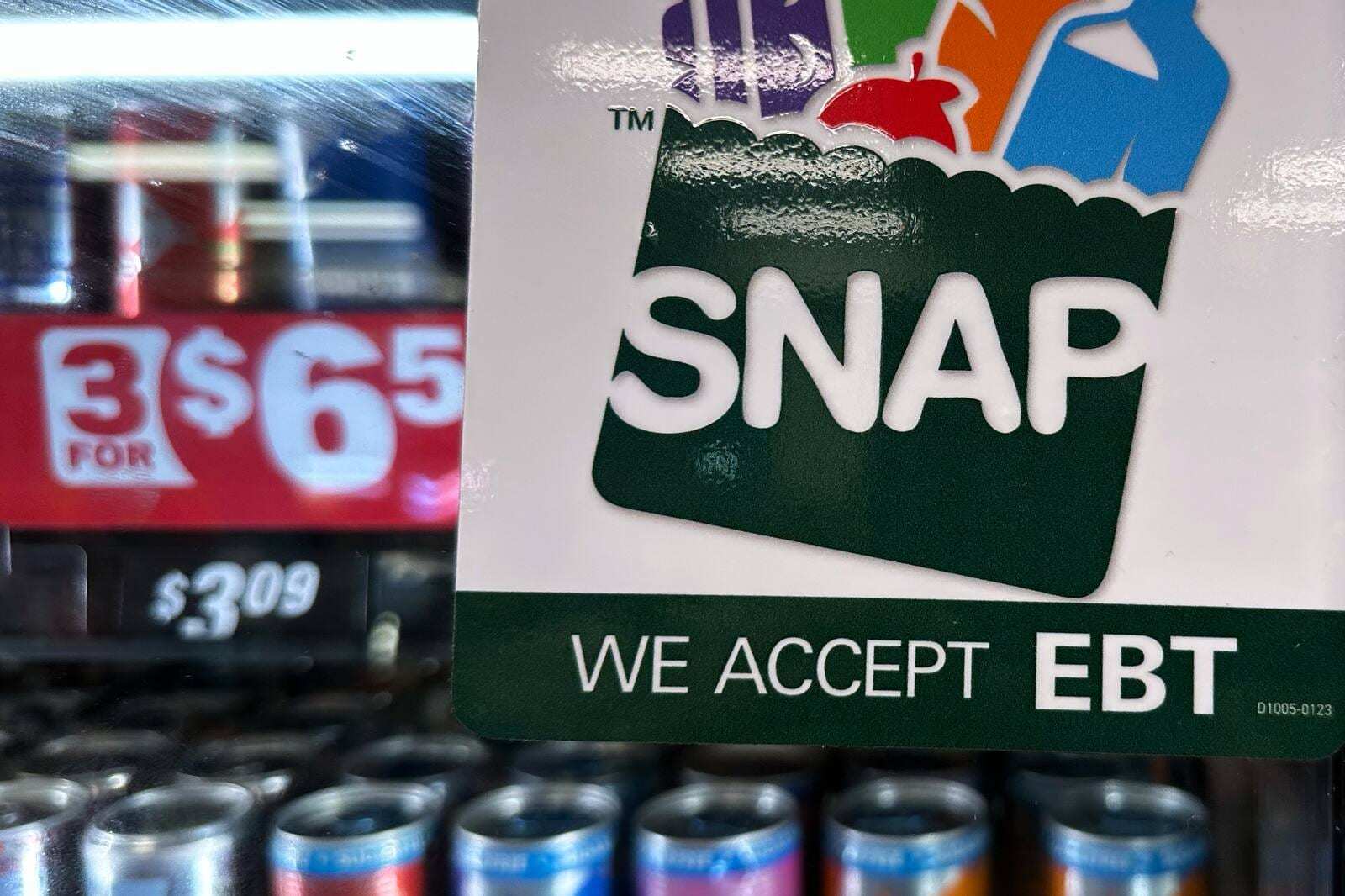
The U.S. Department of Agriculture on Tuesday, Nov. 10, published a proposed rule that would end broad-based categorical eligibility, the policy most states, including Florida, use to extend food stamp benefits to working families whose incomes or savings sit above the federal program's standard limits. The agency estimates that about 3.2 million households, or roughly 6.3 million people, would lose Supplemental Nutrition Assistance Program benefits once the rule takes full effect in fiscal year 2029. For Florida, which has already seen its SNAP rolls shrink by hundreds of thousands of people over the past year, the proposal would tighten the program again, this time at the front door of eligibility.
CNN reported that the people who would lose benefits amount to nearly one in five SNAP enrollees nationwide. The proposal is not final. A public comment period runs through Dec. 10, 2026, under docket FNA-2026-0661, and the department must review comments before it can issue a final rule.
What the rule would change
Under federal law, households that receive certain welfare benefits are treated as automatically, or categorically, eligible for SNAP. For decades, states have been allowed to extend that status to households that receive a benefit funded by the federal Temporary Assistance for Needy Families block grant, and many states count low-cost, non-cash services, such as informational materials or referrals, as the qualifying benefit. That approach lets states set a gross income limit above the federal standard of 130% of the poverty line and drop or loosen the asset test.
The proposal would narrow automatic eligibility to households that receive TANF assistance, meaning mainly ongoing cash aid, according to News4JAX's summary of the rule. It would also strike language that allowed households merely authorized to receive a benefit, rather than actually receiving it, to qualify. Households that lose categorical eligibility would have to pass the federal income and asset tests to stay on the program.
The USDA argues the policy has drifted far from what Congress intended and lets states take shortcuts. In support, the department cited a 2012 Government Accountability Office report that found a 17.2% payment error rate among households qualifying through broad-based categorical eligibility, compared with 6.7% for other SNAP households, News4JAX reported. According to the department, 46 states used the policy as of December 2025.
The USDA's estimated effects
The department's own projections, as reported by CNN and News4JAX, show the reach of the change beyond food stamps:
| Measure | USDA estimate |
|---|---|
| Households losing SNAP (FY2029) | About 3.2 million |
| People losing SNAP (FY2029) | About 6.3 million |
| Children losing automatic free school meals | About 1.78 million |
| Children losing Summer EBT, starting summer 2029 | About 42,000 |
| Women, infants and children losing WIC eligibility | About 5,500 |
| Federal SNAP spending cut, FY2027 to FY2031 | About $44.6 billion |
| Net state SNAP spending cut | About $5.24 billion |
| Added state administrative costs | About $928.5 million |
The department said about 97% of the children who would lose automatic eligibility for free school meals could still qualify by filing a separate income-based application with their school district. That shifts paperwork onto families and schools, and children whose parents do not complete the form would lose the meals.
Why it matters in Florida
Florida adopted broad-based categorical eligibility more than a decade ago and uses it to set its SNAP gross income limit at 200% of the federal poverty level for most households, well above the 130% federal standard. The state's Department of Children and Families, which runs SNAP through its Office of Economic Self-Sufficiency, applies that 200% threshold to most applicants. Under the proposed rule, Florida households with gross incomes between 130% and 200% of poverty, and those with savings above the federal asset limit, would be the most exposed.
The USDA has not published state-by-state estimates in the coverage available so far, so the number of Floridians who would lose benefits under the 2026 proposal is not yet known. When the first Trump administration proposed a similar rule in July 2019, the Florida Policy Institute, a nonpartisan research group, estimated that at least 157,078 Florida children receiving SNAP would lose eligibility, and the group later warned that nearly 200,000 Florida students could lose free school lunch. A separate estimate attributed to DCF at the time projected that about 229,000 Floridians would lose assistance. The 2019 proposal, which USDA estimated would affect about 3.1 million people nationally, was withdrawn in 2021 after drawing nearly 158,000 public comments. The new proposal's national estimate is roughly double that.
A caseload already falling
The proposal lands on a Florida program that has contracted sharply since Congress passed the One Big Beautiful Bill Act in July 2025. That law cut SNAP spending by an estimated $187 billion over a decade, limited which lawfully present immigrants can qualify and extended work requirements to adults ages 55 to 64 and to parents of children 14 and older.
DCF data showed Florida had 2,285,099 SNAP recipients in June 2026, down from 2,970,283 in June 2025, a drop of about 23%, according to the Florida Phoenix. Monthly benefits paid in the state fell 26.1% over the same period, from nearly $541 million to about $399 million, even as applications for assistance rose 15.2%. The Center on Budget and Policy Priorities, using USDA data, estimated Florida's decline at 21%, among the steepest in the country.
SNAP benefits are spent at Florida grocery stores, supermarkets and farmers markets, so a further reduction in the caseload would also mean less federal money flowing to local food retailers.
Schools and families
The school meal effect could reach Florida classrooms in a way that is easy to miss. Children in SNAP households are directly certified for free meals without an application. If a family loses SNAP under the new rule, its children would no longer be certified automatically, and districts would have to rely on paper or online applications to keep them enrolled. Many Florida districts also use the federal Community Eligibility Provision to serve free meals schoolwide, and the share of students directly certified through programs like SNAP is part of how schools qualify for it, so a smaller SNAP caseload could affect which schools stay eligible.
What's next
Comments on the proposed rule are due Dec. 10, 2026, and can be submitted through regulations.gov under docket FNA-2026-0661, by email or by mail to the USDA's SNAP Program Development Division in Beltsville, Maryland, according to News4JAX. After the comment period closes, the department would have to respond to the substantive comments before publishing a final rule, which would then set the effective date. The agency's projections assume the full effect arrives in fiscal year 2029, which begins Oct. 1, 2028.
The 2019 version drew opposition from anti-hunger groups and states, and Congress declined to eliminate the policy in the 2018 farm bill. For now, Florida SNAP recipients do not need to take any action: eligibility rules remain unchanged until a final rule is adopted and takes effect.
Spotted an issue with this article?
Have something to say about this story?
Write us a letterComments
No comments yet. Be the first to weigh in.
Related Coverage
Kat Cammack Takes Over Florida's GOP House Delegation as Greg Steube Loses Leadership Bid and Jim Jordan Leads a Shrunken Minority
2h ago
Consumer Prices Rise 0.4% in October as Inflation Spreads Past the Gas Pump, Raising Odds of a December Fed Hike for Florida Borrowers
7h ago

Bukele Turns Haiti Gang Offensive Into Election Showcase as 2,500 Salvadoran Troops Fight Outside the UN Force, a War South Florida Haitians Watch Closely
7h ago
Ashley Moody Says Florida Has Now Recovered More Than $2.5 Billion in Delayed FEMA Reimbursements for 500-Plus Disaster Projects
9h ago