Florida Anglers Get a 14-Day Fall Atlantic Red Snapper Season Starting Oct. 9
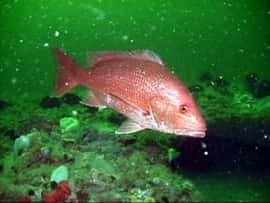
Florida anglers on the Atlantic coast will get a 14-day fall red snapper season this October after NOAA Fisheries approved a revised state management permit for the Florida Fish and Wildlife Conservation Commission. The season will run continuously from Oct. 9 through Oct. 22, 2026, and will be open to private recreational anglers and for-hire operations fishing in Florida's Atlantic state and federal waters.
The approval, announced by the FWC and state officials the week of Sept. 22, gives anglers a two-week continuous window, a long stretch by the standards of recent Atlantic red snapper management. It is especially welcome news in Northeast Florida, where ports from Fernandina Beach and Mayport to St. Augustine and Ponce Inlet sit near some of the most productive red snapper grounds in the South Atlantic.
How the fall season works
Under the rules for the fall season, anglers may keep one red snapper per person, per day, and there is no minimum size limit. The season is managed by the state under an exempted fishing permit issued by NOAA Fisheries, which allows Florida to set the season and collect its own harvest data rather than relying on the traditional federal approach.
To prepare for the opening, the FWC issued an executive order closing Atlantic state waters to recreational red snapper harvest as of Sept. 22, 2026. That closure aligns state waters with the upcoming 14-day window, so the fall harvest is concentrated in the Oct. 9 to 22 period.
Participation comes with reporting requirements that are central to the state's management approach. All red snapper trips must be declared through the FWC's Atlantic Red Snapper Reporting app. Anglers must carry a copy of their trip declaration and a copy of Florida's exempted fishing permit on their vessel. Recreational anglers also need the State Reef Fish Angler designation, which is free.
- Season: Oct. 9 through Oct. 22, 2026, open every day.
- Where: Florida's Atlantic state and federal waters.
- Who: private recreational anglers and for-hire operations.
- Bag limit: one red snapper per person, per day, with no minimum size.
- Requirements: trip declaration through the FWC's Atlantic Red Snapper Reporting app, a copy of the declaration and the exempted fishing permit on board, and the free State Reef Fish Angler designation.
Why state management matters
For more than a decade, Atlantic red snapper has been one of the most contentious fisheries in the Southeast. Federal managers have set very short recreational seasons in recent years, sometimes only a few days long, because of concerns about the number of fish that die after being caught and released, a problem known as discard mortality.
Anglers in Northeast Florida have long argued that those seasons did not match what they see on the water, where red snapper are plentiful on many reefs and wrecks. Many fishermen reported catching and releasing large numbers of snapper while targeting other species, which fed frustration with the federal rules.
Exempted fishing permits offer a different approach. NOAA says its permits allow states to pilot test new data collection and management strategies for the recreational harvest of red snapper in state and federal waters in 2026. By requiring trip declarations and reporting through the app, Florida aims to produce more timely and detailed information about how many fish are caught and released, which could support longer seasons in the future if the data show the stock can sustain them.
Gov. Ron DeSantis announced expanded 2026 red snapper seasons and praised the federal approval of state management for Atlantic red snapper, according to a release from his office. State leaders have pushed for years for more control over red snapper management in both the Atlantic and the Gulf, pointing to the state-led approach in the Gulf as a model.
The Northeast Florida fishing economy
Red snapper is a signature catch for offshore anglers in Northeast Florida and along the First Coast. Charter captains, bait and tackle shops, marinas, fuel docks and restaurants all benefit when the season opens, and a two-week window gives businesses a more predictable stretch of demand than a season measured in days.
A continuous season also gives anglers more flexibility to pick safe weather days. Short seasons can push boaters to head offshore in marginal conditions so they do not miss their only chance, a concern that fishing groups and safety officials have raised in past years. A 14-day window in October, when the Atlantic can be choppy as fall cold fronts arrive, should leave room to wait for better conditions.
For-hire operators, including charter boats and headboats, are included in the fall season, which means visitors without their own boats can book trips to target red snapper. Captains typically book up quickly once a season is announced, and anglers planning a trip are advised to reserve early and confirm that their captain is participating under the state permit.
The season also extends beyond Northeast Florida. Anglers along the Space Coast, the Treasure Coast and farther south fish Atlantic waters where red snapper are caught, although the species is most abundant off the northern half of the state's Atlantic coast. Businesses from Brevard County to Palm Beach County also stand to see more offshore bookings during the window.
Tips for a safe offshore trip
Most red snapper fishing off Northeast Florida takes place well offshore, often many miles from the inlet, on natural reefs, ledges and artificial reefs. Those trips require seaworthy boats and careful planning, particularly in October, when fall fronts can bring strong northeast winds and rough seas to the First Coast.
Boating safety officials routinely advise offshore anglers to check the marine forecast before leaving, file a float plan with someone on shore and carry required safety equipment, including life jackets for everyone aboard, a VHF radio and visual distress signals. An emergency position-indicating radio beacon or personal locator beacon can speed rescue if something goes wrong far from shore.
Inlets such as the St. Johns River entrance at Mayport, the St. Augustine Inlet and Ponce de Leon Inlet can be hazardous when an outgoing tide meets an onshore wind, producing steep, breaking waves. Captains familiar with local conditions often time their departures and returns around the tides for that reason. With 14 days available, anglers can afford to skip a rough day and wait for a safer one.
Protecting fish that are released
Because anglers can keep only one red snapper per day, many fish will still be caught and released during the season, and many anglers will continue to catch red snapper while fishing for other reef species. How those fish are handled matters for the health of the stock.
Red snapper often live in deep water, and fish brought up quickly from depth can suffer barotrauma, a condition in which gases in the body expand and can prevent the fish from swimming back down. Fisheries managers and conservation groups encourage anglers to use descending devices, which carry a released fish back down to depth, and to keep fish in the water or return them quickly to improve their odds of survival.
Other common best practices include using circle hooks, which tend to hook fish in the mouth rather than the gut, and having release tools ready before a fish comes aboard. Anglers should check the FWC's current regulations for any gear requirements that apply to reef fishing in Atlantic waters before heading offshore.
How the fall season fits a busy fishing calendar
The Atlantic red snapper opening is one of several fall fishing changes in Florida. In the Gulf, the FWC set the 2026 recreational season for gag grouper in state waters to run Sept. 1 through Sept. 30, excluding state waters off Monroe County, which matches the federal season in adjacent waters. That season closes as the Atlantic red snapper window approaches.
October is also a popular month for nearshore fishing in Northeast Florida as bait moves along the coast and species such as redfish and flounder become active. For many anglers, the red snapper season adds an offshore option to an already busy time on the water.
State officials encourage anglers to review the full rules on the FWC's Atlantic red snapper page before the season opens, since the reporting requirements differ from those for most other species and must be completed for each trip.
What it means for the future of the fishery
The data collected during this season will be closely watched by federal and state managers. If Florida's reporting system produces reliable estimates of catch and release, it could strengthen the state's case for managing Atlantic red snapper on a longer-term basis, similar to the arrangement that gives Gulf states control over their recreational red snapper seasons.
Conservation groups and some scientists have urged caution, noting that the South Atlantic stock has been the subject of long-running federal rebuilding efforts. The accuracy of angler reporting, the number of fish released and the survival rate of those releases will all factor into future decisions.
For now, the fall season represents a meaningful expansion of opportunity for Florida anglers, and a test of whether state-led data collection can improve management of one of the Atlantic coast's most popular fish.
What's next
Anglers who plan to fish during the season should sign up for the free State Reef Fish Angler designation, download the FWC's Atlantic Red Snapper Reporting app and print or save a copy of the state's exempted fishing permit before Oct. 9.
The season opens Friday, Oct. 9, and closes after Thursday, Oct. 22. Atlantic state waters remain closed to recreational red snapper harvest until the opening.
The FWC is expected to review harvest and reporting data after the season ends. Those results will help shape the state's approach to Atlantic red snapper in 2027 and could influence how long future seasons last.
Spotted an issue with this article?
Have something to say about this story?
Write a letter to the editorComments
No comments yet. Be the first to weigh in.
Related Coverage

King Tides Swamp South Florida Streets and Shut Down Two Miles of A1A
22h ago
Everglades Restoration Delivers Record Freshwater Flows Even as Drought Grips South Florida
1d ago
Florida Wildlife Officials Identify Northeast Florida Algae Bloom as a Lower-Toxin Species, Not Red Tide
1d ago
DeSantis Widens Emergency Order as Pasture Mealybug Spreads to 25 Florida Counties
3d ago