U.S. Sugar discharged 440 million gallons of farm stormwater in Clewiston, blames November flooding
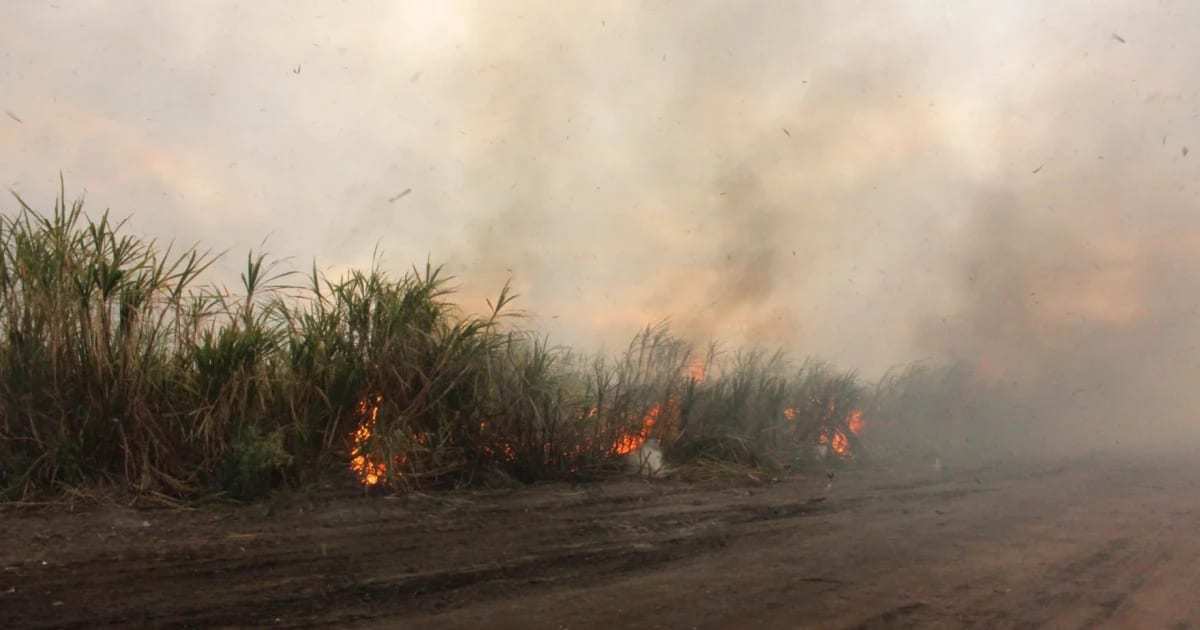
U.S. Sugar discharged about 440 million gallons of stormwater from an agricultural pond at its Clewiston mill into the city's stormwater system over 10 days this month, according to a pollution notice filed with the Florida Department of Environmental Protection. The company blames heavy November flooding, while clean water advocates warn the untreated water will add to pollution in Lake Okeechobee.
The release, reported to the state on Monday, Nov. 16, drains into a system that usually flows to Lake Okeechobee and sometimes to the Caloosahatchee River, the waterway that carries lake water to Fort Myers and the Gulf coast of Southwest Florida.
What the state notice says
DEP issued a Public Notice of Pollution on Monday afternoon for a reportable release of 440 million gallons of stormwater from an agricultural pond at U.S. Sugar's Clewiston Mill in Hendry County, caused by excess rainfall, WGCU reported.
In its incident description, U.S. Sugar said the discharge began Friday, Nov. 6, and that releases were planned to stop on Nov. 16. The company estimated, based on the acreage of the pond and how far it was drawn down, that it was discharging about 44 million gallons a day.
The notice contained conflicting information about timing. One section said the release began 12 minutes before the notice was sent at 3:20 p.m. on Nov. 16. Another listed a start time of 3:08 p.m. and an end time of 9:55 a.m. on the same day. The notice was sent after the company said the incident had ended, and U.S. Sugar gave no reason for the inconsistencies, according to WGCU.
Florida law generally requires most pollution incidents to be reported within 24 hours of discovery. A pollution notice on its own does not establish that a violation occurred, and DEP has not announced any finding of a violation or any penalty.
To give a sense of scale, WGCU calculated that 440 million gallons stacked on a football field, end zones included, would stand 1,021 feet deep.
U.S. Sugar cites its permit and the floods
U.S. Sugar wrote in the notice that the water "is being discharged to the Clewiston district storm water system per industrial waste water permit." Under DEP rules, industrial wastewater discharges must provide reasonable assurance that they will meet Florida's surface or ground water quality standards in order to receive a permit.
The company did not respond to WGCU's repeated questions, including whether the released water met the standards required by that permit. On Wednesday, after requests for comment that began Monday, spokesperson Ryan Duffy issued a statement: "Communities and farms all over Florida experienced unprecedented threats of flooding during the month of November."
Duffy said the flooding compounded a difficult year for South Florida farms, which have also dealt with historic freezes and the invasive pasture mealybug, and described those problems as a threat to food production during the harvest season.
The November rains
The discharge began days after a slow-moving storm system soaked the Lake Okeechobee region. Some communities around the lake received 5 to 7 inches of rain on Sunday, Nov. 1, according to the Florida Public Radio Emergency Network, and much of the southern half of the state was placed under a flood watch.
On Nov. 3, the South Florida Water Management District issued an emergency order covering Palm Beach, Martin, St. Lucie, Okeechobee, Glades, Hendry and Highlands counties, saying parts of the area had received more than 10 inches of rain in 36 hours. The district said its pump stations were operating around the clock to move water away from communities. Okeechobee County closed schools and county offices on Nov. 2 as neighborhoods flooded. The district's governing board has since called for a review of its forecast and its response to the November rains, after officials described flooding that overwhelmed local drainage systems, CBS12 reported.
More rain is coming. The National Weather Service is forecasting 5 to 10 inches for the greater Lake Okeechobee region through the rest of this work week, on ground that is already saturated, WGCU reported.
Where the water goes
Clewiston sits on the southwest shore of Lake Okeechobee, surrounded by sugarcane fields. The city's website says stormwater is not treated before it flows into local waterways, which include Lake Okeechobee and, less often, the Caloosahatchee River.
As of Tuesday, it was not known which way the released water had been routed, what nutrients it might carry, or exactly when each day's releases occurred, WGCU reported. U.S. Sugar has not publicly released water quality data for the discharge.
The question matters to both coasts. Lake Okeechobee's nutrient load fuels toxic blue-green algae blooms, and when the U.S. Army Corps of Engineers releases lake water to manage levels, that water flows down the Caloosahatchee toward Lee County and down the St. Lucie River toward the Treasure Coast. Water sent directly into the Caloosahatchee would reach Southwest Florida more quickly.
Environmental groups object
Clean water advocates criticized the release. Gil Smart, director of the Stuart-based nonprofit VoteWater, told WGCU: "The lake is polluted enough as it is." He added that "you don't need major corporations dumping their water into the municipal system," and said, "There's got to be another way."
Friends of the Everglades also criticized the releases, saying they will add to the lake's existing pollution, according to WGCU.
The episode feeds a longer-running dispute over water from farm fields reaching the lake. Earthjustice says the South Florida Water Management District has pumped millions of gallons of polluted water from sugarcane fields and cities into Lake Okeechobee, water the group says contaminates drinking water supplies and feeds algae blooms.
What's next
DEP has not said whether it will investigate the discharge or the conflicting information in the company's notice, and no penalty has been announced. Key unanswered questions include where the 440 million gallons ended up, whether the water met the standards in U.S. Sugar's permit, and whether more releases will follow if the forecast rain arrives. With several more inches expected around the lake this week, water managers, farms and cities across the region are bracing for more water with few places to send it.
Spotted an issue with this article?
Have something to say about this story?
Write us a letterComments
No comments yet. Be the first to weigh in.
Related Coverage

Coral Scientists Fear Amendment 3 Will Stall Florida Reef Restoration After State Money Dried Up
8h ago
Red Tide Spreads Along the Florida Panhandle, With Bloom Levels at Mexico Beach, St. Andrews and Cape San Blas
1d ago

DeSantis and Cabinet Approve $240 Million in Land Deals, Including $20.5 Million Clearwater Beach Tract for Caladesi Island State Park
1d ago
Suncoast Waterkeeper Threatens Clean Water Act Suit Against Nokomis Scrapyard Over Metal Runoff Into Dona Bay
3d ago