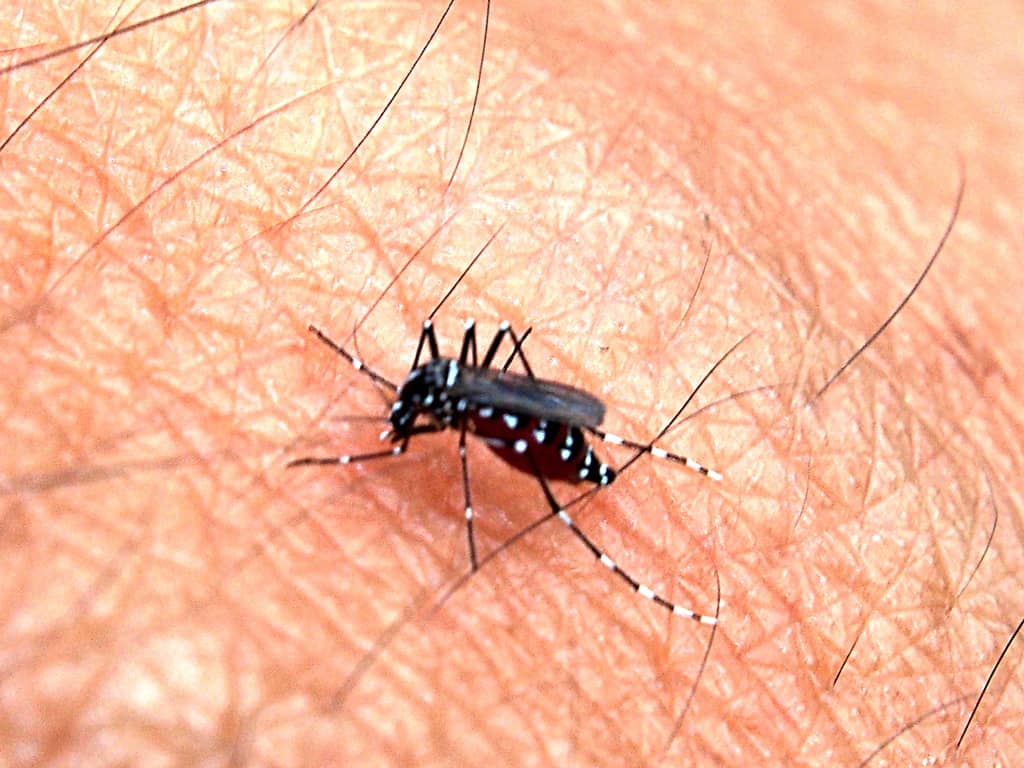
Florida Health Officials Warn on Mosquito Illness and Beach Water Quality

Florida health officials have spent the first half of September issuing two categories of warning that share a common cause: warm standing water. The state surgeon general urged residents to take precautions against mosquito-borne illness as families spent extended time outdoors, and county health departments posted water quality advisories at individual beaches after samples exceeded the state's recreational threshold for enterococcus bacteria.
Tests completed September 9 indicated that water quality at Bahia Beach in Hillsborough County did not meet recreational water quality criteria for enterococcus bacteria, according to the county health department. A similar advisory followed testing completed September 7 at Brohard Beach in Sarasota County.
Neither category of warning is unusual for Florida in September, which is precisely the point health officials make when they issue them. The end of the wet season leaves standing water across the state, and the combination of warm water temperatures and heavy rainfall runoff is the reliable driver of both mosquito populations and coastal bacteria counts.
What the beach advisories mean
Enterococci are bacteria that live in the intestines of warm-blooded animals. Health departments do not test for them because the bacteria themselves are especially dangerous. They test for them because their presence indicates fecal contamination, which in turn indicates the possible presence of pathogens that are harder and slower to test for directly.
The sources in Florida are typically some combination of stormwater runoff, which sweeps animal waste from streets and lawns into coastal waters; sanitary sewer overflows or lift station failures during heavy rain; failing septic systems, which remain widespread in parts of the state; and wildlife, particularly large bird populations near a sampling site.
An advisory is a recommendation rather than a closure. It tells the public that swimming at that location carries an elevated risk of gastrointestinal illness, skin rash, or eye and ear infection. The practical guidance is to avoid swimming at an advisory beach, and to be especially cautious if you have an open wound or a compromised immune system. Advisories are lifted when follow-up samples come back within criteria, which often happens within days as tides and sunlight clear the contamination.
Florida's Healthy Beaches Program samples designated beaches on a regular schedule and posts results publicly by county. Residents and visitors can check the current status of a specific beach before going, which is a more useful habit than trying to remember which beaches have had problems historically.
The mosquito-borne illness picture
The surgeon general's mosquito advisory, delivered alongside local officials in Hillsborough County in early September, reflects the season rather than a specific outbreak. Florida's mosquito-borne disease risk runs highest from late summer into autumn, when the standing water left by the wet season supports peak breeding.
Florida monitors several mosquito-borne illnesses. West Nile virus and eastern equine encephalitis are maintained in bird populations with mosquitoes as the vector, and the state's sentinel chicken surveillance program tests flocks around the state to detect viral circulation before human cases appear. Dengue, chikungunya, and Zika are generally travel-associated, though Florida has recorded locally acquired dengue transmission in recent years, particularly in South Florida and the Keys. Malaria cases with local transmission were documented in Sarasota County in 2023.
The distinction between travel-associated and locally acquired matters enormously for public health response. A travel case means someone was infected elsewhere. A local case means the transmission cycle is operating in Florida, which triggers intensified spraying, larvicide application, and door-to-door surveillance in the affected area.
What residents should actually do
The prevention guidance is genuinely effective and consistently underused. Drain standing water around the home weekly, because the container-breeding mosquitoes that transmit dengue and Zika complete their life cycle in about a week and will breed in remarkably small volumes. Bird baths, plant saucers, tarps, clogged gutters, toys, and buckets are the usual sources, and pool covers and unmaintained swimming pools are significant producers in neighborhoods with vacant properties.
Cover skin with long sleeves and pants when practical, particularly around dawn and dusk when several vector species are most active, though the Aedes species that transmit dengue are daytime biters. Use an EPA-registered repellent containing DEET, picaridin, oil of lemon eucalyptus, or IR3535, applied according to label directions.
Maintain screens on windows and doors. Repair tears. This is unglamorous advice that most people nod at and do not act on, and it remains among the most effective interventions available at the household level.
Why Florida is uniquely exposed
Florida has more mosquito species than any other state, and the combination of subtropical climate, standing water, and a year-round growing season means the transmission window never fully closes the way it does in northern states. Local mosquito control districts operate as independent taxing authorities in many counties, which gives them dedicated funding and considerable operational capacity.
The state's international travel volume adds a layer. Florida's airports and seaports connect directly to regions where dengue, chikungunya, and malaria are endemic, which means imported cases arrive continuously. Those imported cases are the seed for local transmission when a competent vector bites an infected traveler during the viremic period.
Climate is shifting the baseline. Warmer average temperatures extend the season at both ends and expand the range of some vector species northward within the state. Public health officials have been explicit that the planning assumption is more transmission risk over time rather than less.
What it means for Floridians
For most residents this week, the practical takeaway is two habits: check the Healthy Beaches status for your beach before swimming, and walk your yard once a week emptying anything holding water. Neither takes long and both are meaningfully protective.
Parents of young children should pay particular attention to the beach advisories, since children swallow more water while swimming and are more likely to develop gastrointestinal illness from exposure. People with chronic liver disease or compromised immune systems face additional risk from Vibrio bacteria in warm coastal waters, which is a separate and more serious hazard than enterococcus and is the reason health departments warn against entering seawater with open wounds.
Symptoms that warrant a call to a physician after mosquito exposure include fever with severe headache, joint or muscle pain, rash, or confusion. Most mosquito-borne infections resolve without specific treatment, but eastern equine encephalitis in particular carries a high fatality rate and requires immediate care.
Vibrio and the warm-water hazard
The bacteria advisories that health departments issue for enterococcus are not the only microbiological hazard in Florida's coastal waters, and the other one is considerably more serious even though it generates far fewer headlines. Vibrio vulnificus is a naturally occurring bacterium found in warm brackish and salt water, and it is present in Florida waters as a matter of course rather than as a contamination event.
Most people exposed to it experience nothing. The risk concentrates sharply in two groups: people with open wounds who enter the water, and people with chronic liver disease, hemochromatosis, or compromised immune systems who consume raw or undercooked shellfish. In those populations the infection can progress rapidly and carries a substantial fatality rate.
The guidance follows directly from the risk profile. Do not enter salt or brackish water with an open cut, scrape, recent tattoo, or surgical wound. Cover wounds with a waterproof bandage if exposure is unavoidable. Wash thoroughly with soap and clean water after contact. People with liver disease should avoid raw oysters entirely, a recommendation that predates any particular season and is not related to water quality advisories.
Vibrio cases in Florida rise after hurricanes, when floodwaters mix salt water with wounds and debris. A season without a landfall, such as the one Florida is currently having, typically means fewer such cases.
How Florida's mosquito control districts work
Mosquito control in Florida operates through a structure that most states do not have. Many counties have independent mosquito control districts with their own boards, their own taxing authority, and their own operational capacity including aircraft. That independence gives them dedicated funding that does not compete with roads and public safety in a county budget.
Their work runs on two tracks. Larviciding targets standing water where mosquitoes breed, applying agents that kill larvae before they become adults, and it is the more effective and more environmentally targeted approach. Adulticiding, the truck and aircraft spraying that residents notice, addresses adult populations and is used in response to trap counts or disease detection.
Surveillance drives both. Districts operate trap networks and, in coordination with the state, sentinel chicken flocks that are tested regularly for antibodies to West Nile virus and eastern equine encephalitis. A positive sentinel result indicates the virus is circulating in the local mosquito population before human cases appear, which triggers intensified control.
Residents can usually request service for a persistent mosquito problem, and districts generally publish spray schedules. Beekeepers in particular can register to receive notice ahead of applications.
What to do if you get sick
Most mosquito-borne infections in Florida present as a nonspecific viral illness and resolve on their own, which is exactly why they are frequently never diagnosed. Fever, headache, muscle aches, and fatigue describe a hundred conditions.
The features that should prompt a call to a physician are severe headache, neck stiffness, confusion, disorientation, seizures, or muscle weakness, any of which suggest neurological involvement. Eastern equine encephalitis in particular is rare but carries a high fatality rate among those who develop neuroinvasive disease, and survivors frequently have lasting neurological effects.
Dengue has its own warning signs that appear as the fever breaks rather than at its peak: severe abdominal pain, persistent vomiting, bleeding from gums or nose, and rapid breathing. Those indicate a risk of progression to severe dengue and warrant immediate care. Anyone who has traveled recently, particularly to the Caribbean or Latin America, should tell their physician, because travel history changes the diagnostic picture considerably.
What's next
County health departments will continue routine beach sampling and will lift the current advisories once follow-up results come back within criteria. Results are posted publicly and updated as testing completes.
Mosquito risk will stay elevated through October before declining as temperatures moderate and the dry season begins. Local mosquito control districts adjust spraying schedules based on trap counts and sentinel surveillance, and residents can request service for persistent problems in most counties.
The state's disaster preparedness sales tax exemptions now run year-round rather than in holiday windows, which includes some supplies relevant to both hurricane and general household readiness. Residents can find current Florida Department of Health guidance and county-level beach sampling results through the department's public reporting pages.
Spotted an issue with this article?
Have something to say about this story?
Write a letter to the editor