Florida Loggerhead Sea Turtles Set Nesting Record as Leatherbacks Near New High
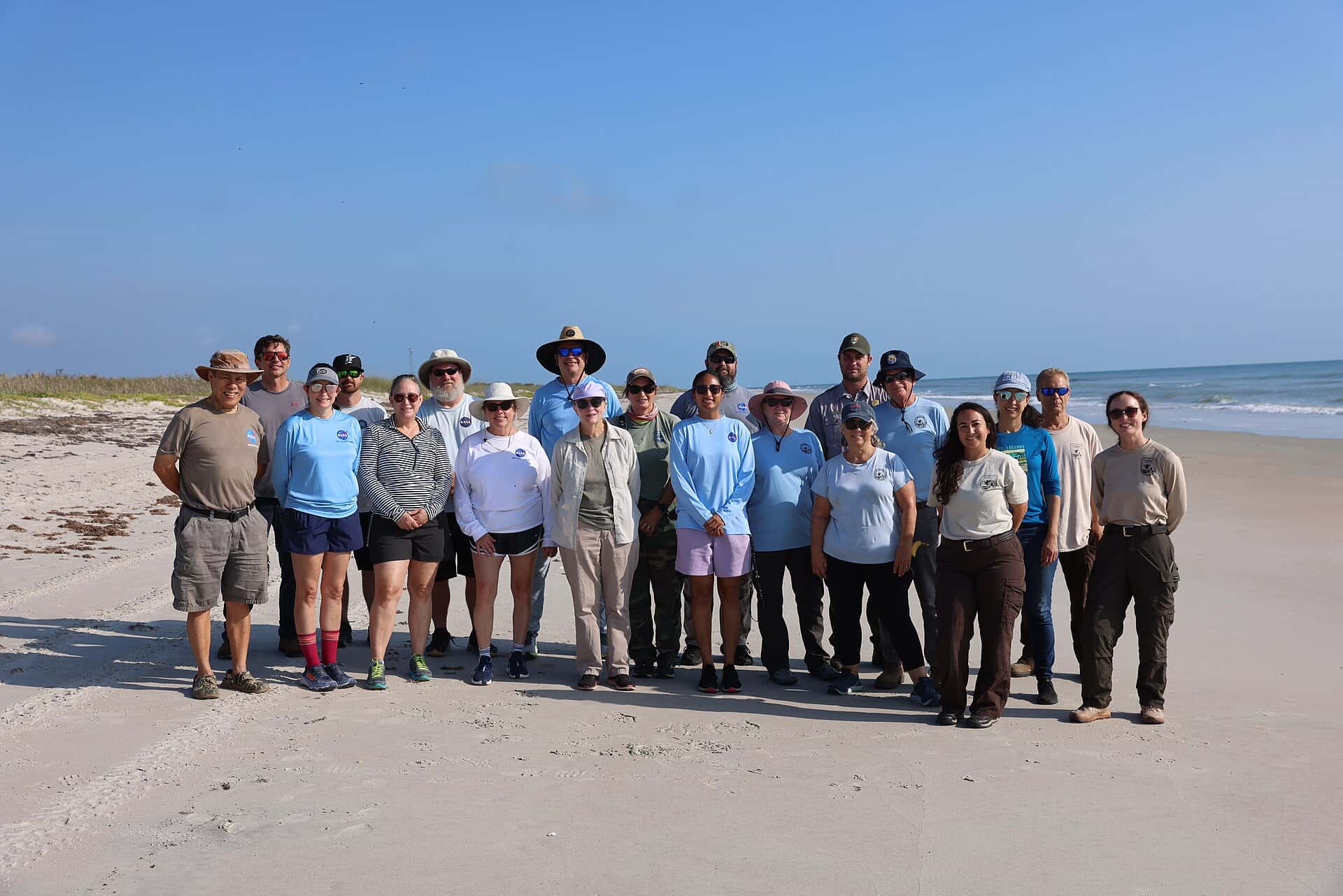
Florida's loggerhead sea turtles have set a new statewide nesting record, with 136,972 nests counted through Aug. 31, according to preliminary figures from the Florida Fish and Wildlife Conservation Commission. That total surpasses the previous record of 134,930 loggerhead nests set in 2023, and the agency said the figure will become the official record once its data review is complete.
Loggerheads are not the only species having an exceptional year. FWC's preliminary counts show leatherbacks on track for a statewide record of 2,209 nests if confirmed, green turtles at 50,815 nests, and Florida's first confirmed olive ridley nest, a discovery the agency called one of the season's most remarkable. The figures arrive as nesting season winds down on most Florida beaches at the end of October.
A record year for loggerheads
Florida hosts the largest loggerhead nesting population in the Western Hemisphere and one of the two largest in the world. Most loggerhead nests are laid along the Atlantic coast from Brevard County south to Palm Beach County, with significant nesting on Gulf beaches in Southwest Florida and the Panhandle.
The 2026 count beat the 2023 record by more than 2,000 nests even though the tally only runs through the end of August. Late-season nests laid in September and October could add to the total when the final figures are published, although loggerhead nesting typically tapers off sharply after August.
FWC tracks statewide nesting through its Statewide Nesting Beach Survey program, which relies on trained permit holders, including local governments, conservation groups, universities and volunteers, who walk beaches at dawn during the season to document new nests. A subset of beaches is surveyed with especially consistent methods to track long-term trends.
Local groups saw similar results. The Sanibel-Captiva Conservation Foundation reported a record-breaking loggerhead season on Sanibel in late July, and other organizations along the Atlantic coast reported strong counts during the summer. Those local tallies feed into FWC's statewide database, and the agreement between local and statewide figures gives biologists confidence that the 2026 season was strong across many parts of the coast rather than concentrated on a few beaches.
Leatherbacks and greens also strong
Leatherbacks, the largest sea turtles in the world, nest in much smaller numbers in Florida, mostly along the southeast coast from Martin to Palm Beach and Broward counties. A season with 2,209 leatherback nests would set a new statewide mark, according to FWC's preliminary data, a notable result for a species whose Florida nesting numbers have fluctuated widely over the past decade.
Green turtles, which nest in a strong two-year cycle in Florida, recorded 50,815 nests statewide this season, according to FWC. Green turtle nesting has rebounded dramatically since the 1980s, when only a few hundred nests were counted each year on Florida's index beaches.
Researchers credit the long-term recovery of green turtles to decades of protection under the federal Endangered Species Act, reduced harvest throughout the Caribbean and conservation measures on Florida beaches. Year-to-year swings are normal, and a high year is often followed by a lower one as females take time to rebuild energy reserves before nesting again. In Florida, green turtle nesting has historically been higher in odd-numbered years, which makes a strong even-year count notable for researchers tracking the species.
Kemp's ridley turtles, the world's most endangered sea turtle species, nest primarily in Mexico and Texas, but small numbers nest in Florida each year, mostly along the Gulf coast. Their Florida nesting is closely watched by biologists because any increase may signal expansion of the population's range.
Florida's first olive ridley nest
Perhaps the most unusual discovery of the 2026 season was Florida's first confirmed olive ridley nest. Olive ridleys are the most abundant sea turtles in the world, but they nest primarily in the tropics, especially along the Pacific coast of Mexico and Central America and in parts of India and West Africa.
FWC described the find as one of the season's most remarkable discoveries. An olive ridley nesting on a Florida beach is far outside the species' typical range in the Atlantic, and biologists will be interested in whether it represents a one-time event or an early sign of shifting nesting patterns.
Scientists have documented changes in sea turtle nesting ranges in recent years as ocean temperatures rise. Some species have been observed nesting farther north or in new locations, a trend researchers are studying to understand how turtles may adapt to warming beaches and changing currents.
Biologists often rely on physical features of the nesting track, the female herself if she is observed, and in some cases genetic testing of eggshells or hatchlings to identify unusual nests. FWC has not released detailed information about the location of the olive ridley nest in its public summary, a common practice that helps protect rare nesting sites from disturbance. Further details may appear in the agency's final season report.
Why the numbers are rising
Biologists generally caution against reading too much into a single season, because sea turtle nesting naturally varies from year to year. Female turtles do not nest every year, and environmental conditions at distant feeding grounds influence how many are ready to nest in a given season.
Still, the long-term trends for Florida loggerheads and green turtles have been encouraging. Researchers point to protections adopted over several decades, including requirements that shrimp trawlers use turtle excluder devices, restrictions on beachfront lighting and nest protection programs run by local governments and conservation groups.
Loggerheads take roughly three decades to reach maturity, so the turtles nesting today hatched in the 1990s or earlier. That lag means today's strong counts partly reflect conservation measures put in place a generation ago, and today's protections will shape nesting in the 2050s.
Florida's coastal counties have also adopted lighting ordinances that require turtle-friendly fixtures near the beach, because artificial light can disorient hatchlings and draw them away from the ocean. Enforcement and compliance vary, but conservation groups say lighting rules remain one of the most effective tools for protecting hatchlings. Some counties, including Brevard, Palm Beach and Sarasota, have run outreach programs that help condominium associations and businesses retrofit fixtures with amber or red lights that are less visible to turtles.
Threats that remain
Despite the record counts, all of Florida's sea turtle species remain federally protected as threatened or endangered. Hatchlings face predators from raccoons to ghost crabs and seabirds, and only a small fraction of hatchlings survive to adulthood.
Coastal development, beach erosion and seawalls reduce nesting habitat, and hurricanes can wash away nests during the heart of the season. Rising sand temperatures are another concern because the temperature of the nest determines the sex of hatchlings, with warmer nests producing more females.
Marine debris, fishing gear entanglement and boat strikes also injure and kill turtles each year. Florida's sea turtle rehabilitation facilities, including centers in the Keys, on the Atlantic coast and along the Gulf, treat injured turtles and release them when possible. Facilities such as The Turtle Hospital in Marathon, the Loggerhead Marinelife Center in Juno Beach and Mote Marine Laboratory in Sarasota also run public education programs that teach visitors how to share beaches and waterways with turtles.
Water quality problems, including harmful algal blooms such as red tide, can also sicken turtles. FWC's most recent red tide report showed the organism at background or very low concentrations along parts of the Gulf coast, with no fish kills or respiratory irritation reported in the past week.
How Floridians can help
Wildlife officials ask beachgoers to follow simple steps during the remaining weeks of the season. Nesting season runs from March 1 through Oct. 31 on most of Florida's Atlantic coast and from May 1 through Oct. 31 on most Gulf beaches, and hatchlings continue emerging from late nests into the fall.
- Keep beachfront lights off or shielded after dark.
- Fill in holes and knock down sandcastles before leaving the beach.
- Remove chairs, tents and other gear at night.
- Do not disturb marked nests or touch hatchlings.
- Report sick, injured or dead turtles to the FWC Wildlife Alert Hotline at 888-404-3922.
Using a flashlight or phone light on the beach at night can disorient hatchlings, so officials recommend red-filtered lights that are less disruptive. Feeding seabirds and leaving food scraps behind can also attract predators that dig up nests.
Boaters are urged to watch for turtles in coastal waters, particularly in inlets and near reefs, where turtles often surface to breathe. Slowing down in those areas reduces the risk of strikes. Anglers who accidentally hook a sea turtle are asked not to cut the line close to the turtle but to call the FWC hotline for guidance, since trailing line and hooks can cause serious injuries.
What's next
FWC will finalize its 2026 nesting data over the coming months, a process that includes quality checks on survey records submitted by permit holders around the state. Once the review is complete, the agency is expected to confirm the loggerhead and leatherback records and publish final statewide totals.
Hatchlings from late-season nests will continue to emerge on Florida beaches through October and into November. Beachfront residents and businesses should keep turtle-friendly lighting practices in place until the season officially ends.
Researchers will also study the olive ridley nest and other unusual records from 2026 to see whether they point to longer-term changes in where sea turtles nest along Florida's coasts.
Conservation groups are expected to use the record numbers to press for continued funding of beach monitoring, lighting enforcement and habitat protection. With the 2027 season set to begin on Atlantic beaches in March, local governments will also review whether their lighting ordinances and beach management rules kept pace with this year's heavy nesting activity.
Spotted an issue with this article?
Have something to say about this story?
Write a letter to the editorComments
No comments yet. Be the first to weigh in.
Related Coverage
Florida Anglers Get a 14-Day Fall Atlantic Red Snapper Season Starting Oct. 9
2d ago

King Tides Swamp South Florida Streets and Shut Down Two Miles of A1A
2d ago
Everglades Restoration Delivers Record Freshwater Flows Even as Drought Grips South Florida
3d ago
Florida Wildlife Officials Identify Northeast Florida Algae Bloom as a Lower-Toxin Species, Not Red Tide
3d ago