Florida Medicare enrollees face higher Part D drug plan premiums in 2027 as federal subsidy ends
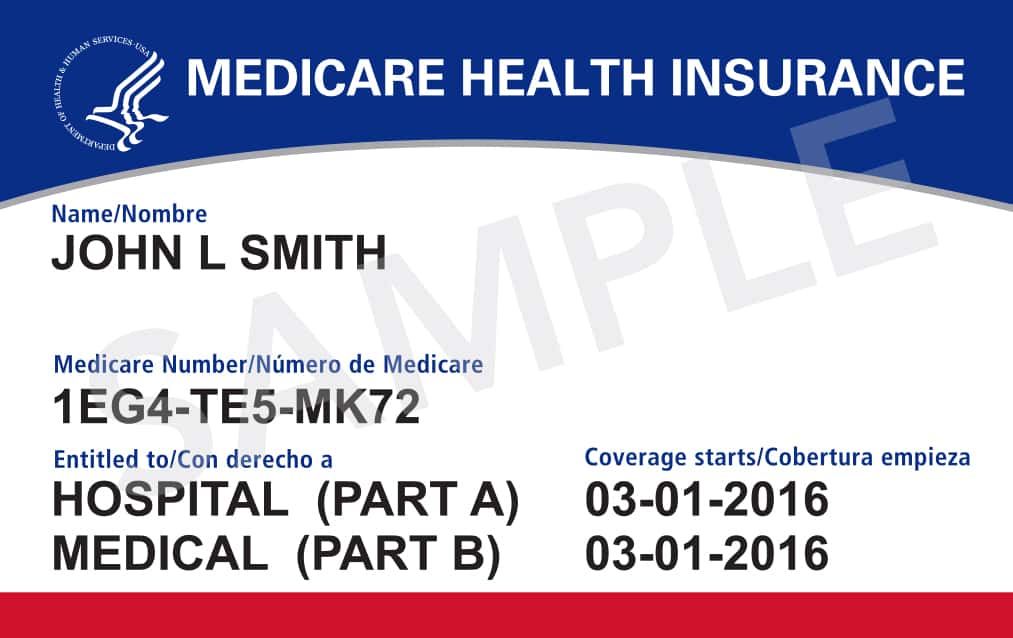
Florida seniors who buy a standalone Medicare prescription drug plan are being urged to compare their options before open enrollment closes Dec. 7, because many of those plans will cost more in 2027. The Centers for Medicare & Medicaid Services is ending a temporary federal subsidy that held down Part D premiums for two years, and the change lands hardest on people in traditional Medicare who pair it with a separate drug plan, a group that numbers about 1.5 million Floridians age 65 and older, according to CMS data cited in regional reporting.
Open enrollment for 2027 coverage began Thursday, Oct. 15, and runs through Dec. 7. Any change a beneficiary makes takes effect Jan. 1. Florida has more than 5 million people enrolled in Medicare, one of the largest Medicare populations in the country, according to CMS enrollment data for the 2026 plan year.
What is changing with Part D premiums
In July, CMS announced it would end the Part D Premium Stabilization Demonstration after 2026, a year earlier than originally expected. The Biden administration created the program in 2024 to cushion standalone drug plan premiums while insurers adjusted to the redesigned Part D benefit created by the 2022 Inflation Reduction Act. The demonstration knocked a fixed amount off the base premium and capped how much a standalone plan's premium could rise from one year to the next. It cost an estimated $9.8 billion across 2025 and 2026, according to a Government Accountability Office estimate cited by KFF, and the Medicare Payment Advisory Commission estimated it lowered the average standalone premium by $26 a month in 2025 and $16 a month in 2026.
CMS said insurers now have enough experience with the new benefit to price their plans without the extra help. CMS Administrator Dr. Mehmet Oz said most people with Medicare would see premiums go up by less than $10 a month, and that many would pay less. In its Sept. 28 release on the 2027 plan landscape, CMS projected that the average standalone drug plan premium would rise by less than $1, from $35.09 in 2026 to $36 in 2027, an enrollment-weighted figure.
Independent analysts read the same data more cautiously. KFF found that standalone drug coverage will be harder to find and more expensive for millions of people in 2027, and that the number of standalone plans nationally falls about 13%, from 360 in 2026 to 312. The Center for Medicare Advocacy, citing a Wall Street Journal analysis, reported that about three-quarters of standalone plan enrollees would see higher premiums in 2027, with roughly 30% facing increases under $10 a month and about 45% facing increases mostly in the $11 to $20 range.
The biggest jumps are in some of the most widely held plans. KFF found that monthly premiums for AARP-branded Part D plans offered by UnitedHealthcare rise $50 or more in all 50 states for enrollees who stay put, and by more than $75 in 37 states, according to FOX 13's summary of the analysis. The two AARP drug plans together have more than 2 million members.
The 2027 numbers Floridians should know
Several fixed figures in the Part D benefit also move for 2027. CMS and national reporting put them as follows:
| Part D item | 2026 | 2027 |
|---|---|---|
| National base beneficiary premium | $38.99 | $41.33 |
| Average standalone plan premium (CMS projection) | $35.09 | $36.00 |
| Annual out-of-pocket cap on covered drugs | $2,100 | $2,400 |
| Maximum standard deductible | $615 | $700 |
| Standalone plans offered nationally (KFF) | 360 | 312 |
The base beneficiary premium is the starting point for calculating each plan's premium, not what every enrollee pays. The $2.34 increase to $41.33 is 6%, the most the Inflation Reduction Act allows in a single year through 2029. The out-of-pocket cap, which limits what an enrollee pays for covered drugs in a year, was not affected by the end of the demonstration.
People in Medicare Advantage plans that include drug coverage were never part of the demonstration. CMS projects the average Medicare Advantage premium will fall from $14.37 to $12 in 2027, though that average hides wide variation from plan to plan.
Why the change matters in Florida
Florida's Medicare population leans heavily toward private Medicare Advantage plans, with about 2.8 million Floridians age 65 and older enrolled in one, according to the same CMS figures. But the 1.5 million who stay in traditional Medicare and buy a separate drug plan are exactly the group exposed to the end of the subsidy. Many of them also carry a Medigap supplement and chose traditional Medicare to keep their choice of doctors and hospitals, so switching to Medicare Advantage to save on drug premiums is not a simple trade.
Low-income enrollees have more protection. About one in four Florida standalone drug plan enrollees receives Extra Help, the federal Low-Income Subsidy, according to CMS data for 2026 compiled by Healthline. Extra Help covers most or all of the premium for qualifying plans, and AARP has reported that $0-premium standalone plans in 2027 will be available only to people who receive it.
The premium changes arrive on top of other Medicare turbulence in the state. The site reported Oct. 4 that Florida is losing 51 Medicare Advantage plans for 2027, more than any other state, and on Oct. 14 that the split between Lee Health and UnitedHealthcare leaves about 50,000 Southwest Florida patients facing out-of-network care. Social Security's 3.6% cost-of-living increase for 2027 will help offset higher costs, though the 2027 Part B premium, which is deducted from most Social Security checks, has not yet been announced. The Medicare trustees projected it at $209.50 a month, up from $202.90, and CMS typically releases the official figure in November.
Some drug prices drop in 2027
Not every change raises costs. Medicare's negotiated prices for a second round of 15 drugs take effect Jan. 1, 2027, including the diabetes and weight-loss medications Ozempic, Rybelsus and Wegovy, according to FOX 13's report. Medicare enrollees who take those drugs could see lower costs at the pharmacy counter, but how much depends on each plan's formulary and cost-sharing design, which is another reason to check a plan's 2027 drug list rather than assume it is unchanged.
What to check before Dec. 7
KFF has found that many enrollees do not compare plans or switch during open enrollment, which means a premium increase on a current plan is often paid by default. Counselors suggest a short checklist:
- Read the Annual Notice of Change your plan mailed in September, which lists the 2027 premium, deductible and formulary changes.
- Enter your current prescriptions and preferred pharmacy into the Medicare Plan Finder at Medicare.gov to compare total yearly cost, not just the monthly premium.
- Confirm that each drug you take is still on the plan's 2027 formulary and in the same cost-sharing tier.
- If your income is limited, check whether you qualify for Extra Help through the Social Security Administration.
- If you are on Medicare Advantage, confirm that your doctors and hospitals remain in network for 2027.
Floridians can get free, unbiased help from SHINE, short for Serving Health Insurance Needs of Elders, a program of the Florida Department of Elder Affairs that is run locally through the state's Area Agencies on Aging. SHINE volunteer counselors are not affiliated with insurers and do not sell policies. They can compare drug plans, explain Medicare Advantage and Medigap options, and help screen for Extra Help. Appointments can be made through the Florida Elder Helpline at 1-800-96-ELDER (1-800-963-5337), and counseling sites and enrollment events are listed at floridashine.org. Medicare's own helpline, 1-800-MEDICARE, is also available.
What's next
Open enrollment ends Dec. 7, and plan changes take effect Jan. 1. CMS is expected to announce the 2027 Part B premium and deductible in November. People who miss the Dec. 7 deadline have fewer options: those already in Medicare Advantage can make one switch during the Jan. 1 to March 31 Medicare Advantage open enrollment period, but people in traditional Medicare with a standalone drug plan generally must wait until next fall to change drug plans unless they qualify for a special enrollment period.
Spotted an issue with this article?
Have something to say about this story?
Write us a letterComments
No comments yet. Be the first to weigh in.
Related Coverage

Florida's Latino voters stand apart as Hispanics nationally sour on Trump heading into the 2026 midterms
1m ago
Abortion Pill Rules Unlikely to Change Before 2027 as Florida's Mifepristone Lawsuit Waits
2h ago

Maxwell Frost's Orlando Office Evacuated, Suspicious Envelope Intercepted at Darren Soto's Kissimmee Office
21h ago

FTC settles with Orlando's Greenway Auto Group over hidden fees and deceptive car price ads
23h ago