Florida on pace for record child drownings as families seek swim lessons
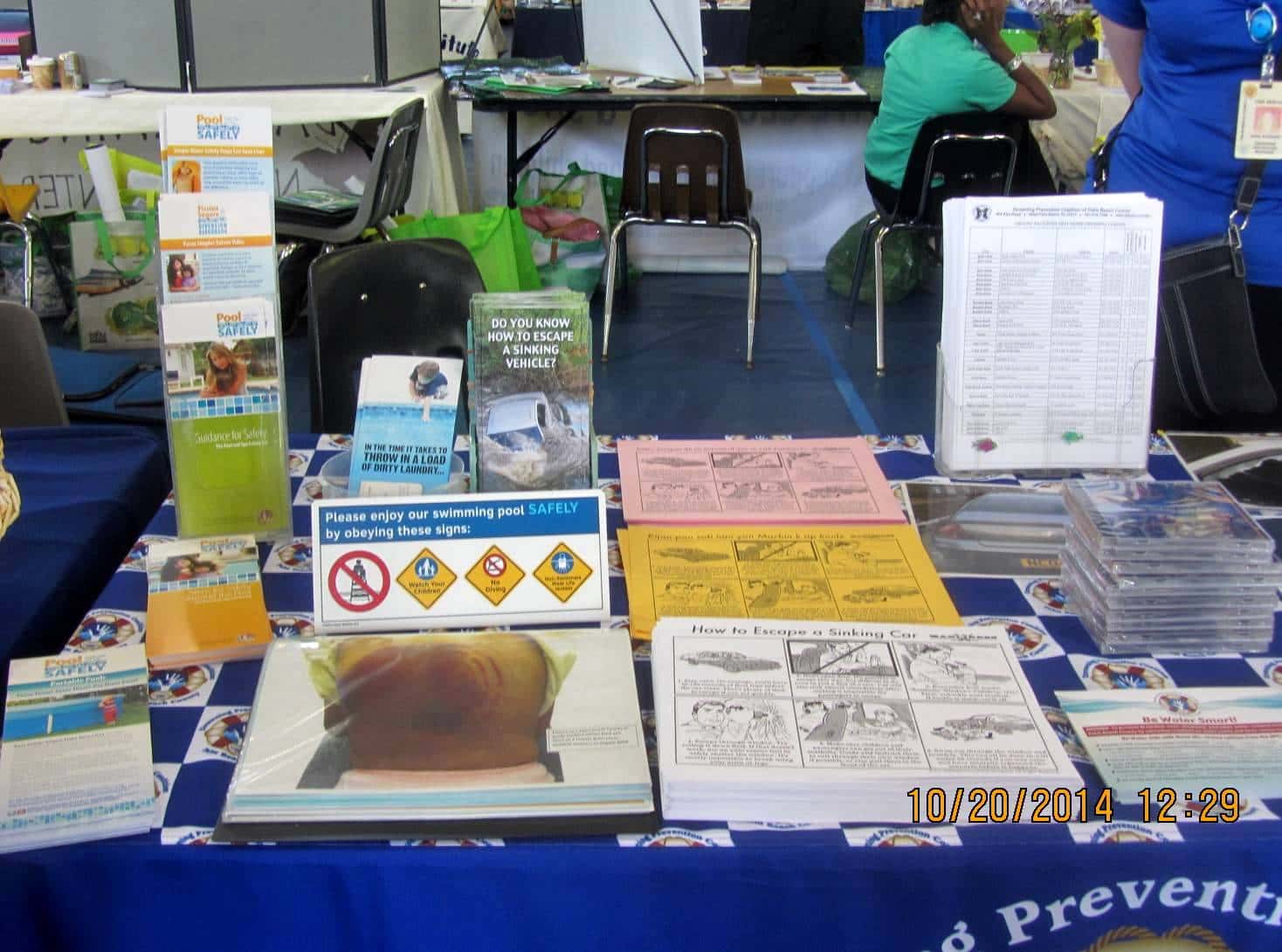
Florida is on pace to set a record for child drowning deaths in 2026, according to the Florida Department of Children and Families, a year after the state recorded its highest total ever. About 120 children drowned in Florida in 2025, and at least 74 child drownings had been reported by late July of this year, putting the state ahead of last year's deadly pace as families in South Florida and elsewhere seek out water safety lessons for young children.
The numbers carry particular weight in a state where backyard pools are common in neighborhoods from Pensacola to Key West, where lakes, ponds and canals sit close to homes, and a coastline that draws families year-round. Drowning remains the leading cause of unintentional death for Florida children ages 1 to 4, according to state and national safety officials, and many of those deaths happen in backyard pools in a matter of minutes.
State data also shows a growing toll among children with autism, who face a dramatically higher risk of drowning than other children. Safety experts say the lesson for parents is that no single precaution is enough, and that layers of protection are needed to keep children safe around water.
A record year followed by a faster pace
DCF tracks child deaths across Florida, including drownings, and its figures showed 2025 as the deadliest year on record for child drownings in the state. Public media reporting in late July, including by WLRN and WUWF, said Florida was on track for its deadliest year yet in 2026, with at least 74 child drownings reported by that point.
Summer is typically the most dangerous season, when children are out of school and spending more time around pools, lakes and beaches. But in Florida, warm weather keeps pools open for much of the year, and drownings happen in every month. Officials have urged families not to relax their guard as fall arrives.
The Florida Press was not able to confirm an updated statewide count for 2026 beyond the late July figure. DCF releases child fatality data periodically, and final totals for the year will not be known until the data is compiled and reviewed.
Why toddlers are so vulnerable
Children ages 1 to 4 are at the highest risk of drowning, according to the CDC. Toddlers are curious, mobile and quick, but they do not understand danger. They are also top-heavy, which means a child who leans over the edge of a pool, pond or bucket can tip in headfirst and struggle to right themselves.
Many toddler drownings happen during non-swim times, when a child was not expected to be near the water at all. A parent may be cooking, answering the door or tending to another child when a toddler slips through an unlocked door or an open gate. Safety experts say those everyday moments, not pool parties, are when barriers and alarms matter most.
Gatherings carry their own risk. When many adults are present, each may assume someone else is watching the children. That is why safety groups recommend assigning one adult at a time to supervise swimmers, with a clear handoff when that person needs a break.
Children with autism face the greatest risk
One in six child drowning deaths in Florida involved a child with autism, according to DCF data. In 2025, 39 children with autism or suspected autism drowned in Florida, the highest number ever recorded in the state. As of July 23, 14 children with autism or suspected autism had drowned in 2026.
Researchers have found that children with autism are at sharply elevated risk. A widely cited study from Columbia University estimated that children with autism are up to 160 times more likely to die from drowning than children in the general pediatric population. Advocates often cite that figure to stress how urgent water safety is for autistic children and their families.
One major factor is wandering, sometimes called elopement, when a child leaves a safe space without a caregiver's knowledge. Autism advocacy groups say wandering is common among autistic children, and that many are drawn to water, which some find calming or appealing. A child who slips out of a house or yard may head straight for a pool, retention pond or canal. Advocates recommend door alarms, locks placed out of reach, identification bracelets and swim instruction adapted for children with autism.
Parents turn to survival swim lessons
In Palm Beach County, WFLX reported Oct. 1 that parents are seeking water safety lessons as the state faces rising child drowning deaths. Instructors at the Infant Swimming Resource Swim School in Royal Palm Beach teach young children survival skills meant to help if they unexpectedly enter the water, according to the station. The program teaches children to roll onto their backs, float, breathe and wait for help.
Survival-focused lessons for infants and toddlers are popular across Florida, alongside traditional group swim programs offered by YMCAs, parks departments and private swim schools. Many counties and nonprofits offer free or reduced-cost lessons for families who cannot afford them, and children's services councils in several counties have funded swim instruction as part of drowning prevention efforts.
The American Academy of Pediatrics has said that swim lessons can reduce drowning risk for children starting around age 1, but it stresses that lessons do not make a child drown-proof. Even strong young swimmers can panic, become exhausted or be trapped, and lessons work best as one layer of protection among several.
Layers of protection
Safety guidance from DCF, the American Academy of Pediatrics and the Centers for Disease Control and Prevention emphasizes layering several protections so that if one fails, another can prevent a tragedy. The key layers include:
- Constant, focused supervision. An adult should watch children in and around water at all times, without distractions such as phones, conversations or alcohol. Many safety groups recommend designating a water watcher who takes responsibility for watching swimmers, then hands off that role to another adult.
- Barriers. A pool fence that fully separates the pool from the house and yard, with a self-closing, self-latching gate, keeps young children from reaching the water on their own.
- Alarms. Door and window alarms, pool alarms and gate alarms can alert families when a child heads toward the water.
- Swim lessons. Age-appropriate instruction for children, and swimming ability for adults who supervise them, add an important layer.
- CPR and emergency readiness. Caregivers who know CPR can begin rescue breathing and chest compressions immediately while waiting for paramedics. Rescue equipment and a phone should be kept near the pool.
Safety officials also note that drowning is often silent. A child in trouble may slip under the water without splashing or calling out, which is why supervision must be close and constant. If a child is missing, families are urged to check the pool and any nearby water first, because seconds matter.
If a child is found in the water, safety guidance calls for pulling the child out immediately, calling 911 and starting CPR if the child is not breathing normally. Bystanders should not wait for paramedics to begin rescue efforts, because brain damage can begin within minutes when a child is deprived of oxygen. Many hospitals, fire departments and community organizations across Florida offer CPR classes for parents and caregivers.
What Florida law requires for pools
Florida's Residential Swimming Pool Safety Act, found in Chapter 515 of Florida Statutes, sets safety requirements for new residential pools. To pass final inspection, a new pool must meet at least one of several safety features, including a pool barrier, an approved safety cover, exit alarms on doors and windows that provide direct access to the pool, or self-closing, self-latching devices on those doors.
Under the law, a pool barrier must be at least 4 feet high on the outside and must not have gaps or footholds that would let a young child crawl under, squeeze through or climb over. Gates must open outward away from the pool, close and latch on their own, and have the latch placed on the pool side at least 54 inches above the ground. A wall of a house can serve as part of the barrier only if it has no door or window that opens onto the pool.
The law applies to new construction, which means many older Florida homes have pools that predate those requirements. Safety advocates encourage families with older pools, or those visiting homes with pools, to add barriers, alarms or covers voluntarily.
Beyond the backyard pool
While pools account for many child drownings, Florida's geography creates additional hazards. Retention ponds, lakes and canals sit close to neighborhoods across the state, and young children can reach them quickly if they wander. Bathtubs and buckets pose risks for infants, who can drown in only a few inches of water. At the beach, rip currents can pull even experienced swimmers away from shore.
Families are urged to keep bathroom doors closed and toilet lids down around toddlers, empty buckets and wading pools after use, and swim at beaches with lifeguards. Children and inexperienced swimmers should wear properly fitting life jackets on boats and in open water.
What's next
DCF and local drowning prevention coalitions are expected to keep pushing water safety messages through the rest of the year, as warm weather in much of Florida keeps pools and beaches in use well into the fall. Final 2026 figures will show whether the state surpasses last year's record.
For parents, the advice from safety experts remains consistent: enroll children in swim lessons, learn CPR, install barriers and alarms, and never leave a child unattended near water, even for a moment. For families of children with autism, experts recommend addressing wandering risks at home and seeking swim instruction designed for children with special needs.
Spotted an issue with this article?
Have something to say about this story?
Write a letter to the editorComments
No comments yet. Be the first to weigh in.
Related Coverage
Florida Attorney General James Uthmeier Sues Pfizer and CEO Albert Bourla Over COVID-19 Vaccine Claims
1d ago

Dengue Warnings Spread to Central Florida as Orange, Polk Confirm Local Cases
4d ago

Florida Heads Into Open Enrollment as the Nation's Biggest Test of Expired ACA Subsidies
5d ago
Florida Health Officials Issue Dengue Advisories in Polk and Orange Counties After Locally Acquired Cases
6d ago