Florida Sues Online Sweepstakes Casinos in Escalation of Gambling Crackdown
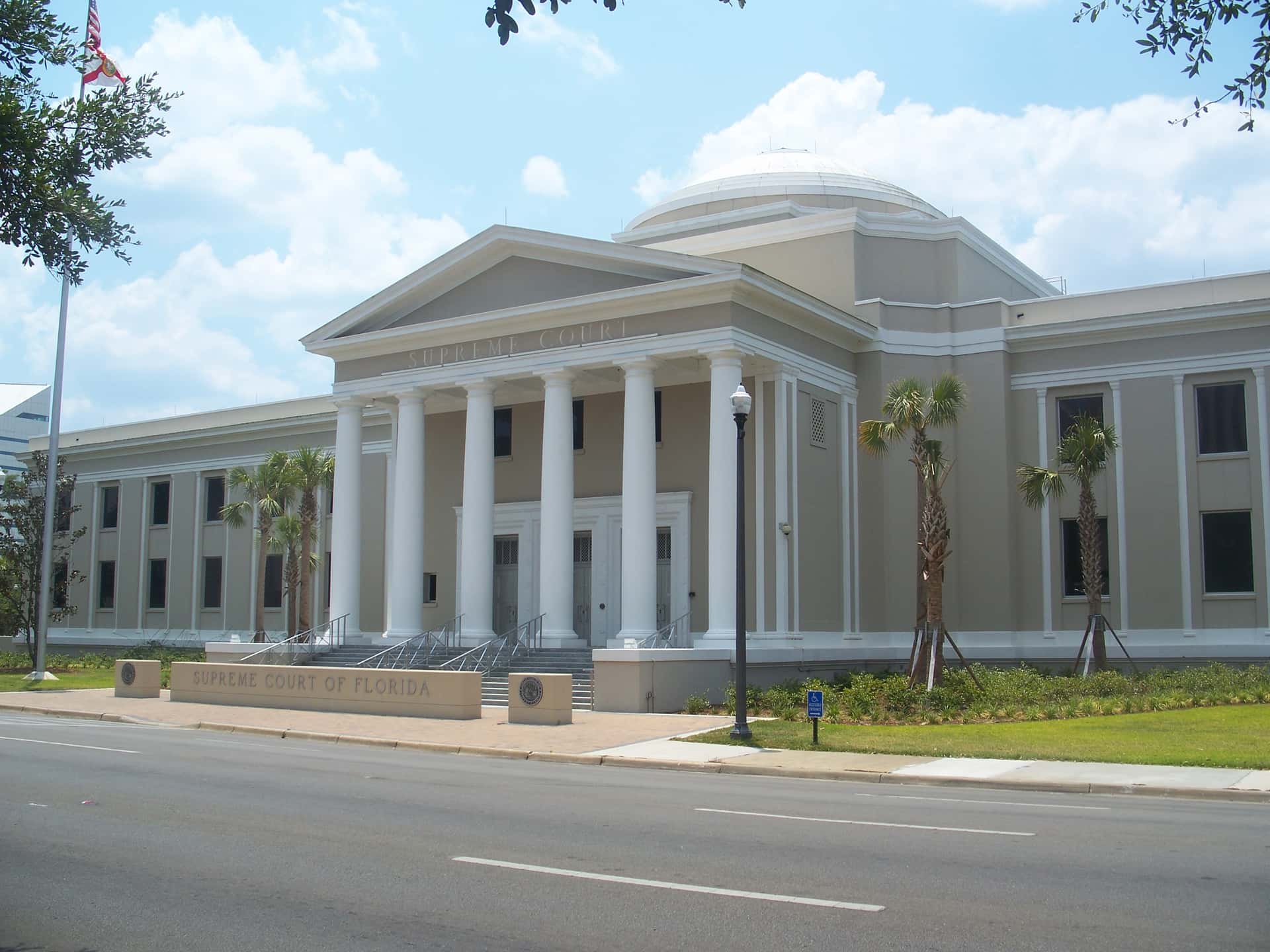
Florida Attorney General James Uthmeier filed two lawsuits in Hillsborough County Circuit Court this week against the operators of online sweepstakes casinos, alleging that the platforms amount to illegal gambling under Florida law. The complaints name Stake.us and VGW, the company behind Chumba Casino, LuckyLand Slots and Global Poker, along with several payment companies that process transactions for them.
The filings mark an escalation from subpoenas the attorney general's office issued to sweepstakes operators earlier this year. At that stage, Uthmeier's office had said it remained open to dialogue with the companies. The move to litigation signals that those discussions did not produce the outcome the state wanted.
The suits matter for Florida because the state has one of the most tightly controlled gambling markets in the country, structured around a compact with the Seminole Tribe of Florida that channels most legal online wagering through a single operator. Sweepstakes platforms have operated outside that structure, and the state is now arguing in court that they were never lawful to begin with.
What the lawsuits allege
Sweepstakes casinos operate on what the industry calls a dual-currency model. Players receive one form of virtual currency that cannot be redeemed for anything of value, and a second form, often distributed as a bonus attached to a purchase or available through a free-entry method, that can be redeemed for cash or prizes.
Operators have long argued that this structure keeps them outside gambling law because the redeemable currency is technically given away rather than sold. The attorney general's position, according to the filings, is that the distinction is a legal fiction and that consumers are effectively buying casino chips under another name.
The complaints name payment companies as defendants alongside the operators, including Worldpay, Trustly, Praxis and Breeze Labs. Naming processors is a strategically significant choice: cutting off the payment rails is often more effective at stopping an online operation than winning a judgment against an offshore or foreign-domiciled operator.
Uthmeier has publicly characterized sweepstakes casinos as a gateway to real-money gambling, language that frames the case as a consumer protection matter rather than purely a question of licensing.
What the state is asking for
The attorney general is seeking permanent injunctions that would bar the named companies from operating in Florida or soliciting Florida customers. An injunction of that scope would effectively end their access to the state's market.
Beyond injunctive relief, the filings seek forfeiture and recovery of money lost by Florida consumers, disgorgement of proceeds, restitution, civil penalties under the Florida Deceptive and Unfair Trade Practices Act, and attorneys' fees.
FDUTPA is the workhorse statute for the Florida attorney general's consumer enforcement, and it carries per-violation civil penalties. In a case involving a large volume of transactions, penalties calculated on a per-violation basis can reach substantial figures, which gives the state leverage in settlement negotiations.
Restitution to individual Florida players, if ordered, would present administrative complexity. Identifying affected consumers and calculating losses across years of transactions is the kind of remedy that typically gets resolved through a negotiated fund rather than individual claims.
The Florida gambling context
Florida's legal gambling framework rests on the 2021 compact between the state and the Seminole Tribe, which granted the tribe exclusive rights to operate online sports betting statewide through the Hard Rock platform. That compact survived years of federal litigation and is now the structural backbone of legal online wagering in the state.
Because the compact is built on exclusivity, unlicensed competitors present a legal and financial problem beyond the ordinary. Revenue-sharing payments the state receives under the compact can be affected by whether the state upholds the exclusivity it promised.
Sweepstakes casinos have grown rapidly in states where traditional online casino gaming is not legal, marketing themselves as a legal alternative. Several states have moved against them over the past two years through cease-and-desist letters, legislation, or litigation, and Florida now joins that group with one of the more aggressive filings to date.
The Legislature has also considered bills targeting the sweepstakes model directly. Litigation and legislation are not mutually exclusive here; a statutory ban would foreclose the definitional argument that the current lawsuits have to litigate.
What it means for Florida players
Floridians who currently hold balances on these platforms face uncertainty. An injunction that halts operations in the state does not automatically resolve what happens to unredeemed account balances, and the resolution of that question typically follows rather than precedes the main ruling.
Players should expect that any change would come with notice from the platforms rather than abruptly, since companies facing litigation generally have an interest in demonstrating orderly conduct. That is a general expectation rather than a guarantee.
For consumers who lost money, the restitution claim in the state's filings is the relevant avenue, but it is early. Cases of this type frequently take a year or more to reach a resolution, and defendants have jurisdictional and definitional defenses available to them.
The broader consumer effect is on advertising. Sweepstakes platforms have spent heavily on Florida-facing marketing, including sports-adjacent advertising. Litigation of this profile tends to reduce that spending well before any court rules.
How the companies are positioned
The named operators have consistently maintained in other jurisdictions that their model is lawful, and they can be expected to raise the same arguments here. The core defense is that the free-entry pathway makes participation non-purchase-based, which is the standard structure sweepstakes promotions have used lawfully for decades in other industries.
The payment processors occupy a different position. Processors typically argue that they provide neutral financial services and lack the obligation or ability to adjudicate the legality of a merchant's underlying business. Whether Florida law imposes liability on them is a genuinely contested question and may be the most consequential legal issue in the case.
Jurisdiction is another likely battleground. Several of the named entities are foreign-domiciled, and establishing Florida jurisdiction over them requires demonstrating sufficient contacts with the state, which the volume of Florida-targeted marketing and Florida player accounts would be used to show.
Venue in Hillsborough County places the case in a state circuit court rather than federal court, though defendants may attempt removal depending on the parties and claims involved.
How other states have approached the issue
Florida is not acting in isolation. Over the past two years, attorneys general and gaming regulators in multiple states have issued cease-and-desist letters to sweepstakes operators, and several state legislatures have passed statutes explicitly addressing the dual-currency model.
The results have been mixed. Some operators have withdrawn from states where they received formal notice, geoblocking those jurisdictions rather than litigating. Others have continued operating and contested the legal characterization.
The withdrawal pattern is instructive. A company that exits a state upon receiving a letter is making a business calculation about litigation cost relative to that state's revenue, not conceding the legal question. Florida is a much larger market than most of the states where withdrawals have occurred, which changes that calculation.
Coordinated multistate action has historically been the more effective tool in consumer protection enforcement, particularly when payment processors are involved, because processors serve merchants nationally and cannot easily segment their compliance posture state by state.
The revenue and compact stakes
Florida's gaming compact with the Seminole Tribe produces revenue-sharing payments to the state that run into the hundreds of millions of dollars annually. Those payments are tied to the exclusivity the compact grants.
Exclusivity provisions in tribal gaming compacts generally include mechanisms that reduce or suspend payments if the state permits competing operations. That gives the state a direct financial interest in enforcing against unlicensed competitors, separate from any consumer protection concern.
The compact survived extended federal litigation before taking effect, and the state has an interest in not creating new legal vulnerabilities around it. Allowing an unlicensed sector to operate at scale in the same market is the kind of fact pattern that invites future challenges.
The Seminole Tribe's Hard Rock operation is the state's licensed online wagering platform, and its sports betting product competes for the same customers sweepstakes casinos target. Whatever the legal merits, the enforcement action aligns with the interests of the licensed incumbent, which is a fact worth stating plainly.
What consumers should know now
Sweepstakes platforms are not regulated the way licensed casinos are. Licensed operators in regulated jurisdictions are subject to game fairness testing, audited payout percentages, responsible gaming requirements, self-exclusion programs and dispute resolution mechanisms overseen by a regulator.
Sweepstakes platforms generally operate outside those requirements. That does not mean their games are unfair, but it means no state agency verifies that they are, and a consumer with a dispute has no regulatory recourse.
Responsible gaming resources remain available to Floridians regardless of where they play. The Florida Council on Compulsive Gambling operates a confidential helpline at 888-ADMIT-IT, and the National Council on Problem Gambling operates a national helpline at 1-800-GAMBLER.
Consumers who have lost significant money on these platforms and who believe they were misled can file complaints with the Florida Attorney General's consumer protection division, which maintains an online complaint system. Those complaints can inform enforcement even when they do not produce individual recovery.
What's next
The immediate procedural steps are service on the defendants and responsive pleadings, which will likely include motions to dismiss on jurisdictional and definitional grounds. Those motions typically take months to brief and resolve.
If the state seeks a preliminary injunction, that timeline compresses considerably, since preliminary relief is decided on an expedited basis. The filings as described focus on permanent injunctive relief, which suggests a conventional schedule.
Watch for whether other states file parallel actions. Coordinated multistate pressure on the sweepstakes model, particularly on payment processors, has historically been more effective than any single state's action.
Watch also for the Legislature. If lawmakers pass a statute explicitly defining the dual-currency model as gambling, the litigation becomes considerably simpler for the state, and existing operators lose the definitional argument that is their primary defense.
Spotted an issue with this article?
Have something to say about this story?
Write us a letterComments
No comments yet. Be the first to weigh in.
Related Coverage

Jacksonville council members weigh relief for high JEA bills as utility says it isn't ready for a hyperscale data center
1d ago

Rays to open Westshore ballpark experience center in 2027 as Tampa stadium deal moves ahead
1d ago
New I-95 Interchange at Oslo Road Opens in Indian River County More Than a Year Early
3d ago

Dean Guitars parent Armadillo ordered to pay Gibson more than $4 million in legal fees
3d ago