Florida's Ports Power a Booming Cruise Industry as Summer Sailings Surge
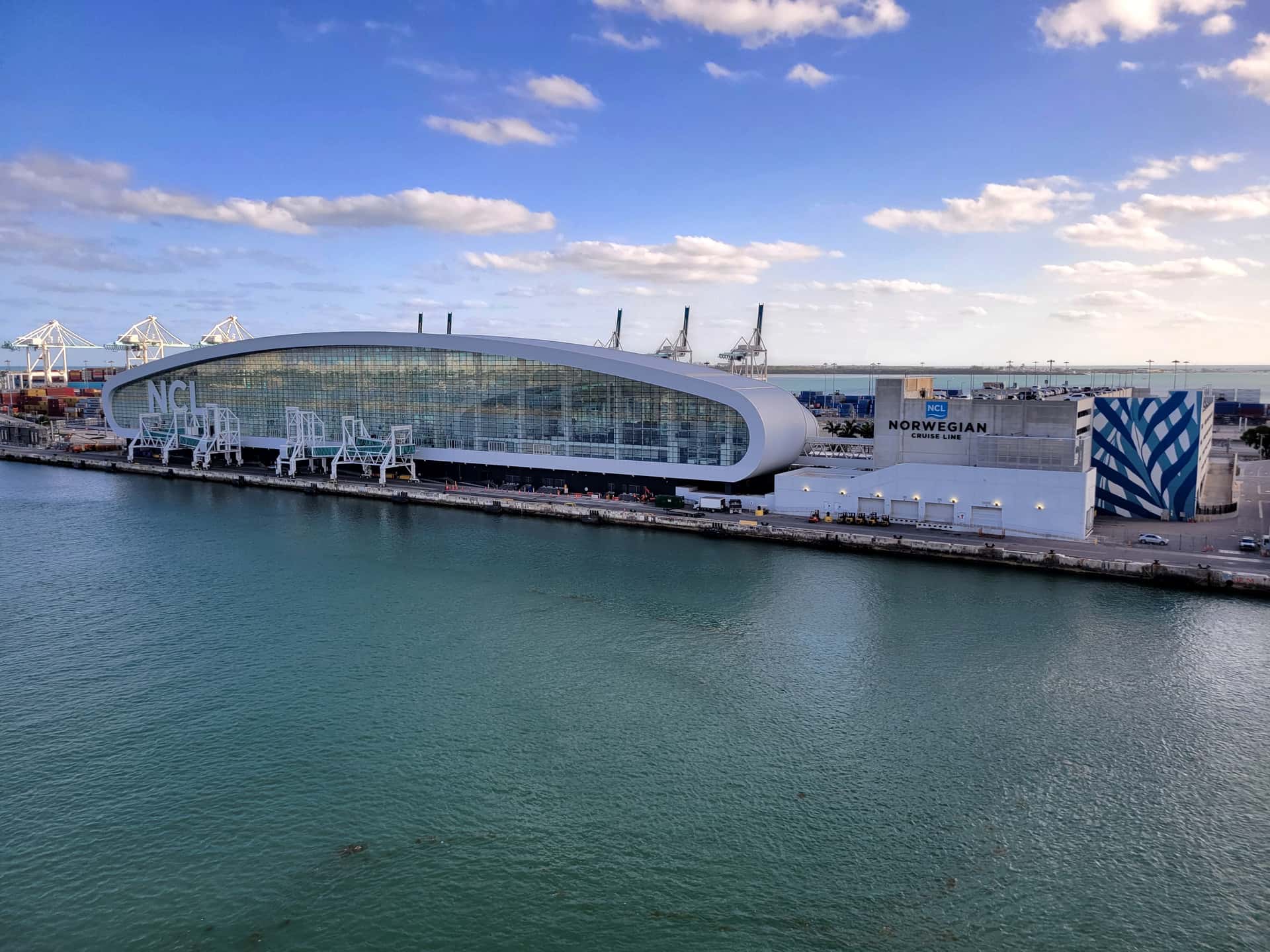
Florida's ports remain the beating heart of the global cruise industry, and the busy summer season is underscoring just how central the state is to the business of taking millions of passengers to sea. Major cruise lines are expanding sailings, investing in new terminals, and homeporting their largest ships in Florida, reinforcing the state's dominance in a sector that pumps enormous economic activity into coastal communities from Miami to Port Canaveral.
That centrality is not an accident of geography alone. It is the product of decades of investment, policy choices, and commercial bets that have steadily layered capacity onto Florida's coastline. As the warm months draw vacationers toward the water, the state's terminals are operating near the top of their capacity, and the rhythm of departures and returns offers a vivid snapshot of an industry that has chosen Florida as its home base.
The engine of the cruise world
Florida is home to the busiest cruise ports on the planet, with PortMiami and Port Canaveral among the global leaders in passenger traffic. The state's combination of favorable climate, proximity to Caribbean and Bahamian destinations, and extensive port infrastructure has made it the indispensable hub of the cruise industry, a position it has held and strengthened over decades.
The major cruise lines base much of their operations in Florida, homeporting ships year-round and routing a large share of their itineraries through the state's terminals. That concentration makes Florida not just a participant in the cruise business but its center of gravity, with the industry's fortunes and the state's deeply intertwined.
The summer season brings heavy traffic, as ships depart on Caribbean and Bahamian voyages packed with vacationers taking advantage of school breaks and warm-weather getaways. The steady churn of arrivals and departures at Florida's terminals reflects the relentless pace of an industry operating at scale through the state.
The advantage compounds over time. Because so many ships already sail from Florida, the supply chains, labor pools, and travel connections that support cruising have grown up around the state's ports, making it ever more efficient for lines to base additional vessels there. Each new ship homeported in Florida deepens the network of services that makes the next one easier to add.
How Florida became the cruise capital
Florida's emergence as the cruise capital was built on the same fundamentals that continue to sustain it: a long coastline studded with deepwater ports, a subtropical climate that allows sailings throughout the year, and an unrivaled proximity to the island destinations that define the modern cruise vacation. Those natural advantages gave the state a head start that the industry has reinforced ever since.
Over the years, port authorities and cruise operators have steadily expanded the physical capacity of Florida's terminals, adding berths, parking, and passenger processing facilities to keep pace with demand. That gradual buildout transformed the state's harbors into specialized gateways purpose-built for the volume and tempo of cruise operations.
The state's broader tourism appeal has reinforced the cruise business as well. Florida already draws enormous numbers of visitors to its beaches, theme parks, and cities, and the cruise industry slots naturally into that wider draw. Travelers who come for a land vacation can readily add a cruise, and those arriving for a cruise often build in time to experience the rest of what the state offers.
Investing in the future
The cruise lines are betting heavily on Florida's continued centrality, investing in terminal infrastructure to accommodate ever-larger ships and growing passenger volumes. At PortMiami, development plans include a major new terminal facility designed to handle the world's largest class of cruise ships, a multimillion-dollar project reflecting confidence in sustained growth.
Such investments signal that the industry expects Florida to remain its primary base for years to come. Building terminals capable of processing thousands of passengers per ship call requires substantial capital and long-term commitment, and the willingness of cruise lines and port authorities to make those investments speaks to the durability of the state's leading role.
The lines are also expanding their offerings, adding new itineraries and homeporting additional ships at Florida ports. New destinations, including private island experiences in the Bahamas developed by the cruise companies, are being woven into itineraries departing from the state, broadening the appeal of Florida-based sailings.
Investment of this scale is also a statement about timing. Terminals and ships take years to design and build, which means decisions made now reflect expectations about demand well into the future. By committing capital to expanded facilities in Florida, the lines are signaling that they anticipate continued growth and that they intend to meet it from the state's shores.
What it means for Florida's economy
The cruise industry is a powerful economic force in Florida, supporting a vast network of jobs and businesses. Port operations, ship provisioning, hospitality, transportation, and the spending of millions of passengers who pass through the state all contribute to a substantial economic footprint concentrated in the coastal communities that host the terminals.
Cruise passengers frequently extend their trips with stays in Florida before or after their voyages, filling hotels, dining at restaurants, and visiting attractions. That pre- and post-cruise activity amplifies the industry's economic impact, channeling visitor spending into the broader tourism economy beyond the ports themselves.
The industry also generates significant employment, from the workers who operate the terminals and service the ships to those in the supply chains that keep the vessels stocked and running. For the regions that host the ports, the cruise business is a major pillar of the local economy and a source of considerable activity and revenue.
The benefits radiate outward in ways that are easy to overlook. Ground transportation operators, food suppliers, maintenance contractors, and countless small businesses depend on the steady flow of ships and passengers. When a single vessel calls at a Florida port, it sets in motion a cascade of local spending, from fuel and provisions to the wages of the workers who turn the ship around for its next voyage.
A national industry rooted in Florida
While the cruise industry serves a national and international clientele, its operations are rooted in Florida to an extraordinary degree. The state's ports handle a dominant share of the nation's cruise passengers, making Florida the focal point of an industry that draws travelers from across the country and around the world.
That concentration gives Florida outsized influence over the industry and makes the state's port policies, infrastructure, and economic conditions matters of national relevance to the cruise business. Decisions made in Florida ripple through the broader industry, given how much of it flows through the state.
The relationship is mutually reinforcing. The cruise lines benefit from Florida's infrastructure and location, while the state benefits from the economic activity the industry generates. That symbiosis has made the cruise business a defining feature of Florida's tourism-driven economy.
Because so much of the national cruise business passes through its ports, Florida effectively sets the pace for the industry as a whole. Travelers from distant states routinely fly into Florida to board their ships, turning the state's airports and highways into feeders for the terminals and binding the cruise business ever more tightly to the wider Florida tourism machine.
Navigating challenges
The industry is not without challenges. Cruise operations are sensitive to weather, particularly during hurricane season, when storms can disrupt itineraries and force ships to alter their routes. Florida's exposure to tropical systems means the cruise lines must remain nimble, adjusting sailings to keep passengers and vessels safe.
The industry also operates in a competitive environment, continually working to attract passengers through new ships, destinations, and onboard experiences. Loyalty programs, expanded itineraries, and investments in private destinations are among the tools the lines use to capture and retain customers in a crowded market.
Broader economic conditions, including consumer spending power and travel demand, also influence the industry's performance. The cruise business has proven resilient, rebounding strongly from past disruptions, and its continued investment in Florida reflects optimism about sustained demand for the vacations it offers.
Managing the sheer scale of operations presents its own demands. Moving thousands of passengers on and off a single ship within a matter of hours requires precise coordination among the cruise lines, port authorities, and the agencies that oversee security and processing. As ships grow larger, the logistical complexity of each port call grows with them, placing a premium on the infrastructure investments now underway.
The road ahead
The long-term outlook for Florida's cruise sector rests on the same pillars that have carried it this far: geography, infrastructure, and the steady commitment of the major lines. As long as those foundations hold, the state appears positioned to retain its grip on the industry even as the broader travel market shifts around it.
The push toward ever-larger ships will continue to shape the state's ports, driving further investment in terminals and the systems that support them. Florida's willingness to keep building capacity will determine how much of the industry's future growth it can capture, and the current wave of projects suggests the state intends to stay ahead of demand.
At the same time, the industry's reliance on Florida means the state has a direct stake in keeping the cruise business healthy. The economic activity the sector generates gives Florida every incentive to maintain the conditions that have made it the industry's home, from port infrastructure to the broader tourism appeal that surrounds it.
What's next
As the summer season runs its course, Florida's ports will continue to handle heavy traffic, sending ships to sea and welcoming them back in a steady rhythm. The infrastructure investments underway position the state to accommodate the industry's growth and its ever-larger vessels in the years ahead.
The cruise lines' commitment to Florida, evident in their terminal investments and expanded operations, suggests the state will retain its dominant role for the foreseeable future. Barring major disruptions, the trajectory points toward continued growth in passenger volumes and economic impact.
For Florida, the cruise industry remains a vital component of the tourism economy and a source of jobs, revenue, and activity for its coastal communities. As the ships sail and the terminals bustle, the state's position at the center of the global cruise business is on full display through another busy summer season.
Spotted an issue with this article?
Have something to say about this story?
Write a letter to the editor