Florida's Senators Split as Senate Passes Protect College Sports Act Over Concerns for FSU and Miami's Conference Future
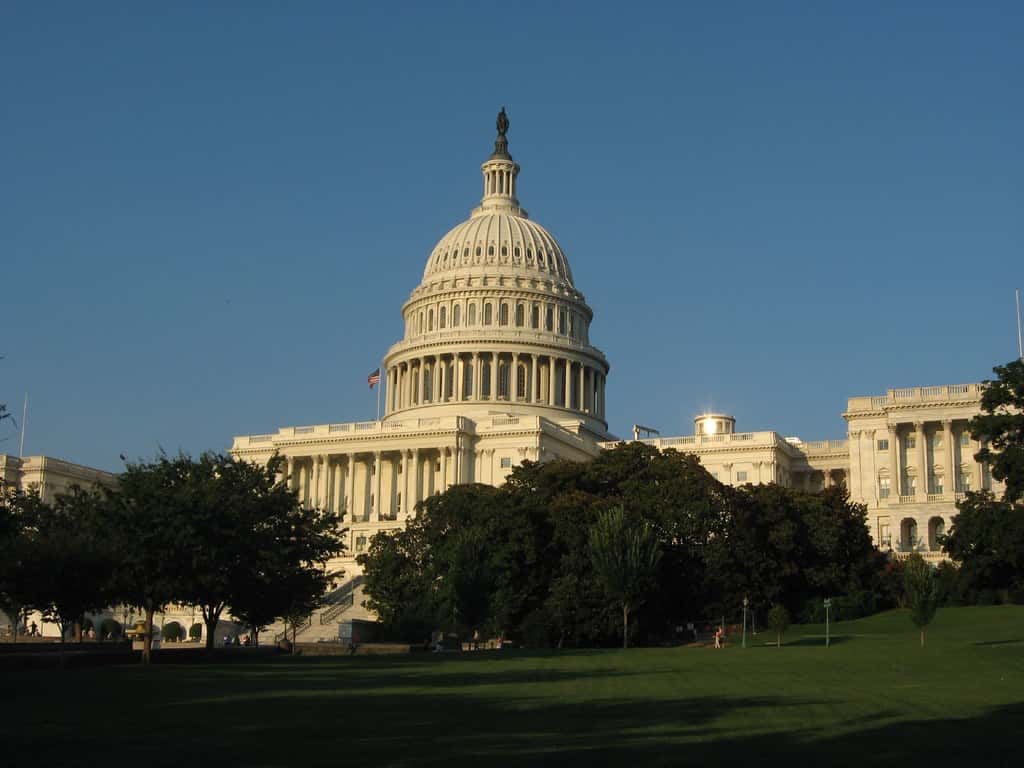
The U.S. Senate has passed the Protect College Sports Act, a sweeping bill that would set national rules for athlete compensation, transfers and eligibility, with Florida's two Republican senators splitting on the final 77-22 vote over a provision they said could make it harder for Florida State and Miami to leave the Atlantic Coast Conference. Sen. Ashley Moody voted for the bill after the Senate adopted her amendment, while Sen. Rick Scott remained opposed, joining Sen. Rand Paul of Kentucky as the only Republicans to vote no, according to Florida Politics' account of the roll call.
The Senate approved the measure on Monday, Sept. 28. The bill, authored by Senate Commerce Committee Chairman Ted Cruz of Texas and the committee's top Democrat, Sen. Maria Cantwell of Washington, now goes to the House of Representatives, which is not scheduled to take up legislation until after the Nov. 3 midterm elections, according to reports on the vote.
For Florida, the vote carries particular weight. The state is home to major programs in three different conferences: the University of Florida in the Southeastern Conference, Florida State and Miami in the ACC, and the University of Central Florida in the Big 12. How Congress writes the rules on conference size and athlete pay could shape where those schools compete and how they pay players for years to come.
What the bill would do
According to the Senate Commerce Committee and reports on the final bill, the Protect College Sports Act would establish national rules for name, image and likeness compensation, the transfer portal, recruiting and eligibility, replacing a patchwork of state laws, NCAA rules and court settlements.
The legislation would codify athletes' rights to be compensated for their name, image and likeness. It would standardize a five year eligibility period and allow a one time free transfer, after which athletes who transfer again would generally have to sit out a year.
The bill would also guarantee multi year scholarships that cannot be revoked because of athletic performance or injury and would require extended medical coverage for athletes after their playing careers end. It grants limited antitrust protections so that the NCAA and conferences can enforce eligibility, transfer and compensation rules without facing a steady stream of lawsuits.
Supporters have described the legislation as a way to end what they call chaos in college athletics since NIL payments began. The bill drew about two dozen Democrats in support along with nearly every Republican.
Why Florida's senators objected
Scott and Moody had both raised concerns about the bill before the vote, focused on a provision dealing with conference size. Florida senators argued that the language would make it harder for two schools in their state, Florida State and Miami, to leave the ACC for another conference such as the SEC.
Moody, working with Democratic Sen. Richard Blumenthal of Connecticut, offered an amendment that raised the bill's size limit for major conferences from 19 schools to 20. The Senate adopted the amendment by voice vote, and Moody then voted for the final bill.
Scott said the change was not enough. He said Congress should bar men from competing in women's sports and create national standards for the transfer portal, and argued the bill fails to resolve problems such as disagreements over conference caps, so he could not support it, according to coverage of his remarks.
The split put Florida's senators on opposite sides of a bill that most of their Republican colleagues backed. Moody, who was appointed to the Senate in January 2025 to fill the seat vacated by Secretary of State Marco Rubio, is on the ballot in November in a special election for the remainder of that term.
The stakes for Florida State and Miami
Background: Florida State has been in conflict with the ACC for several years over revenue and the league's grant of media rights, which ties member schools' television rights to the conference. FSU sued the conference in 2023, and the parties reached a settlement in 2025 that changed how revenue is distributed and lowered the cost of leaving over time.
Many observers have long viewed Florida State and Miami as potential candidates for a move to the SEC or the Big Ten if the opportunity arose. A federal cap on conference membership could limit the number of openings in those leagues, which is why Florida's delegation focused on the size limit.
The SEC currently has 16 members after adding Texas and Oklahoma in 2024, and the Big Ten has 18 members. A cap of 20 would leave limited room for expansion, depending on how the final law is written and whether the House changes the provision. Neither Florida State nor Miami has announced any plan to leave the ACC, and the concern raised by Scott and Moody is about preserving options for the schools in the future.
Conference membership drives television revenue, which in turn funds coaching salaries, facilities and, increasingly, direct payments to athletes. For programs competing for recruits against SEC and Big Ten schools, the difference in league media payouts has become a central issue, and that is why conference flexibility matters to Florida's ACC schools and their supporters.
Florida's programs across the conference map
Few states have as much at stake in the shape of college athletics as Florida. Beyond the University of Florida in the SEC and Florida State and Miami in the ACC, the University of Central Florida joined the Big 12 in 2023, giving the state a presence in three of the four largest football conferences.
The University of South Florida and Florida Atlantic University compete in the American Athletic Conference, Florida International University plays in Conference USA, and Florida A&M University and Bethune-Cookman University compete in the Southwestern Athletic Conference. National rules on athlete compensation, roster limits and transfers would apply across those schools, though their budgets and media revenue differ widely.
Athletic directors at smaller programs have warned in recent years that revenue sharing and NIL costs strain budgets that rely heavily on student fees and university support. A national standard could provide legal certainty, but it would not by itself close the financial gap between the wealthiest conferences and the rest.
How it fits with Florida's own NIL law
Background: Florida was one of the first states to pass a law allowing college athletes to earn money from their name, image and likeness. Gov. Ron DeSantis signed the law in 2020, and it took effect on July 1, 2021, the same day the NCAA adopted an interim policy allowing NIL deals nationwide. The Legislature later revised the law to remove some restrictions on schools' involvement in NIL arrangements.
A federal law would likely preempt conflicting state NIL laws, creating a single national standard. Supporters say that would end competitive differences between states, while some critics have argued it could limit athletes' rights that states had chosen to protect.
Background: College athletics changed again after a federal judge approved the settlement of House v. NCAA in 2025, which allowed schools to share revenue directly with athletes, up to an annual cap. Florida's public universities and the University of Miami have been operating under that framework, and the federal bill would add statutory backing to many of those rules.
For Florida athletes, the practical question is whether a federal law changes the deals they already have. Supporters of the bill say it is meant to set clear rules going forward, while details on how existing arrangements would be treated would depend on the final text and on regulations that follow.
Opposition from other quarters
The bill did not pass without opposition. Democrats cast most of the 22 no votes, according to reports on the roll call, with Paul and Scott the only Republicans opposed. Some Democratic critics argued the bill gives the NCAA and conferences too much legal protection at the expense of athletes.
The Congressional Black Caucus has announced its opposition to the legislation, according to reports on the vote, a stance that could matter in the House, where the bill would need support from members of both parties if Republican leaders cannot hold their own conference together.
Athlete advocacy groups have also raised concerns about limits on transfers and about provisions that would affect athletes' ability to bring antitrust claims. Supporters respond that the bill includes new guarantees, such as protected scholarships and post career medical coverage, that athletes do not have under current rules.
The broad bipartisan margin in the Senate, with more than three quarters of senators voting yes, gives supporters momentum heading into the House. But the House has its own competing proposals, and the timing after the elections leaves a narrow window before the current Congress ends in January.
What's next
The bill now goes to the House, where action is not expected until after the Nov. 3 elections. House committees could take up their own version, and any differences between the chambers would need to be resolved before the bill reaches the president's desk.
Florida's House delegation, which includes members whose districts cover Tallahassee, Coral Gables, Gainesville and Orlando, will face the same questions about conference size and athlete rights that divided the state's senators. Rep. Greg Steube of Sarasota has introduced separate college sports legislation in the House, according to his office.
For Florida State and Miami, the key issue to watch is whether the House keeps, changes or removes the conference size limit. For Florida athletes at every level, the bigger question is whether Congress creates a single national rulebook before the next season of NIL deals and transfers begins.
If the House does not act before the current Congress ends in early January, the bill would have to be reintroduced and passed again by both chambers in the new Congress that convenes in 2027, restarting the process that produced this week's Senate vote.
Spotted an issue with this article?
Have something to say about this story?
Write a letter to the editorComments
No comments yet. Be the first to weigh in.
Related Coverage

UN Security Council Extends Haiti Gang Suppression Force Through March 2027 as Florida Diaspora Watches
17h ago

Senate Passes Protect College Sports Act With Ashley Moody Amendment Backed by Miami, FSU and USF
19h ago
Rick Scott Renews Push to Send ACA Subsidies to Consumers as Florida Reels From Coverage Losses
20h ago

New Treasury Cuba Sanctions Rules Take Effect, Ending Group and Educational Travel Licenses
21h ago