Four Men Sentenced to Life in the 2024 Tampa Killing of Rapper Julio Foolio
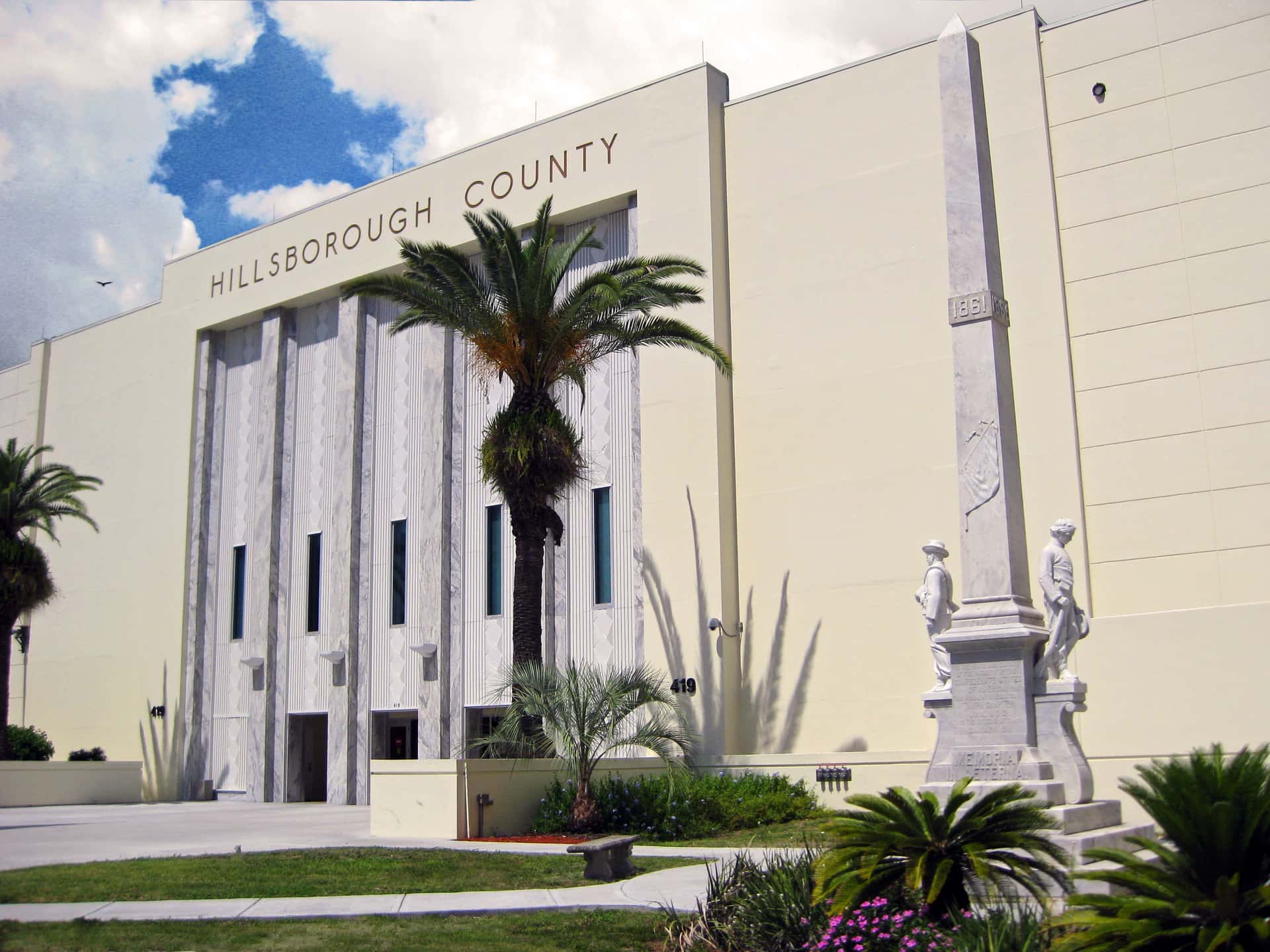
Four men have been sentenced to life in prison without the possibility of parole for the 2024 murder of Charles Andrew Jones II, the rapper known as Julio Foolio, who was shot and killed in a Tampa hotel parking lot. The sentences, handed down by a Hillsborough County judge, close a chapter in a high-profile case prosecuted by the State Attorney's Office for the judicial circuit covering the Tampa area, following convictions earlier in the year.
The outcome brought to a close one of the more closely watched prosecutions to move through the Tampa Bay courts in recent memory, drawing attention both for the public profile of the victim and for the gravity of the charges at the center of the case. With the sentences now imposed, the legal proceedings that began with the killing have reached their formal conclusion.
The sentencing
A Hillsborough County circuit judge sentenced the four convicted men to life without parole for first-degree premeditated murder. The sentencing followed jury verdicts finding the men guilty and a jury recommendation that they receive life sentences rather than the death penalty, a recommendation the court followed in imposing the punishment.
According to court records, the defendants received additional concurrent sentences tied to related charges, including conspiracy and attempted murder counts stemming from the same incident. The layered sentences reflect the multiple charges the men faced in connection with what prosecutors described as a coordinated attack.
The life-without-parole sentences mean the convicted men will spend the remainder of their lives incarcerated. The outcome brings a measure of resolution to a case that drew significant attention given the victim's public profile and the circumstances of the killing.
A life-without-parole sentence is among the most severe penalties available under Florida law short of the death penalty, foreclosing any possibility of release. In imposing it, the court adopted the punishment the jury had recommended, bringing the sentencing phase of the case to a definitive close.
The case
Jones, who performed under the name Julio Foolio, was killed in 2024 in a shooting at a hotel parking lot in the Tampa area. Prosecutors presented the killing as a planned, coordinated attack carried out by members of a rival group, a characterization central to the first-degree murder charges that require premeditation.
The case proceeded through the courts over an extended period, culminating in a trial at which a jury heard the evidence and rendered guilty verdicts on the first-degree murder charges. The jury then weighed the question of punishment, ultimately recommending life sentences over the death penalty for the four defendants.
A fifth person connected to the case was convicted of a lesser offense and received a separate, lesser sentence earlier in the year. The differing outcomes reflect the varying degrees of culpability the legal process assigned to those involved in the events surrounding the killing.
The first-degree murder charges at the heart of the case turned on the question of premeditation, the legal element that distinguishes a planned killing from other forms of homicide. Prosecutors built their case around the theory that the attack was deliberate and coordinated, a framing the jury ultimately accepted in returning its verdicts.
Background
The killing took place against the backdrop of an apparent dispute between rival groups, the kind of conflict that prosecutors said gave rise to the coordinated attack. While the broader circumstances drew public interest, the case in court centered on the specific charges, the evidence presented, and the legal standards that govern a first-degree murder prosecution.
As a recording artist, Jones had built a following, and his death drew notice well beyond the immediate community where it occurred. That public profile contributed to the attention the case received as it advanced through the Tampa Bay courts, though the proceedings themselves were governed by the same rules and protections that apply to any criminal defendant.
The investigation that preceded the charges involved the work of law enforcement in identifying and building a case against those alleged to have been involved. The path from the initial shooting to the filing of formal charges reflected the deliberate process by which serious crimes are investigated before a prosecution can proceed.
The legal process
The prosecution was handled by the State Attorney's Office for the judicial circuit encompassing Hillsborough County, the office responsible for pursuing serious criminal cases in the Tampa area. First-degree murder is among the gravest charges in Florida law, carrying the potential for either the death penalty or life imprisonment without parole upon conviction.
In capital cases, Florida law provides for a process in which a jury, after returning a guilty verdict, considers whether to recommend a death sentence or life imprisonment. The jury's recommendation in this case favored life sentences, which the judge then imposed, illustrating the role juries play in determining punishment in the state's most serious prosecutions.
The progression from arrest through charges, trial, conviction, and sentencing reflects the sequential stages of a criminal case, each with its own legal standards and protections. The defendants were afforded the rights guaranteed in the criminal justice process before the final sentences were imposed.
Throughout that progression, the defendants were entitled to the presumption of innocence until the jury reached its verdicts, the standard that governs every criminal prosecution. Only after the jury found the men guilty and recommended their punishment did the case move to the sentencing that has now concluded it, underscoring the deliberate, staged nature of the process.
What it means for the community
The case resonated beyond the immediate parties because of the victim's public profile as a recording artist with a following. High-profile killings often draw heightened attention to issues of violence, gang activity, and public safety, and this case was no exception in generating interest across the community and among the victim's audience.
For the Tampa Bay community, the resolution of the case through the courts represents the conclusion of a serious prosecution. The judicial process, from the investigation through the sentencing, reflects the system's response to a violent crime that claimed a life and drew widespread notice.
Cases like this also underscore the broader challenges that law enforcement and prosecutors face in addressing violence, particularly incidents tied to ongoing disputes between groups. The outcome demonstrates the consequences that the legal system imposes on those convicted of premeditated killings.
For those who followed the case closely, including the victim's audience and the wider public, the sentencing offered a sense of closure to a matter that had remained unresolved since the killing. Yet such resolutions arrive only after a lengthy and demanding legal process, and they cannot restore what was lost.
The broader context
Violent crime and its prosecution remain significant concerns across Florida's urban areas, where law enforcement agencies and state attorneys work to investigate and prosecute serious offenses. The Tampa case is one example of a major prosecution moving through the system to a definitive conclusion.
The case also illustrates the lengthy nature of the criminal justice process for serious crimes, which can span years from the initial incident to final sentencing. That timeline reflects the thoroughness of investigations, the procedural protections afforded to defendants, and the deliberate pace at which capital and serious felony cases proceed.
For the families affected and the community at large, the conclusion of such a case can provide a sense of accountability, even as it cannot undo the loss at its center. The life sentences represent the legal system's final judgment on the men held responsible for the killing.
The deliberate pace of such prosecutions is a feature of the system rather than a flaw, built into a process designed to weigh serious charges carefully and to protect the rights of the accused. In a case carrying the possibility of the death penalty, those safeguards take on added weight, lengthening the path from charge to final disposition.
The road ahead
With the sentences imposed, the convicted men will begin serving their terms in state custody. Under Florida law, defendants retain the right to pursue appeals, and the post-conviction process can extend the legal proceedings even after sentencing concludes the trial phase.
An appeal does not reopen the question of the verdict so much as test whether the trial and sentencing were conducted properly under the law. Such proceedings can unfold over an extended period, meaning that even a case that has reached sentencing may continue to move through the courts in the years that follow.
For now, however, the central questions of guilt and punishment have been answered by the jury and the court. The defendants stand convicted and sentenced, and any future proceedings will build upon that foundation rather than revisit it from the start.
The availability of an appeal is itself one of the protections built into the system, ensuring that even a final judgment can be tested against the requirements of the law. In a case of this gravity, where the most serious charges were at issue, those safeguards remain available to the convicted men as the matter moves beyond the trial court.
What's next
The case stands as a completed prosecution in the broader landscape of Florida's criminal justice system, a serious matter brought to resolution through investigation, trial, and sentencing. The outcome reflects the consequences the system imposes for the most serious of crimes.
For the Tampa Bay area, the conclusion of the case marks the end of a closely watched legal saga, one that drew attention to questions of violence and accountability and that has now reached its final disposition in the courts.
As the convicted men begin their sentences, the case recedes from the active docket and into the record, its outcome standing as the system's definitive response to the killing. What remains is the lasting impact on those affected and the broader lessons the case offers about violence and its consequences.
Closely watched prosecutions such as this one often leave a lasting mark on the communities that follow them, serving as reference points in continuing conversations about public safety and accountability. The Tampa case, now concluded, joins that record as an example of a serious matter carried through the courts to a final judgment.
Spotted an issue with this article?
Have something to say about this story?
Write a letter to the editor