New Coaches, New Camps: Florida and Florida State Open Fall Practice
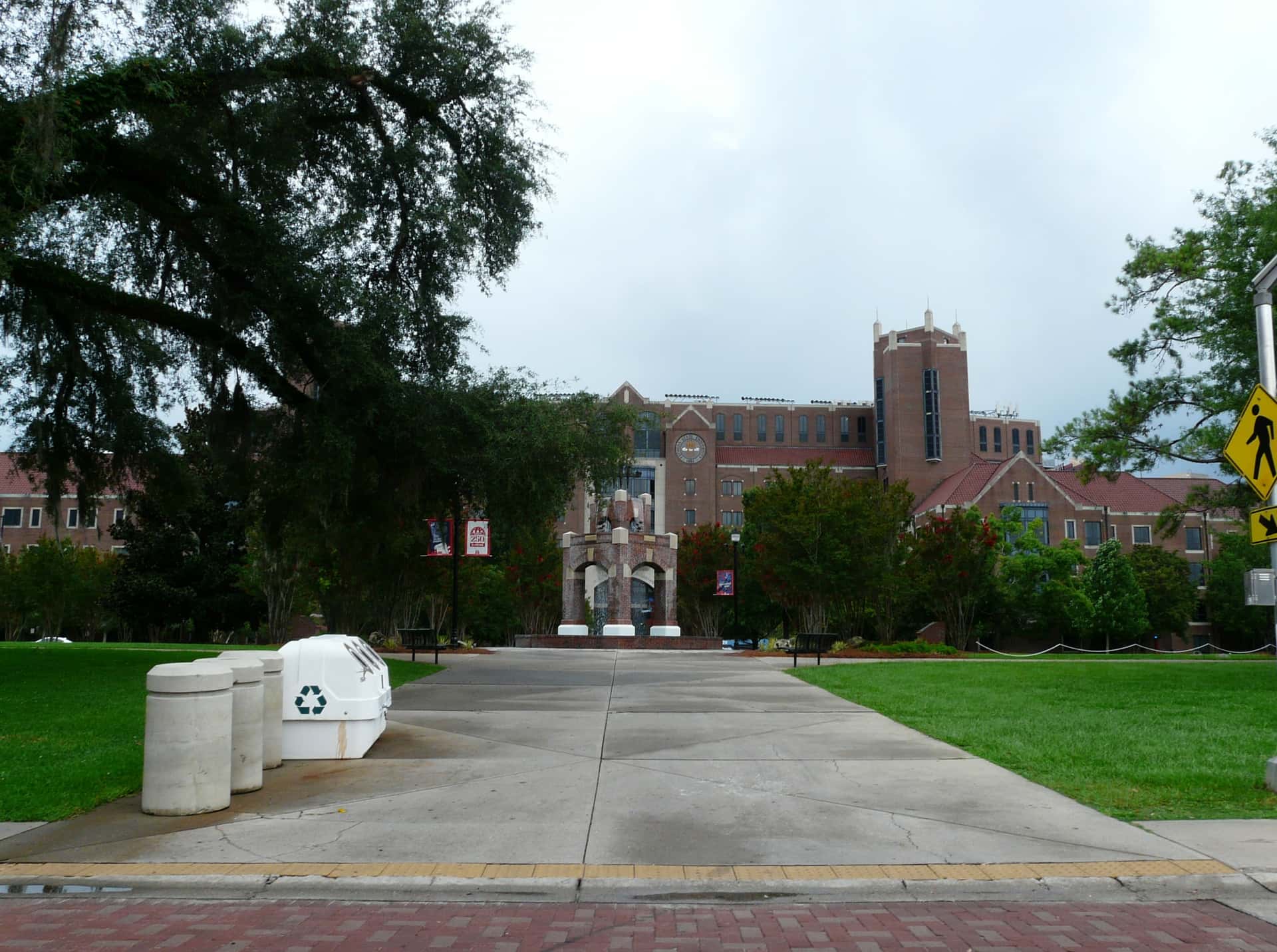
Florida's two flagship football programs are into fall camp, with the Gators working through the opening week of practice under first-year head coach Jon Sumrall and Florida State running scrimmages under Mike Norvell as both programs build toward September openers. The camps mark the start of a season that carries different pressures for each school.
Florida's new era
Sumrall arrives in Gainesville after building a record that made him one of the most sought-after coaching candidates in the country. He went 42-11 across stops at Troy and Tulane and reached a conference title game in every season he coached, a level of consistency at the Group of Five level that translates into strong evaluations of program-building ability.
The Gators reported for fall camp during the first week of August. Florida's practice schedule builds toward a break after camp concludes, with the team taking a few days off before beginning game week preparation for the season opener.
First-year coaching transitions in the SEC come with a compressed evaluation window. A coach installing new schemes on both sides of the ball is asking a roster to absorb substantial change in a matter of weeks, and the first month of the season typically reflects that. Programs that hire well tend to see the payoff in year two rather than year one.
Florida State's camp work
Norvell took his Seminoles to Jacksonville for a weekend of practice at the University of North Florida fields, a road trip that serves both as a change of environment and as a recruiting presence in a market that produces significant talent. Florida State completed a scrimmage on August 4 with a second scheduled for August 9.
Scrimmages are where camp becomes evaluative. Practice repetitions establish installation, but live tackling and full-speed situational work produce the evidence coaching staffs use to sort depth charts, particularly at positions where competition is genuinely open.
Florida State also had a player named to the All-ACC Preseason Team on August 3. Preseason honors are media selections rather than results, but they indicate which players opposing coaches and reporters expect to be difference-makers.
The season openers
Florida opens the 2026 season against Florida Atlantic University on September 5 at 7:45 p.m. An in-state opponent from a different conference is a standard early-season structure that gives a new staff a game to evaluate against live opposition before conference play begins.
The Gators face the standard SEC gauntlet after that, a schedule that under any circumstances leaves little margin and that is particularly unforgiving for a first-year staff. The conference's expansion has made every week a challenge in a way that the older SEC structure did not.
Florida State's ACC schedule presents a different set of problems. The conference's competitive balance has shifted with realignment, and the Seminoles' path runs through opponents whose profiles have changed substantially over the past two seasons.
The rivalry that ends the season
Florida and Florida State meet in the regular season finale, a rivalry that has defined the sport in this state for decades. The game has taken on additional weight in recent years as both programs have worked through periods of instability, with the outcome frequently determining bowl positioning and offseason narrative for both.
The dynamic between the two programs has shifted repeatedly. Florida State's recent trajectory has involved patience with a coaching staff through difficult stretches and portal acquisitions to fill immediate needs. Florida's decision to hire Sumrall represents a different bet, one on a coach with a track record of building programs rather than one already established at the highest level.
Recruiting overlap between the two schools is nearly total. Florida produces more Division I football talent per capita than almost any state, and every high school prospect in the state fields interest from both programs, which makes on-field results and coaching stability directly consequential to future rosters.
The other Florida programs
The Miami Hurricanes and UCF Knights complete the state's Power Four representation, and both enter the season with their own trajectories. Miami's recent investment in roster building through the transfer portal and name, image, and likeness collectives has been substantial. UCF continues adapting to Big 12 competition after moving from the American Athletic Conference.
Below that tier, Florida's Group of Five programs at USF, FAU, FIU, and Florida A&M generate their own local followings and produce NFL talent regularly. FAU opens against Florida in the Gators' first game, a matchup that gives the Owls a significant early-season stage.
The state's high school football landscape feeds all of them. Florida high school programs across South Florida, Tampa Bay, and Central Florida produce national-caliber recruiting classes annually, and the state championship series in December remains one of the strongest high school football events in the country.
What camp actually determines
Fall camp resolves a specific set of questions. Depth chart competitions at positions where the returning starter departed. Whether freshmen who enrolled early are ready to contribute. How the offensive line combination settles. Which specialists win kicking and punting jobs.
What camp does not resolve is how a team performs against real opposition. Practice evaluation has known limits, and coaching staffs are consistently candid that the first game reveals things three weeks of camp did not.
Injuries are the camp variable no program controls. August injuries to key contributors reshape seasons before they start, and the balance between practicing at sufficient intensity to prepare and protecting players is the central tension of every camp.
The roster-building environment both coaches face
College football roster construction has been transformed over the past several years by the transfer portal and by name, image, and likeness compensation. A coach taking over a program now inherits a roster that can turn over substantially in a single offseason, in either direction.
That volatility cuts both ways for a new staff. Sumrall arrives able to add experienced players immediately through the portal rather than waiting for high school recruits to develop, which compresses the timeline for a rebuild. He also faces the risk of losing returning players who chose the previous staff.
Compensation has become a central element of both recruiting and retention. Programs now compete on financial terms alongside development and playing time, and the collectives that organize that compensation vary considerably in their resources and sophistication across programs.
Florida's two flagship programs both operate in a state with abundant local talent, which is an advantage in a recruiting environment where relationships and proximity still matter. Whether that advantage translates depends on how effectively each staff converts it.
What the schedules demand
The SEC's expanded membership has made Florida's conference schedule more difficult in a structural sense. There are simply fewer weeks in which a team can expect a comfortable result, and the depth of the conference means a program can play well and still finish with several losses.
Florida State's ACC schedule presents a different profile. The conference's competitive distribution has shifted with realignment and the additions of West Coast programs, producing travel demands and matchup variety the league did not previously have.
Both programs also face the College Football Playoff structure, which has expanded the field and changed what constitutes a successful season. A team that would previously have been out of national contention after two losses now retains a path, which keeps more of the season meaningful.
Conference championship games and the selection criteria the playoff committee applies mean that strength of schedule and results against ranked opponents matter more than raw record. That framework rewards programs willing to schedule aggressively out of conference.
The August heat problem
Fall camp in Florida happens in the most punishing conditions in American college football. Heat index values in Gainesville and Tallahassee routinely exceed levels that require modified practice protocols, and heat illness in football has produced fatalities at every level of the sport.
Programs manage it through practice scheduling, with sessions moved to early morning and evening, through acclimatization periods mandated by NCAA rules that phase in equipment and practice intensity over the opening days, and through hydration and cooling protocols including cold water immersion tubs on site.
Athletic training staffs monitor wet bulb globe temperature, a measurement combining heat, humidity, radiant load, and wind that reflects physiological heat stress far better than air temperature alone. Practice modifications key off defined thresholds.
The conditions have a competitive dimension as well. Florida programs practice in heat their September opponents from cooler climates have not experienced, which coaches have long argued provides an early-season advantage in games played in the same conditions.
What's next
Both programs conclude camp in the coming weeks and move into game week preparation. Depth charts typically become public shortly before the opener, though coaching staffs increasingly release them with strategic vagueness.
Florida's opener against FAU on September 5 is the first real measurement of the Sumrall era. Florida State's schedule likewise begins in early September, launching a season in which the program is looking to reestablish its position in the ACC.
The rivalry game at the end of November remains the fixture that both fan bases circle. Whatever happens across the intervening months, the last Saturday of the regular season is where the season gets its final framing in this state.
Both fan bases will spend August reading practice reports and scrimmage results for signals that historically have not predicted much. Camp optimism is nearly universal and nearly meaningless until a team faces an opponent that is not wearing the same uniform.
The season's first real information arrives in September. Until then, the useful facts are limited to who is healthy, who has won a starting job, and who has left the program.
Spotted an issue with this article?
Have something to say about this story?
Write us a letterComments
No comments yet. Be the first to weigh in.
Related Coverage
Lars Eller's First Goal as a Panther Lifts Florida Past Blackhawks 3-2, Snapping Two-Game Skid
12h ago
Gators Rise to No. 17 in AP Poll During Bye Week, Face No. 3 Georgia in Atlanta as Double-Digit Underdogs
13h ago
Franz Wagner Scores 21 in the Fourth as Magic Rally Past Defending Champion Knicks 111-102 for First Win
14h ago
Nikita Kucherov Passes Steven Stamkos as Lightning's All-Time Points Leader in OT Loss to Mammoth
1d ago