Florida's College Football Programs Open Their Seasons Next Weekend
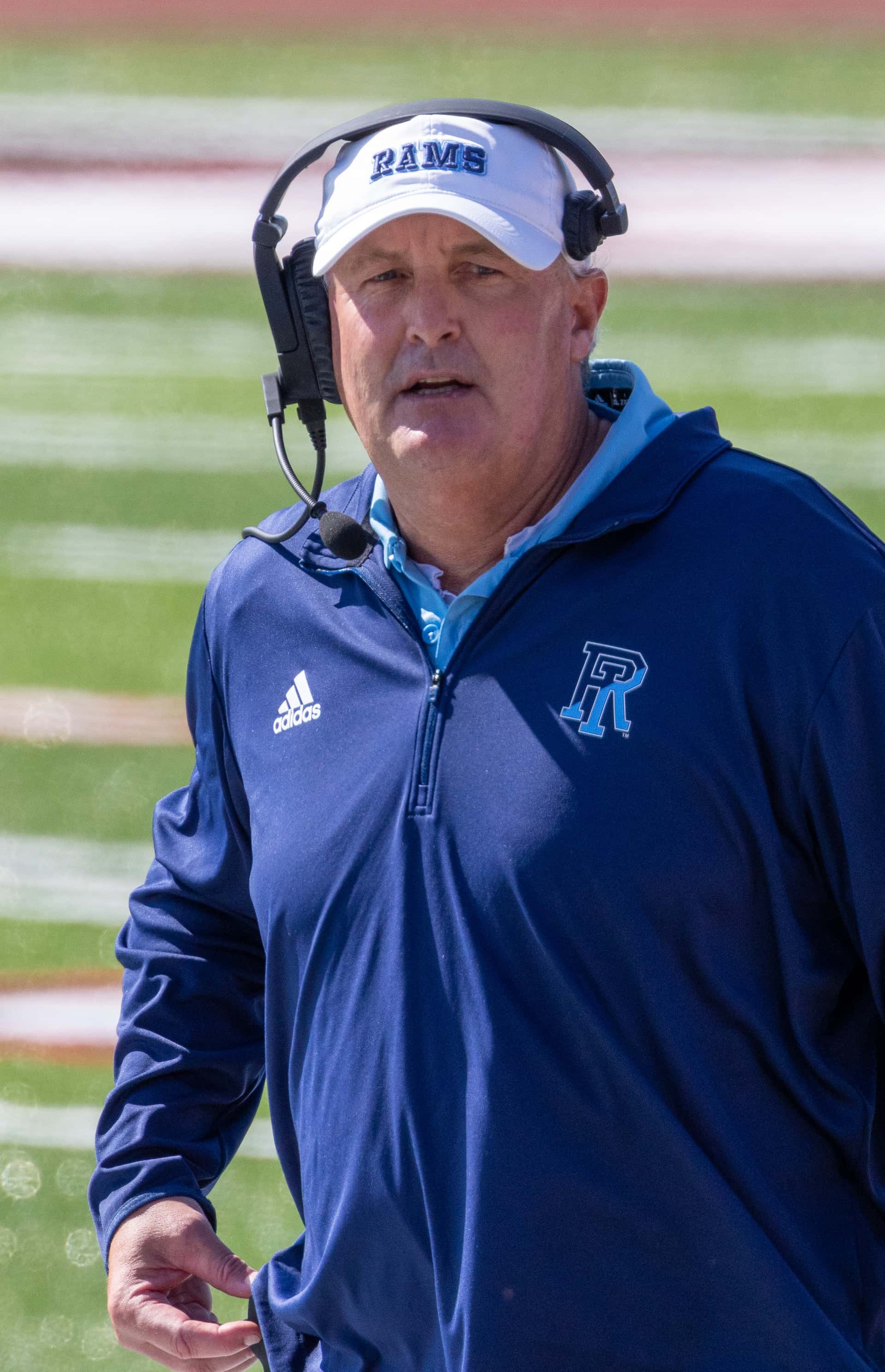
College football's Week 0 came and went on Saturday without Florida's major programs, which open their 2026 seasons next weekend. Miami travels to Stanford Stadium on September 4, and Florida hosts Florida Atlantic at Ben Hill Griffin Stadium in Gainesville on September 5, putting the state's flagship programs into action within a day of each other.
Florida supports one of the densest concentrations of college football in the country. Three programs compete in the sport's power conferences, with Florida in the Southeastern Conference and Florida State and Miami in the Atlantic Coast Conference, alongside Central Florida, South Florida, Florida Atlantic, Florida International and Florida A&M across other levels of the sport.
The season's opening weekend carries particular significance in the current structure of college football. An expanded College Football Playoff means that early results factor into selection committee evaluations across a longer field, and a September loss no longer eliminates a team the way it once did, though it still costs positioning.
Miami opens on the West Coast
Miami's trip to Stanford Stadium is a genuine road opener, and cross-country season openers present logistical challenges that home openers do not. Travel, time zone adjustment and an unfamiliar environment all factor into how a team performs in its first competitive action of the year.
Stanford's move into the Atlantic Coast Conference reconfigured the geography of the league, creating regular cross-country travel for schools that previously played almost entirely within the eastern time zone. Miami's opener reflects that new reality, and conference realignment has produced similar journeys throughout the ACC schedule.
Openers against unfamiliar opponents are difficult to prepare for. Coaching staffs have limited film on a team's current personnel and schemes, since the previous season's tape reflects rosters altered by the transfer portal and by coaching changes. First games therefore tend to feature more adjustment during the game than later contests do.
Miami's rivalry with Florida State is scheduled for October 17, one of the fixtures that anchors the state's football calendar. The programs have played one of college football's defining rivalries, and the game's national significance has fluctuated with both programs' fortunes over the past two decades.
Florida hosts an in-state opponent
Florida opens against Florida Atlantic in Gainesville. Non-conference openers against in-state opponents from other conferences serve several purposes for a program like Florida: a manageable first test, a home date that fills the stadium, and a game that keeps revenue within the state rather than paying a guarantee to a program from elsewhere.
For Florida Atlantic, the game represents the opposite calculation. Games against power conference opponents provide guaranteed revenue that funds athletic department operations, along with recruiting exposure and the possibility of a result that transforms a season.
Ben Hill Griffin Stadium, known as the Swamp, is among the more distinctive home environments in college football, with a capacity above 88,000 and a bowl configuration that concentrates crowd noise. Early September games there are also played in significant heat, which is itself a competitive factor.
Florida's season plays out within the Southeastern Conference, which has expanded and restructured its scheduling in recent years. The conference schedule determines most of what a Florida season becomes, and the non-conference opener functions largely as preparation.
The rest of the state's programs
Florida State, Central Florida and South Florida all field programs whose seasons open in the same window, and each occupies a distinct competitive position. Florida State competes in the ACC alongside Miami. Central Florida moved into the Big 12 in a prior realignment cycle. South Florida competes in the American Conference.
Florida Atlantic and Florida International both play in Conference USA territory in South Florida, competing in a market saturated with professional and college options. Both programs draw heavily on local recruiting from one of the most talent-rich high school football regions in the country.
Florida A&M competes at the Football Championship Subdivision level in the Southwestern Athletic Conference, where the culture of the sport includes band performances and homecoming traditions that are central to the experience at historically Black colleges and universities.
The state's high school football pipeline underpins all of it. Florida consistently ranks among the top states in producing Division I recruits, and the competition among in-state programs for that talent, along with the out-of-state programs that recruit Florida heavily, shapes rosters across the country.
What the sport looks like now
College football has changed more in the past five years than in the previous fifty. Name, image and likeness compensation transformed how players are recruited and retained. The transfer portal made roster turnover annual rather than exceptional. Conference realignment dissolved regional alignments that had existed for a century.
Roster continuity is now among the sharpest differentiators between programs. Teams that retain their starters year over year hold advantages in scheme execution and cohesion that used to be assumed rather than earned, and evaluating a team based on the previous season's performance has become less reliable.
The expanded playoff changed the value of individual games. Under the prior four-team structure, a single loss frequently ended a national title path. The expanded field gives teams room to absorb a loss, which changes both scheduling incentives and in-season strategy.
Broadcast arrangements have followed the money, with games distributed across an increasing number of networks and streaming services. Following a single program now frequently requires multiple subscriptions, a shift that has generated persistent complaints from fans.
What it means for Florida fans
Game day in Gainesville, Tallahassee, Coral Gables, Orlando, Tampa and Boca Raton drives significant local economic activity. College towns in particular see their business calendars organized around home football weekends, with hotels, restaurants and retail dependent on the six or seven Saturdays a year the stadium fills.
Ticket markets have shifted toward dynamic pricing and secondary market resale, and prices for marquee games have risen substantially. Season ticket packages remain the reliable route to attendance for high-demand games, and student ticket allocations continue to be a subject of negotiation on most campuses.
September in Florida means heat. Early kickoffs at outdoor stadiums produce heat index values that can approach dangerous levels, and every program publishes guidance on hydration and on what fans may bring into the venue. Afternoon thunderstorms also regularly delay games during the opening weeks of the season.
For fans traveling to games, parking, transportation and stadium entry policies have tightened across venues, with clear bag requirements and mobile ticketing now standard. Checking a specific venue's policies before traveling avoids problems at the gate.
The high school pipeline underneath it all
Florida is consistently among the top three states in the country for producing Division I football recruits, alongside Texas and California and ahead of states with larger overall populations. The concentration is highest in South Florida, where Miami-Dade and Broward county programs have produced NFL players at a rate few regions in the world match in any sport.
That density shapes recruiting nationally. Programs from the Big Ten, Southeastern Conference and Big 12 all recruit Florida heavily, which means the state's in-state programs compete for local talent against schools from across the country rather than holding a natural advantage.
The Florida High School Athletic Association governs the state's high school competition, and its playoff structure culminates in state championship games later in the fall. Those games draw significant attendance and, increasingly, national broadcast attention, and they have become recruiting showcases as much as competitions.
Name, image and likeness rules now extend to high school athletes in Florida under FHSAA policy, which has changed the recruiting conversation at the high school level as well. The practical effect on individual programs and athletes continues to develop, and the rules have been revised as circumstances have evolved.
What's next
Miami's opener at Stanford is September 4, and Florida hosts Florida Atlantic on September 5. Kickoff times and broadcast assignments for later-season games are typically announced on a rolling basis roughly two weeks in advance, which complicates travel planning for fans.
The Florida State and Miami rivalry game is scheduled for October 17, and it remains among the most anticipated dates on the state's sports calendar regardless of either team's record entering it.
Conference championship weekend and the College Football Playoff follow in December and January. The selection committee begins publishing rankings partway through the season, and those rankings shape the national conversation about which teams control their own paths.
Fans should consult official program athletics sites for confirmed schedules, ticket information and game day policies, since those are the authoritative sources and since kickoff times shift with television selections.
Bowl season and the expanded playoff give Florida programs multiple postseason paths, and the state also hosts several bowl games itself. The Orange Bowl at Hard Rock Stadium, the Citrus Bowl and Pop-Tarts Bowl in Orlando, the Gasparilla Bowl in Tampa and the Gator Bowl in Jacksonville all bring visiting fan bases and their spending into Florida cities during the holiday period.
Those games are significant local economic events. Bowl weeks generate hotel nights, restaurant business and airport traffic in the host cities, and the tourism development agencies in those markets treat the bowl calendar as part of their annual planning.
Florida's position as both a producer of players and a host of postseason games gives the state an unusual dual role in the sport. Few states are simultaneously a primary talent source, home to three power conference programs and a preferred neutral-site destination for December and January football.
Fans should also plan around heat at early-season kickoffs. September games in Gainesville, Tallahassee and Coral Gables are played in conditions that produce heat-related medical calls at every stadium, and venues stock water stations and cooling areas. Arriving hydrated, wearing light clothing and using the shaded concourses between quarters are the practical measures that keep an afternoon game enjoyable rather than dangerous.
Spotted an issue with this article?
Have something to say about this story?
Write us a letterComments
No comments yet. Be the first to weigh in.
Related Coverage
Rays await Guardians or White Sox in ALCS after sweeping Yankees; Game 1 Monday at Tropicana Field
1h ago

John Carlson scores twice, Dennis Hildeby makes 34 saves as Lightning hold off Wild 3-2
2h ago

Winless Dolphins host Bengals at Hard Rock Stadium seeking first win under Jeff Hafley
21h ago
Hurricane Isaias Scrambles Florida Sports: FSU Cancels Pensacola Games, FAMU Moves to Friday
1d ago