Henry Mack Steps into Education Commissioner Role as Florida Enters New School Year
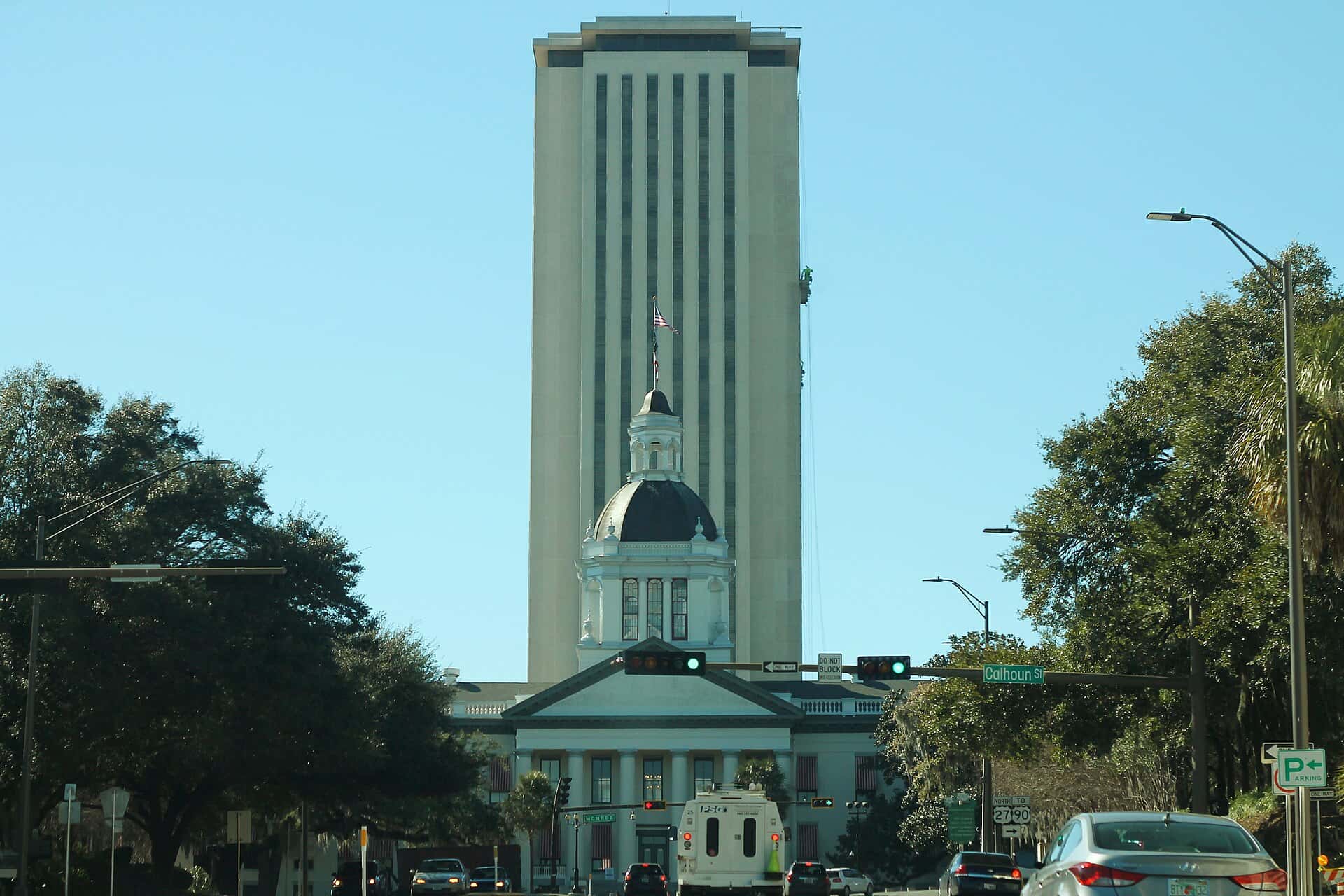
Henry Mack has stepped into the Florida commissioner of education role after Gov. Ron DeSantis endorsed him to succeed Anastasios Kamoutsas, who resigned in July to become president of Polk State College. Mack's arrival at the top of the Florida Department of Education comes as the state's public school students return to classrooms for the 2026-27 academic year, and the new commissioner has already begun outlining priorities for the department under his watch.
The transition
Kamoutsas served as commissioner beginning in 2025 and led the department through a busy period that included implementation of major legislative changes, ongoing litigation on charter and voucher funding, and the annual back-to-school preparation cycle. His resignation to lead Polk State College created a vacancy that DeSantis moved quickly to fill.
The State Board of Education, which formally selects the commissioner under Florida law, evaluated Mack's candidacy following the governor's endorsement. Mack's professional background includes leadership roles in Florida higher education and in policy positions related to workforce development and postsecondary alignment.
Mack's public appearances
Mack has been visible in his first weeks on the job. He appeared at a back-to-school news conference at Lamb Elementary School in Tampa on Aug. 5, and has communicated with school districts about parental rights and protections through formal letters and public statements. His early messaging has emphasized continuity in the department's priorities while signaling his own areas of emphasis.
Superintendents and school board members across the state have engaged with Mack in the weeks since his appointment. The Florida School Boards Association, the Florida Association of District School Superintendents, and other stakeholder groups typically build early relationships with a new commissioner as the department implements policies at the district level.
Priorities for the department
Mack has publicly emphasized several priority areas. Workforce alignment, connecting K-12 education to postsecondary pathways and to the state's labor market, remains a continuing theme. Teacher recruitment and retention are also on the priority list, particularly for high-need subject areas and schools serving students with additional needs.
Reading proficiency and early literacy remain central to state education strategy. Florida has invested substantially in evidence-based reading instruction over recent years, and outcomes are tracked closely through statewide assessments. Mack is expected to continue that focus while looking for additional opportunities to strengthen student outcomes.
Parental rights framework
Mack has communicated with districts about parental education rights and protections, sending letters that emphasized the tools state law provides for parents to review curriculum, participate in academic decisions, and address concerns with schools. Those communications reflect a policy area that has been at the center of debate in Florida education for several years.
Teachers unions and some parents have raised concerns about aspects of the parental rights architecture, and litigation over related policies is ongoing. Others have supported the framework as a way to give parents more direct engagement in their children's education. The tensions are unlikely to fully resolve in the near term, and the department's approach under Mack will be watched closely by both sides.
Implementation challenges
Beyond policy priorities, Mack faces practical implementation challenges. Later start times for middle and high schools, which took effect July 1, have created logistical difficulties for districts still working to comply. Charter school authorization and voucher program administration continue to generate operational complexity for local school boards.
Testing and accountability systems, teacher evaluation frameworks, and school grade calculations all sit within the department's purview and require regular updates. Coordinating with local district leaders is essential for those systems to work well, and Mack has emphasized the value of that collaboration in his early public statements.
Higher education background
Mack's background in higher education gives him a lens on the postsecondary end of Florida's education system, which is often disconnected from K-12 in public conversations even though the two systems interact substantially. Dual enrollment, career and technical education, workforce credentials, and pathways from high school to state colleges and universities are all areas where the two sides of the education system interlock.
Florida has invested in expanded dual enrollment opportunities and in career and technical education pathways that lead to industry certifications. Those investments are designed to give students multiple options after high school and to align with the state's economic development strategy.
Reactions
Reactions to Mack's appointment have been mixed. Some observers in the education community have welcomed the appointment of a commissioner with higher education experience, seeing it as an opportunity to strengthen alignment between K-12 and postsecondary systems. Others have raised questions about how Mack will navigate the ongoing debates about curriculum, parental rights, and testing.
Teachers unions have used the transition to press for policy changes they have long advocated, including higher teacher pay, reduced testing requirements, and greater support for classroom teachers. Districts have emphasized the need for stable and adequate funding, particularly in the context of shifting enrollment patterns driven by the growth of school choice.
Coordination with the governor's office
The commissioner of education works closely with the governor's office on major policy initiatives. DeSantis has been directly engaged in education policy throughout his tenure, and the working relationship between the governor and the commissioner shapes the department's direction on legislative priorities, budget requests, and rulemaking.
The State Board of Education, whose members are appointed by the governor and confirmed by the Florida Senate, also plays a central role. The board makes major policy decisions, adopts administrative rules, and provides oversight of the department's work.
Legislative outlook
The 2027 Florida legislative session begins in January, and education is likely to again be at the center of the agenda. Bills on teacher pay, testing, school start times, charter authorization, and other topics are all likely to receive attention. Mack's ability to work with the Legislature will be a factor in how those bills move.
Budget appropriations for K-12 education, the state's largest single spending area, will also be shaped by the department's requests and by legislative priorities. The state constitution requires funding for a uniform, efficient, safe, secure, and high-quality system of free public schools.
The bigger picture
Florida's education system serves millions of students across nearly 4,000 public schools, dozens of state colleges and universities, and a growing landscape of charter and private options. The commissioner of education stands at the center of that system, translating legislative direction and gubernatorial priorities into implementation guidance for districts and schools.
Mack's tenure will be measured by outcomes in student achievement, by the effectiveness of the department's operational support to districts, and by his handling of the political debates that regularly touch on education. For the moment, he is settling into the role and preparing the department for a busy year ahead.
Spotted an issue with this article?
Have something to say about this story?
Write us a letterComments
No comments yet. Be the first to weigh in.
Related Coverage

Miami shuts enclosed park slides after 13-year-old dies following Shenandoah Park incident
1d ago
Appeals Court Orders Hope Florida Grand Jury Report Expunged, Rules $10 Million Was Never Public Money
1d ago
Jacksonville Council Committees Clear $30 Million Gas Tax Loan to Rescue JTA Ahead of Oct. 13 Final Vote
2d ago

Florida Supreme Court Suspends Pinellas-Pasco Judge Jennifer Cruz Dubbeld 20 Days Over 2024 Campaign Misconduct
2d ago