Hillsborough Sets Speed Limits, $50 to $500 Fines for E-Bikes and Bicycles on Sidewalks, Trails and Roads as Crashes Rise
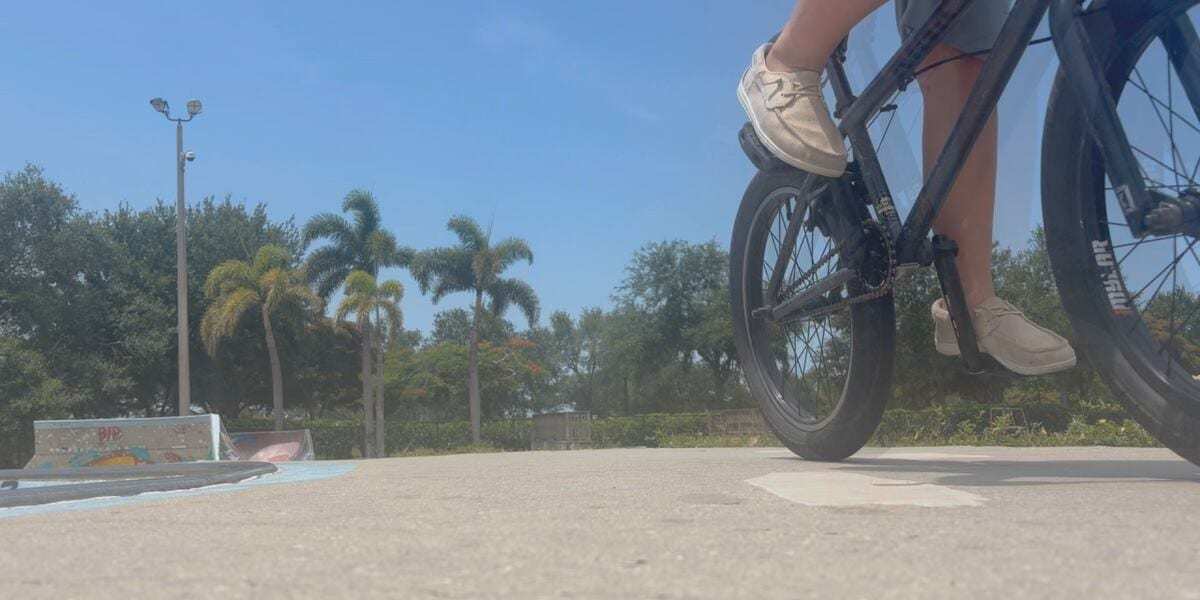
Hillsborough County commissioners on Tuesday, Nov. 10, unanimously approved an ordinance setting speed limits for e-bikes, traditional bicycles and electric scooters on sidewalks, shared trails and roads, banning wheelies and street takeovers and creating fines of $50 to $500 for violators. The rules are the county's response to a rising toll of e-bike injuries and deaths, and they arrive months after Gov. Ron DeSantis vetoed a statewide e-bike safety bill, leaving Florida's counties and cities to write their own.
The ordinance applies in unincorporated Hillsborough County. Commissioner Harry Cohen, who directed county staff last month to draft the restrictions, has said Tampa and the county's other cities can choose to opt in.
What the ordinance does
According to the Tampa Bay Times, the ordinance covers e-bikes, e-scooters and conventional bicycles alike, and sets three tiers of speed limits depending on where a rider is traveling:
| Where | Speed limit |
|---|---|
| Sidewalks | 10 mph |
| Shared paths and trails, such as Tampa's Riverwalk | 15 mph |
| Roads and bike lanes | 28 mph |
The ordinance also:
- Creates civil citations for speeding, failing to yield to traffic signs and improperly locking up a bike.
- Sets a $50 fine for a first infraction, with fines of up to $500 for repeat offenders.
- Bans "street takeovers" and "stunt driving," including wheelies and other tricks that could endanger people nearby.
County staff wrote that the goal is to "reduce conflicts" between cyclists, pedestrians and drivers, the Times reported. Before moving to approve the measure, Cohen asked for a report back in about six months on how the rules are working.
Crashes are rising
The vote came amid a string of serious crashes. A Tampa Bay Times analysis found that more than two dozen people have died riding e-bikes in the Tampa Bay area over the past five years, at least seven of them in Hillsborough County. The most recent death came last week, when a car struck and killed a 68-year-old Tampa woman at a crosswalk on Hillsborough Avenue.
Hillsborough County Sheriff's Office Col. David Arthur told commissioners that crashes have doubled since last year and that the new rules would expand deputies' ability to crack down on unsafe riding. "Our goal is straightforward: prevent injuries and make these shared spaces safer for everyone," Arthur said, according to the Times.
Frank Santini, a personal injury attorney in Riverview, told commissioners in October that he grew concerned about e-bike accident reports reaching his office and collected crash data in response. A news release from his firm said last year was one of the worst in recent history, with more than 700 cyclists injured in the county. "We're seeing a dramatic increase not only here in Hillsborough County, but also statewide with injuries and fatalities," Santini said last month.
Medical experts and law enforcement officials also urged commissioners to pass the ordinance ahead of Tuesday's vote, according to the Times.
Advocates warn of unintended consequences
Not every speaker was supportive of the final language. Traffic safety advocates said they shared the goal but worried the rules could backfire on ordinary commuters and riders of traditional bikes.
Paula Flores, a volunteer with the advocacy group Walk Bike Tampa, said it was unreasonable to require regular cyclists to follow a speed limit when their bikes have no speedometer, and she asked county leaders to prioritize education over punishment. "We are asking the county commission to really think about some of these statements, clarify the definitions and classifications to ensure they are consistent with the law," Flores said.
Emily Hinsdale, president of Sidewalk Stompers, a group that promotes safe walking and biking routes for schoolchildren, proposed several changes, including a mandatory education period before enforcement, required signs posting maximum speeds and exemptions for riders of traditional bicycles. She said the changes were needed to "avoid legal challenges or unintended consequences that target specific racial or socioeconomic groups."
That concern has local history. In Tampa, a similar ordinance proposed last year drew backlash from residents who recalled the city's police once using bicycle citations to target Black neighborhoods, the Times reported.
Commissioners approved the ordinance without changes. Commissioner Joshua Wostal acknowledged that some of the language could probably be adjusted, but said the board should act now and amend it later if needed. "It's gotten out of hand," Wostal said.
Why counties are writing their own rules
Florida has no comprehensive statewide e-bike law because DeSantis vetoed one. In June, the governor rejected SB 382, a bill that had passed both chambers of the Legislature unanimously and would have set new rules for electric bicycles and other micromobility devices, including a requirement to slow to 10 mph on sidewalks and shared paths near pedestrians. In his veto letter, DeSantis argued that the speed rule would be hard for riders to measure and would likely be enforced with speed detection and surveillance devices, leading to what he called enhanced surveillance by local governments.
The veto left cities and counties to act on their own, producing what the Times described as a patchwork of local rules across Florida. In Pinellas County, Tarpon Springs banned e-bikes entirely from sidewalks in tourist-heavy zones while it waits for a countywide ordinance, but the Pinellas County Commission has not proposed new rules after multiple discussions. In Central Florida, Orange County adopted its own e-bike rules in September.
For riders who cross jurisdictional lines, the result is that the same trip can fall under different rules depending on whether it passes through unincorporated Hillsborough, the city of Tampa or a neighboring county.
Tampa may follow, with changes
The city of Tampa, home to some of the region's busiest shared paths, including the Riverwalk and Bayshore Boulevard, is not automatically covered. Cohen said during Tuesday's meeting that Tampa City Council members will discuss the ordinance but may make adjustments to better suit the city's urban environment.
What's next
The rules now apply in unincorporated Hillsborough, and the sheriff's office has said it intends to use them to address unsafe riding. County staff are due to report back to the commission in about six months on how the ordinance is working, which would give a new commission, seated Nov. 17, an opportunity to revisit the language that advocates flagged. Tampa City Council is expected to take up whether to adopt the rules, possibly with changes. Lawmakers could also take up e-bike rules again when the Legislature meets in 2027.
Spotted an issue with this article?
Have something to say about this story?
Write us a letterComments
No comments yet. Be the first to weigh in.
Related Coverage
Eighteen Apply for Luis Viera's Open Tampa City Council Seat, and the Pick Could Decide the Rays Stadium's Remaining Votes
1d ago
Hillsborough Voters End Countywide Commission Seats, Expanding the Board to Nine Single-Member Districts in 2028
2d ago
Sarasota County Kills $18.1 Million Boatyard Purchase at Siesta Key Bridge Over Federal Canal Easement
2d ago
Incoming House Speaker Sam Garrison Revives Public Integrity Committee and Adds Panels on Long-Range Strategy and Digital Security
3d ago