Tampa Bay Dengue Outbreak Slows as Hillsborough Logs Its Smallest Weekly Rise Since August and Extends Emergency to Nov. 12
Tampa Bay's dengue outbreak, which health reporters have described as the largest in the United States in decades, is showing signs of slowing. Hillsborough County reported its smallest weekly increase since mid-August, but county leaders have extended their state of local emergency through Thursday, Nov. 12, because the virus is still turning up in mosquitoes across many neighborhoods.
The Florida Department of Health's latest weekly arbovirus report, covering Oct. 25 to 31, counted 39 new locally acquired dengue cases statewide. That brings Florida's 2026 total to 524 cases across 12 counties. Hillsborough accounts for 407 of them and Pinellas for 80, so the two counties make up about 93% of all locally acquired cases in the state this year.
A slowdown in Hillsborough
Hillsborough added 22 locally acquired cases in the Oct. 25 to 31 reporting week, according to WUSF. That was the lowest weekly total since 16 cases in the week ending Aug. 16, and the first weekly figure under 25 since the county declared its emergency on Sept. 24. The outbreak peaked at 53 new cases in the week of Sept. 20 to 26.
The slowdown also shows up when cases are sorted by the date people got sick. Of Hillsborough's 407 cases, 14 had symptom onset in July, 147 in August, 206 in September and 40 in October, according to the state report. October's count will likely climb, because cases are often reported a week or more after symptoms begin.
The week before, Hillsborough added 39 cases and Pinellas 16, according to WUSF's Oct. 30 report. In the latest week, Pinellas added 13 cases. Its outbreak started later than Hillsborough's: of its 80 cases, 9 began in August, 45 in September and 26 in October, so October cases make up about a third of the Pinellas total, compared with about a tenth in Hillsborough.
Cases by county
Locally acquired dengue has now been reported in a dozen Florida counties this year, though most outside Tampa Bay have only a handful of cases. The state report lists them by county of exposure:
| County | Local cases in 2026 | Onset months |
|---|---|---|
| Hillsborough | 407 | July to October |
| Pinellas | 80 | August to October |
| Miami-Dade | 12 | July to October |
| Orange | 10 | August to October |
| Pasco | 4 | August, September |
| Citrus | 3 | September, October |
| Manatee | 2 | September, October |
| Seminole | 2 | October |
| Brevard, Broward, Palm Beach, Polk | 1 each | July to September |
Of the 480 cases the state has serotyped by lab testing, nearly all were dengue type 2. In Hillsborough, 374 cases were confirmed as type 2 and the rest had no type identified. Miami-Dade had two type 3 cases. The state has also found dengue in 21 mosquito pools this year. Nineteen were in Hillsborough, all type 2 virus in Aedes aegypti mosquitoes, with one each in Pasco and Citrus.
Why the emergency is still in place
Hillsborough County Administrator Bonnie Wise extended the emergency order on Thursday, Nov. 5, through Nov. 12. A local emergency in Florida lasts only seven days unless it is extended or rescinded, so the county has renewed the order every week since Sept. 24.
The county says the declaration lets the administrator and emergency managers act quickly to protect public health and provides a path to reimbursement of certain expenses. Mosquito crews are increasing air and ground spraying because surveillance shows dengue virus in mosquito populations in many neighborhoods, the county said. Crews are also inspecting neighborhoods for standing water, according to WUSF. One hotspot has been a populated area northeast of downtown Tampa.
Pinellas County declared its own local emergency on Sept. 24. Pinellas County Mosquito Control has been dropping larvicide from the air, most recently over St. Petersburg and Clearwater. It uses Bti, a bacterial product that officials say is not harmful to people, pets or pollinators.
How big this outbreak is
Florida's previous high for locally acquired dengue was 199 cases in 2023, and the state reported 62 last year, according to WUSF. This year's 524 cases are more than double the 2023 record. Health officials have cautioned that the counts are an undercount. Symptoms can take about two weeks to appear, and many infected people never get sick enough to be tested.
The outbreak has been deadly in at least one case. An 80-year-old Tampa woman died of dengue this summer, along with septic shock and multiorgan failure, according to a death certificate reported by WUSF in October.
Travel-related dengue continues as well. The state recorded 27 travel-associated cases in the latest week and 382 so far in 2026, most of them in Miami-Dade. Florida has also logged 102 travel-associated chikungunya cases this year and one locally acquired chikungunya case, in Manatee County in August.
Who is under a mosquito-borne illness alert
As of Oct. 31, the Department of Health had nine counties under a mosquito-borne illness alert, its higher level of warning: Alachua, Citrus, Duval, Hillsborough, Miami-Dade, Orange, Pasco, Pinellas and Seminole. Eleven more were under an advisory: Bay, Brevard, Broward, Holmes, Leon, Manatee, Martin, Palm Beach, Polk, Sarasota and Walton. Sarasota has no locally acquired dengue cases but has two travel-related ones, according to WUSF.
The same state report lists West Nile virus and eastern equine encephalitis detections in sentinel chickens in dozens of counties this year.
What residents can do
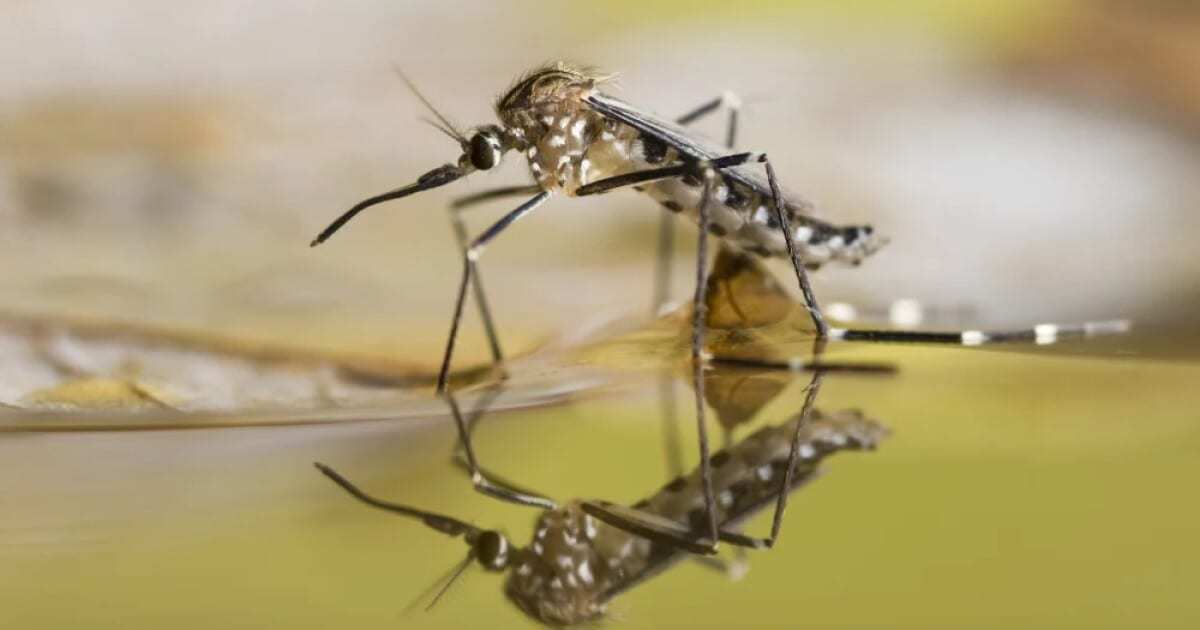
Dengue is spread by the bite of an infected Aedes aegypti mosquito, a species that breeds in small amounts of standing water around homes. Health officials advise residents to use insect repellent and wear long sleeves and long pants outdoors. Dengue can cause high fever, severe muscle and joint pain, headaches and rashes. Severe cases can lead to bleeding, shock or death. Anyone with symptoms after mosquito bites should see a doctor.
What's next
Hillsborough's emergency order expires Nov. 12 unless Wise extends it again. The Department of Health's next weekly report, covering Nov. 1 to 7, will show whether the decline in new Hillsborough cases holds. Until the weekly counts fall further, county officials say they will keep spraying and inspecting neighborhoods.
Spotted an issue with this article?
Have something to say about this story?
Write us a letterComments
No comments yet. Be the first to weigh in.
Related Coverage

Federal Appeals Court Upholds Ruling That Florida's Medicaid Termination Notices Were Unconstitutional, Keeping Income Cutoffs on Hold
6h ago
Amazon driver found in idling van in Fruitland Park died of carbon monoxide poisoning, medical examiner rules
1d ago

UnitedHealthcare Sends Lee Health a New Offer, but the Hospital System Says It Falls Short as the Jan. 1 Network Exit Nears
2d ago
Florida's 7-OH Kratom Ban Faces a Lethal Loophole as Manufacturers Turn to New Compounds Like MGM-15
3d ago