Ingoglia, Taddeo and Simpson, Atkins Set Florida Cabinet Races for November
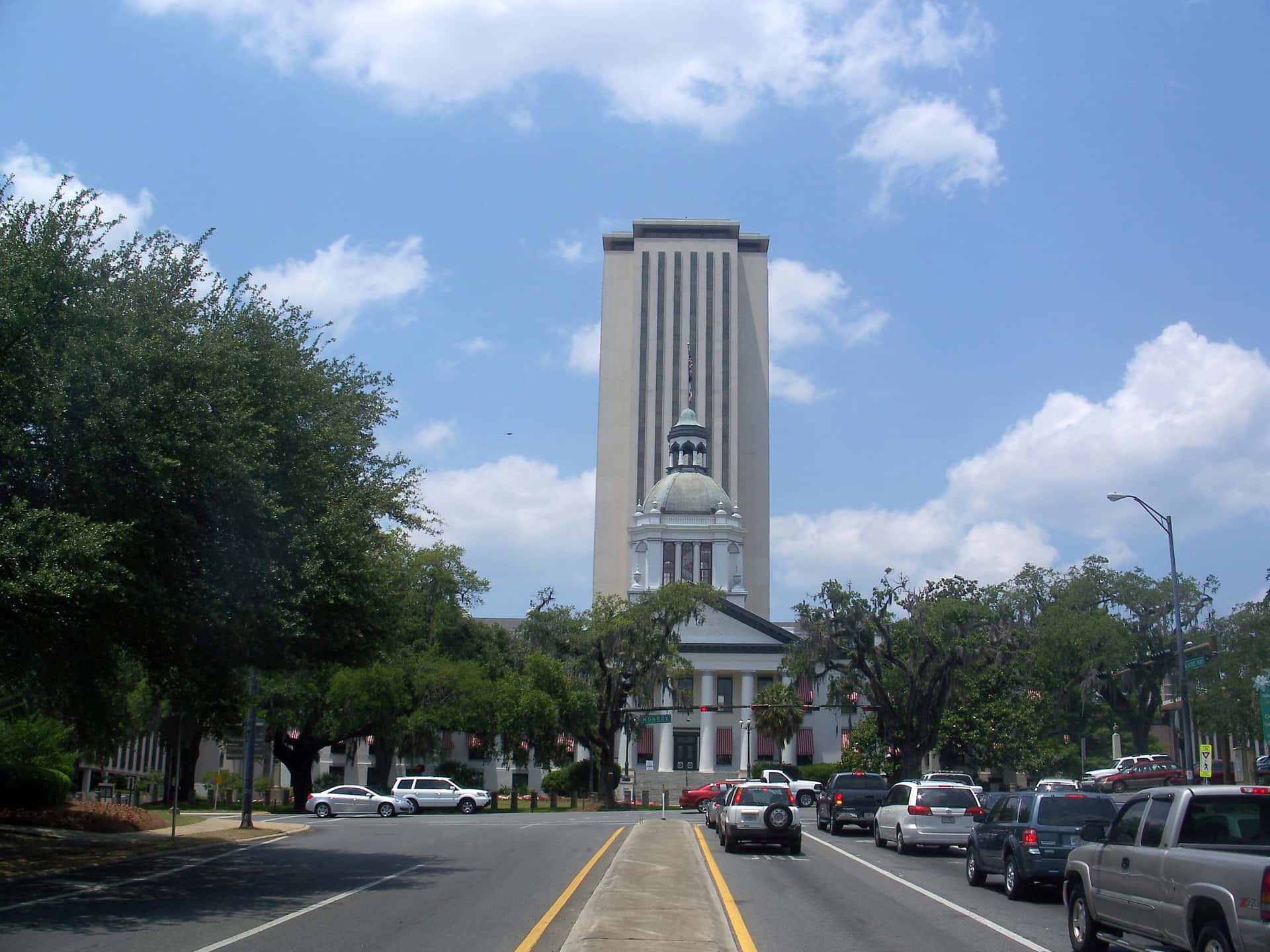
Florida's two contested Cabinet races are set. Chief Financial Officer Blaise Ingoglia and Agriculture Commissioner Wilton Simpson each won their Republican primaries by wide margins on Aug. 18, while Democrats chose former state Sen. Annette Taddeo for CFO and Joey Atkins for agriculture commissioner. Both matchups go to voters on Nov. 3.
The races sit below the governor's contest and the U.S. Senate special election on the ballot, but the offices carry real authority. The chief financial officer oversees state accounting, the state's investment and treasury operations, unclaimed property, and the Division of Investigative and Forensic Services, which handles insurance fraud. The agriculture commissioner runs a department that touches food safety, consumer services, concealed weapons licensing, and the state's forestry and wildfire operations.
Both Republican incumbents enter the general election with substantial financial advantages. Ingoglia had more than $700,000 remaining from the $1.26 million raised for his primary, plus roughly $4.4 million available across two political committees as of Aug. 13, according to reported filings.
Florida elects its Cabinet officers separately from the governor, which is unusual among large states and produces a plural executive rather than a unified one. A governor can find members of their own party in Cabinet offices pursuing independent agendas, and voters can and occasionally do split their tickets between the top of the ballot and the Cabinet races. Both offices carry four-year terms and are subject to term limits.
The CFO race
Ingoglia was appointed chief financial officer by Gov. Ron DeSantis in 2025 and is seeking election to the post in his own right. He is a former state senator and former chairman of the Republican Party of Florida, and he has spent his time in the office focused on state spending scrutiny and on audits of local government expenditures.
Taddeo won the Democratic primary with roughly 66 percent of the vote against Earle Ford. She previously served in the Florida Senate representing a Miami-Dade district and has run statewide before, giving her a level of familiarity with Florida's campaign geography that most Democratic Cabinet candidates lack.
The CFO office has become more politically visible in recent years, in part because insurance touches it. The department's fraud investigators handle insurance fraud cases, and the office has a public-facing role in consumer complaints about insurers. In a state where property insurance is a top-tier political issue, that gives the race more salience than the office's technical description would suggest.
Unclaimed property is the function most Floridians encounter directly. The department holds billions of dollars in dormant accounts, uncashed checks, forgotten security deposits, and insurance proceeds, and returns money to owners who file claims. It is one of the few state government operations that exists primarily to give money back, and it is searchable online at no cost, a fact that periodically resurfaces in public awareness campaigns.
The agriculture commissioner race
Simpson is seeking a second term. He won the office in 2022 after serving as president of the Florida Senate, and he is one of the more powerful figures in Florida Republican politics independent of any particular office. He is a farmer by background and has used the department to focus on agricultural land preservation, food supply issues, and rural economic development.
Atkins won the Democratic nomination and now faces the harder task in the two Cabinet races. Simpson's incumbency, fundraising, and standing within the party make him a heavy favorite, and agriculture commissioner races in Florida typically attract less independent attention than the CFO contest.
The department Simpson runs has statewide reach that is easy to underestimate. It handles concealed weapons licensing for more than two million Floridians, inspects gas pumps and grocery scales, oversees the state's forest service and its wildfire response, and administers school nutrition programs. Its decisions affect households that never think about agriculture policy.
Florida agriculture itself remains a significant industry under sustained pressure. The citrus sector has contracted severely over two decades because of citrus greening disease and hurricane damage, with production down dramatically from historic peaks. Cattle ranching, sugar, nursery and greenhouse products, and vegetable production make up much of the remaining sector, and development pressure on agricultural land is a persistent structural issue that the department addresses through easement programs.
What the offices actually control
The Florida Cabinet consists of the attorney general, the chief financial officer, and the agriculture commissioner, and together with the governor they sit as a collegial body on certain matters. The Cabinet has authority over clemency decisions, sits as the Board of Executive Clemency, and serves as the governing board for several state entities including the State Board of Administration, which manages the Florida Retirement System.
That last function is significant in scale. The State Board of Administration manages retirement assets for hundreds of thousands of current and former Florida public employees, including teachers, police officers, firefighters, and state workers. The governor, CFO, and attorney general sit as its trustees.
The Cabinet also has a role in land acquisition through the Board of Trustees of the Internal Improvement Trust Fund, which oversees state-owned lands including conservation acquisitions. In a state where development pressure on remaining natural land is intense, those votes matter.
The clemency function is the least visible and among the most consequential. Florida's clemency process governs restoration of civil rights, pardons, and commutations, and the Cabinet sitting as the Board of Executive Clemency has broad discretion over it. The board's rules determine how, and how quickly, Floridians who have completed sentences can regain rights, an issue that intersects with the constitutional amendment voters approved in 2018 on voting rights restoration and the litigation that followed.
How the Cabinet races fit the ballot
Down-ballot statewide races in Florida generally track the top of the ticket. If Republicans win the governor's race and the Senate special election by their recent margins, the Cabinet races are likely to follow. Democrats have not won a Cabinet office in Florida since 2010, when Alex Sink was chief financial officer.
What could break that pattern is Amendment 3, the property tax measure on the same ballot. Ballot questions on taxes can pull turnout that does not map cleanly onto partisan models. Whether that helps or hurts Democratic Cabinet candidates is genuinely uncertain, and both parties will be watching early voting data for signals.
Taddeo is the Democratic candidate most likely to outrun the party's baseline, given her prior statewide campaign experience and Miami-Dade base. Republicans have not treated the CFO race as endangered, but Ingoglia's committees have the resources to respond quickly if polling tightens.
Down-ballot races also carry a substantial undervote. A meaningful share of Florida voters who cast ballots for governor and Senate leave Cabinet races blank, particularly agriculture commissioner, because the offices are less familiar and the candidates less covered. That undervote makes the races harder to poll and occasionally produces results that diverge from the top of the ticket by wider margins than partisan composition alone would predict.
Concealed weapons licensing is among the department's largest direct-service operations. Florida issues and renews licenses for millions of holders, processing applications, conducting background checks through state and federal systems, and maintaining the licensing database. The Legislature enacted permitless carry in 2023, which allows lawful carry without a license, but licenses remain in demand because they carry reciprocity with other states and streamline firearm purchases.
What it means for Floridians
For most Floridians, the practical stakes are administrative rather than ideological. The CFO's office is where unclaimed property is returned, where insurance fraud complaints are investigated, and where the state's books are kept. The agriculture department is where a concealed weapons license application goes, where a complaint about a gas pump that shortchanged you goes, and where the state's wildfire crews are dispatched from.
Both offices also serve as launching pads. Florida's Cabinet has repeatedly produced candidates for governor and U.S. Senate, and both incumbents have profiles that could support a future statewide run. Voters choosing among these candidates are, in a sense, also choosing the shape of the state's Republican and Democratic benches for the next cycle.
Attorney General James Uthmeier, the third Cabinet officer, has been prominent in recent weeks announcing criminal charges in a workers' compensation fraud case and in the arrest of a Palm Beach County court official. His office's activity is a reminder of how much day-to-day law enforcement authority the Cabinet offices carry.
Uthmeier is not on the ballot in a contested Cabinet race this cycle in the same posture as Ingoglia and Simpson, but the attorney general's activity shapes public understanding of what the Cabinet does. Recent announcements from that office have included charges against seven people in an alleged workers' compensation fraud operation processing nearly $100 million, charges against six people in an organized retail theft case, and the arrest of the Palm Beach County clerk of court on child sexual abuse charges.
What's next
The general election is Nov. 3. Campaign finance reports filed in September and October will show whether Democratic Cabinet candidates converted primary wins into general-election fundraising, which is the main variable determining whether these races become competitive.
Neither Cabinet race is likely to feature extensive televised debates. Down-ballot statewide contests in Florida typically get limited broadcast attention, and candidates rely on party infrastructure, endorsements, and mail programs. Voters seeking detail will generally find it in candidate filings and in coverage from state government outlets rather than in general-market television.
The winners take office in January 2027 alongside the new governor, and will serve four-year terms.
Voters wanting to research the candidates can review campaign finance filings through the Florida Division of Elections, which publishes contribution and expenditure reports for candidates and political committees on a rolling basis. Those filings are the most reliable public record of who is funding a down-ballot statewide campaign, and they are searchable by candidate and by committee.
Florida's forest service, housed within the agriculture department, is the state's wildfire response agency and manages more than a million acres of state forest. Its crews respond to thousands of wildfires annually, conduct prescribed burns to reduce fuel loads, and coordinate with federal agencies during major incidents. In a year with substantial rainfall deficits across North Florida and the Panhandle, that function moves from routine to urgent, and it is entirely within the elected commissioner's purview.
Spotted an issue with this article?
Have something to say about this story?
Write a letter to the editorComments
No comments yet. Be the first to weigh in.
Related Coverage
DeLand and Volusia County say goodbye to former state Rep. Pat Patterson as flags fly at half-staff
1h ago
Vance rallies Florida Republicans in Lakeland as governor's race tightens
17h ago

Amendment 3: Osceola, Orange counties warn of cuts to mosquito control, EMS
1d ago
Orange County's $9 Billion Budget Takes Effect With $1.1 Billion for Public Safety and a Bigger Sheriff's Budget
1d ago