Lettuce Recall Reaches Florida Shelves as FDA Weighs a Cyclospora Scare and a False-Positive Test
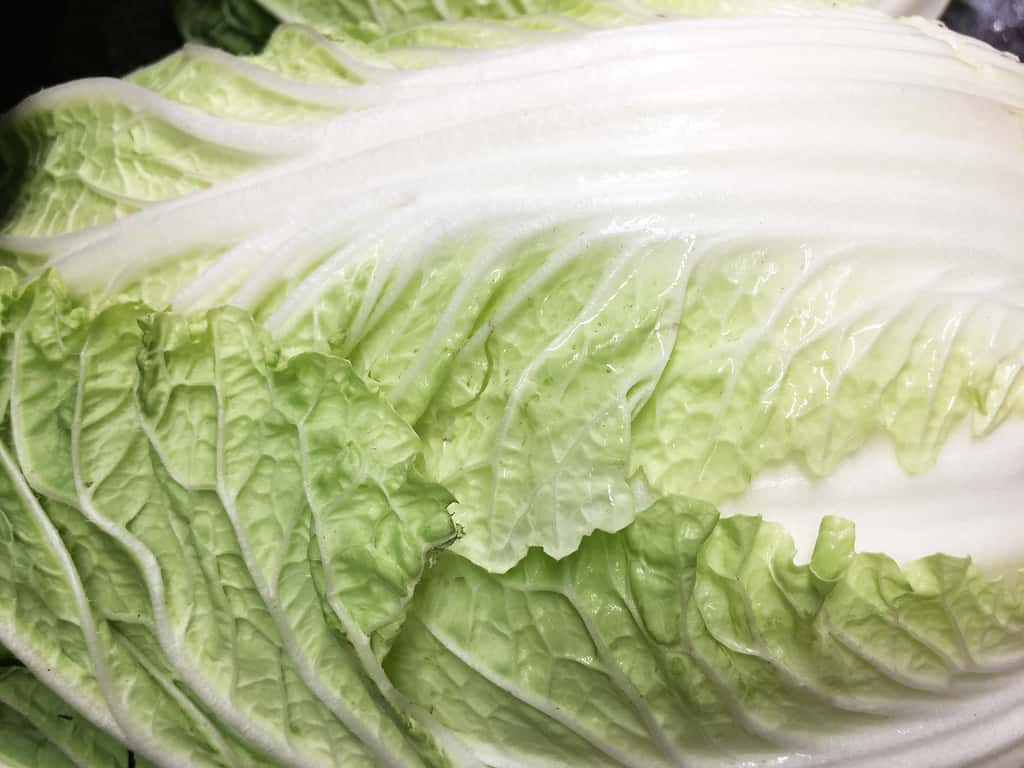
A recall of iceberg lettuce that reached grocery shelves in Florida and 26 other states has put a spotlight on food safety, even as federal regulators have complicated the picture by concluding that the test result which helped trigger the action was a false positive. The recall, initiated by Taylor Farms de Mexico, remains in effect as a precaution while the U.S. Food and Drug Administration continues its investigation into a multistate outbreak of Cyclospora illnesses.
The company announced in mid-July that it was voluntarily removing all iceberg lettuce sourced from central Mexico from the U.S. market. The affected products were shipped to 27 states, including Florida, placing them within reach of shoppers across the state and prompting warnings to check refrigerators and discard potentially affected items.
The situation has evolved in a way that underscores the complexity of food-safety science. After the recall was underway, FDA laboratory experts re-examined the sample that had tested positive for the Cyclospora parasite and determined that the finding did not represent a true detection, classifying it instead as a false positive. Despite that reversal, the recall has remained in place.
What products are affected
The recall centers on iceberg lettuce products distributed under a store brand sold at a major national retailer. The affected items include packaged iceberg salad in multiple sizes and shredded lettuce, carrying best-if-used-by dates spanning a range in mid-July into early August.
Because the products were distributed across more than two dozen states, the geographic footprint of the recall is broad. Florida shoppers who purchased the affected lettuce during the relevant window were advised to check the packaging dates and to discard or return any products matching the recall.
Consumers were generally urged to err on the side of caution with recalled products, discarding items that match the description rather than consuming them. Retailers typically remove recalled products from shelves and offer refunds, and shoppers with questions were directed to the retailer or the published recall notices for specifics.
The false-positive twist
The most unusual element of the episode is the FDA's subsequent determination that the sample which tested positive for Cyclospora was, in fact, a false positive. Detecting the parasite is scientifically challenging, and the agency's laboratory experts re-reviewed the results and concluded that the initial finding did not represent a genuine detection.
As of the agency's update, there were no confirmed positive sample results for the product testing. That development might seem to undercut the rationale for the recall, but food-safety decisions often involve caution in the face of uncertainty, and the recall was left in place as a precautionary measure while the broader investigation continued.
The company has emphasized the false-positive finding, and the episode illustrates the difficulty of balancing rapid response with scientific certainty in food-safety matters. Regulators and companies frequently act on preliminary signals to protect the public, accepting that some actions may later prove to have been based on results that do not hold up.
Understanding Cyclospora
Cyclospora is a microscopic parasite that can cause an intestinal illness called cyclosporiasis when people consume contaminated food or water. The illness is typically marked by prolonged, sometimes severe gastrointestinal symptoms, and it has been linked in past outbreaks to fresh produce, including various leafy greens and other items.
Unlike bacterial contamination, Cyclospora presents particular challenges for detection and prevention, which is part of why investigations can be complicated and why testing results require careful interpretation. Outbreaks tied to the parasite have occurred periodically, often prompting recalls and public-health investigations.
Public-health authorities investigate such outbreaks by tracing illnesses, identifying common exposures and testing products in an effort to pinpoint a source. The process can be lengthy and uncertain, especially when detection methods are imperfect, as the false-positive result in this case demonstrates.
Why it matters for Florida
Florida, as one of the states that received the recalled products, is directly implicated in the recall, and its residents are among those advised to check for affected lettuce. The state's large population and heavy retail activity mean that a nationwide recall of a popular grocery item inevitably affects many Florida households.
Food safety is a perennial concern for consumers, and recalls of fresh produce carry particular resonance because leafy greens are dietary staples consumed raw. A recall that reaches Florida shelves prompts the same caution and inconvenience for shoppers there as elsewhere, from discarding products to seeking refunds.
The episode also highlights the interconnectedness of the national food supply, in which produce grown in one country can quickly reach shelves across many U.S. states, including Florida. That reach means a single contamination concern, or even a false alarm, can have wide geographic consequences.
What consumers should do
Consumers who may have purchased the affected lettuce were advised to check the product descriptions and dates against the recall notice and to discard or return any matching items. When in doubt, discarding the product is the safest course, and shoppers can typically obtain a refund from the retailer.
General food-safety practices remain sound advice regardless of the specific recall, including washing hands and surfaces, keeping produce properly refrigerated and staying attentive to recall notices. Consumers concerned about symptoms of foodborne illness were encouraged to consult health-care providers.
Staying informed through official channels is the best way to track developments in a recall that has shifted with the false-positive finding. The FDA's investigation remains ongoing, and further updates could clarify the situation as more information becomes available.
How the food-safety system responds
The episode offers a window into how the nation's food-safety system operates when a potential hazard emerges. Companies, regulators and retailers coordinate to identify affected products, remove them from commerce and inform the public, a process designed to act quickly even when the full scientific picture remains uncertain.
Voluntary recalls, like the one initiated by the company in this case, are a common mechanism, allowing firms to pull products in response to concerns without waiting for a mandatory order. Such recalls reflect a precautionary posture that prioritizes consumer safety, accepting that some actions may later prove to have been based on incomplete or, as here, ultimately unconfirmed information.
The false-positive determination complicates the narrative but does not necessarily indicate a failure of the system, since caution in the face of a potential parasite detection is a defensible response. The challenge lies in balancing swift protective action against the risk of disruption and cost when a signal turns out not to hold up under further review.
The challenge of leafy greens
Fresh leafy greens have been implicated in numerous foodborne illness outbreaks over the years, a reflection of the particular difficulties of ensuring their safety. Because they are typically consumed raw, without cooking that would kill pathogens, contamination that occurs anywhere from the field to packaging can reach consumers directly.
The complex supply chains behind fresh produce, which can span countries and involve multiple handling steps, add to the challenge of tracing and preventing contamination. Produce grown in one region can reach shelves across many states quickly, meaning a problem at a single source can have broad geographic consequences, as this recall's 27-state footprint illustrates.
These realities have driven ongoing efforts to improve produce safety, from enhanced testing to traceability requirements intended to speed the identification of sources during outbreaks. The current episode, with its testing complications, underscores both the progress made and the difficulties that remain in safeguarding a category of food that is a dietary staple.
Guidance for Florida shoppers
For Florida consumers, the practical steps remain straightforward despite the twists in the case. Shoppers who purchased the affected products during the relevant window should check the descriptions and dates against the recall notice and discard or return any matching items, erring on the side of caution when uncertain.
General food-safety practices offer protection regardless of any specific recall, including washing hands and produce, keeping items properly refrigerated and staying attentive to official notices. Those habits reduce the risk of foodborne illness from a variety of sources, not just the products named in a particular recall.
Consumers who experience symptoms of foodborne illness were encouraged to consult health-care providers, and those with questions about the recall can consult the retailer or the published notices. Staying informed through official channels remains the best way to track a situation that has shifted with the false-positive finding.
Recalls in the national food system
The episode illustrates how deeply interconnected the modern food system has become, with produce grown in one country reaching store shelves across dozens of U.S. states within days. That reach delivers variety and year-round availability to consumers, but it also means a single contamination concern can have consequences spanning a broad geographic area.
Recalls are a routine feature of that system, occurring across many product categories as companies and regulators respond to potential hazards. Most recalls resolve without widespread illness, functioning as a preventive mechanism designed to remove products from commerce before they can cause harm, even when the underlying risk proves limited or, as here, unconfirmed.
For consumers, the frequency of recalls can be unsettling, but it also reflects a system actively working to identify and address concerns. Staying attentive to official notices and practicing sound food-safety habits allows shoppers to navigate that system with confidence, responding appropriately when a recall touches products they have purchased.
What is next
The FDA's investigation into the multistate Cyclospora outbreak continues, and additional findings could shape whether the recall is expanded, maintained or lifted. The false-positive determination adds uncertainty, and the agency's ongoing work will help resolve questions about the source and scope of any genuine risk.
For the company, the episode involves both the immediate response of removing product and the longer-term reputational and operational considerations that accompany a nationwide recall. How the situation is ultimately resolved will influence perceptions of the response.
For Florida consumers, the practical guidance remains to heed the recall, check for affected products and follow food-safety best practices. The case serves as a reminder of both the vigilance built into the food-safety system and the scientific challenges that can make even a precautionary recall a moving target.
Spotted an issue with this article?
Have something to say about this story?
Write us a letterComments
No comments yet. Be the first to weigh in.
Related Coverage

Puerto Rico Fights Trump Plan for English-Only Head Start as Central Florida Families Watch
2h ago

Musk Pledges a SpaceX Share to Every U.S. Child, Worth About $650 Million for Florida Kids, With No Details Yet
3h ago

Haiti Gangs Hit UN-Backed Force in Biggest Attack Yet as Four Salvadoran Troops Go Missing, Rattling South Florida
4h ago

Florida Races Pull In Tens of Millions as 2026 Midterms Head Toward Record $11.6 Billion in Ad Spending
4h ago