MacDill Air Force Base Anchors US-Iran Tensions as CENTCOM Leads Response
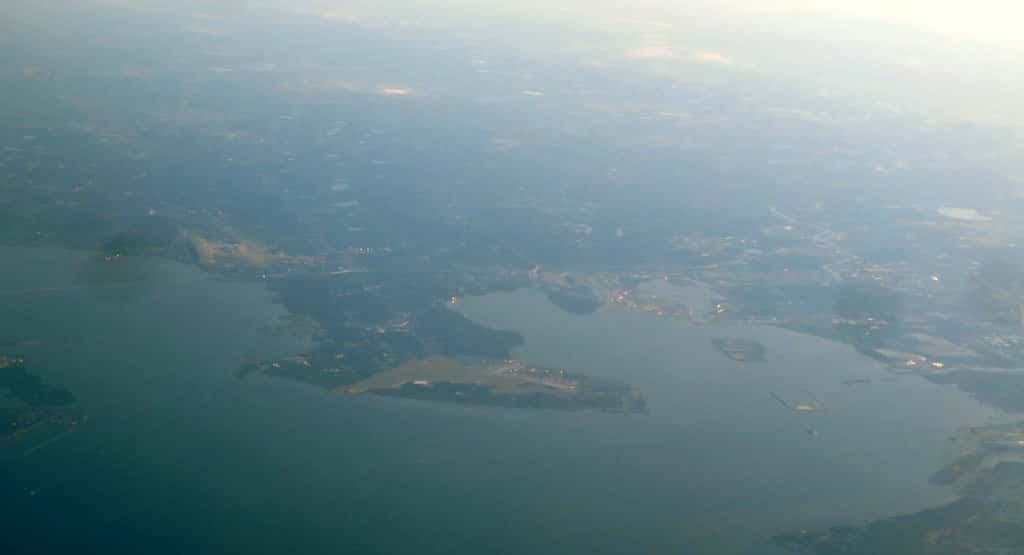
Tampa's MacDill Air Force Base, home to U.S. Central Command, has emerged as the nerve center of American military planning as tensions between the United States and Iran escalated through June 2026, according to reports. The command, known as CENTCOM, oversees U.S. operations across the Middle East from its Tampa Bay headquarters, placing the Florida region at the heart of one of the most consequential and fast-moving national-security situations in recent memory.
For Tampa Bay, the developments are not distant headlines. MacDill is a major economic and strategic anchor for the region, employing thousands of military and civilian personnel and tying the community directly to events unfolding thousands of miles away. As CENTCOM coordinates the U.S. response, the base's central role means that heightened operations reverberate through the local economy and the families connected to it.
The situation remains sensitive and fluid, and many details are unconfirmed. According to reports, an incident involving a U.S. Army helicopter near the Strait of Hormuz raised tensions, after which President Trump blamed Iran and ordered military strikes. Iranian forces launched retaliatory attacks, according to those reports, raising fears of a wider conflict in a region where CENTCOM, directed from MacDill, holds primary responsibility.
MacDill at the Center
MacDill Air Force Base sits on a peninsula in Tampa Bay and serves as the headquarters of U.S. Central Command, the unified combatant command responsible for U.S. military activities across the Middle East and surrounding areas. That role makes the Florida base a focal point whenever tensions rise in the region CENTCOM oversees, and the current standoff with Iran is no exception.
From its Tampa headquarters, CENTCOM coordinates planning, logistics, and command functions for a vast area of operations. The personnel based at MacDill, both in uniform and in civilian roles, support the command's mission around the clock, and during periods of heightened tension their work takes on added urgency. The base effectively functions as the home of the American military's approach to the Middle East.
According to reports, Defense Secretary Pete Hegseth made statements to reporters at CENTCOM headquarters at MacDill, underscoring the base's prominence in the unfolding events. The presence of senior leadership at the Tampa facility to address the situation reflects the central position MacDill occupies in the chain of command for any U.S. military response involving Iran.
For Florida, the concentration of such authority at a single base is significant. Decisions and coordination that shape American actions across the Middle East flow through MacDill, embedding Tampa Bay in the national-security apparatus in a way that few other communities experience.
MacDill also hosts U.S. Special Operations Command, giving the Tampa installation a second major combatant command and reinforcing its standing as one of the most strategically important military sites in the country. The pairing of these commands at a single Florida base concentrates an unusual amount of operational planning and leadership within Tampa Bay, and it means that the region supports missions reaching well beyond the Middle East. During a period of heightened tension with Iran, that concentration places Florida at the intersection of multiple strands of American military activity.
How Tensions Escalated
According to reports, the recent escalation traces to an incident involving a U.S. Army helicopter near the Strait of Hormuz, a strategically vital waterway through which a large share of the world's oil shipments pass. The reported incident raised tensions between Washington and Tehran and set off a chain of events that drew CENTCOM, and by extension MacDill, into the center of the response.
Following the incident, President Trump blamed Iran and ordered military strikes, according to reports. Iranian forces then launched retaliatory attacks, those reports indicate, deepening the confrontation and raising fears of a broader conflict. The pace and nature of these developments have made the situation difficult to assess in real time, and specifics remain subject to confirmation.
CENTCOM reported completing self-defense strikes on June 10 against Iranian military surveillance, communications, and air-defense targets, according to the command. That action, directed within CENTCOM's area of responsibility, illustrates the operational role the Tampa-based command plays when hostilities flare. The command framed the strikes as defensive, though the wider sequence of events continues to evolve.
Because the situation is fast-moving and sensitive, many details, including the full scope and outcomes of the reported strikes and retaliatory attacks, are not independently confirmed and should be treated with caution. Officials have addressed the situation in measured terms, and the picture may shift as more information becomes available.
A Strategic Anchor for Tampa Bay
Beyond its operational role, MacDill is a cornerstone of the Tampa Bay region's economy and identity. The base supports thousands of military and civilian jobs, and its presence ripples through the local economy in the form of housing, services, and businesses that cater to the personnel and families connected to it. That economic footprint makes the base a major regional institution.
The relationship between MacDill and Tampa Bay is longstanding, and the community has grown accustomed to the rhythms of life around a major military command. When operations intensify, as they have amid the tensions with Iran, the effects are felt locally, from the demands placed on personnel to the heightened attention focused on the base and its mission.
For the families of service members stationed at or connected to MacDill, periods of escalation carry personal weight. Deployments, extended hours, and uncertainty about the course of events touch households across the region. The strategic significance of the base, in other words, translates into lived experience for a substantial number of Tampa Bay residents.
The base's importance to the region also extends to the broader civic life of Tampa Bay. Local businesses, contractors, and institutions have built relationships with MacDill over many years, and the base draws senior officials, allied military partners, and visitors to the area in connection with CENTCOM's mission. That web of connections means a crisis affecting CENTCOM is felt not only by military families but by a wider community whose fortunes are intertwined with the base. As tensions with Iran command attention, that interdependence comes into sharper relief.
The Nerve Center for Middle East Operations
CENTCOM's responsibility for U.S. operations across the Middle East means that MacDill functions as a nerve center during any major regional crisis. The command integrates intelligence, planning, and coordination for a region that has repeatedly demanded American military attention, and the current confrontation with Iran places those functions under intense focus.
The reported self-defense strikes on June 10 against Iranian surveillance, communications, and air-defense targets, as described by CENTCOM, reflect the kind of operation the command exists to direct. Whether such actions remain limited or expand depends on a host of factors that are unfolding in real time, and the command's posture is central to how the situation develops.
For Florida, hosting this nerve center is both a point of strategic importance and a source of exposure to the pressures of global events. When the Middle East is calm, MacDill's role is steady and largely out of the headlines. When tensions surge, as they have now, the Tampa base becomes a focal point of national and international attention, with its decisions carrying weight far beyond the state.
The Strait of Hormuz sits at the heart of why the current crisis matters so broadly. The narrow waterway is one of the most important chokepoints for global oil shipments, and any disruption there carries economic as well as military implications. CENTCOM's responsibility for the surrounding region means that MacDill is connected, through the chain of command, to events with the potential to affect energy markets and international stability. That linkage underscores how a confrontation playing out thousands of miles away can route directly back to a base on Tampa Bay, where the planning and coordination for the U.S. response are centered.
A Sensitive, Fast-Moving Story
The events surrounding the U.S.-Iran tensions are unfolding quickly, and much remains unconfirmed. Reports of the helicopter incident near the Strait of Hormuz, the ordered strikes, and the Iranian retaliation describe a volatile situation, but the details are subject to change as more information emerges and as official accounts are clarified. Caution is warranted in interpreting any single data point.
Specific operational details and casualty figures, in particular, are the kind of information that is often incomplete or unverified in the early stages of a crisis. CENTCOM's own statements, including its description of the June 10 self-defense strikes, provide an official frame, but the broader picture continues to develop. Statements attributed to Defense Secretary Hegseth at MacDill add to the official record without resolving every uncertainty.
For readers in Tampa Bay and beyond, the prudent approach is to follow official communications from CENTCOM and the Defense Department as they are released, while recognizing that the situation may shift. The base's central role ensures that authoritative information about the U.S. response will continue to be associated with MacDill and the command it hosts.
A Community Accustomed to the Spotlight
Tampa Bay has long lived alongside the rhythms of a major military command, and the current tensions are not the first time MacDill has drawn national attention. Because CENTCOM's area of responsibility includes some of the most volatile regions in the world, the base has periodically found itself at the center of significant events, and the surrounding community has developed a familiarity with the heightened tempo that accompanies them. According to those who follow the base, that experience shapes how the region absorbs moments of crisis.
During periods of escalation, local institutions that have built relationships with the base over the years often feel the effects in indirect ways. Schools serving military families, businesses that depend on the personnel stationed at MacDill, and civic organizations connected to the installation all operate against the backdrop of the command's mission. Officials have generally emphasized continuity and support for military families during such stretches, though the specifics of any given situation remain sensitive.
The base's prominence also means that national and international media attention tends to turn toward Tampa Bay when CENTCOM is in the news. That visibility brings the region into conversations far beyond Florida, and it underscores how closely the community's identity is tied to the command it hosts. For residents, the attention is a reminder of the strategic weight their region carries, even as the details of unfolding events remain uncertain.
What's Next
In the coming days, attention will remain on whether the confrontation between the United States and Iran escalates further or moves toward de-escalation. CENTCOM, operating from MacDill, will be central to whatever response unfolds, and official statements from the command and the Defense Department are likely to shape public understanding of the situation as it develops.
For Tampa Bay, the period ahead brings continued focus on the base that anchors the region. Heightened operations affect personnel, families, and the local community, and the trajectory of the crisis will determine how prolonged that elevated tempo proves to be. The economic and strategic importance of MacDill means the region has a direct stake in the outcome.
Above all, the situation calls for measured attention to confirmed information. As reports continue to emerge and officials provide updates, the role of MacDill and CENTCOM as the locus of U.S. Middle East operations ensures that Tampa Bay will remain closely tied to one of the most significant national-security stories of the year. How the events resolve remains uncertain, and the community will be watching closely.
Spotted an issue with this article?
Have something to say about this story?
Write a letter to the editor