Miami-Dade Signs $3.9 Million Grand Theft Auto VI Marketing Deal With Rockstar, Bringing Vice City to MIA and PortMiami
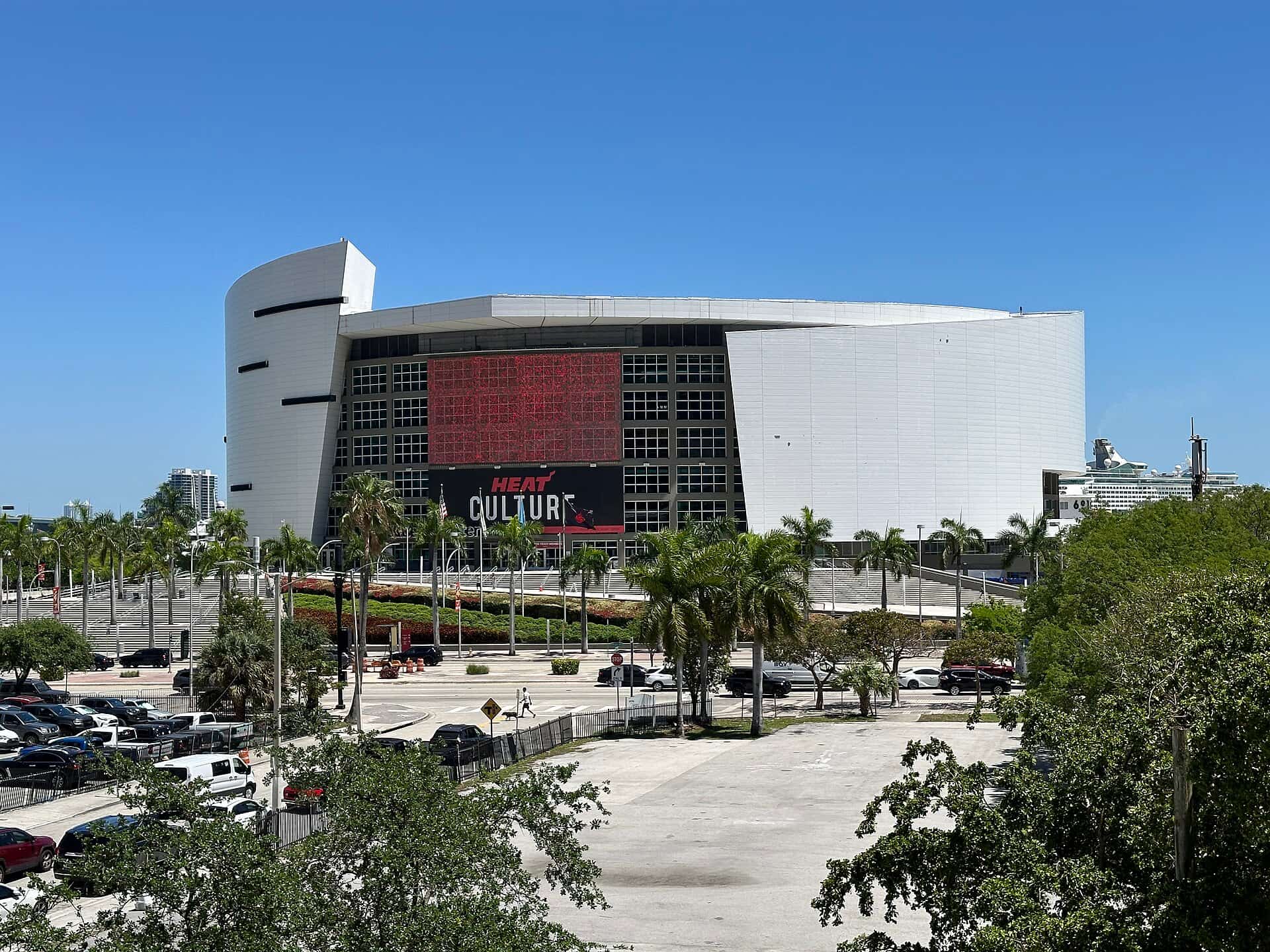
Miami-Dade County has signed a marketing package worth about $3.9 million with Rockstar Games to promote Grand Theft Auto VI, the blockbuster video game set in a fictionalized Miami called Vice City, Mayor Daniella Levine Cava announced Wednesday evening. The deal will put game-themed lighting and displays at Miami International Airport and PortMiami and wrap traffic signal cabinets around the county in the game's colors, with the county steering the proceeds to a long-stalled public park behind the Kaseya Center.
The package folds in the county's earlier $975,000 agreement for the giant "Welcome to Vice City" sign that went up on the roof of the county-owned arena in September. It arrives three weeks before the game's Nov. 19 release and after weeks of criticism from Sheriff Rosie Cordero-Stutz and some county commissioners, who object to linking county government with a game built around crime and violence against police.
What the county agreed to
According to the mayor's office, the package combines a direct agreement between the county and Rockstar with separate advertising purchases made through the media companies that manage advertising at Miami International Airport and on the county's transportation system. The county's release described it as nearly $4 million; WLRN and other outlets reported the total as $3.9 million.
The planned installations include:
- Themed lighting at Miami International Airport and PortMiami.
- Promotional displays on the pedestrian walkways that connect the airport's parking garages to its terminals.
- Decorative wraps on selected traffic signal cabinets across the county, themed after the game.
- The "Welcome to Vice City" rooftop display on the Kaseya Center, home of the Miami Heat, which is visible to passengers flying into MIA.
The Miami Herald reported that the airport installation will bathe the Central Garden courtyard outside Terminal E in blue and pink light, and that PortMiami's cranes will be lit in the same palette. Rockstar agreed to pay for installing, maintaining and removing the advertising, and all designs remain subject to county approval and county content guidelines, according to the mayor's office.
The mayor's office said Rockstar approached the administration about the partnership, according to WLRN.
The mayor's pitch: tourism money for a park
Levine Cava framed the deal as a way to cash in on global attention that Miami-Dade will get whether or not it participates. "With millions of people around the world waiting for this release," she said in the county's announcement, "we have an opportunity to make sure Miami-Dade benefits from that attention." She added: "These agreements allow us to turn that excitement into additional revenue for our community."
The county said it is directing the proceeds toward a public park at Dan Paul Plaza, the county-owned land behind the Kaseya Center. The Herald has described the site as Parcel B. WLRN reported that the park project has been stalled for more than 30 years.
Christopher Hudtwalcker, Levine Cava's chief of staff, led the talks with Rockstar. When the arena sign went up in September, he told the Herald, "It's the biggest cultural phenomenon of the year."
How the Vice City sign started it
The marketing partnership began with the arena. Levine Cava signed the $975,000 Kaseya Center agreement, negotiated with Rockstar and the Heat, on Sept. 10. Her office released the document on Sept. 22, the same day a helicopter lowered the "Welcome to Vice City" letters onto the arena roof, after a Miami Herald records request filed Sept. 11, according to the Herald.
At the time, the Herald reported that other stunts were under discussion, including a redesigned gate at the airport and replica county manholes stamped with a fictional Vice City logo. Neither appears in the county's description of the final package.
The cities of Miami and Miami Beach have struck their own deals with Rockstar, separate from the county's. According to the county, those include temporary banners in downtown Miami and advertising on beach concession equipment in Miami Beach. Chairs bearing the game's "VI" logo also recently appeared on The Underline, the linear park beneath Metrorail, the Herald reported, though it is not clear whether they are part of any government agreement.
Sheriff and commissioners object
The deal has drawn sustained opposition from law enforcement leaders. In September, Cordero-Stutz and Commissioner Juan Carlos Bermudez issued a joint statement urging the county not to use public resources to promote the game. Fortune headlined its coverage of the dispute with a line from that statement: "Miami-Dade County is not Vice City."
Bermudez made his objection personal during a late-night budget hearing in September. "It's a game where police officers are killed. Pedestrians are run over," he said, according to the Herald. "And we're going to make money from a video game that glorifies it." He has argued that any marketing money from the game should go to the Sheriff's Office.
The county's Association of Chiefs of Police said Miami-Dade "deserves to be represented by the values of its residents, not by a fictional image built around crime and violence."
Not every commissioner is opposed. Commissioner Keon Hardemon, whose district includes the arena, defended the arrangement in September. "Look, the game is as realistic as you make it," he said, adding, "I do believe this is going to be a marketing phenomenon."
No vote by the full commission
The broader complaint from several commissioners is about process. The administration moved ahead with the Rockstar agreements without a vote of the full County Commission, WLRN reported. When the arena deal surfaced in September, commissioners complained they had been kept in the dark and asked why they were not asked to approve it.
Supporters of the marketing push argue that it lets the county share in Rockstar's enormous promotional budget for a work of fiction, and that the game says no more about real Miami than the television series Miami Vice did in the 1980s, as the Herald summarized their view.
A game years in the making
Grand Theft Auto VI is one of the most anticipated entertainment releases in years. Rockstar has delayed it twice: first from 2025 to May 26, 2026, and then, in a November 2025 announcement, to Thursday, Nov. 19, 2026. It is launching on PlayStation 5 and Xbox Series X and Series S. The Kaseya Center itself has appeared in a trailer for the game, and its Vice City is modeled on Miami.
The name is not new to the franchise. Grand Theft Auto: Vice City, released in 2002 and set in the 1980s, drew on the same Miami imagery.
What's next
The installations at the airport, the port and on traffic cabinets are expected to roll out ahead of the Nov. 19 launch, with Rockstar responsible for removing them afterward. The county has not released a schedule for when the park at Dan Paul Plaza will be designed or built, or how much of the $3.9 million will ultimately reach it after the separate advertising purchases are accounted for.
The process dispute could resurface at the County Commission, where several members objected that the agreements never came to them for a vote.
Spotted an issue with this article?
Have something to say about this story?
Write us a letterComments
No comments yet. Be the first to weigh in.
Related Coverage
DeSantis Names John Anderson's 'Seminole Wind' Florida's Anthem by Executive Order Days After Singer's Death
2d ago

Orphaned Pacific Walrus Calf Annautaq, Rescued From an Alaska Beach, Arrives at SeaWorld Orlando
3d ago
St. Petersburg Gears Up for World Series at Tropicana Field: Security, Block Parties and a Mayor's Race
5d ago
St. Pete Pride Asks Supporters to Raise $289,000 by Nov. 30 to Erase Its Deficit Before the 25th Anniversary
Oct 20