DeSantis Names John Anderson's 'Seminole Wind' Florida's Anthem by Executive Order Days After Singer's Death
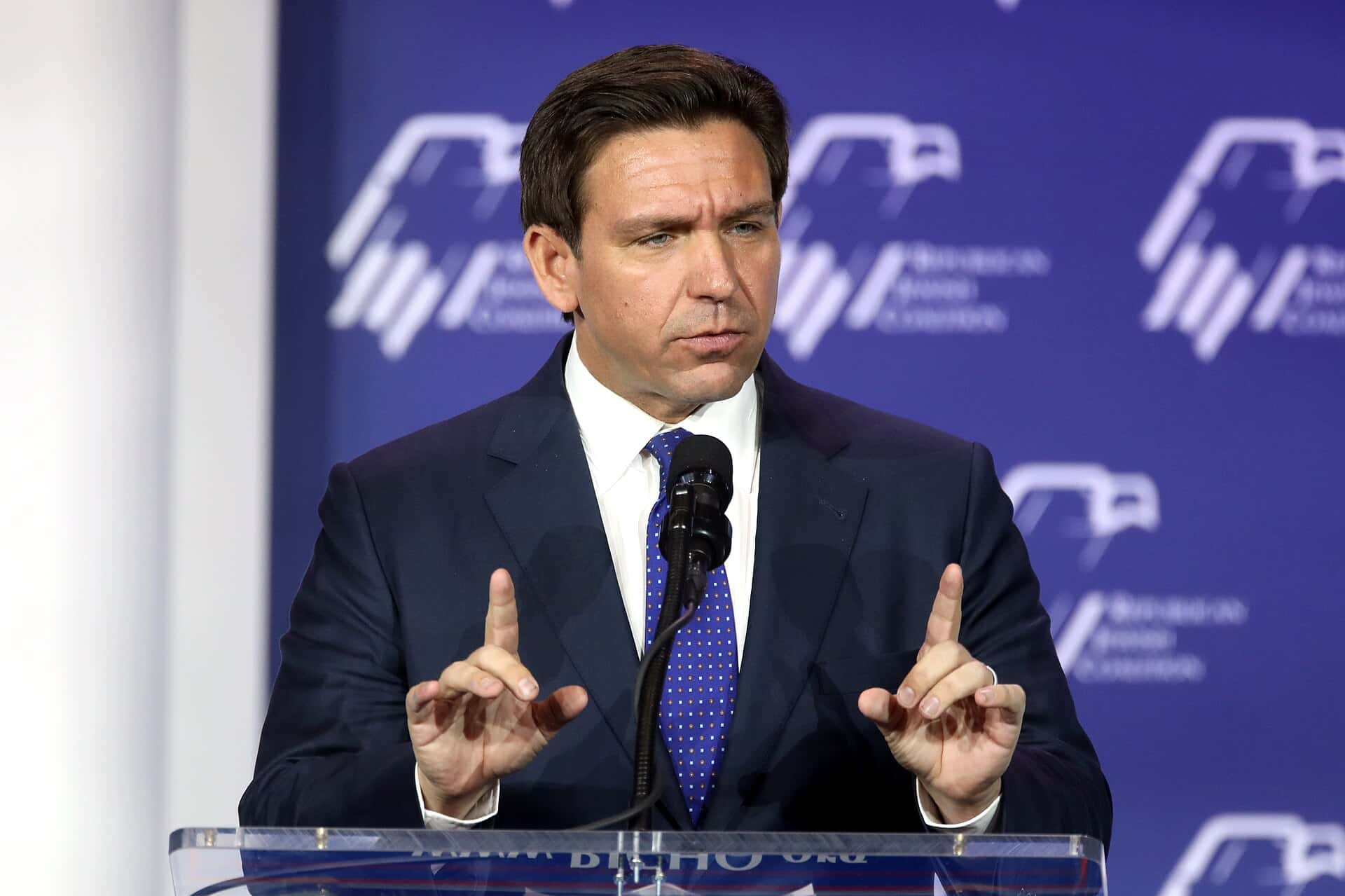
Gov. Ron DeSantis on Tuesday, Oct. 27, signed an executive order naming John Anderson's 1992 country hit "Seminole Wind" as Florida's Anthem, a new designation honoring the Apopka-born Country Music Hall of Famer less than a week after his death at 71. Executive Order 26-222 also orders historic markers in Anderson's hometown and renames a wildlife drive on Lake Apopka's north shore for him. Because Florida's official state song and state anthem are set in state law, the order creates a separate title rather than replacing either one, and it asks the Legislature to write the song into statute.
What the executive order does
The order, posted on the governor's executive orders page under the title "Seminole Wind as Florida's Anthem," takes effect immediately and has five sections. In it, DeSantis establishes "Seminole Wind" by John Anderson as Florida's Anthem and describes that as a designation separate from the State Anthem created under section 15.0326 of the Florida Statutes. The order says that existing anthem has had little to no use since it was established.
The remaining sections assign work to two state agencies and make a request of lawmakers:
- The Secretary of State must update Department of State publications, websites, records and other materials to make the public aware of the new designation, provide for awareness of it inside the State Capitol, and erect historic markers in the City of Apopka in Orange County describing Anderson's contributions to Florida's heritage.
- The Secretary of the Department of Environmental Protection must work with the St. Johns River Water Management District to designate the wildlife drive and trail system in the Lake Apopka North Shore as the John Anderson Wildlife Drive and Trail System.
- The governor encourages the incoming Legislature to codify "Seminole Wind" in Chapter 15 of the Florida Statutes, the part of state law that lists official state symbols.
The governor signed the order in Tallahassee, citing his authority under Article IV of the Florida Constitution, according to the document.
Florida already has a state song and a state anthem
The new title sits beside two musical symbols that are already in state law, and the executive order does not repeal either one. Florida's official state song remains Stephen Foster's "Old Folks at Home," often called "Swanee River," which lawmakers adopted in 1935. In 2008, the Legislature added a state anthem, "Florida (Where the Sawgrass Meets the Sky)," which is the statute the order refers to as section 15.0326.
An executive order cannot amend the statutes, which is why the order frames "Seminole Wind" as a distinct designation and leaves it to the Legislature to make it permanent. Any change to Chapter 15 would require a bill passed by both chambers and signed by the governor. The order does not say whether the governor wants "Seminole Wind" to replace the 2008 anthem or to be added alongside it,. The Legislature's next regular session begins in 2027.
Why the governor chose "Seminole Wind"
Most of the order is a series of findings about Anderson and the song. It states that "Seminole Wind" has served as the "unofficial anthem of the State of Florida" since its debut in 1992, and that its lyrics honor Floridians across the peninsula, including the Seminole Tribe of Florida's Osceola, and the conservation-minded spirit of Floridians from Okeechobee to Micanopy.
The order goes further and credits the song with influencing public support for protecting the state's environment. It says the song's sentiments contributed to a generational investment in Florida's natural heritage that helped speed restoration of the Everglades, the place Anderson sought to protect in the song. Everglades restoration funding has been a signature priority of the DeSantis administration.
"Seminole Wind" was the title track of Anderson's 1992 album. Released as a single in August 1992, it climbed to No. 2 on Billboard's Hot Country Singles and Tracks chart and reached No. 1 on Canada's RPM country chart. Anderson wrote the song, which laments the destruction of natural places for profit. Its second verse addresses the draining of the Everglades and the Seminole leader Osceola, who led resistance during the Second Seminole War.
Who John Anderson was
Anderson was born Dec. 13, 1954, and grew up in Apopka, northwest of Orlando, where the executive order says his family lived for generations. The order describes him growing up among rows of orange trees and Central Florida swamplands before theme parks arrived in 1971. He graduated from Apopka High School in 1972 and moved to Nashville to pursue music.
His career took off in the late 1970s and early 1980s with hits including "Wild and Blue," "Straight Tequila Night," "Black Sheep," "Money in the Bank" and "Swingin'," the million-selling No. 1 single the order cites. He was often grouped with George Strait and Ricky Skaggs as part of country music's New Traditionalist movement. The order says his Florida-focused songs fueled a career resurgence in the early 1990s that produced "Seminole Wind."
Anderson was inducted into the Nashville Songwriters Hall of Fame in 2014 and into the Country Music Hall of Fame in 2024, alongside Toby Keith and James Burton. The executive order calls the Country Music Hall of Fame honor "long-overdue" and says the governor also directed his induction into the Florida Artists Hall of Fame shortly afterward.
His family announced his death on his social media accounts last week, The Associated Press reported, and did not disclose a cause. He was 71. News reports said his death came just days after he attended the latest Country Music Hall of Fame induction ceremony in Nashville.
A push from Nashville
The order followed public calls to give the song official status. After Anderson's death, country singer John Rich, of the duo Big and Rich, publicly asked DeSantis on social media to make "Seminole Wind" Florida's state song, according to reports by country music outlets including American Songwriter. Those reports said the governor had not responded at the time.
Fox 13 in Tampa, which reported on the order Tuesday, said fans have been encouraged to honor Anderson by donating to the Bass Pro Shops and Cabela's Outdoor Fund, which supports conservation in North America. The station described Anderson as an avid outdoorsman, citing his Facebook page.
What it means for Apopka and Lake Apopka
The most tangible pieces of the order are local. Historic markers in Apopka would put Anderson's story in the city where he grew up, and the renamed wildlife drive would attach his name to one of Central Florida's best-known restoration sites.
The Lake Apopka North Shore, managed by the St. Johns River Water Management District, is a restoration area of former farmland along the lake's northern edge, and its wildlife drive is open to visitors. The order says the area has benefited from the conservation-minded stewardship Anderson inspired through "Seminole Wind." No timeline for the markers or the new signage was given in the order.
What's next
The executive order is already in effect, so "Seminole Wind" is now Florida's Anthem as far as the governor's office and state agencies are concerned. The Department of State and the Department of Environmental Protection are responsible for carrying out the markers, publications and wildlife drive designation.
Whether the honor becomes permanent depends on the Legislature. A bill to add "Seminole Wind" to Chapter 15 could be filed for the 2027 session, when lawmakers would also have to decide how it fits alongside "Old Folks at Home" and "Florida (Where the Sawgrass Meets the Sky)." Until then, the designation rests on an executive order, which a future governor could revise or rescind.
Spotted an issue with this article?
Have something to say about this story?
Write us a letterComments
No comments yet. Be the first to weigh in.
Related Coverage

Orphaned Pacific Walrus Calf Annautaq, Rescued From an Alaska Beach, Arrives at SeaWorld Orlando
1d ago

St. Petersburg Gears Up for World Series at Tropicana Field: Security, Block Parties and a Mayor's Race
3d ago

St. Pete Pride Asks Supporters to Raise $289,000 by Nov. 30 to Erase Its Deficit Before the 25th Anniversary
Oct 20

Joe Redner, Tampa's 'Strip Club King' and longtime courtroom combatant, dies at 86
Oct 17