New customs rule on Oct. 22 could cut off mailed prescriptions from Canada for Florida seniors
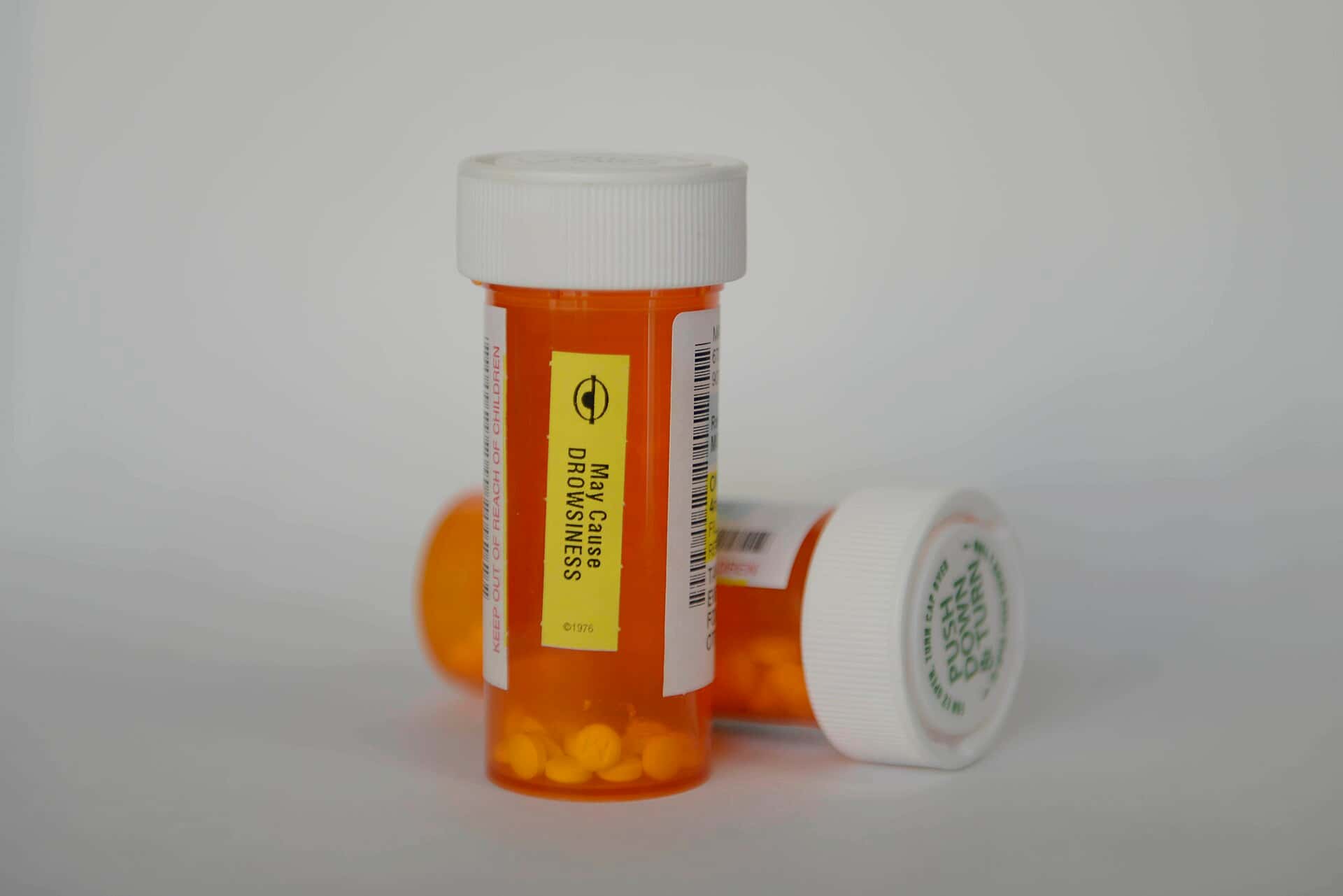
Floridians who save money by ordering prescription drugs by mail from Canada and other countries have about two weeks before a federal customs change that pharmacy groups and dozens of members of Congress warn could stop those packages from arriving. Starting Oct. 22, 2026, U.S. Customs and Border Protection will no longer let mail shipments of products regulated by the Food and Drug Administration, including prescription medicines, clear customs through the simplified postal entry process. Those shipments will instead need a formal entry, a step built for commercial importers rather than retirees refilling a blood thinner.
The change matters in Florida more than almost anywhere else. About 22.8 percent of Florida residents were 65 or older as of July 2025, according to U.S. Census Bureau estimates, one of the highest shares in the country, and Medicare-age patients facing high out-of-pocket costs are a large part of the market for lower-cost drugs from pharmacies abroad. A letter signed by 71 members of Congress estimates that roughly 2.3 million Americans obtain medicines this way.
What changes on Oct. 22
CBP has been overhauling how international mail is processed since the federal government ended the de minimis exemption that once let packages worth $800 or less enter the country duty free. Patients ordering medicine by mail have been paying customs charges on those shipments since August 2025, according to reporting by Straight Arrow News.
This summer, CBP replaced the interim system with a new postal entry process. According to an analysis by the law firm Troutman Pepper Locke, filers under that process are limited to the owner or purchaser of the goods or a licensed customs broker. They must submit a monthly International Mail Duty Worksheet listing 10 digit tariff classifications, pay duties by ACH debit, and maintain a continuous customs bond.
The Oct. 22 deadline closes that simplified path for FDA-regulated goods. From that date, those mail shipments must move through an entry in CBP's Automated Commercial Environment system that carries the FDA data the agency requires, even for small, low-value packages. Federal officials have said the change will provide more information about packages entering the country and help determine whether shipments comply with U.S. requirements, according to WINK News.
The key dates are below.
| Date | What happened or happens |
|---|---|
| Jan. 5, 2024 | FDA authorizes Florida's state program to import drugs in bulk from Canada |
| August 2025 | Duty-free de minimis treatment ends; mailed medicines start owing customs charges |
| Summer 2026 | CBP launches new postal entry process using the International Mail Duty Worksheet |
| Oct. 22, 2026 | FDA-regulated mail shipments lose the simplified postal entry and need formal entry |
Why pharmacies say shipments could stop
The rule does not explicitly ban Americans from importing medicine for personal use. The concern is practical. A formal entry with a customs bond, a broker and FDA data is costly and complicated for a single 90 day supply of a heart or diabetes drug, and Canadian mail-order pharmacies have historically relied on the postal system to reach U.S. patients.
The Canadian International Pharmacy Association, which represents licensed Canadian pharmacies that sell to Americans, warned that the new requirements "could effectively stop routine personal prescription shipments from reaching U.S. patients," WINK News reported.
Straight Arrow News reported that starting Oct. 22, Zonos, a cross-border shipping technology company that works with Canada Post, will screen incoming personal prescription packages against FDA import criteria. Advocates for personal importation, including the price comparison site PharmacyChecker, have argued that if a private logistics provider applies a restrictive reading of those criteria before packages reach the FDA, patients could lose medicines the agency has long allowed in under its enforcement discretion.
The FDA policy that let packages through
Federal law generally does not permit individuals to import prescription drugs for their own use. For decades, though, the FDA has used discretion to allow personal shipments that are clearly for personal use and do not appear to pose an unreasonable risk. Under that longstanding approach, the agency has generally allowed up to a 90 day supply when a drug treats a serious condition, is not being commercially promoted to U.S. residents and does not present an unreasonable risk, according to the Congressional Research Service.
Those criteria were rarely checked on low-value mail because of the de minimis exemption, Straight Arrow News reported. The new entry requirements put every FDA-regulated package into a process designed to collect that information.
The cost gap driving Floridians north
The savings at stake can be large. In a report by Fort Myers station WINK News, Henry Rothenberg said he and his wife, Jo, both take the blood thinner Eliquis. He said Costco quoted about $1,000 for a three month supply with Medicare, while he pays about $200 for the same supply from Canada, a difference of about $800.
Ken Hunter of the Campaign for Personal Prescription Importation told WINK News that buyers should confirm any foreign pharmacy is accredited and should be wary of one that does not ask for a prescription. "Right there, if you don't get that, a huge red flag," he said.
Congress members push back
Reps. Mark Pocan of Wisconsin and Jan Schakowsky of Illinois, both Democrats, led the letter signed by 71 members of Congress. It was addressed to Health and Human Services Secretary Robert F. Kennedy Jr., Homeland Security Secretary Markwayne Mullin and the heads of the FDA and CBP.
The lawmakers urged the agencies to make sure Americans can keep obtaining genuine, non-controlled prescription medicines from outside the country. They warned that the new process could prevent personal-use medicines from being shipped to the United States or lead to their routine refusal, including drugs patients have long received from licensed pharmacies abroad.
Published summaries of the letter did not include the full list of signers, and it could not be confirmed whether any members of Florida's congressional delegation signed it.
Florida's own Canada program will not fill the gap
Florida drew national attention when the FDA authorized the state's Section 804 importation program on Jan. 5, 2024, the first such approval in the country. That program is often confused with personal importation, but it works very differently and does not serve individual consumers ordering by mail.
Under the 2019 state law that created it, Florida's program is designed to import certain drugs in bulk from a Canadian wholesaler through a single state contractor, LifeScience Logistics, for people served by state-administered programs such as Medicaid. The state's plan covers 14 medications.
More than two and a half years after authorization, the program still had not imported any drugs. In its most recent quarterly report to lawmakers, covering the second quarter of 2026, the Agency for Health Care Administration listed no participating manufacturers and no unique drugs imported. The agency blamed significant resistance from pharmaceutical manufacturers, which control the supply chain, and hesitation from the Canadian government over its own drug supply. The FDA has extended Florida's authorization several times, most recently in May 2026, and Colorado became the second state to win authorization in June, the report said.
That leaves Florida patients who rely on Canadian pharmacies with no state alternative if their personal shipments are blocked.
What patients can do now
WINK News advised patients who buy medicine abroad to contact their Canadian pharmacy now to ask how orders will be handled after the deadline, and to get new prescriptions from their doctors before Oct. 22. Hunter's advice on vetting pharmacies applies as well: a legitimate pharmacy should be accredited and should require a prescription from the patient's doctor.
Patients who depend on a drug they cannot easily replace may also want to talk with their doctors about U.S. options in case a shipment is delayed or refused, since a missed refill of a blood thinner or insulin can carry real health risks.
What's next
The formal entry requirement for FDA-regulated mail takes effect Oct. 22. No public exemption for personal prescription shipments had been announced in coverage of the rule as of Oct. 7. Advocates are pressing the FDA to keep its risk-based approach to personal imports, which would let small shipments for individual patients continue to clear. Whether that happens, or whether shipments begin to stall at the border, will be felt quickly in Florida's retirement communities, where many residents count on mailed medicine to stretch fixed incomes.
Spotted an issue with this article?
Have something to say about this story?
Write us a letterComments
No comments yet. Be the first to weigh in.
Related Coverage

Judge blocks Trump fines of up to $1.8 million on migrants in case brought by a Florida woman
2h ago

Hurricane Hunters from Lakeland and Keesler fly Isaias as Coast Guard and park service brace the Panhandle
3h ago

Florida Hid Trump's Voter Record Under a Privacy Law That Doesn't Cover Presidents
4h ago

Social Security's 2027 COLA arrives Oct. 14: what Florida's 5.3 million beneficiaries can expect
1d ago