New Federal Student Loan Caps Push Florida Graduate Students and Parents Toward Private Lenders
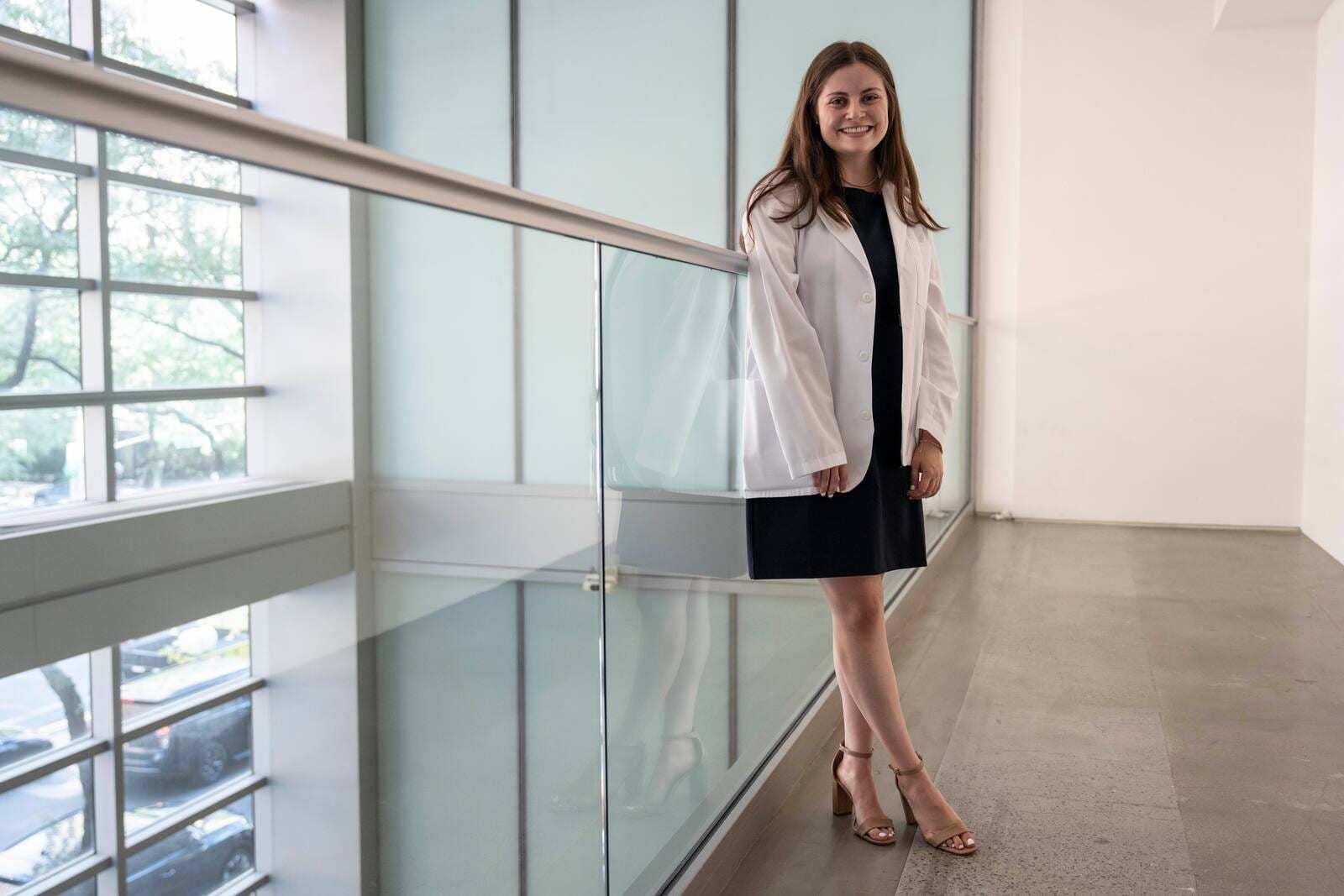
The first semester under the federal government's new student loan limits is sending a wave of borrowers to private lenders, and Florida's future doctors, lawyers, nurses and the parents of out-of-state undergraduates are among those affected. Under the 2025 budget law known as the One Big Beautiful Bill Act, the Graduate PLUS program closed to new borrowers on July 1, 2026, graduate and professional students now face firm annual and lifetime caps, and Parent PLUS loans are limited for the first time. Private lenders report surging demand: SoFi said its student loan originations nearly doubled from a year earlier, and Sallie Mae said its graduate lending more than doubled.
What changed on July 1
Before the law, graduate and professional students could borrow up to the full cost of attendance through Grad PLUS, and parents could do the same through Parent PLUS. The new rules replace that open-ended borrowing with fixed limits for anyone taking out a first loan in a program after July 1, 2026. The main changes, according to federal guidance summarized by CBS News and university financial aid offices:
| Loan | Before July 1, 2026 | New borrowers after July 1, 2026 |
|---|---|---|
| Graduate PLUS | Up to full cost of attendance | Eliminated |
| Graduate students, annual | $20,500 unsubsidized, plus Grad PLUS | $20,500 |
| Graduate students, total | $138,500, including undergraduate loans, plus Grad PLUS | $100,000, not counting undergraduate loans |
| Professional students, annual | $20,500 unsubsidized, plus Grad PLUS | $50,000 |
| Professional students, total | No effective cap with Grad PLUS | $200,000 |
| Parent PLUS | Up to full cost of attendance | $20,000 a year, $65,000 per student |
| Lifetime limit, all federal loans | None beyond program limits | $257,500, excluding Parent PLUS |
Undergraduate Direct Loan limits did not change. Dependent undergraduates can still borrow up to $31,000 in total. Borrowers who already had loans in a program before July 1 can generally keep borrowing under the old rules for a limited time; for example, parents who took out Parent PLUS loans before that date may continue under their current limits until their student finishes the degree or June 30, 2029, whichever comes first.
New borrowers also have fewer repayment choices. Loans made after July 1 can be repaid only through a new tiered standard plan or the Repayment Assistance Plan, an income-based option that replaces several older plans.
Who counts as a "professional" student
The difference between the $100,000 graduate cap and the $200,000 professional cap has become one of the most contested parts of the law. The Education Department's definition covers roughly a dozen fields, including medicine, dentistry, pharmacy, law and veterinary medicine. Nursing, physical therapy and several other health programs were initially left in the lower graduate tier, which WUSF reported last year would hit Tampa Bay nursing students hard.
A federal judge later blocked part of the rule, and nursing, physical therapy and several other fields are now eligible for the higher professional limits, at least for now, the Associated Press reported. CBS News noted that the designations could change again depending on how the litigation ends, which leaves students in those programs at Florida schools uncertain about how much they can borrow in future years.
What it means at Florida schools
Florida's public universities have among the lowest in-state undergraduate tuition in the country, and the state's Bright Futures scholarships cover much of it for eligible residents, so most in-state undergraduates at the University of Florida, Florida State, the University of South Florida and the University of Central Florida are unlikely to bump against the new limits. The pressure falls instead on graduate and professional programs, and on families of out-of-state students and private college students who relied on Parent PLUS.
Medical school shows the math. UF's College of Medicine lists tuition of $18,565 per semester for Florida residents and $24,695 for nonresidents for the class that started in 2026, or about $37,130 and $49,390 a year. That fits under the new $50,000 annual professional cap for residents, but housing, health insurance, books and exam fees push the full cost of attendance higher, and nonresidents face a gap from the start. Four years at the $50,000 annual maximum adds up to exactly the $200,000 cap, so any year that costs more must be covered some other way. The student lending site FundYou estimates a typical private medical school costs about $408,000 over four years, leaving a gap of roughly $208,000 after federal loans.
Florida Atlantic University's medical school advises students to exhaust federal options and points them to a private loan comparison tool. UCF's College of Medicine publishes a 2026-27 cost of attendance schedule that students can compare against the caps.
Students in two-year master's programs in fields such as social work, education or counseling face the $20,500 annual limit with no Grad PLUS to fill the gap.
Private lenders step in
Lenders have moved quickly to fill the hole. Sallie Mae, which controls more than half the private student loan market, said its graduate loans rose 119 percent from a year earlier, and its chief executive, Jon Witter, said late financial aid packages stretched the peak lending season into October, the AP reported. SoFi reported $2.9 billion in student loan originations in the third quarter. South Carolina Student Loan said graduate borrowing jumped 400 percent, and the University of Kansas law school created its own loan program.
American University economist Jordan Matsudaira estimated that more than half a million borrowers will need an extra $20,000 a year from nonfederal sources once the changes are fully phased in, with medical, law and dental students and those in high cost-of-living states hit hardest.
Private loans come with tradeoffs. They usually require a credit check or a cosigner, and they lack federal protections such as income-driven repayment, Public Service Loan Forgiveness and federal deferment and forbearance. That matters for Florida graduates who plan careers at public hospitals, legal aid offices or public schools, where loan forgiveness has long been part of the financial plan.
The debate
The Trump administration and supporters of the law say the caps will curb excessive borrowing and pressure schools to rein in costs. The American Enterprise Institute has counted at least 40 schools that cut the price of at least some programs since the caps took effect. Critics counter that most colleges cannot afford to lower tuition and that the new limits add hurdles for students from low-income families. An official at the University of Kansas law school told the AP that, as a result, private banks now get to choose who goes to law school.
What's next
Students planning to start graduate or professional school in fall 2027 should expect the caps to apply in full and build private loans, scholarships or savings into their budgets now. The court fight over which programs qualify as professional is still unresolved, and Florida university financial aid offices are the best source for program-specific costs and how the limits apply. Families filing the 2027-28 FAFSA can also ask schools how Parent PLUS limits will affect aid packages for students who enroll after July 1.
Spotted an issue with this article?
Have something to say about this story?
Write us a letterComments
No comments yet. Be the first to weigh in.
Related Coverage

Latino Voters Swung Left Nationally in the Midterms. In Florida, Hispanic Voters Moved Too, but Not Far Enough to Flip the State
2h ago

Cuba Detains 14ymedio Founder Yoani Sánchez for Nine Hours, the Third Independent Journalist Held in Havana This Week
4h ago
AI Data Centers Take a Midterm Beating as Edgewater Votes to Ban Them and Tech Stocks Slide, Sharpening Florida's Fight
5h ago

Trump Weighs Replacing Hegseth, and a CBS Source Says DeSantis Is Under Consideration for the Pentagon as He Calls the Midterms a 'Meteor Strike'
22h ago