No. 7 Miami Opens Its Season at Stanford With a New Quarterback Under Center
The Miami Hurricanes open the 2026 season Friday night at Stanford Stadium, a 9 p.m. Eastern kickoff on ACC Network that begins a season carrying expectations unlike any Miami has held in two decades. The Hurricanes are ranked No. 7, are coming off an appearance in the national championship game, and have won 23 games over the past two seasons under Mario Cristobal, now in his fifth year.
Miami starts a new quarterback. Darian Mensah, who transferred from Duke, makes his first start for the Hurricanes on Friday after a season in which he ranked second nationally in touchdown passes with 34 and placed in the top 20 in quarterback rating. Replacing production at the position is the central question of Miami's season, and the answer begins on the road at a venue three time zones away.
Stanford enters the game 1-0, having beaten Hawaii 37-27 at home in a Week 0 game. First-year coach Tavita Pritchard has the Cardinal a game into the season while Miami is playing its opener, which is a real if modest advantage in early-season execution. Oddsmakers have installed Miami as a 24-point favorite with a total of 47.5.
What Mensah brings
Mensah's Duke season established him as one of the more productive quarterbacks in the country in a system that asked him to throw. Thirty-four touchdown passes is a substantial number at any level, and his efficiency metrics suggested a quarterback capable of pushing the ball downfield without accumulating the turnovers that typically accompany aggressive throwing.
The transfer portal has reorganized how programs solve the quarterback position, and Miami's approach has been to use it aggressively rather than to develop exclusively from high school recruiting. That strategy compresses the timeline and raises the variance, because a quarterback arriving in January has one spring and one fall camp to learn an offense and build timing with receivers.
Friday night is the first public evidence of how that integration has gone. Road openers are the hardest environment for a new quarterback, and a night game on the West Coast against a team that has already played adds difficulty on top of that.
Miami's offensive structure under Cristobal has emphasized the run game and physical line play, which reduces the burden on a first-time starter. A quarterback who is asked to be efficient rather than heroic in his first start is more likely to look competent.
Where Miami sits after last season
Reaching the national championship game reset the program's baseline. Miami had spent two decades trying to recover the standing it held through the 1980s and early 2000s, cycling through coaching hires and near-misses, and a title game appearance is the strongest evidence in a generation that the rebuild has taken.
Cristobal's fifth season is therefore the first in which the program is defending something rather than chasing it. That is a different psychological and roster-management challenge. Teams coming off title game appearances lose players to the NFL Draft and to the portal, and they face opponents who circle the date.
The ACC's structure adds a specific pressure. The conference sends its champion to the College Football Playoff, and Miami's path to a return trip runs through a league in which one loss is survivable and two generally are not for a team without a marquee non-conference win.
Stanford is now an ACC opponent following the conference realignment that moved the Cardinal, California and SMU into the league. That means Friday's game is a conference game rather than a non-conference tune-up, which raises the stakes on an opener that might otherwise be treated as a warmup.
The rest of Florida's college slate
Florida's other major programs are at different points. Florida State opened its season August 29 with a 34-17 home win over New Mexico State at Doak Campbell Stadium, a game the Seminoles controlled in the second half behind 217 rushing yards, including 115 from Ousmane Kromah. Fifth-year quarterback Ashton Daniels completed 17 of 27 passes for 202 yards and a touchdown in his Florida State debut, adding a rushing score.
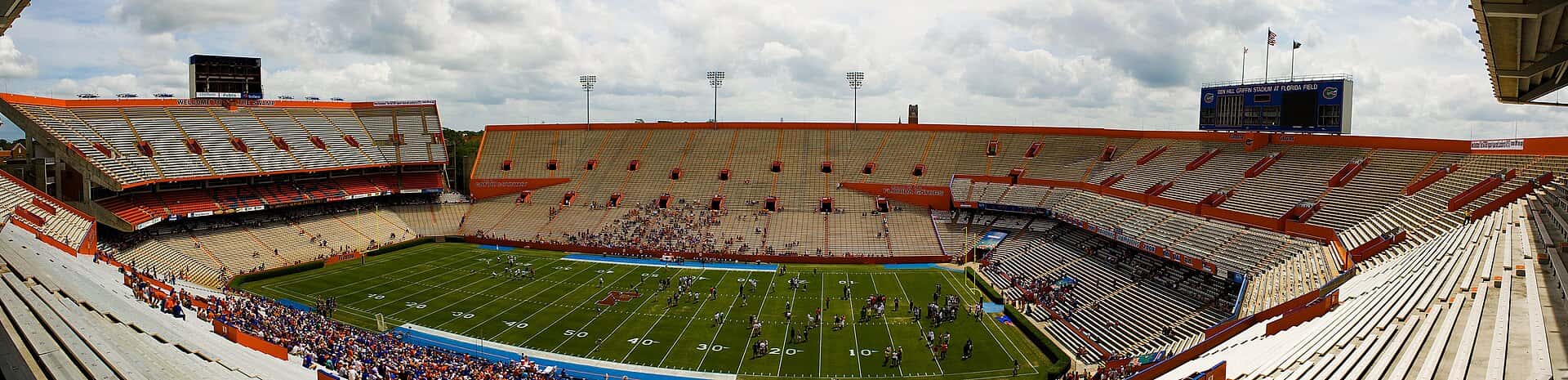
The Florida Gators open Saturday, September 5, at home against Florida Atlantic at Ben Hill Griffin Stadium, with a 7:45 p.m. kickoff on SEC Network. It is a season opener under substantial scrutiny, as Florida seasons generally are.
Miami follows Friday's game at Stanford with a September 10 home date against Florida A&M at Hard Rock Stadium, an 8 p.m. kickoff on ACC Network. The scheduling gives the Hurricanes a soft landing after a cross-country opener.
Central Florida's ACC and Big 12 programs, along with the state's Group of Five teams, fill out a Florida football calendar that is among the densest in the country. The state produces more Division I talent per capita than nearly any other, and a substantial portion of it stays home.
Roster building in the portal era
Miami's rise under Cristobal has coincided with the two changes that have most reshaped college football rosters: unrestricted transfer movement and direct compensation for athletes. Programs with strong local recruiting bases and substantial donor support have benefited disproportionately from both, and Miami has both.
The South Florida recruiting territory remains the densest talent producer in the country on a per-capita basis, and Miami's historical advantage was always its ability to keep the best of that talent at home. That advantage eroded badly during the program's fallow decades as Florida, Florida State and out-of-state programs pulled players north.
Cristobal, a Miami alumnus who played on the program's championship teams, built his coaching reputation on recruiting, and the current roster reflects a reversal of that outflow. Retaining local talent while adding proven production through the portal is the combination that produced a title game appearance.
The sustainability question is whether the roster can be reassembled annually at that level. Portal-heavy construction means substantial turnover every offseason, and continuity has historically been a component of sustained success that the current system makes harder to maintain.
What to watch Friday night
The obvious focus is Mensah, but the more predictive elements are elsewhere. Miami's offensive line play against a Stanford front that has already played a game will indicate whether the Hurricanes can establish the run game that Cristobal's offense depends on.
Stanford quarterback Davis Warren, a Michigan transfer, threw for 310 yards in the Cardinal's opener against Hawaii, which suggests Miami's secondary will face genuine passing volume rather than a conservative game plan. How a Miami defense with new pieces handles that is worth more than the final margin.
Travel and kickoff time are real variables that get dismissed as excuses afterward. A 9 p.m. Eastern kickoff means Miami is playing a game that finishes after midnight on its body clock, in the first game of a season, on the opposite coast.
Realignment has changed the map
Friday's game is a reminder of how far college football's geography has drifted from its original logic. A conference nominally organized around the Atlantic coast now includes a program in Northern California, and Miami is opening its Atlantic Coast Conference schedule roughly 2,700 miles from campus.
The practical costs land on athletes and budgets rather than on television partners. Cross-country conference travel means missed class time, longer recovery windows and travel expenses that fall hardest on the non-revenue sports required to make the same trips under the same conference schedule.
The financial logic that produced realignment is media rights revenue, and the ACC's position in that market relative to the Southeastern Conference and Big Ten has been the source of persistent institutional tension within the league. Adding Stanford, California and SMU was, among other things, an attempt to strengthen that position.
For Florida programs, realignment has meant that the state's four major football schools now sit in three different conferences with three different playoff paths, which fragments what was once a more coherent in-state competitive picture.
The stakes for the season
A 24-point spread means the expectation is not merely a win but a comfortable one, and a close game would raise questions about Miami's ceiling immediately. The playoff format's expanded field gives good teams room to absorb a loss, but a loss in Week 1 to an opponent Miami is favored to beat by four scores would be a different kind of result.
Conversely, a clean performance from a new quarterback on the road would settle the largest open question about this roster in the first available opportunity, which is the best case for a team that then plays a home game against an FCS opponent the following week.
Miami's larger season will be decided by its conference schedule and by whether the program can sustain a level it reached only once in the past twenty years. Friday is the first data point.
What's next
Kickoff is 9 p.m. Eastern Friday at Stanford Stadium on ACC Network. Miami returns home to Hard Rock Stadium on September 10 to face Florida A&M.
Florida State's next game and Florida's opener against Florida Atlantic on Saturday complete the state's opening weekend, giving Florida fans three of the state's four major programs in action within roughly 24 hours.
The broader arc of Miami's season points toward its ACC schedule and toward whether the Hurricanes can build a résumé strong enough for the expanded playoff field without needing to win the conference outright. In a twelve-team format, a one-loss ACC team with quality wins is generally in, and a two-loss team is generally arguing.
Rankings will move quickly over the first month, as they always do when preseason polls collide with actual results. Miami's position at No. 7 reflects last season's finish more than anything the current roster has demonstrated, and Friday night is where that starts to be tested.
Spotted an issue with this article?
Have something to say about this story?
Write us a letterComments
No comments yet. Be the first to weigh in.
Related Coverage
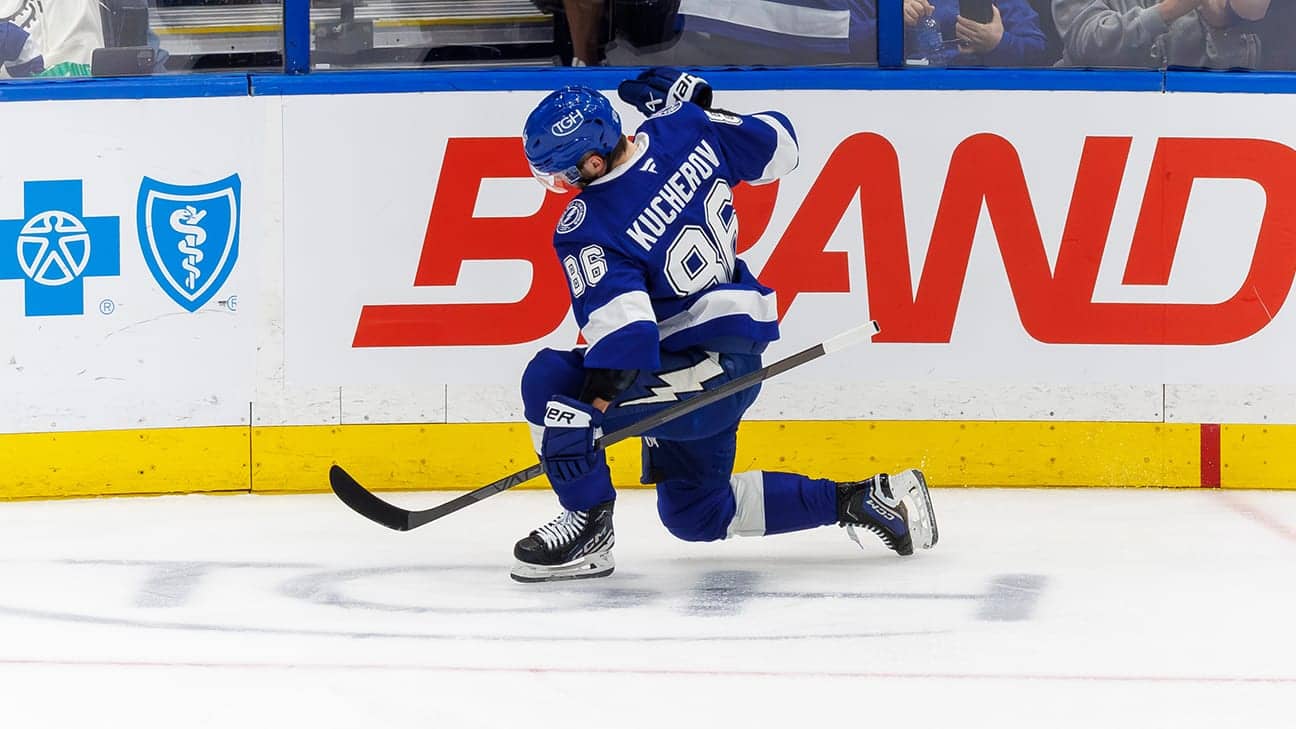
Nikita Kucherov Scores Twice as Lightning Rally From Two Goals Down to Beat Canucks 4-2
1d ago
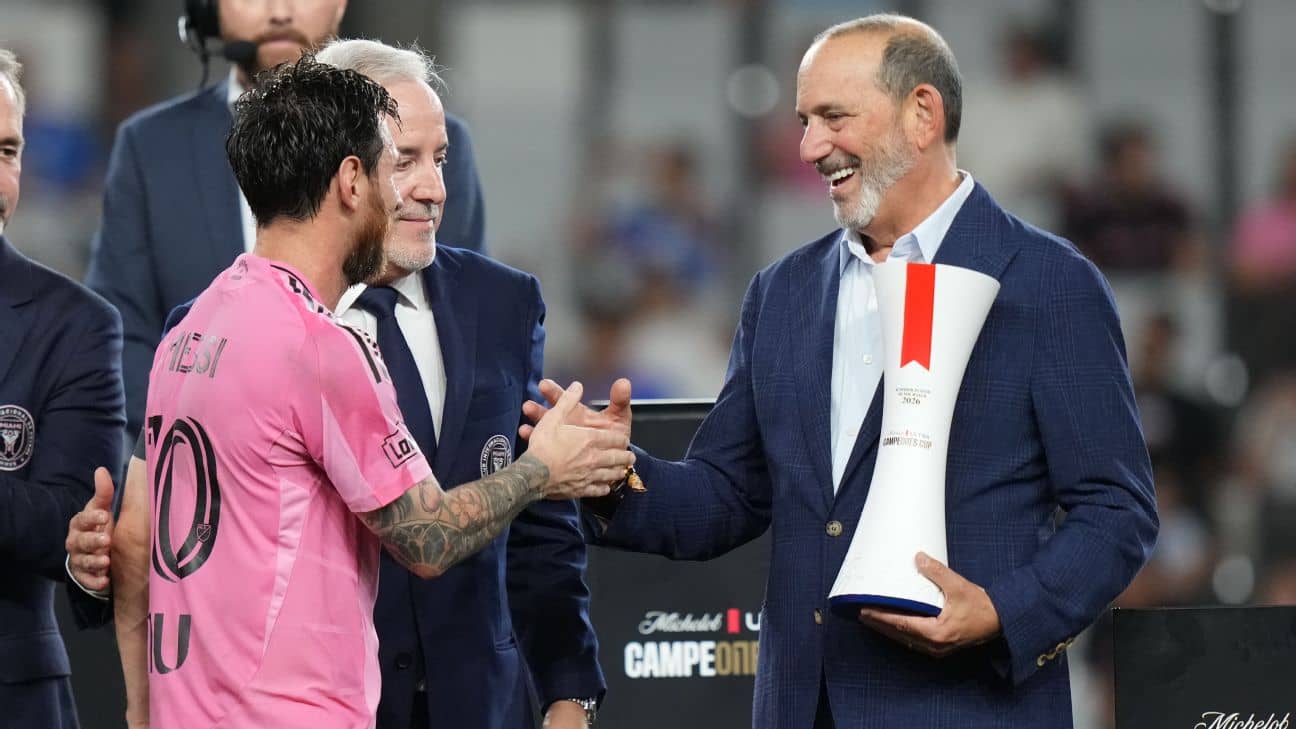
Lionel Messi Scores Twice, Inter Miami Beats Atlanta United 3-1 to Hold Second in the East
1d ago
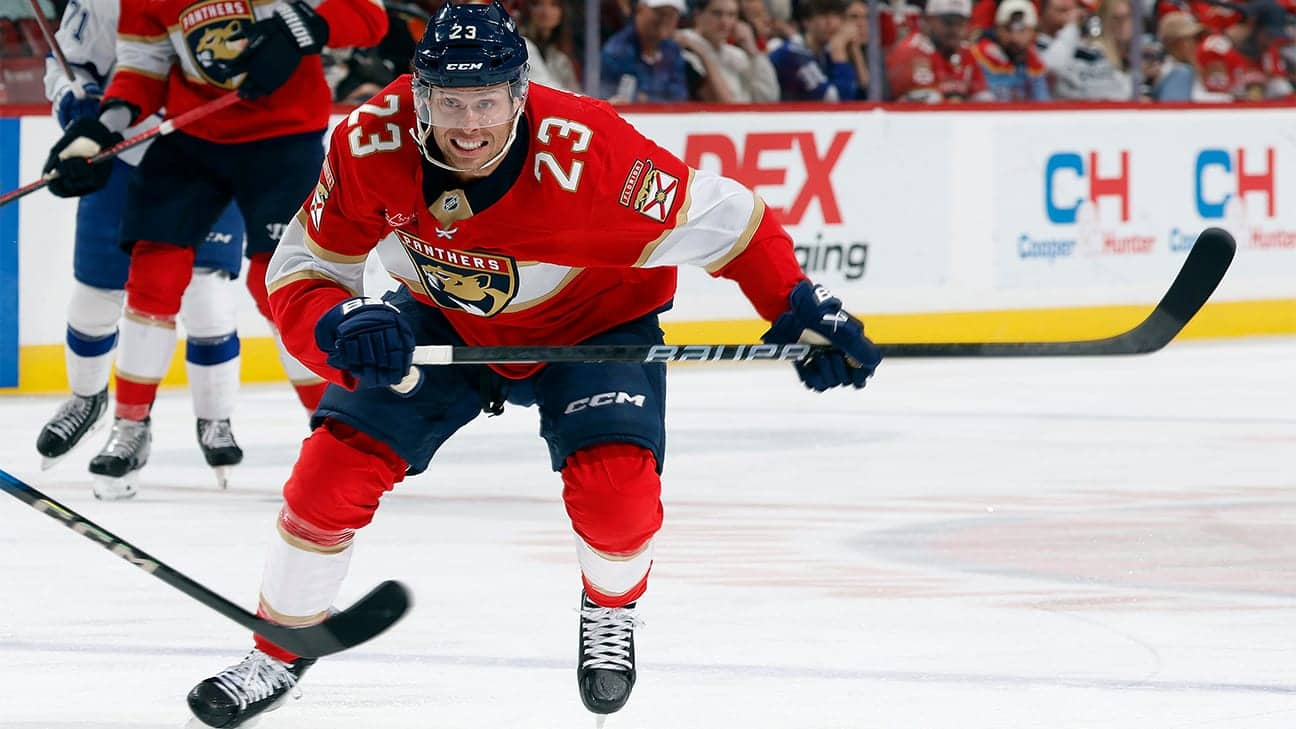
Carter Verhaeghe, Sam Bennett Hat Tricks Power Panthers Past Kraken 8-3 in Record Night
1d ago

Paolo Banchero Scores 24 as Magic Beat Heat 136-115 in Preseason Finale at Kia Center
2d ago