NOAA Proposes Reopening Part of Florida's Rare Oculina Bank Coral Reef to Shrimp Trawling
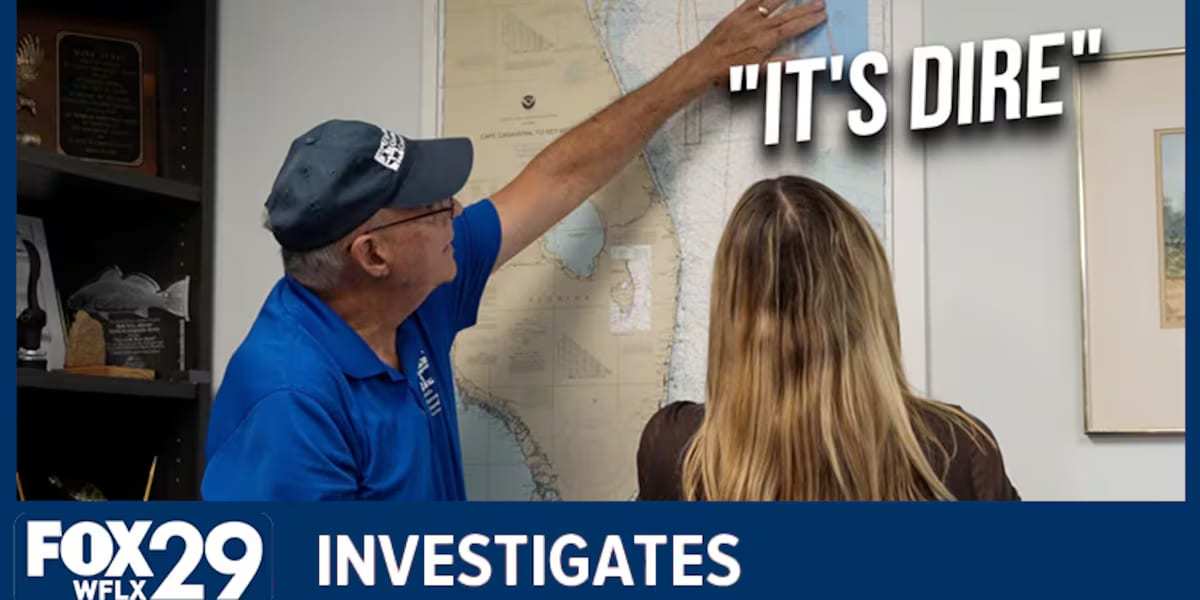
Federal regulators have formally proposed letting shrimp trawlers back into part of the Oculina Bank, a rare deep-water coral reef off Florida's Atlantic coast that has been protected for decades. NOAA Fisheries published a proposed rule on Nov. 12 that would open a 14.10-square-nautical-mile strip inside the Oculina Bank Habitat Area of Particular Concern to bottom trawling for rock shrimp. The public can comment on the rule through Dec. 14.
The proposal has revived one of Florida's longest-running fights over ocean habitat. Scientists say shrimp trawling destroyed about 90% of the reef before federal protections took hold. The shrimping industry says the area it wants to fish has no coral left to damage and that losing access to historic fishing grounds has pushed the rock shrimp fleet close to collapse.
What NOAA is proposing
The proposed rule would create what NOAA calls a shrimp fishery access area along the eastern boundary of the northern extension of the Oculina Bank habitat area, according to a NOAA Fisheries bulletin dated Nov. 10. Rock shrimp harvest is currently banned there. Under the rule, vessels with a valid limited access commercial permit for rock shrimp could bottom trawl for rock shrimp inside the new area.
NOAA said the plan includes a buffer of 350 to 1,580 meters between the access area and known coral pinnacles to prevent damage from trawling. Other coral protections in the habitat area, including limits on anchoring and on bottom longlines, dredges, pots and traps, would stay in place.
The agency said recent surveys of the proposed area found soft, flat bottom with no living or dead Oculina coral and no coral rubble, and that high-resolution mapping found no coral mounds. NOAA said the goal is to give fishermen more access to historic rock shrimp grounds while still protecting the deep-water corals.
The protected area lies about 15 nautical miles off Fort Pierce and extends north toward Cape Canaveral, NOAA said. Boundary coordinates in the bulletin place the proposed trawling strip farther north, running from about the latitude of Cape Canaveral toward Daytona Beach, well offshore of the Space Coast.
A reef found nowhere else
The Oculina Bank is built by Oculina varicosa, also called ivory tree coral, which grows in slow, branching thickets hundreds of feet below the surface. WPTV and WFLX have reported that federal scientists discovered the reef in 1975 and that the government designated it a Habitat Area of Particular Concern in 1984. The reef is home to snapper, grouper and thousands of other species.
By the early 2000s, trawling had destroyed about 90% of the reef, scientists say. Scientists describe the surviving 10% as the only reef of its kind. Protections were later expanded and made permanent.
"For gosh sakes, it's the last 10% of something that occurs nowhere else on Earth," Mike Gravitz of the Marine Conservation Institute told WFLX.
How the proposal got here
This is the second recent attempt to reopen part of the reef. The table below lays out the key steps.
| Date | What happened |
|---|---|
| 1975 | Federal scientists discover the reef |
| 1984 | Designated a Habitat Area of Particular Concern |
| July 28, 2022 | NOAA disapproves Coral Amendment 10, a similar plan covering about 22 square miles |
| Jan. 23, 2026 | South Atlantic Fishery Management Council votes 12-1 for new amendments |
| Sept. 18, 2026 | NOAA publishes notice of the amendments for comment |
| Nov. 12, 2026 | NOAA publishes the proposed rule |
| Nov. 17, 2026 | Comment period on the amendments closes |
| Dec. 14, 2026 | Comment period on the proposed rule closes |
In 2022, NOAA rejected the earlier plan, saying the record did not adequately show how it would minimize harm to essential fish habitat and bycatch, as federal fisheries law requires. Nearly 50,000 public comments opposed that plan, WPTV reported.
The new effort, known as Coral Amendment 11 and Shrimp Amendment 12, was written to address those problems. Council Vice Chair Jessica McCawley said it responds to a Trump administration executive order directing regional fishery councils to reduce regulatory burdens, WPTV reported. WFLX reported that the council had recommended reopening up to 24 square nautical miles. The area in NOAA's proposed rule is 14.10 square nautical miles.
The case for reopening
Shrimpers say the rock shrimp fishery has been shrinking for years. Council data reviewed by WFLX show annual rock shrimp trips fell from more than 700 in the mid-1990s to fewer than 100 a year since 2010, and the number of active rock shrimpers dropped from 144 in 1996 to fewer than 30.
"The shrimping industry is teetering on the brink of extinction," Bob Zales, executive director of the Southeastern Fisheries Association, told WFLX. He blamed rising costs, imported shrimp, lost fishing grounds and launch restrictions off Port Canaveral.
Council member Charlie Phillips said at the January vote: "I understand the concerns, but I don't believe we're going to be causing harm to the reef."
The case against
Scientists and conservation groups warn that sediment stirred up by trawl nets could drift onto the living reef nearby and smother coral, a risk flagged in the same mapping research that found no coral inside the proposed area. They also worry about bycatch of snapper and grouper.
"It would take centuries to grow back even some semblance of the corals," said Mark Perry, executive director of the Florida Oceanographic Society in Stuart, in an interview with WFLX. "I'd say it's dire. It's a dire situation."
Members of the council's own Coral Advisory Panel said they were never consulted on the amendments. Panel member Sandra Brooke said the council's reasoning "speaks to a little bit to the lack of transparency," WPTV reported. A WFLX review of financial disclosures found that several council members had ties to fishing or seafood businesses. Council officials said NOAA rules and federal law govern conflicts of interest.
The proposal also drew a Nov. 12 commentary in the Florida Phoenix calling the shrimping destructive and arguing against reopening the reef.
What's at stake for Florida
The economic stakes for rock shrimp are small compared with the state's overall seafood industry. NOAA data cited by WFLX show that nationwide landings of brown rock shrimp in 2023 totaled about 600,000 pounds, worth roughly $1 million. That same year, Florida fishermen landed nearly 100 million pounds of fish worth just under $300 million.
What's next
Comments on the proposed rule can be submitted through the federal e-rulemaking portal at regulations.gov under docket NOAA-NMFS-2026-1750 until Dec. 14. Comments on the amendments themselves close Nov. 17. NOAA said it will consider comments on both in its final rule, and the agency may not consider comments sent by email or mail. After the comment period, NOAA Fisheries will decide whether to approve the amendments and issue a final rule, after rejecting a similar plan in 2022.
Spotted an issue with this article?
Have something to say about this story?
Write us a letterComments
No comments yet. Be the first to weigh in.
Related Coverage
Polk Ranch, St. Johns River Land and DeSoto Pasture Permanently Protected as Florida Buys Development Rights on Nearly 830 Acres
3d ago
SS United States Opens to Divers After Settling Upright Off Destin as the World's Largest Artificial Reef
4d ago
Plan to Mine Sugar Land Next to the EAA Reservoir South of Lake Okeechobee Faces Skeptical Water Managers
5d ago
Conservation Groups Move to Sue Federal Government Over Long-Delayed Manatee Habitat Protections
5d ago