NOAA Sticks With Below-Normal 2026 Atlantic Hurricane Outlook as Peak Season Approaches Florida
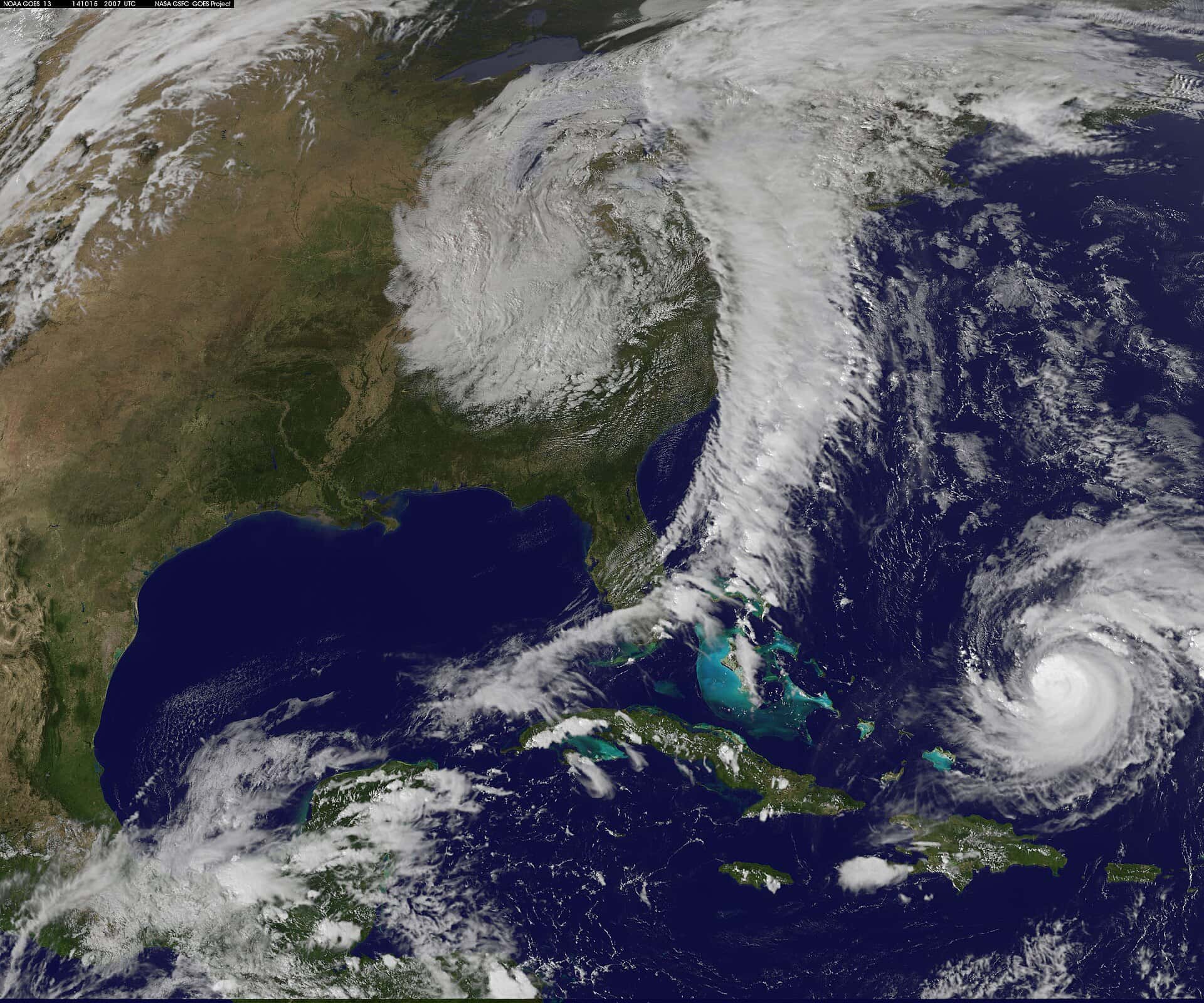
The National Oceanic and Atmospheric Administration is maintaining its below-normal outlook for the 2026 Atlantic hurricane season, a forecast that has held through the summer as the basin has produced two named storms and no hurricanes to date. The updated outlook offers Florida residents cautious optimism about the remainder of the season, though officials continue to emphasize that a single storm reaching the state can produce severe consequences, regardless of how the full season plays out statistically.
The updated outlook
NOAA's National Weather Service issued its updated outlook and continues to project 7 to 13 named storms for the season, of which 2 to 6 could become hurricanes, including 0 to 2 major hurricanes of Category 3 or higher on the Saffir-Simpson scale. Forecasters project a 75 percent chance for below-normal activity, a 20 percent chance for a near-normal season, and a 5 percent chance for an above-normal season.
The outlook is based on a range of factors including sea surface temperatures, atmospheric conditions, wind shear patterns, and other climate signals. NOAA's forecasters draw on ocean and atmospheric monitoring data, historical patterns, and dynamic modeling to develop the outlook, which is updated in early August to reflect conditions heading into the peak of the season.
Peak season is still ahead
Hurricane season officially runs from June 1 through Nov. 30. Historically, the peak of Atlantic hurricane activity occurs around Sept. 10, and roughly 90 percent of Atlantic hurricanes occur between mid-August and mid-October. Florida residents should stay prepared through the remainder of the season regardless of the overall outlook.
Named storms so far in 2026 have been Arthur and Bertha, both tropical storms. The season has not yet produced a hurricane. That relatively quiet start does not guarantee a quiet finish, and forecasters urge continued preparedness.
What NOAA watches
NOAA's National Hurricane Center in Miami operates as the primary source of official tropical weather information for the Atlantic basin. The center issues advisories, watches, and warnings for tropical systems and coordinates with local National Weather Service offices, emergency management agencies, and other partners.
Forecasters track potential systems from formation through dissipation or landfall. Data from weather satellites, hurricane hunter aircraft, buoys, and land-based observations feed the models that inform official forecasts. Track and intensity forecasting has improved substantially over the past several decades, though intensity remains particularly challenging for meteorologists.
Current tropical activity
As of the middle of this week, Florida remained under no immediate tropical threat, according to the National Hurricane Center. A tropical wave was expected to move off the west coast of Africa on Monday, with an area of low pressure that could form in association with the wave early this week. The chance of development through seven days was placed at 50 percent, with environmental conditions described as marginally conducive for further organization.
Tropical development is anticipated to be more likely in the southern or western Gulf later in the week, but any such system is forecast to track well west of Florida. That said, tropical systems can change course, and residents should stay informed about the latest forecasts.
Florida preparedness
The Florida Division of Emergency Management maintains preparedness resources through its website, and county emergency management offices coordinate local planning and public communication. Standard recommendations include maintaining a supply kit with water, food, medications, flashlights, batteries, and important documents; developing a family communication plan; knowing your evacuation zone; and being ready to act quickly when a storm threatens.
Home preparations include securing outdoor items, trimming trees, checking storm shutters or window protection, and ensuring insurance coverage is understood. For homes with pools, generators, or other specific systems, preparations should include the manufacturer's recommendations for storm conditions.
Property insurance considerations
Hurricane exposure remains a defining factor in Florida property insurance markets. Insurers price policies based on risk, and hurricane events can affect the availability and cost of coverage for years afterward. The state's insurance market has been undergoing a period of stabilization in 2026, with declining lawsuits, a shrinking Citizens Property Insurance book, and rate reductions across most counties.
A significant hurricane landfall in Florida could stress the market and reverse some of the recent gains. Insurance officials monitor storm developments closely, both from an underwriting perspective and from the perspective of preparing for claims handling if a storm strikes.
Federal-state coordination
The Federal Emergency Management Agency coordinates federal disaster response and works with state and local emergency management on preparation, response, and recovery. The National Guard, U.S. Army Corps of Engineers, and other federal agencies also play roles in major storm events.
Florida's Congressional delegation has been active in supporting disaster preparedness and response resources for the state. Federal funding for storm-related infrastructure improvements, coastal resilience projects, and disaster relief flows through several channels, with FEMA as a primary conduit.
Local emergency management
Each Florida county maintains an emergency management office responsible for local preparedness, response, and recovery coordination. During tropical events, county emergency operations centers activate to coordinate response, communicate with residents, and manage resources.
Residents can register for local alert systems, which typically use text messages, phone calls, and email to communicate emergency information. Many counties also use social media and websites to provide updates during storm events.
Individual and family planning
Every Floridian should have a personal or family plan for hurricane season. That includes knowing evacuation zones, identifying shelter options if evacuation is necessary, planning for pets, and communicating with family members about arrangements.
Special considerations apply for elderly residents, those with medical needs, and residents with disabilities. Special needs shelter registration through local emergency management offices provides access to shelters equipped to support those needs during evacuations.
Business continuity
Businesses across Florida also plan for hurricane impacts. Business continuity plans typically address employee safety, protection of physical assets, data backup and recovery, communications with customers and suppliers, and financial arrangements to sustain operations through disruption.
The Florida Chamber of Commerce and other business organizations offer resources for continuity planning, and industry associations often provide sector-specific guidance. Small businesses may benefit from resources through the Small Business Administration, which offers disaster-related programs.
The peak weeks ahead
The next several weeks are historically the most active period of the Atlantic hurricane season. Even a below-normal season can still produce impactful storms, and the below-normal outlook for 2026 does not eliminate the need for vigilance.
Florida residents, businesses, and government agencies will remain in preparedness mode through the peak weeks and into the tail of the season. Weather patterns can shift quickly, and the state's approach continues to be to hope for the best while preparing for the worst.
Looking beyond the season
Beyond the immediate hurricane season, longer-term climate patterns influence Florida's exposure to tropical systems. Warmer sea surface temperatures, changes in atmospheric circulation, and other factors can affect the frequency and intensity of storms in the years ahead. Ongoing scientific research seeks to better understand these dynamics.
For now, the message from NOAA and from state officials is straightforward. The 2026 season is likely to be quieter than average, but Florida sits in a location where preparation and awareness must be constant. Stay informed, stay prepared, and pay attention to official forecasts and communications as the peak weeks arrive.
Spotted an issue with this article?
Have something to say about this story?
Write us a letterComments
No comments yet. Be the first to weigh in.
Related Coverage

Isaias Shuts Pensacola and Okaloosa Airports as Airlines Waive Fees and Tolls Lift on Panhandle Bridges
3h ago

Ex-CIA official pleads guilty in $194 million fraud, will forfeit $102 million in Palm Beach and Hobe Sound real estate
4h ago
11th Circuit voids septic permit ban in Indian River Lagoon manatee case after federal 'harm' rule rollback
4h ago

Trump ties disaster aid to midterm campaign as Hurricane Isaias nears Florida Panhandle
23h ago